Which Colors a Brittany Comes In
Many new Brittany owners, and even some seasoned enthusiasts, find themselves fascinated by the rich tapestry of colors these energetic hunting companions display. It's not just about aesthetics; understanding the nuances of their coat can sometimes tell you a bit about their lineage or even how they might be judged in different venues. This guide will explore the official and unofficial color variations you might encounter in the breed, clarifying what's standard, what's accepted, and what might raise an eyebrow depending on who you ask.
The Officially Recognized Brittany Colors: Orange and Liver
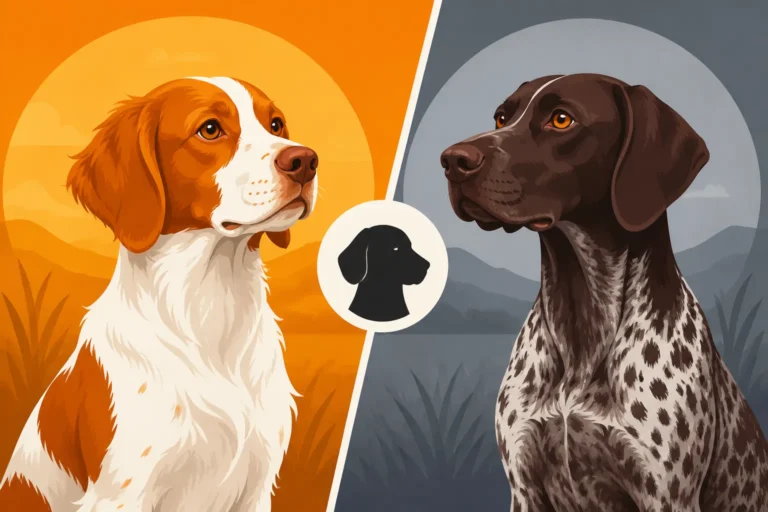
The most common and widely accepted colors for the Brittany, particularly in North America, boil down to two main palettes: orange and white, and liver and white. These aren't just pretty patterns; they're deeply ingrained in the breed's history and genetic makeup. When you look at the official breed standards from organizations like the American Kennel Club (AKC), these are the hues you'll find listed, often with specific descriptions of how the white should break up the colored patches.
The Classic Orange and White Brittany
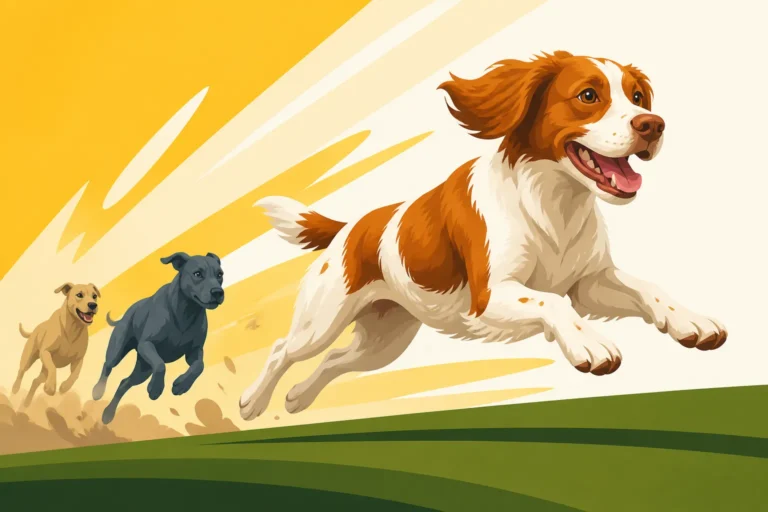
Ah, the orange and white Brittany! This is probably the image that first springs to mind for many when they hear "Brittany." It's vibrant, it's striking, and it perfectly suits their lively personality. The orange isn't usually a deep, dark auburn, but rather a warm, medium orange hue, sometimes leaning towards a rich chestnut or even a lighter, almost golden shade. It contrasts beautifully with the crisp white base coat.
Typically, you'll see patches of orange on the head, ears, back, and sometimes spots or "ticking" on the legs and muzzle. The amount of white versus color can vary quite a bit from one dog to another. Some Brittanys might be predominantly white with smaller orange patches, while others might appear mostly orange with white markings on the chest, blaze, and legs. There's a wide spectrum within this description, and each dog's pattern is unique, like a fingerprint. When considering What an Orange and White Brittany Looks Like, remember that individual expression is part of the charm.
These bright colors also serve a practical purpose: they make a Brittany highly visible in the field, whether they're darting through tall grasses or hunkering down on point in dense cover. For a hunter, this visibility is a significant advantage, helping to keep track of their dog even from a distance. Imagine the peace of mind knowing you can easily spot your partner in thick cover, especially as the light starts to fade.
The Rich Liver and White Brittany
While orange and white might be the poster child, the liver and white Brittany is equally stunning and just as traditional. Liver is essentially a deep, rich brown – not black, but a warm, chocolatey hue. It can range from a lighter, almost milk chocolate color to a very dark, intense bitter chocolate, often with a reddish undertone when caught in the sunlight. Like the orange and white, this deep brown stands out beautifully against the white.
The pattern of the liver patches is similar to that of the orange and white dogs: found on the head, ears, and body. The intensity of the liver color can sometimes appear more subdued than the vibrant orange, giving these Brittanys a very classic, almost stately look. They share the same spirited nature, of course, regardless of their coat. Breeders often strive for a good balance of liver and white, ensuring clear definition between the two.
The beauty of these patterns lies in their individuality; no two liver and white Brittanys are exactly alike. You might find some with extensive liver patches, almost appearing solid save for white on the chest and feet, while others boast elegant white bodies with distinct liver markings. This color, too, offers good visibility in many hunting environments, though perhaps a bit less striking against certain dark backgrounds than the orange.
Decoding Roan and Ticking: More Than Just Spots
Beyond the broad categories of orange and white or liver and white, you'll frequently hear terms like "roan" and "ticked" when discussing Brittany coat patterns. These aren't separate colors, but rather descriptions of how the white areas of the coat are marked with flecks of the primary color. They add incredible depth and character to a Brittany's appearance and are very much part of the accepted breed standard.
What Exactly Is Roan on a Brittany?
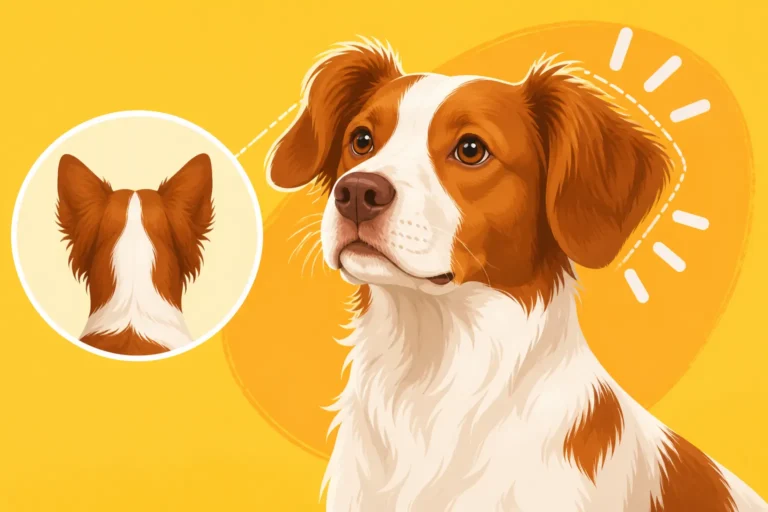
Roan refers to an intermingling of colored hairs with white hairs, creating a blended, mottled effect within the white patches. Imagine taking a paintbrush with very fine bristles and lightly dusting the white areas with specks of orange or liver. That's roan. Instead of crisp, clear white patches, you get a softer, more diffused appearance. A roan Brittany might have white areas that look "salted" with orange or liver hairs, making the transition between solid colored patches and white areas much less abrupt.
This roaning can vary in density. Some Brittanys might have very light roaning, where the white areas are only faintly dusted, while others can be heavily roaned, giving the impression of a much darker dog overall, even in areas that are technically "white." For instance, an "orange roan" Brittany would have orange hairs interspersed throughout its white coat, creating a beautiful, almost peach-colored sheen in those areas.
Similarly, a "liver roan" would have liver hairs mingled with white, leading to a rich, earthy brown effect. This characteristic Whether a Roan Brittany Is Standard adds a tremendous amount of visual interest and is highly valued within the breed, often giving the dog a more rugged, outdoorsy look. It's a hallmark of many sporting breeds and helps blend the dog into natural environments, providing a unique camouflage that’s both beautiful and functional.
Ticking: Those Distinct Little Spots
Ticking, while often confused with roan, is actually quite distinct. Ticking refers to small, isolated spots of color that appear on the white portions of the coat. Think of it like a Dalmatian's spots, but in the Brittany's primary color. Unlike roan, which is a blend, ticking usually consists of more defined, individual flecks or dots. These spots are typically uniform in color with the main patches, meaning orange ticking on an orange and white dog, or liver ticking on a liver and white dog.
You'll most commonly see ticking on the legs, muzzle, and sometimes the chest of a Brittany. A Brittany might have large, distinct colored patches and then fine ticking on its white legs. Or, it could have minimal ticking, with large areas of pure white. The amount and size of the ticking can vary greatly, from very fine, almost invisible freckles to larger, more prominent spots.
Both roan and ticking are acceptable within the breed standard. In fact, many Brittanys will display a combination of both – perhaps roaning on the body and distinct ticking on the legs and face. These patterns make each Brittany truly unique and add to their charm. It's worth remembering that Whether Ticking Is Allowed on a Brittany is a resounding yes; it's part of the breed's visual identity, contributing to the breed's diverse and attractive appearance.
Beyond the Standard: Less Common and Disqualified Colors
While orange and white and liver and white are the official colors, the Brittany's genetic palette can sometimes throw a curveball. You might occasionally encounter Brittanys with other colorations, some of which are accepted by certain international clubs, while others are outright disqualifications in the American show ring. It's a fascinating look into the breed's diverse genetic history, even if these colors aren't always what you'd expect or desire according to established standards.
The Enigmatic Tricolor Brittany
Tricolor Brittanys are perhaps the most frequently discussed non-standard color. A tricolor Brittany will typically be liver and white (or sometimes orange and white, though less common for tricolor), but with distinct tan or orange points. These "points" usually appear on the eyebrows, muzzle, cheeks, and under the tail, much like you'd see on a Doberman or a German Shorthaired Pointer with tan points. The tan markings are usually a rich, rusty color, adding another layer of visual interest to the dog.
In the United States, according to the AKC breed standard, tricolor is a disqualification. This means a tricolor Brittany cannot be shown in conformation events under AKC rules. However, it's a completely different story across the pond! In many European countries, particularly under the Fédération Cynologique Internationale (FCI) standard, tricolor (which they often describe as black, white, and orange, or liver, white, and orange, depending on the base color) is an accepted and sometimes even admired coloration. This difference highlights the diverging paths of the American Brittany and the Epagneul Breton (the breed's name in France) over the decades. Despite the AKC disqualification, a tricolor Brittany is still very much a Brittany in every other aspect – personality, hunting drive, and health. If you're not planning on showing in AKC conformation, a tricolor dog can make an excellent hunting partner and family pet. Whether a Tricolor Brittany Is Standard depends entirely on which standard you're consulting!
The Controversial Black Brittany
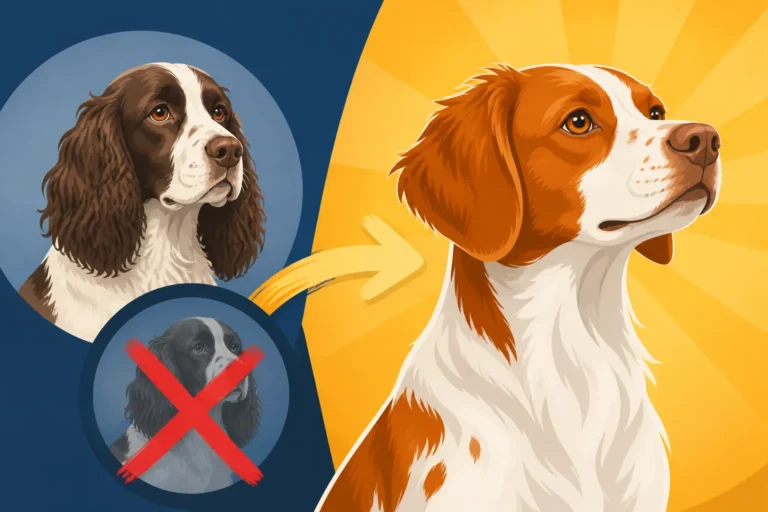
Now, black is where things get truly interesting, and a bit more contentious, for Brittany colors in the US. In America, the presence of black in the coat is a definitive disqualification. This means if a Brittany has even a single black hair or patch, it cannot compete in AKC conformation events. This is a very firm rule within the American Brittany standard. Black is seen as an indication of a cross-breeding event sometime in the distant past, or a deviation from the established Brittany type that American breeders have worked to maintain.
However, once again, the European perspective differs. Black is an accepted color for the Epagneul Breton in its native France and under the FCI standard. These dogs are often described as black and white, or black roan, and can be quite striking. This is one of the most significant visual distinctions between what is recognized as an "American Brittany" and an "Epagneul Breton." It's a testament to how breed standards can evolve differently in various regions.
A black Brittany, regardless of where it's recognized, is still a spirited, intelligent, and driven bird dog. For someone seeking a hunting companion or a family pet, the presence of black simply means they wouldn't be able to participate in AKC dog shows. You might also hear discussions around Whether a Black Brittany Is Standard which, again, really boils down to geography and specific kennel club rules.
The Rare and Unusual: Solid Colors and Dilutes
While much rarer, other color variations can occasionally appear in Brittany lines, often due to recessive genes. Solid-colored Brittanys, meaning a dog that is entirely orange or entirely liver with no white markings, are not standard and would be a disqualification in the show ring. The breed standard explicitly calls for white markings. The classic Brittany look is always one of distinct patches or roaning on a white background.
Another, even rarer, possibility might involve dilute colors, though these are extremely uncommon and generally considered faults. This would manifest as colors like blue (a dilute of black) or Isabella (a dilute of liver). Such colors would be considered highly undesirable and indicative of genetic factors outside the accepted breed type. It's important to understand that breeders carefully select for standard colors not just for aesthetics, but because these colors are part of what defines the breed's heritage and genetic integrity.
Reputable breeders adhere strictly to the written standard to preserve the breed's unique characteristics. If you see a Brittany advertised with an unusual or rare color, it's always wise to inquire about the parents' pedigrees and how that color might align with the breed's health and conformational standards. Always buy from a breeder who can provide transparency regarding health and genetic testing, regardless of color.
The Dynamic Coat: How Brittany Colors Evolve
A Brittany's coat isn't static; it's a living canvas that can subtly (or sometimes dramatically) change from puppyhood into their senior years. This evolution in color and pattern is fascinating to observe and is perfectly normal for the breed. Understanding these changes can help new owners know what to expect and appreciate the natural progression of their dog's appearance.
From Puppy Fluff to Adult Intensity
When you first bring home a Brittany puppy, their colors might seem a bit muted or less defined than an adult's. Puppy coats are often softer, and the roaning or ticking might not be fully developed. What appears as a mostly white patch on a young puppy might, over the next few months, begin to fill in with tiny flecks of orange or liver, transforming into a roan pattern. This is especially true for ticking; those little spots can become more pronounced as the puppy matures and their adult coat comes in.
The intensity of the main colored patches can also deepen. A pale orange puppy might develop into a richer, more vibrant orange as an adult. Similarly, a lighter liver might darken to a deeper chocolate. This development is primarily genetic, but environmental factors like sun exposure can also play a minor role in maintaining coat vibrancy. Observing Whether a Brittany's Color Changes as It Grows is part of the fun of puppyhood.
It's also why a breeder might describe a puppy's color as "orange and white, possibly roan" – because the full extent of the roaning won't be apparent until the dog is a bit older, typically by six to twelve months of age. So don't be surprised if those crisp white patches gradually become more mottled with specks of color.
The Grays of Wisdom: Colors in an Aging Brittany
Just like humans, Brittanys show their age, and one of the most noticeable ways is through the graying of their muzzle and around their eyes. As a Brittany transitions into its senior years, typically starting around The Age a Brittany Is Considered Senior, you'll start to see white or gray hairs appearing in these areas. This gradual salt-and-pepper look adds character and wisdom to their expressive faces.
The rate and extent of graying can vary greatly among individuals. Some Brittanys might start showing signs of gray around five or six years old, while others might not truly gray until much later, even into their double-digit years. It's a natural process and not a cause for concern. Beyond the muzzle, you might notice some dulling or slight fading in the intensity of their primary coat colors, particularly the orange or liver patches, though this is less pronounced than the facial graying.
The white areas, of course, generally remain white, though they might become a bit coarser. It's simply a visual indicator of a life well-lived and many happy hours spent in the field or by your side. These subtle changes remind us of the passage of time and the enduring bond we share with our aging companions.
Color's Role: From Show Ring to Hunting Field
While aesthetics are certainly a part of appreciating the Brittany, their colors aren't just about looking good. For breeders, color is tied to the breed standard and lineage. For hunters, it can actually be a practical consideration out in the wild. Let's delve into why these colors matter in different contexts.
Conformation vs. Field: Standards and Preferences
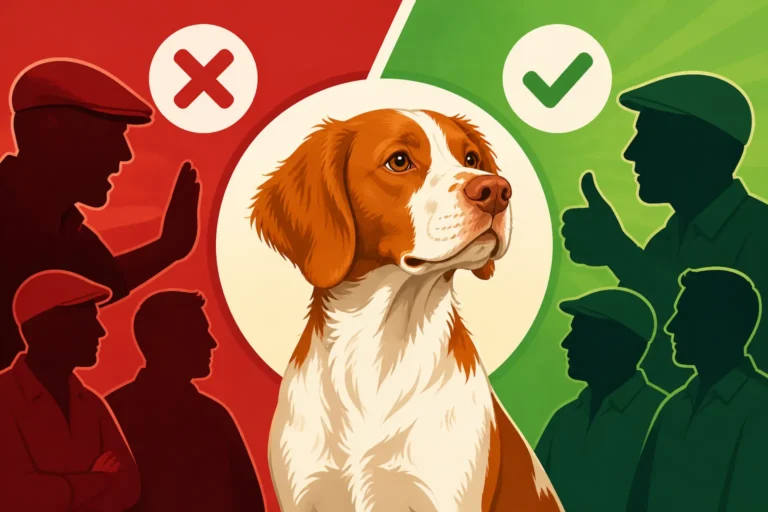
In the world of dog shows, particularly AKC conformation, color is a very serious business. The breed standard, which describes the ideal Brittany, is quite specific about acceptable colors: orange and white, or liver and white. As we discussed, any presence of black, or a tricolor pattern, is a disqualification. This means a dog with these colors, no matter how perfectly conformed in every other aspect, cannot earn a championship title in the show ring. This strict adherence to color standards helps maintain a consistent appearance for the breed within the conformation community.
However, the field trial and hunting world often operates with a slightly different set of priorities. While a hunter might appreciate a beautifully marked dog, the primary concern is always performance. A Brittany's ability to How a Brittany Finds Its First Bird, its drive, its point, and its retrieve are paramount. A tricolor or even a black Brittany, while disqualified from the show ring, can be an absolutely phenomenal hunting dog. Their color does not impact their natural abilities or their instinct to hunt.
Many dedicated hunters value proven bloodlines and working ability far above strict adherence to color codes, especially if they don't plan to show their dogs. So, while Whether a Show Brittany Can Still Hunt is a definite yes, the reverse (whether a black or tricolor field Brittany can be shown) is generally no in the AKC system. It all boils down to the purpose for which the dog is being evaluated.
Practicality in the Field: Visibility and Identification
For the serious bird hunter, color isn't just about tradition; it's a practical safety and identification feature. Imagine your Brittany ranging wide in dense cover – tall grass, thick brush, or even woodlands. Being able to quickly spot your dog is crucial, not just for knowing where they are and what they're pointing, but for safety, especially during hunting season when other hunters might be in the area.
This is where the standard orange and white coloration really shines. The bright orange patches contrast sharply with most natural backgrounds, making an orange and white Brittany highly visible. Even when partially obscured, a flash of orange is often easier to pick out than a darker color. Liver and white Brittanys also offer good visibility, but the orange can often be seen from a greater distance or in lower light conditions.
This enhanced visibility can make a significant difference in keeping track of a wide-ranging dog, reducing the chances of losing sight of them, and enhancing safety for both dog and handler. Some owners even choose to put bright orange vests on their Brittanys for added visibility, especially during busy hunting seasons, a practical item you can easily find at places like Chewy. While color isn't the only factor, it certainly plays a role in the practicality of choosing a hunting companion, influencing decisions like Whether an Orange Brittany Is Easier to See in Cover.
Color Genetics: A Quick Look
Understanding Brittany colors at a basic genetic level can be pretty interesting, even without diving deep into complex alleles. The primary color genes in Brittanys dictate whether a dog will be orange or liver, and then other genes influence whether roaning or ticking occurs.
The gene for black pigment (B locus) is what's absent in standard Brittanys. Brittanys carry two recessive 'b' alleles (bb), meaning they cannot produce black pigment. This is why their dark pigment is liver (brown) instead of black (like their nose, eye rims, and paw pads). If a Brittany inherited even one dominant 'B' allele (Bb or BB), it would produce black pigment, resulting in a black nose and, potentially, black patches in the coat, which is a disqualification in the AKC standard. This is the simple reason why black is seen as a deviation from the traditional American Brittany.
The "roan" and "ticking" patterns are controlled by separate modifier genes. Roaning is generally a progressive trait, meaning it can become more apparent as the dog matures. Ticking is also determined by specific genes that control the distribution of small pigment spots on white areas. These genetic interactions create the beautiful and varied patterns we see.
| Color/Pattern | AKC Standard (USA) | FCI Standard (Europe) | Description | Visibility for Hunting |
|---|---|---|---|---|
| Orange & White | Accepted | Accepted | Crisp orange patches on white base, can be ticked or roan. | Excellent |
| Liver & White | Accepted | Accepted | Rich brown (liver) patches on white base, can be ticked or roan. | Good |
| Orange Roan | Accepted | Accepted | Orange hairs intermingled with white hairs, giving a mottled orange appearance in white areas. | Excellent |
| Liver Roan | Accepted | Accepted | Liver hairs intermingled with white hairs, giving a mottled liver appearance in white areas. | Good |
| Orange Ticked | Accepted | Accepted | Small, distinct orange spots on white areas. | Excellent |
| Liver Ticked | Accepted | Accepted | Small, distinct liver spots on white areas. | Good |
| Tricolor (Liver/Orange & White with Tan Points) | Disqualification | Accepted (as black/white/orange or liver/white/orange) | Liver or orange with white, plus tan markings on eyebrows, cheeks, etc. | Good |
| Black & White | Disqualification | Accepted (as black & white or black roan) | Black patches on white base, can be ticked or roan. | Fair to Good (depending on cover) |
| Solid Color | Disqualification | Disqualification | Entirely orange or entirely liver, no white markings. | Varies |
| Dilute Colors (e.g., Blue) | Disqualification | Disqualification | Washed-out or faded versions of standard colors. | Varies |
This table provides a concise overview of what a Brittany looks like in its various recognized and unrecognized forms. When purchasing food or toys, regardless of your Brittany's color, you'll find a vast selection from retailers like Chewy.
The Role of Responsible Breeding in Color Genetics
Responsible Brittany breeders don't just breed for pretty colors; they breed for health, temperament, and working ability, all while adhering to the breed standard. This means understanding color genetics is part of their craft. A responsible breeder will be able to tell you about the colors in their breeding lines and explain why certain color combinations are produced. They won't purposely breed for disqualified colors if they are breeding for AKC conformation.
For instance, if a breeder has a strong orange and white line, they will typically stick to that, ensuring the puppies produced meet the standard. If they have liver and white dogs, they will also manage those lines to maintain desired traits. They will also be transparent about any genetic testing related to color, even though for Brittanys, color genetics are relatively straightforward regarding the primary accepted colors.
The focus is always on producing healthy, well-tempered dogs that exemplify the breed, whether they are destined for the field, the show ring, or simply as cherished family companions. When looking for a puppy, always ask a breeder about the genetic health testing they perform, such as What a Brittany Spaniel Breeder Should Have Tested, which goes far beyond just color.
Color and Your Brittany's Personality or Health
It's a common misconception that a dog's color can somehow dictate its personality or health. For Brittanys, there's absolutely no scientific evidence to suggest that an orange and white dog is any different in temperament, intelligence, or general health than a liver and white dog, or even a tricolor one. Their spirited, intelligent, and eager-to-please nature is a hallmark of the breed, irrespective of their coat pattern.
Similarly, there are no known specific health issues directly linked to any particular Brittany coat color. Health concerns like How Common Hip Dysplasia Is in Brittany Spaniels, Epilepsy in a Brittany Spaniel, or What C3 Deficiency Does to a Brittany are genetic traits that can affect Brittanys of any color. Reputable breeders focus on screening for these hereditary conditions, not on the color of the puppies. So, while color might influence eligibility for certain events or simply be a matter of personal preference, it shouldn't be a factor in assessing a Brittany's potential as a loyal companion or a capable hunting dog.
Final Thoughts on Brittany Colors
Ultimately, the color of your Brittany is just one facet of their unique charm. Whether you fall for the classic orange and white, the elegant liver and white, or find yourself captivated by a non-standard tricolor or black beauty, what truly matters is the dog beneath the coat. Their vibrant personality, unwavering loyalty, and tireless energy are what define the breed.
Embrace the individuality of your Brittany's coat, knowing that each pattern tells a part of their genetic story. And remember, when you're stocking up on essentials like quality dog food or new training gear from Chewy, your Brittany's color won't change how much they appreciate it. What truly matters is the bond you share and the adventures you'll embark on together, regardless of whether their spots are roan, ticked, or a striking tricolor.
Disclaimer
This article is for general informational purposes only and does not constitute professional advice. Laws, prices and regulations vary by location and change over time. Consult a qualified professional for guidance on your specific situation.