Whether the Brittany Is a Spaniel at All
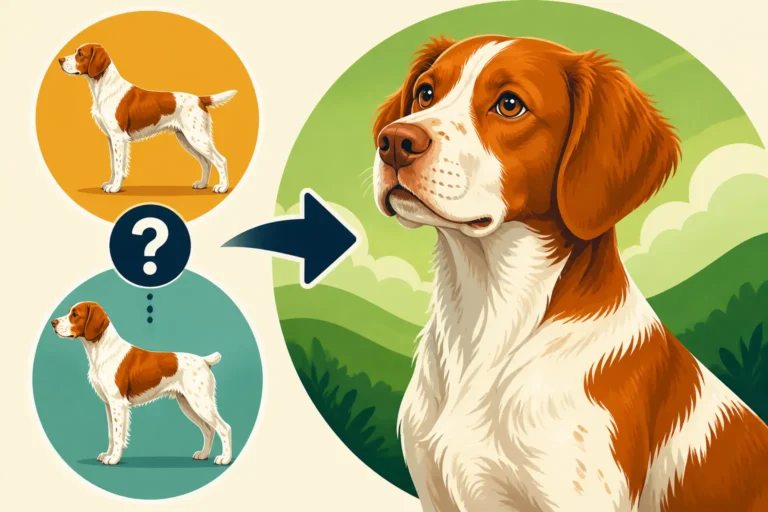
One of the most enduring mysteries and common points of confusion for new and even experienced Brittany owners revolves around the breed's very name: is it a spaniel or isn't it? Many people stumble into the world of Brittanys expecting a spaniel-like dog and are often surprised to find a distinct pointing breed with its own unique history and working style. This comprehensive guide will delve deep into the historical context, working definitions, and official decisions that have shaped the Brittany's identity, helping you understand exactly where this beloved gundog truly stands.
The Historical Roots of the Brittany's Name
The origin of the Brittany's name, especially the "spaniel" part, is a fascinating journey that takes us back to its roots in rural France. Understanding this history is key to unraveling the confusion that persists today.
The French Origin: "Epagneul Breton"
In its native France, the breed is known as the "Epagneul Breton." The term "Epagneul" is where the original confusion stems from, especially for English speakers. In French, "épagneul" broadly refers to a type of gundog that points or crouches when it locates game, a behavior that was historically associated with "spaniels" in England. It doesn't carry the same strict connotation of a flushing dog as the English "spaniel" does. Instead, it refers more to the working style of "lying down" or "crouching" on game, which was a common trait among many early pointing breeds before the advent of modern firearms.
The "Breton" part, of course, refers to Brittany, the beautiful northwestern region of France where the breed was developed. This rugged, wild landscape shaped the dogs' innate hunting abilities and their resilient nature. So, when French hunters spoke of their "Epagneul Breton," they were referring to a pointing dog from Brittany, not necessarily a flushing spaniel in the English sense. This linguistic nuance is crucial because the English translation directly led to its early classification and the enduring label that many still use today. What Epagneul Breton Means
Early English and American Interpretations
When these beautiful, birdy dogs made their way across the Channel to England and then across the Atlantic to America, the literal translation of "épagneul" into "spaniel" stuck. English-speaking hunters and kennel clubs, perhaps more familiar with their own spaniel breeds like the Cocker and Springer, naturally categorized the Brittany alongside them. For a long time, any smaller, high-energy gundog with a moderate coat and drop ears was often simply labeled a "spaniel" in common parlance. It was a convenient, if imprecise, way to describe a dog that didn't quite fit the mold of the larger, wider-ranging English Pointers or Setters.
This early interpretation meant that for decades, the breed was officially recognized as the "Brittany Spaniel" in North America. This was reflected in early kennel club registrations and popular literature. People genuinely believed they were acquiring a type of spaniel, which, while not entirely inaccurate in a very broad, historical European sense, started to cause issues when considering the dog's actual hunting methods. This historical naming has deeply ingrained itself, leading to many still referring to them as such, even after official changes have been made. Whether Spaniel Was Ever Officially Part of the Name
What Defines a Spaniel vs. a Pointer?
To truly understand why the question "Is the Brittany a spaniel?" causes so much debate, we need to look at the traditional definitions of these two distinct gundog categories. The differences aren't just semantic; they describe fundamentally different ways of hunting and interacting with game.
Traditional Spaniel Characteristics
Traditionally, spaniels are known for their flushing abilities. Picture a Springer Spaniel or a Cocker Spaniel quartering close to the hunter, eagerly plunging into thick cover, and bursting birds out into the open. Their job is to find game and flush it for the gun, often retrieving it afterwards. They typically work within a close range, staying connected with their handler, often in heavy brush where birds are hiding.
Physically, many spaniels have heavier, often wavy or curly coats, long, pendulous ears, and are generally compact and sturdy. Their build is designed for pushing through dense vegetation, and their temperament is often described as energetic, eager to please, and highly intelligent, albeit sometimes with a stubborn streak. They are often excellent retrievers, and their close-working style makes them popular with foot hunters in tight cover.
Traditional Pointer Characteristics
Pointers, on the other hand, have a very different modus operandi. Their name says it all: they point. A pointer's innate ability is to scent game, locate it, and then freeze, typically with an elevated head and tail, often with one foot raised, indicating the bird's precise location to the hunter. This allows the hunter to approach and flush the bird themselves, taking the shot once it's airborne. Pointers typically cover much more ground than spaniels, often ranging wide and fast, searching for scent cones in open fields or prairies.
Physically, pointers tend to be leaner, more athletic, and often leggier than spaniels, built for speed and endurance over vast distances. Their coats are generally shorter and sleeker, and while they also have drop ears, they might be set differently or be less heavily feathered. Breeds like the German Shorthaired Pointer or the English Pointer exemplify this style. Their focus is on finding and holding game, rather than flushing it.
The Brittany's Unique Working Style
This is where the Brittany truly shines and defies easy categorization. The Brittany is unequivocally a pointing breed. Its primary instinct, when it encounters bird scent, is to lock up on point, holding steady until the hunter arrives. This is not the flushing action of a spaniel. Its intense point is one of its most defining and celebrated traits, making it a joy to hunt over. The Brittany Points, It Does Not Flush
However, the Brittany also shares some characteristics with spaniels, particularly its size and its penchant for working closer than many of the larger pointer breeds. While an American Brittany might range out 100-200 yards or more, a French Brittany (Epagneul Breton) often works much tighter, perfectly suited for a walking hunter in more dense cover. This "closer-working pointer" style, combined with its compact size, has led many to affectionately continue to refer to them as "Brittany Spaniels" because they offer a blend of both worlds. They are truly versatile, often excelling at retrieving as well, making them a fantastic all-around gundog. How a French Brittany Differs From an American One
| Feature | Traditional Spaniel | Traditional Pointer | The Brittany |
|---|---|---|---|
| Primary Work | Flushes game for the gun | Points game, holds steady | Points game, holds steady |
| Range | Close-working, often within 30-50 yards | Wide-ranging, often 100s of yards | Versatile: closer than pointers, wider than most spaniels |
| Body Type | Compact, sturdy, often heavier coat | Lean, athletic, often shorter coat | Medium-sized, athletic, moderate feathering |
| Retrieving | Excellent, often natural | Good, but sometimes needs more training | Excellent, often natural and to hand |
| Ear Shape | Long, pendulous, heavily feathered | Drop ears, often less feathered | Drop ears, moderately feathered |
| Temperament | Eager, energetic, sometimes stubborn | Independent, driven, intelligent | Eager, intelligent, sensitive, high energy |
The AKC's Decision to Drop "Spaniel"
The enduring confusion surrounding the Brittany's classification eventually led to an official decision by the American Kennel Club (AKC) to set the record straight, at least within their registry.
The Rationale Behind the Name Change in 1982
In 1982, the AKC made the pivotal decision to officially drop "Spaniel" from the breed's name, henceforth recognizing it simply as the "Brittany." This change was not made lightly; it was the culmination of years of advocacy by breed enthusiasts, hunters, and breeders who felt the "spaniel" label was misleading. The primary rationale was simple: the Brittany is a pointing dog, not a flushing spaniel. Its working style, its instincts, and its purpose in the field aligned far more closely with traditional pointers.
The breed club, then known as the "Brittany Spaniel Club of America," also changed its name to the "American Brittany Club" to reflect this updated classification. The move aimed to clarify the breed's identity for the wider public, ensuring that prospective owners and hunters understood the dog's true nature as a versatile pointing gundog. It was a recognition of the breed's unique capabilities and its rightful place among the pointing breeds. When the AKC Dropped Spaniel From the Brittany's Name
How the Name Change Affected Perception
The AKC's name change certainly helped to redefine the Brittany's image in the United States, especially within the purebred dog community and among serious gundog enthusiasts. It provided a clearer understanding of what to expect from a Brittany in terms of its hunting style and natural abilities. For those unfamiliar with the breed, seeing "Brittany" listed alongside German Shorthaired Pointers and English Setters in the Sporting Group immediately conveyed its primary function.
However, old habits die hard! Despite the official change, many people, particularly those who grew up with the "Brittany Spaniel" designation, continue to use the longer name. You'll still hear it commonly in conversations at hunt tests, in online forums, and even from long-time breeders. It's a testament to how deeply ingrained the original name became. For many, it's a term of endearment, a nod to history, and a way to describe a dog that indeed shares some physical traits with spaniels, even if its working style is pure pointer. So, while officially a "Brittany," don't be surprised if you still hear the "spaniel" attached. Whether People Still Say Brittany Spaniel
The French Perspective: Still an "Epagneul"
Interestingly, while the American Kennel Club moved to distinguish the Brittany from spaniels, the breed's identity in its homeland, France, remained unchanged. There, it is still known as the "Epagneul Breton." This highlights the different linguistic and historical contexts that shaped the breed's perception on either side of the Atlantic. The French term "épagneul," as discussed earlier, has a broader meaning than the English "spaniel," encompassing dogs that point or crouch on game.
For the French, the "Epagneul Breton" is simply their pointing breed, unique to their region. They never felt the need to change the name because their definition of "épagneul" already included the pointing characteristic. This divergence in naming convention between the AKC and the FCI (Fédération Cynologique Internationale, the international canine organization that oversees breed standards globally, which the French Kennel Club adheres to) sometimes leads to further confusion for those navigating the world of international dog breeds. It's a wonderful reminder that culture and language profoundly influence how we classify and perceive our beloved canine companions. Why the AKC Changed the Brittany's Name
The Brittany: A Versatile Gundog Hybrid
The Brittany's blend of attributes truly makes it stand out in the gundog world. It’s a versatile breed, capable of many tasks, which is why it continues to be so popular with hunters.
Blurring the Lines: Why the Brittany Defies Easy Categorization
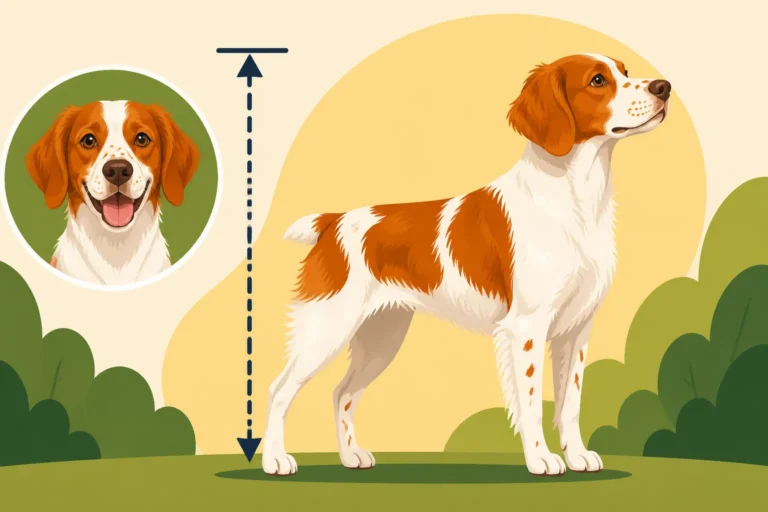
The Brittany truly blurs the lines between what many traditionally consider a "spaniel" and a "pointer." It possesses the eager, biddable personality often associated with spaniels, yet the focused, staunch pointing instinct of a pointer. Its medium size, typically between 30-40 pounds and 17.5-20.5 inches tall, places it larger than most Cockers but smaller than many English Setters or German Shorthaired Pointers. This makes it an ideal size for a foot hunter, easily fitting into a truck or kennel, yet large enough to handle varied cover and retrieve substantial game. What a Brittany Weighs and How Tall It Stands
Moreover, the Brittany’s coat, while not as heavy or long as some spaniels, does feature feathering on the legs, ears, and belly that can collect burrs and debris. This requires regular grooming, especially after a hunt, a task more commonly associated with spaniel care. You might find that picking out burrs with a good brush after a long day in the field feels very much like caring for a spaniel's coat. Tools for such tasks, from de-matting combs to performance shampoos, are readily available on pet supply sites like Chewy. This unique combination of physical traits and working instincts is precisely why the breed is celebrated for its versatility, but also why its categorization has been a source of discussion for so long.
The Impact on Breeding and Training
This versatile nature has profoundly impacted how Brittanys are bred and trained. Unlike some breeds where distinct show lines and field lines have diverged significantly, many Brittany breeders still strive to produce dogs that excel in both domains. The ideal Brittany is not just a beautiful dog, but a keen hunter with an excellent nose, staunch point, and a natural retrieve. This focus on dual-purpose ability means breeders prioritize health, temperament, and innate hunting talent. The Brittany Is the Smallest of the Versatile Pointing Breeds
For owners, training a Brittany often involves embracing both "pointer" and "retriever" elements. While their pointing instinct is usually strong and innate, polishing their retrieve, teaching steadiness to wing and shot, and ensuring a reliable recall in diverse terrain are crucial. Their sensitive nature means they respond best to positive reinforcement and consistent, gentle handling, similar to how one might approach a sensitive spaniel. However, their drive and intelligence demand engaging training sessions to keep them focused. This nuanced approach to training highlights their hybrid nature and is part of what makes them such rewarding partners in the field.
Why the Distinction Matters to Hunters
For serious upland bird hunters, understanding whether a dog points or flushes is paramount because it dictates hunting strategy. If you're hunting pheasants in tall grass or quail in briar patches, knowing your dog will lock up on point allows you to approach cautiously, prepare for the flush, and take an ethical shot. A flushing dog requires a different approach, often with the hunter staying closer and being ready for a quick shot once the bird takes flight.
The Brittany's pointing ability, combined with its biddable nature and retrieve, makes it incredibly valuable to foot hunters. They cover ground efficiently, find birds effectively, and indicate their presence with unwavering focus. This efficiency saves steps and conserves energy for the hunter. Knowing you have a pointing dog means you can trust it to do its job, rather than inadvertently flushing birds out of range. Furthermore, the Brittany's compact size and intense bird drive mean it can penetrate dense cover that might deter larger, wider-ranging pointers, making it an excellent choice for hunting diverse habitats. This distinction between flushing and pointing is not just an academic one; it directly impacts the success and enjoyment of every hunting trip.
Living with a Brittany: Beyond the "Spaniel" Label
Beyond the official names and historical debates, living with a Brittany provides the clearest answer to its true nature. These dogs are a joy, but they come with specific needs that differentiate them from many other breeds.
Temperament and Personality: Not Your Average Spaniel
If you're expecting a couch potato, you'll be in for a surprise. While incredibly affectionate and devoted to their families, Brittanys are far from docile lapdogs. They possess a high-octane energy level, an insatiable curiosity, and a keen intelligence that demands constant engagement. They are often described as "velcro dogs" because they love to be with their people, following you from room to room, always wanting to be part of the action. This can be misinterpreted as clinginess, but it's really a deep desire for companionship and engagement.
Compared to many spaniels, Brittanys tend to be more independent thinkers in the field, driven by their bird instinct, but still incredibly responsive to their handler's cues. They are sensitive dogs who thrive on positive reinforcement and can shut down if handled too harshly. Their eagerness to please, combined with their intelligence, makes them highly trainable, but their energetic nature means they need direction and purpose. Understanding their true temperament is crucial for a harmonious home life. What a Brittany's Temperament Is Really Like
Exercise Needs and Home Life
This is perhaps the biggest differentiator from what many might expect from a "spaniel-sized" dog. Brittanys are athletes, bred for endurance and speed in the field. They require a significant amount of daily exercise to be happy and well-adjusted companions. We're talking multiple hours of vigorous activity, not just a stroll around the block. Think long runs, intense games of fetch, swimming, or dedicated bird training sessions. If they don't get this outlet, their boundless energy will find other, often destructive, ways to express itself.
An under-exercised Brittany can quickly turn into a household terror. They might chew furniture, dig up your yard, bark excessively, or develop separation anxiety. This isn't out of malice, but pure boredom and pent-up energy. They need a job, whether it's hunting, agility, or just being your running partner. Before bringing a Brittany home, seriously assess your lifestyle to ensure you can meet these formidable exercise requirements. Investing in durable chew toys or puzzle feeders, available on platforms like Chewy, can help channel some of that mental energy indoors, but nothing replaces physical exertion. What an Under Exercised Brittany Does at Home
Grooming and Care Considerations
While often described as "low maintenance" compared to some other long-haired gundogs, a Brittany's coat still requires attention, especially if your dog spends time in the field. Their moderate feathering on the legs, belly, and ears is prone to collecting burrs, foxtails, and other debris from cover. Regular brushing, at least a few times a week, is essential to prevent mats and keep their skin healthy. After every outing, a thorough check for foreign objects and minor scrapes is a must.
Their drop ears, while not as heavy as some spaniels, can also be prone to infections if not kept clean and dry, particularly if they are swimming or working in damp conditions. Learning how to properly clean and inspect their ears is a vital part of their care. You'll find yourself needing a good slicker brush, a comb for their feathering, and possibly some ear cleaner, all of which are staples on pet supply sites like Chewy. Overall, their care routine is practical and geared towards a dog that lives an active, outdoor life, distinguishing them from breeds bred purely for companionship or extreme coat length. A Brittany's Coat Is Low Maintenance Until It Hits Cover
Disclaimer
This article is for general informational purposes only and does not constitute professional advice. Laws, prices and regulations vary by location and change over time. Consult a qualified professional for guidance on your specific situation.