What Epagneul Breton Means
If you're delving into the world of Brittany Spaniels, you've probably stumbled across the term "Epagneul Breton" and felt a moment of confusion. Is it a different breed? Is it just a fancy way of saying Brittany? It's a common point of bewilderment for many new and even seasoned enthusiasts, and understanding this term is key to appreciating the rich history and distinct qualities of our beloved orange-and-white (or liver-and-white!) companions. This guide will unravel the meaning behind "Epagneul Breton," explain its connection to the Brittany Spaniel, and illuminate why these subtle distinctions are so important to the breed's legacy and future.
The Direct Translation and Historical Roots of "Epagneul Breton"
Let's break down "Epagneul Breton" into its two core components, because each part tells a crucial story about the breed's origins and true nature. It's not just a foreign-sounding name; it's a window into centuries of dedicated breeding in a specific corner of the world.
Unpacking "Epagneul": The Pointer, Not the Spaniel
The first part, "Epagneul," is where much of the confusion often lies. In French, "épagneul" broadly refers to a type of pointing dog. It's a term that was historically applied to dogs that were bred to point game birds, holding still to indicate the bird's location to the hunter. This is a crucial distinction. When you hear "spaniel" in English, you typically think of dogs like Cocker Spaniels or Springer Spaniels, breeds known for flushing game – bursting into cover to make the bird take flight. Our Brittany, despite carrying the "Spaniel" moniker for a long time in America, was always and fundamentally an épagneul – a pointer.
This historical naming often baffles new owners. They bring home a Brittany puppy, expecting a flushing dog, only to find a natural-born pointer. It's a delightful surprise for many, but it can also lead to confusion if expectations aren't set correctly. The root of the word "épagneul" itself is often linked to "s'éparer," an Old French verb meaning to spread out or lie flat, possibly referring to how these early pointing dogs would crouch or "set" when they found game. So, from its very linguistic foundation, the "Epagneul" was destined to be a pointer, not a flusher. The Brittany Points, It Does Not Flush dives deeper into this characteristic.
"Breton": The Heart of Brittany, France
The second part of the name, "Breton," simply refers to the breed's geographical origin: the historic region of Brittany (Bretagne in French), located in the northwest corner of France. This region, known for its rugged coastlines, ancient forests, and rich Celtic heritage, is the true birthplace of our beloved breed. Imagine the rolling hills, the dense hedgerows, and the abundant game birds that filled the landscape centuries ago – this was the environment that shaped the Epagneul Breton.
The breed wasn't developed in some grand kennel with meticulous records from day one. Instead, it emerged from the working dogs of local peasants and poachers who needed a versatile, hardy companion to help put food on the table. These were dogs that could efficiently find and point game, retrieve downed birds, and do it all day without demanding too much in terms of upkeep. They had to be intelligent, biddable, and tough enough to handle the varied terrain and weather of Brittany. The local hunters carefully bred dogs that excelled at these tasks, inadvertently creating the foundation for the Epagneul Breton we know today. Understanding this context helps us appreciate why they are such adaptable and resilient hunting partners. If you're curious about the breed's precise origins, take a look at Where the Brittany Comes From.
The Brittany Spaniel: An Americanized Name for a French Breed
When the Epagneul Breton made its way across the Atlantic, it underwent a bit of a rebranding. This wasn't out of malice, but rather a combination of linguistic interpretation and a desire to fit the breed into existing American sporting dog categories.
The Early Days in America and the "Spaniel" Tag
The Epagneul Breton first arrived in North America in the early 20th century. As often happens with foreign breeds, the early American fanciers and hunters who encountered these magnificent dogs tried to categorize them using familiar terms. In English, "spaniel" was a well-known term for bird dogs, and perhaps due to their size, build, and sometimes even their soft expressions, the Epagneuls were lumped into this category. It's easy to see how the mistake happened, especially if you weren't deeply familiar with the specific nuances of French hunting dog terminology.
When the breed was officially recognized by the American Kennel Club (AKC) in 1934, it was under the name "Brittany Spaniel." This name quickly became entrenched in the American sporting dog lexicon. For decades, hunters, breeders, and pet owners alike referred to them as Brittany Spaniels. It wasn't entirely inaccurate in a general sense, as they were indeed a sporting breed, but it misrepresented their primary hunting function. Many people, even now, still affectionately use the full "Brittany Spaniel" name, often out of habit or tradition, and it's a perfectly understandable shorthand for our beloved dogs. You can find more on this historical tidbit in When the AKC Recognized the Brittany.
The Official Name Change: Dropping the "Spaniel"
However, as more American enthusiasts became educated about the breed's true pointing heritage and as the breed gained popularity, there was a growing movement to correct the misnomer. The "spaniel" tag simply didn't accurately describe the Brittany's fundamental hunting style. Unlike a Springer, which flushes birds, the Brittany points with intensity and grace. Breeders and purists argued that the name should reflect this core characteristic.
Finally, in 1982, after much discussion and debate, the American Kennel Club officially dropped "Spaniel" from the breed's name, henceforth recognizing it simply as the "Brittany." This change was a significant victory for breed enthusiasts who wanted the name to align with the dog's true pointing nature, emphasizing its role as a versatile gun dog rather than a flushing spaniel. It wasn't just a semantic shift; it was a reassertion of the breed's identity as a true pointer, a recognition that its heritage and skills were distinct. This evolution is explored further in When the AKC Dropped Spaniel From the Brittany's Name. The shift helped cement the Brittany's place among the pointing breeds and clarified its role for new owners looking for a specific type of hunting companion.
Why the Name Matters: Distinctions Between the American Brittany and Epagneul Breton
While both are essentially the same breed at heart, the divergence in naming and, more importantly, in breeding goals over the decades has led to subtle yet significant differences between what we typically call an "American Brittany" and a "true" "Epagneul Breton" (often associated with dogs bred under the French standard or by clubs dedicated to preserving that lineage).
Different Standards, Different Paths
The primary reason for these distinctions lies in the breed standards set by different kennel clubs and national organizations. In the United States, the AKC Brittany standard has guided breeding decisions for generations, while in France and other parts of Europe, the standard upheld by clubs like the French Brittany Club (Club de l'Épagneul Breton) and the Fédération Cynologique Internationale (FCI) has shaped the "Epagneul Breton." Over time, even subtle differences in these written standards, combined with different preferences among breeders and hunters, have led to two slightly distinct "types" of Brittanys.
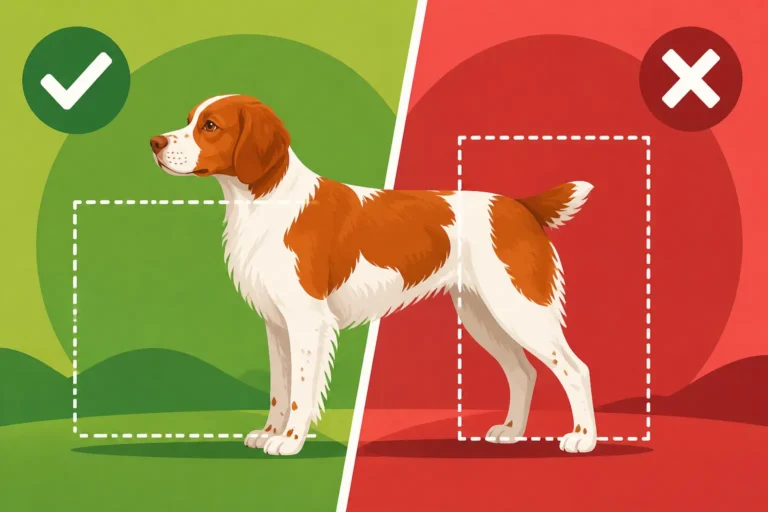
For example, the French standard generally favors a more compact dog, often slightly smaller and with a more "cobby" build, sometimes with a slightly shorter muzzle. While both are agile, the emphasis on conformation points can vary. One of the most visible differences often cited is color: while orange and white or liver and white are standard for both, the French standard also permits black and white, and even tricolor (black, white, and orange/tan points), which is not accepted by the AKC. This is a common point of discussion, especially when people consider importing a dog or researching lineages. It's a testament to how specific cultural preferences can shape a breed's appearance over time. You might be interested in How a French Brittany Differs From an American One for more details.
Hunting Styles and Temperament Nuances
Beyond physical appearance, these different breeding paths have also subtly influenced hunting styles and even temperament. American Brittanys, particularly those bred for field trials and wider open spaces, are often known for their expansive range. They are bred to cover a lot of ground quickly, making them ideal for hunters on horseback or those who prefer a dog that really reaches out to find birds in vast areas. Their desire to run big and boldly explore is a hallmark of many American lines.
The Epagneul Breton, true to its French heritage, is generally known for a closer working style. These dogs are typically bred for the foot hunter, someone who prefers to walk and have their dog stay within a more manageable range. They are still incredibly enthusiastic and driven, but their pattern might be tighter, often described as "hunting for the gun." This isn't to say one is better than the other; it's simply a reflection of differing hunting traditions and environments. Both are highly intelligent and possess that characteristic Brittany biddability, but the emphasis on range can be a noticeable difference for hunters.
It's also worth noting that while all Brittanys are renowned for their sensitive nature, some might argue that certain European lines maintain a slightly more intense, perhaps even more "serious" hunting demeanor, while many American lines have been bred for a more exuberant, family-friendly disposition alongside their field prowess. This isn't a hard and fast rule, as individual dogs vary wildly, but it's a common observation among those who work with both lines. The breed's inherent sensitivity means harsh corrections are never the answer, regardless of lineage; What Happens When You Shout at a Brittany covers this in detail.
Navigating the Terminology: What to Expect When You Hear "Epagneul Breton"
For potential owners or those simply curious, encountering the term "Epagneul Breton" can be a little confusing. It's not just a linguistic curiosity; it has practical implications for finding a dog, understanding its lineage, and even how you might train or care for it.
Finding a True Epagneul Breton in North America
If you're in North America and you specifically hear someone refer to their dog as an "Epagneul Breton," they are likely emphasizing that their dog adheres more closely to the French standard and working style. This often means they've either imported their dog from Europe or sought out breeders who are specifically dedicated to preserving the French type. There are clubs, such as the Club de l'Epagneul Breton de l'Amérique du Nord (CEB-US), that are specifically focused on promoting and maintaining the original French standard for the breed within the American context.
Finding a breeder who focuses on the "Epagneul Breton" type might require a bit more research. You'll want to ask about their breeding philosophy, the lineage of their dogs, and whether they adhere to the French standard. They'll often be able to show you registration papers from French or international kennel clubs in addition to, or instead of, AKC papers. These breeders typically prioritize certain traits like closer working range, specific conformational aspects, and sometimes even the inclusion of colors (like black) that aren't recognized by the AKC. It's a niche, but a passionate one, and these dogs often have a dedicated following among foot hunters. Exploring What CEB US Is to Brittany Owners can give you further insight.
Practical Implications for Owners
For an owner, understanding the "Epagneul Breton" distinction can inform your expectations and decisions. If you're a walking hunter, someone who prefers to hunt smaller covers or doesn't want their dog ranging out hundreds of yards, a dog from Epagneul Breton lines might be a more natural fit for your hunting style. While training can certainly influence range, starting with a dog predisposed to closer work can make the process smoother. The Whether a French Brittany Suits a Walking Hunter internal link offers a detailed discussion.
When it comes to daily life and care, the differences are less pronounced but still present. Whether you have an American Brittany or an Epagneul Breton, they are both energetic dogs that thrive on exercise and mental stimulation. You'll still need quality food, regular vet check-ups, and plenty of opportunities to run and explore. Shopping for supplies, you'll find that brands like Chewy offer a wide range of products suitable for either type, from performance dog food for active hunters to durable toys that can stand up to a Brittany's enthusiasm. However, if you have a dog with black in its coat, and you're planning on showing it under AKC rules, you'd find a different path than if you were showing under FCI rules. Ultimately, both types of Brittanys require owners who are committed to providing them with an active lifestyle and plenty of love. Chewy, for example, has excellent options for high-energy breed food that would benefit any Brittany.
The Ongoing Legacy: Preserving the Epagneul Breton Identity
The story of the Epagneul Breton is one of heritage, adaptation, and unwavering dedication by breeders and enthusiasts on both sides of the Atlantic. It's a reminder that a breed's name is more than just a label; it's a reflection of its history, purpose, and the cultural values that shaped it.
The French Standard as a Guiding Light
For many who champion the "Epagneul Breton" name, the original French standard remains the guiding light. This standard, developed by the French Brittany Club, outlines the ideal physical characteristics and working traits that define the breed in its homeland. It emphasizes qualities that have been prized for centuries in the fields of Brittany – not just a beautiful point, but endurance, intelligence, and a deep partnership with the hunter. Breeders who adhere to this standard often participate in French field trials or specific testing programs designed to evaluate a dog's natural hunting abilities against these traditional criteria.
This commitment helps ensure that the original essence of the Epagneul Breton is not lost, even as the breed gains international popularity. It's a continuous effort to maintain the genetic lines and working instincts that made the breed so successful in the first place. For owners interested in exploring this lineage, understanding the French standard offers valuable insight into what makes an Epagneul Breton distinct. It's about recognizing the subtle nuances that contribute to the breed's overall character and performance. What a Brittany Spaniel Breeder Should Have Tested provides excellent guidance on health and genetic screenings relevant to any Brittany.
Celebrating a Rich Hunting Heritage
Ultimately, whether you call your dog a Brittany or an Epagneul Breton, you are celebrating a breed with an incredibly rich hunting heritage. These dogs are natural artists in the field, renowned for their enthusiasm, their keen noses, and their staunch points. They embody the spirit of the versatile gun dog – capable of finding, pointing, and retrieving game with equal aplomb. The fact that the Brittany holds the record for the most Dual Champions (dogs that have achieved both a show championship and a field trial championship) is a powerful testament to this versatility and the breed's enduring ability to excel in both conformation and performance. You can read more about this remarkable achievement in The Brittany Holds the Dual Champion Record.
The name "Epagneul Breton" serves as a beautiful reminder of where it all began, a nod to the dedicated hunters and breeders in France who crafted this remarkable companion. It speaks to a legacy of working dogs that were bred not just for sport, but as vital partners in the pursuit of game. And when you're stocking up on essentials for your dynamic hunter, whether it's specialized training treats or a comfortable dog bed for post-hunt recovery, remember that Chewy provides excellent options to support their active lifestyle, no matter which side of the Atlantic their lineage primarily hails from. The dedication to preserving this heritage means that future generations of hunters and families will continue to enjoy the companionship of these extraordinary dogs, in all their forms.
Disclaimer
This article is for general informational purposes only and does not constitute professional advice. Laws, prices and regulations vary by location and change over time. Consult a qualified professional for guidance on your specific situation.