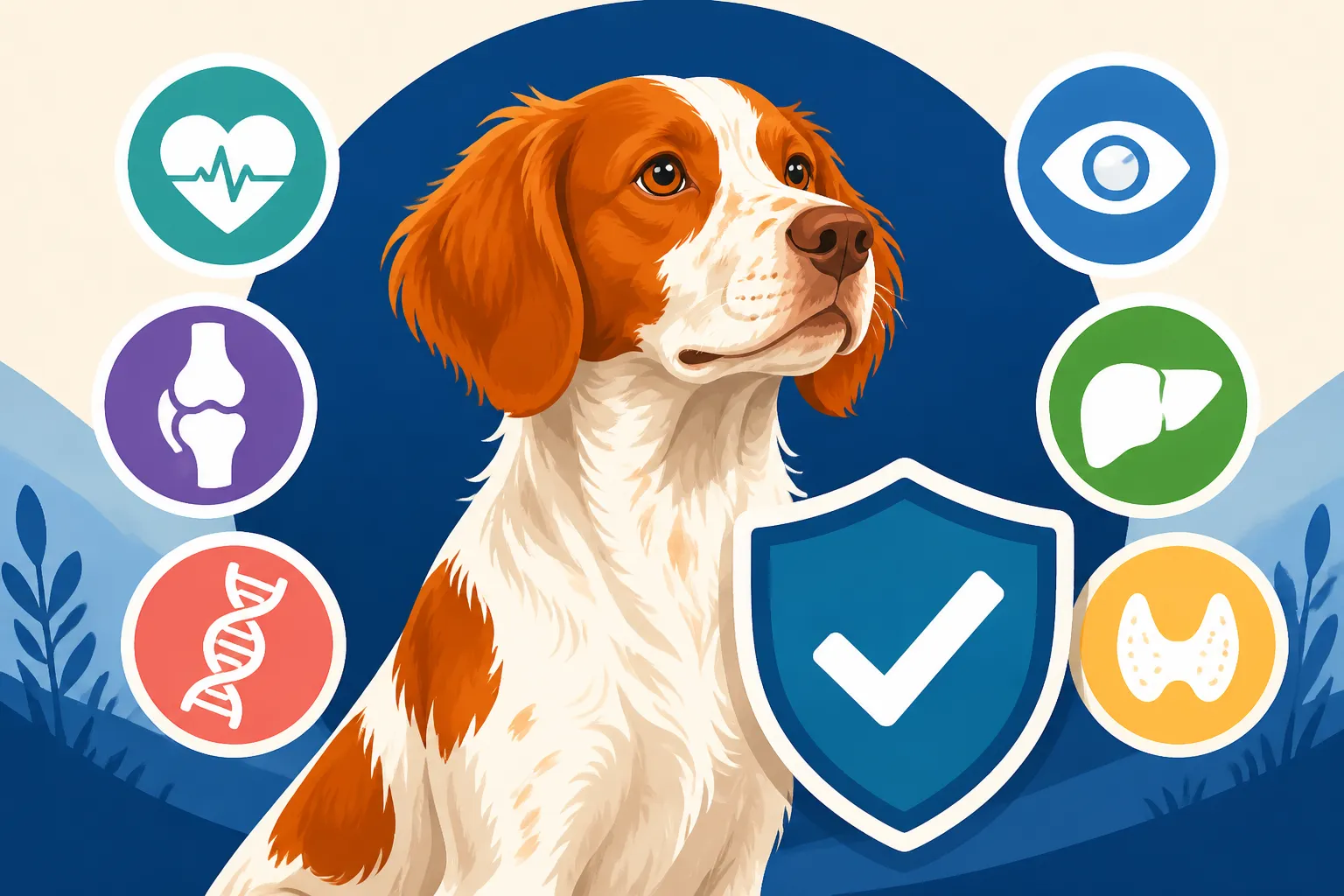
What a Brittany Spaniel Breeder Should Have Tested
It's absolutely heartbreaking to bring home a new puppy, full of dreams and excitement, only to find yourself facing a whirlwind of veterinary appointments, expensive treatments, and the emotional toll of a sick dog. Many preventable health issues can cast a dark shadow over what should be a joyful new chapter. This guide is here to shed light on precisely what a responsible Brittany Spaniel breeder should have tested in their breeding dogs, ensuring you're empowered to choose a puppy with the best possible start in life and minimize the risk of hereditary diseases.
Why Comprehensive Health Testing is Non-Negotiable for Brittany Breeders
When you're looking for a Brittany puppy, you're not just looking for a cute face; you're looking for a lifetime companion, a hunting partner, and a healthy family member. The health of your future dog starts long before it's even conceived, with the careful, ethical decisions made by its breeder.
The Ethical Imperative of Responsible Breeding
Responsible breeding goes far beyond simply putting two dogs together and producing puppies. It's a profound ethical commitment to the future of the breed and to the individual lives of the dogs produced. Every single puppy born is a direct reflection of the choices made by the breeder. Genetic diseases, sadly, are a reality in purebred dogs, and they can be passed down silently through generations. A dog might look perfectly healthy, but still carry genes for debilitating conditions that it could pass on to its offspring. This is why simply stating, "My dogs have never been sick," isn't enough; it demonstrates a fundamental misunderstanding of genetics.
When preventable diseases emerge, the impact on families is devastating. Imagine spending thousands on veterinary care, watching your beloved companion suffer, or having to make the impossible decision to say goodbye far too soon. These are burdens no owner should have to face due to a breeder's negligence. By carefully screening their breeding stock, a good breeder minimizes the chances of passing on these inherited health problems, striving to produce puppies that are not only sound in body but also in temperament. This diligent approach helps preserve the Brittany's reputation as a generally robust and enduring sporting dog, contributing to why The Brittany Is One of the Healthiest Sporting Breeds.
Distinguishing Between Good and Bad Breeding Practices
It can be tough to tell the difference between a genuinely responsible breeder and someone who might cut corners, especially when everyone sounds friendly and passionate about their dogs. However, there are clear indicators. A red flag should immediately go up if a breeder offers vague assurances like, "Our dogs are healthy, they never get sick!" or "The vet said they look fine." These statements are simply insufficient. Health testing isn't about guesswork; it's about verifiable, documented results from recognized veterinary specialists and genetic laboratories.
A truly responsible breeder will be transparent. They'll openly discuss the health concerns relevant to the Brittany breed, even the rare ones. They will provide you with physical copies or links to public databases (like the Orthopedic Foundation for Animals, or OFA) for all their breeding dogs' health certifications. They'll be able to explain why they chose a particular pairing based on these test results, demonstrating a deep understanding of canine genetics and a commitment to improving the breed. This includes knowing the costs involved; a good breeder accepts that expenses like What a Brittany's Hip Radiographs Cost, What a Brittany's Yearly Eye Certification Costs, and What the Brittany C3 DNA Test Costs are a necessary investment in their dogs' future. This level of transparency and documentation is paramount and should be a non-negotiable expectation for any prospective puppy buyer.
Orthopedic Health: Hips and Elbows
For an active, energetic breed like the Brittany, sound orthopedic health is absolutely paramount. These dogs are built for movement, for traversing varied terrain in search of birds, and for a lifetime of adventure with their families. Hip and elbow dysplasia are two of the most significant orthopedic concerns in many breeds, and thorough screening for both is essential.
Screening for Hip Dysplasia
Hip dysplasia is a malformation of the hip joint, where the ball (femoral head) doesn't fit snugly into the socket (acetabulum). Instead of a smooth, fluid motion, there's looseness, grinding, and wear and tear. Over time, this leads to painful arthritis, lameness, and significantly reduced quality of life. For a Brittany, a dog bred to run and hunt for hours, this condition can be truly debilitating. It's a complex condition influenced by both genetics and environmental factors, but selecting breeding stock with excellent hip health is a critical step in prevention.
The Orthopedic Foundation for Animals (OFA) is considered the gold standard for hip evaluations in the United States. The process involves taking specific X-rays of the dog's hips while under sedation, ensuring proper positioning. These X-rays are then submitted to OFA, where three independent, board-certified veterinary radiologists review them and assign a grade: Excellent, Good, Fair (all considered passing grades for breeding), Borderline, Mild, Moderate, or Severe (the latter three indicating dysplasia). A breeder should only be breeding dogs with passing OFA hip scores. For a deeper dive into the historical impact of these screenings, check out What Hip Screening Did for the Brittany Spaniel.
An alternative or complementary screening method is PennHIP. Developed by the University of Pennsylvania, PennHIP focuses on measuring hip laxity, or looseness, which is a primary indicator of a dog's susceptibility to hip dysplasia. Unlike OFA, which requires dogs to be 24 months for final certification, PennHIP can be performed as early as 16 weeks of age, offering breeders valuable information much sooner. It provides a distraction index (DI) score, which indicates how loose the hips are, and compares that score to other dogs within the same breed. While both tests have their merits, a breeder committed to orthopedic health will either have final OFA certifications at two years of age or utilize PennHIP, which can predict future hip health with greater accuracy, even from a young age. Understanding What PennHIP Tells a Brittany Owner can provide even more context on this screening option.
It's crucial that breeders wait until their dogs are at least two years old for final OFA hip certification. While preliminary evaluations can be done earlier, a dog's skeletal development isn't complete until around this age. Breeding a dog before its hips are fully mature and certified carries a significant risk. For the health and longevity of the breed, selecting dogs with certified sound hips is one of the most important decisions a breeder makes. The prevalence of hip dysplasia in Brittanys, while decreasing due to responsible breeding, still makes this a vital screening. Knowing How Common Hip Dysplasia Is in Brittany Spaniels further underlines its importance.
Addressing Elbow Dysplasia
Often overshadowed by the attention given to hips, elbow dysplasia is another significant orthopedic concern that every Brittany breeder should be proactively addressing. Elbow dysplasia isn't a single condition but rather a collective term for several developmental abnormalities that can occur in the elbow joint during a dog's growth. These can include fragmented coronoid process (FCP), ununited anconeal process (UAP), osteochondrosis (OCD), or an incongruity of the joint. Regardless of the specific manifestation, the result is usually pain, lameness, and the inevitable development of debilitating arthritis. For a Brittany, whose life involves dynamic movements, jumping, and retrieving, compromised elbow function can severely limit its ability to perform and enjoy life.
Similar to hip evaluations, OFA also offers elbow evaluations. These involve taking specific radiographic views of the elbow joints, which are then submitted to OFA for review by board-certified veterinary radiologists. The elbows are graded as Normal, or with varying degrees of dysplasia (Grade I, II, or III). For breeding purposes, only dogs receiving a "Normal" grade should be considered. Any indication of elbow dysplasia, even a mild one, means the dog should be removed from a breeding program to avoid passing on the predisposition.
The importance of screening for both hips and elbows cannot be overstated. A dog might have perfect hips but problematic elbows, or vice versa. Both conditions can profoundly impact a Brittany's overall quality of life and athletic potential. While a puppy might not show obvious signs of lameness from elbow dysplasia, the underlying genetic predisposition is there, and the condition often progresses with age and activity. Responsible breeders understand this and invest in thorough, documented screening for both joints, ensuring they are doing everything possible to produce structurally sound puppies ready for a full, active life in the field and at home.
Safeguarding Vision: Eye Health Screenings
Our Brittanys rely heavily on their keen eyesight, not just for navigating the world, but especially for their work in the field. Tracking birds, navigating dense cover, and marking falls all require excellent vision. Therefore, proper eye health screening for breeding dogs is a critical responsibility of any ethical breeder.
Annual Eye Examinations with OFA Eye Certification
Regular, comprehensive eye exams are absolutely crucial for Brittanys. Dogs can suffer from a variety of inherited eye conditions that might not be immediately obvious, especially in a young dog. These can include conditions like progressive retinal atrophy (PRA), where the retina slowly degenerates, leading to blindness; retinal dysplasia, an abnormal development of the retina; cataracts, which are opacities on the lens of the eye that impair vision; and glaucoma, a painful condition characterized by increased pressure within the eye. While some of these might not be common, their impact can be devastating.
The standard for eye health certification is an examination performed by a board-certified veterinary ophthalmologist. These specialists conduct a thorough ocular examination, often with dilated pupils, to inspect all parts of the eye for signs of inherited disease. The results of this examination are then submitted to the OFA Eye registry (formerly known as CERF, the Canine Eye Registration Foundation). A "clear" certificate means that at the time of the examination, no signs of inherited eye disease were detected. However, it's vital to understand that this certificate is only valid for one year.
This annual re-examination is incredibly important because some eye conditions, like certain types of cataracts or late-onset PRA, can develop later in a dog's life. A dog that was clear at two years old might develop a condition at four or five. Therefore, responsible breeders are not just testing their breeding dogs once; they are certifying their dogs' eyes annually, throughout their breeding career. This ongoing commitment ensures that the most up-to-date information is available to mitigate the risks of passing on these potentially blinding conditions. This continuous screening is why a good breeder understands Whether a Brittany Needs a Yearly Eye Exam.
Understanding Breed-Specific Eye Conditions
While many eye conditions can affect any dog, some breeds have particular predispositions. For Brittanys, breeders should be especially vigilant for any signs of retinal dysplasia. This condition involves abnormal development of the retina, which can manifest in various forms, from small, harmless folds to more severe geographical or even detached retinas, leading to significant vision impairment or blindness. While not a widespread issue, its potential impact means it should be part of a breeder's awareness.
Beyond physical examinations, the landscape of canine health is rapidly evolving with genetic testing. As DNA tests become available for specific inherited eye conditions, they serve as invaluable tools that complement the physical eye exams. For instance, if a specific genetic marker for a form of PRA were identified in Brittanys, a DNA test could identify carriers even before symptoms appear. This allows breeders to make even more informed decisions, potentially avoiding carrier-to-carrier breedings that could produce affected puppies. While genetic tests are still developing for many eye conditions, a breeder stays current with the science and incorporates any new, relevant screenings into their program to further safeguard the vision of their future generations.
Immune System Health: C3 Deficiency
Beyond structural and ocular health, a truly comprehensive breeding program must delve into the less visible, but equally critical, aspects of a dog's internal health, such as their immune system. For Brittanys, there's a specific, inherited immune system disorder that every breeder must be aware of and test for: C3 Deficiency.
What is C3 Deficiency and Why it Matters for Brittanys
C3 Deficiency is a rare but severe inherited disorder that is unique to the Brittany breed. To understand its impact, we need a quick look at the immune system. C3 is a vital protein that plays a central role in the complement system, which is a part of the innate immune system. Essentially, the complement system acts as a frontline defense, helping the body recognize and destroy pathogens like bacteria. Without sufficient C3, the dog's ability to mount an effective immune response against bacterial infections is severely compromised. This means that dogs affected by C3 Deficiency are highly susceptible to severe, recurrent, and often life-threatening bacterial infections. This makes C3 Deficiency Is the Brittany's Own Genetic Disease a critical topic for breeders.
The consequences for an affected dog are profound and heartbreaking. These dogs often present with chronic or recurrent infections, which can affect various organs throughout their body. Common issues include respiratory infections (pneumonia), skin infections, joint infections, and, notably, kidney disease, which can unfortunately be a common cause of death for affected individuals. These infections can be difficult to treat and often recur, leading to a diminished quality of life and a tragically shortened lifespan. Imagine a puppy that simply cannot shake off routine infections, constantly battling illness – that's the reality for an affected C3 Deficient Brittany.
C3 Deficiency is inherited as an autosomal recessive trait. This means that a dog needs to inherit two copies of the defective gene (one from each parent) to be affected by the disease. Dogs that inherit only one copy of the defective gene are considered "carriers." Carriers are perfectly healthy themselves; they do not show any signs of the disease because their one functional gene is enough to produce sufficient C3 protein. However, when two carriers are bred together, there's a 25% chance with each puppy that it will inherit two copies of the defective gene and be affected, a 50% chance it will be a carrier, and a 25% chance it will be clear (inheriting two normal genes). This recessive inheritance pattern is precisely why breeders cannot rely on simply "seeing" healthy parents; genetic testing is the only way to identify carriers.
DNA Testing for C3 Deficiency
Thankfully, scientific advancements have provided a clear solution: a specific DNA test exists for C3 Deficiency in Brittanys. This test is a game-changer because it accurately identifies whether a dog is Clear (has two normal genes), a Carrier (has one normal and one defective gene), or Affected (has two defective genes). This means there is absolutely no excuse for a responsible Brittany breeder not to test their breeding stock. The existence and utility of this test are detailed in resources like Whether a DNA Test for Brittany C3 Deficiency Exists.
Why is every breeding Brittany absolutely required to be tested? Because without it, a breeder might unknowingly breed two carriers, producing affected puppies who will suffer from chronic illness. The DNA test provides the critical information needed to make informed breeding decisions. Responsible breeders will use these results to plan their pairings carefully, ensuring that they never breed two carriers together. Ideally, a breeder would strive to breed clear dogs to clear dogs, or clear dogs to carrier dogs. If a carrier dog is used in a breeding program (perhaps because it possesses exceptional qualities otherwise), it must only be bred to a clear dog. This ensures that no affected puppies are produced, and at worst, only healthy carriers result.
The goal of this comprehensive testing and selective breeding is not necessarily to eliminate carriers entirely from the gene pool overnight, but to eliminate the production of affected dogs. Over time, with consistent, informed breeding practices, the frequency of the C3 Deficiency gene within the Brittany population can be significantly reduced, leading to healthier generations. For any prospective puppy buyer, demanding proof of C3 Deficiency testing for both parents is a non-negotiable step in selecting a healthy Brittany puppy.
Thyroid and Other Important Health Screens
While hips, elbows, and C3 deficiency often take center stage in Brittany health discussions, a truly comprehensive breeding program considers a wider range of potential health concerns. The thyroid gland, in particular, plays a crucial role in a dog's metabolism and overall well-being, and other conditions, while less common, still warrant attention.
Screening for Hypothyroidism
Hypothyroidism, or an underactive thyroid gland, is a condition where the thyroid gland doesn't produce enough thyroid hormones. These hormones are essential for regulating metabolism, and a deficiency can lead to a wide array of symptoms that can significantly impact a dog's health and quality of life. The symptoms can be quite varied and sometimes subtle, making diagnosis tricky without specific testing. Common signs include lethargy, weight gain despite no change in diet, a dull or thinning coat, dry or flaky skin, hair loss, cold intolerance, and even behavioral changes such as increased anxiety or aggression.
Testing for hypothyroidism involves a blood panel that measures various thyroid hormone levels, including T3, T4, and TSH (thyroid-stimulating hormone). The Orthopedic Foundation for Animals (OFA) also maintains a thyroid registry, allowing breeders to submit results for public record. It's important that these tests are performed by a reputable veterinary laboratory, and often, repeat testing or specialist consultation may be recommended if results are ambiguous.
For breeders, screening for hypothyroidism is important because the condition can have a genetic component, meaning it can be inherited. Breeding dogs with diagnosed hypothyroidism or those with a strong family history of the condition without careful consideration can perpetuate the problem in future generations. Furthermore, an untreated hypothyroid dog can experience compromised overall health, and in some cases, it can even affect reproductive success. By screening their breeding stock, breeders are not only ensuring the health of the parents but also working to reduce the incidence of this condition in puppies, leading to healthier and more robust Brittanys. Knowing Signs a Brittany's Thyroid Is Low can help owners recognize potential issues early.
Considering Other Relevant Screenings
While hips, elbows, eyes, and C3 are primary concerns, a dedicated breeder will also consider other health aspects to ensure the broadest possible health assessment.
One such consideration is Patellar Luxation. This condition involves the kneecap (patella) slipping out of its groove in the femur. While more commonly associated with smaller breeds, it can occur in active medium-sized dogs like Brittanys, potentially causing lameness, pain, and predisposing the joint to arthritis. Patellar luxation is typically diagnosed through a physical examination, where a veterinarian manually assesses the kneecap's stability. OFA also offers a patella certification, where a veterinarian grades the stability of the kneecaps. Dogs used for breeding should have normal patella evaluations.
Another important, though often overlooked, screening is a Cardiac Evaluation. This typically involves a general cardiac exam performed by a veterinary cardiologist, listening for heart murmurs or other signs of congenital heart defects. While Brittanys are not particularly prone to severe congenital heart disease, a basic cardiac screening before breeding is a responsible practice to catch any unforeseen issues. These evaluations can identify conditions that might otherwise go unnoticed until they become more severe, affecting a dog's ability to thrive.
Finally, Epilepsy is a condition that warrants discussion. Canine epilepsy is a neurological disorder characterized by recurrent seizures. While there isn't a single definitive DNA test that covers all forms of epilepsy, especially idiopathic epilepsy (where no underlying cause is found), responsible breeders are transparent about the occurrence of seizures in their lines. They meticulously track any instances of epilepsy in their breeding dogs' pedigrees, including siblings and offspring, and use this information to make informed breeding decisions. It's about being aware of the potential for the condition and striving to avoid pairings that might increase its prevalence. For more information, you can explore resources like Epilepsy in a Brittany Spaniel. A breeder's honesty about known issues in their lines, even those without a definitive genetic test, is a hallmark of integrity.
The Long-Term Commitment: Beyond Initial Tests
The journey of responsible breeding doesn't end with a handful of initial health tests. It's an ongoing, lifelong commitment that requires continuous learning, meticulous record-keeping, and a holistic approach to understanding and improving the breed. A responsible breeder thinks not just about the current litter, but about the generations to come.
Understanding Pedigrees and Lineage
Health testing is undoubtedly a cornerstone of responsible breeding, but it’s just one piece of a much larger puzzle. A truly dedicated breeder delves deep into the study of pedigrees and lineage. They don't just look at the immediate parents; they research the health history of ancestors, siblings, and any previous offspring from the prospective breeding pair. This involves more than just glancing at names on a chart; it means actively communicating with other breeders, tracking results on public databases like OFA and K9Data, and being aware of any health trends or red flags that emerge within specific lines. A dog might pass all its individual health tests, but if its close relatives are consistently producing offspring with a particular health issue, a responsible breeder would take that seriously.
Good breeders operate as part of a larger community. They network, share information, and are open to discussing the successes and challenges within their lines. This collaborative approach helps create a more robust picture of a dog's genetic potential. When you ask a breeder about their dogs' pedigrees, they should be able to articulate not only the titles but also the health clearances of the dogs behind their breeding stock. They should also be transparent about any health guarantees they offer. A health guarantee is a statement by the breeder regarding the health of the puppy at the time of sale and often for a certain period afterward, usually covering severe genetic conditions. However, it's crucial to remember that even the most comprehensive guarantee is not a substitute for thorough, upfront health testing of the parents. A guarantee is a safety net, not a replacement for preventative measures.
The Role of Veterinary Care and Pet Insurance
Even with the most rigorous breeding practices and extensive health testing, it's a fact of life that dogs, just like people, can still develop unexpected health issues, injuries, or illnesses throughout their lives. No breeder can guarantee a dog will never get sick. This underscores the importance of ongoing, proactive veterinary care throughout a Brittany's lifespan. Regular wellness exams, vaccinations, parasite prevention, and prompt attention to any health concerns are the responsibilities of a dedicated owner.
The financial reality of pet ownership, especially for a purebred dog, can be significant. Treatments for unexpected injuries or illnesses can quickly rack up substantial veterinary bills, sometimes reaching into the thousands of dollars. This is where pet insurance can be an absolute lifesaver. Providers like Healthy Paws offer various plans designed to help cover these unexpected costs, from accidents and illnesses to emergency care and even some genetic conditions. Investing in a good pet insurance plan, such as those offered by Healthy Paws, can give you immense peace of mind, ensuring you can always provide your beloved Brittany with the best possible medical care without having to make difficult decisions based on financial constraints.
While breeders are ethically responsible for ensuring their breeding stock is as healthy as possible and that their puppies get the best genetic start, owners bear the responsibility for a Brittany's ongoing health and well-being. A strong foundation from a health-tested breeder, combined with consistent veterinary care and the financial safety net of pet insurance from providers like Healthy Paws, creates the optimal scenario for your Brittany to thrive. It sets the stage for a long, vibrant life, potentially allowing your companion to enjoy The Twelve to Fourteen Years a Brittany Gets with you, full of vigor and joy.
| Health Test | What It Screens For | Standard Age for Testing | Certification Body | Importance for Brittanys |
|---|---|---|---|---|
| Hip Dysplasia | Malformation of the hip joint, leading to arthritis and pain | 24 months for final OFA | OFA / PennHIP | Critical for an active sporting breed; impacts mobility and longevity |
| Elbow Dysplasia | Abnormal development of the elbow joint, causing arthritis and lameness | 24 months for OFA | OFA | Essential for preserving athletic ability and comfort |
| Eye Certification | Inherited eye diseases (e.g., retinal dysplasia, cataracts) | Annually | OFA Eye (formerly CERF) | Protects vision vital for hunting and daily life |
| C3 Deficiency DNA Test | Genetic disorder causing severe immune system compromise and recurrent infections | Any age (blood/cheek swab) | OFA / approved labs | Crucial for the breed; prevents production of affected, chronically ill puppies |
| Thyroid Evaluation | Hypothyroidism (underactive thyroid) | 24 months for OFA | OFA | Affects metabolism, coat, weight, and temperament; can be inherited |
| Patellar Luxation | Kneecap slipping out of place | 12 months for OFA | OFA | Important for stability of the knee joint in active dogs |
| Cardiac Exam | Congenital heart defects (e.g., murmurs) | 12 months for OFA | OFA | Screens for structural heart abnormalities before breeding |
Disclaimer
This guide is intended for informational purposes only and does not constitute veterinary advice. Always consult with a qualified veterinarian for any health concerns or before making any decisions about your dog's care. Health testing recommendations can evolve, so it's always best to verify the most current guidelines with breed clubs and veterinary specialists.