What Care a Brittany Needs Its Whole Life
Bringing a Brittany Spaniel into your life is a commitment to a vibrant, energetic companion, but many new owners quickly realize that the care involved goes far beyond just food and walks. From their unique feathering that snags every burr to their boundless energy requiring specific nutritional support, a Brittany's needs evolve throughout its lifespan, presenting distinct challenges and joys at every stage. This guide will walk you through the essential care your Brittany requires, from those bouncy puppy days to their golden senior years, ensuring they live a healthy, active, and happy life right by your side.
Puppyhood: Laying the Foundation for a Healthy Life
The puppy stage is a whirlwind of discovery, growth, and establishing routines that will serve your Brittany for years to come. It’s not just about cuteness; it’s about responsible development.
Early Nutrition and Growth Management
Proper nutrition during puppyhood is absolutely critical for a Brittany. These dogs are athletic and fast-growing, but too much too soon can lead to developmental orthopedic problems later in life. You're aiming for steady, controlled growth, not rapid bulk. This means choosing a high-quality puppy food formulated for active medium-sized breeds. Many owners ask What a Brittany Puppy Eats; it's not just what they eat, but how much. Overfeeding can put unnecessary strain on developing joints like hips and elbows.
Your veterinarian can provide guidance on specific feeding amounts based on your puppy's individual growth curve and activity level. Avoid foods with excessive calcium or phosphorus, as these can disrupt the delicate balance needed for skeletal development. While it might be tempting to supplement, a good puppy food should be nutritionally complete. Consistency is key here; sudden changes in diet can upset a sensitive puppy stomach, leading to digestive woes that no one wants to clean up.
Beyond the bowl, early socialization and gentle exercise are paramount. While their little bodies are growing, it's wise to avoid high-impact activities. Whether a Brittany Puppy Should Run on Hard Ground is a common concern, and the answer is generally to limit it. Stick to soft surfaces and supervised play to protect those delicate growth plates. Think short bursts of play, not forced long runs.
Essential Early Training and Socialization
Brittany puppies are intelligent and eager to please, making them highly trainable, but also incredibly impressionable. This is the prime window for shaping their temperament and behavior. Early, positive-reinforcement based training is a must. Enroll in a puppy class, not just for obedience, but for the crucial socialization it provides. Exposing your puppy to a variety of sights, sounds, people, and other well-behaved dogs in a controlled manner helps them develop into a confident adult.
Introduce them to different environments gradually. The world can be a big, scary place for a young pup, so make every new experience positive. Think about future scenarios: if you plan to hunt, introducing them to safe, positive experiences with birds and gun sounds (from a very far distance) can start early, gently, and far from overwhelming. When a Brittany Puppy Should Meet Its First Bird should be a fun, low-pressure event, building curiosity, not fear.
Crucially, this is the time to teach bite inhibition and manners. Brittanys can be mouthy puppies, and redirecting that energy towards appropriate chew toys is vital. Establish a routine for potty training, crate training, and basic commands like "sit," "stay," and "come." A solid recall learned in puppyhood will be invaluable when your adult Brittany is out ranging in the field.
Adulthood: Maintaining a High-Energy Companion
Once your Brittany transitions from rambunctious puppy to sleek, powerful adult, their care shifts from developmental nurturing to sustained maintenance for a lifetime of activity.
Grooming for the Active Brittany
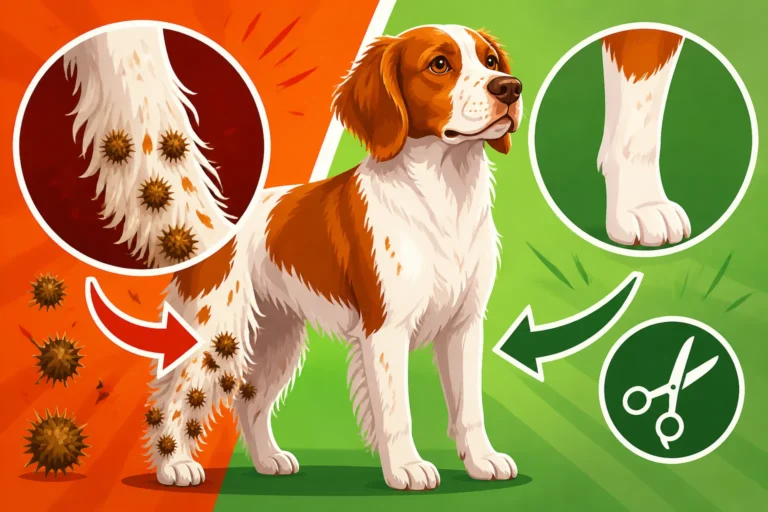
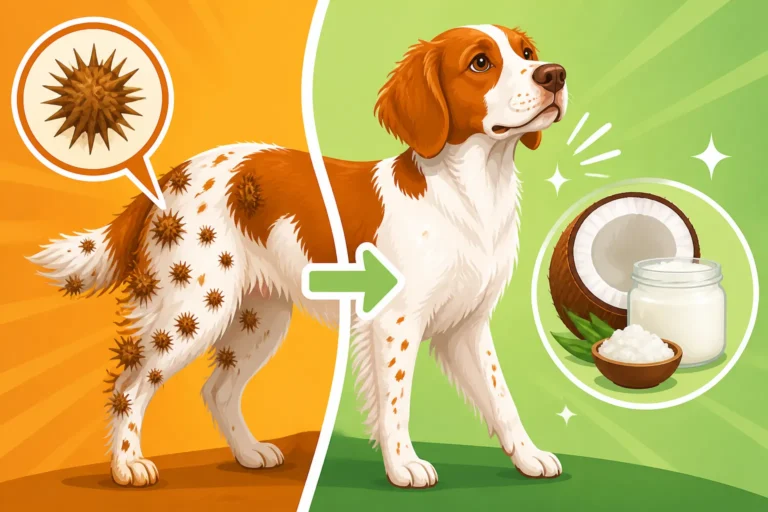
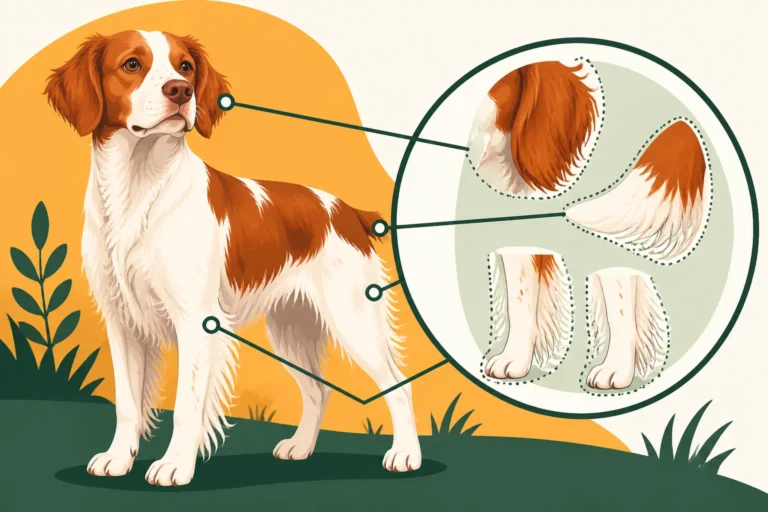
The Brittany’s coat, while not overly long, requires regular attention, especially if your dog spends time in the field. They have a moderately long, wavy coat with feathering on their legs, ears, and belly that can become a magnet for burrs, twigs, and mud. This is not a wash-and-wear breed, especially if they are truly working. The Feathering on a Brittany's Legs and Ears is beautiful, but it's also a trap.
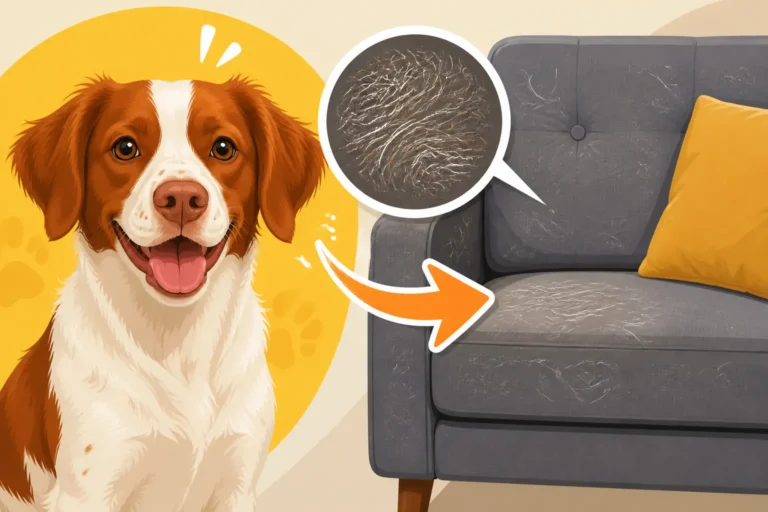
Regular brushing, ideally daily or at least several times a week, is essential to prevent mats and remove debris. A good slicker brush and a metal comb will be your best friends. During hunting season, this becomes even more critical. How Often a Brittany Needs Brushing really depends on their activity level and the type of cover they run in. After every outing, a thorough check and brush-down are non-negotiable. You'll be amazed at what they can collect. Many owners find quality grooming tools on Amazon to keep up with the demands.
Bathing should be done as needed, perhaps monthly or after particularly muddy adventures, using a dog-specific shampoo. Don't over-bathe, as it can strip natural oils. Pay close attention to their ears. Those lovely drop ears can trap moisture and debris, making them prone to infections. Regular cleaning and drying, especially after swimming or being in damp cover, are crucial. Beyond the coat, regular nail trims and dental care (brushing teeth a few times a week) round out their grooming needs.
Nutrition and Conditioning for Peak Performance
An adult Brittany, especially a working one, has energy demands that would make most other breeds collapse. Their diet needs to reflect this active lifestyle. A high-quality dog food, often a "performance" or "active dog" formula, is typically recommended. These foods generally have higher protein and fat content to fuel their sustained exertion. How Much an Adult Brittany Eats can vary, but generally, a working Brittany will eat more in season than out.
During the hunting season, you might find yourself needing to adjust feeding amounts significantly. How Much a Working Brittany Eats in a Season can be substantially more than during the off-season to maintain their weight and energy levels. Some owners even opt for fresh food diets from companies like Ollie to ensure high-quality, easily digestible nutrition that supports their athletic endeavors. Always ensure fresh water is available, particularly during and after activity. Dehydration is a serious concern for active dogs.
Conditioning is not just about hunting season. It's a year-round commitment. Brittanys need consistent exercise to maintain muscle tone, stamina, and mental well-being. This can include long walks, runs, swimming, or even activities like agility. During the off-season, gradually reduce their food intake to prevent weight gain, but don't stop the exercise. A fit dog is less prone to injury. Regular vet check-ups are also crucial to monitor their overall health and catch any issues early. How Often a Brittany Needs a Wellness Exam is typically yearly for adults.
Senior Years: Adjusting Care for the Golden Age
As your Brittany enters its golden years, typically around 8-10 years old, you'll start noticing changes. While they might still have that spark, their bodies will tell a different story. Adjusting their care is about maximizing comfort and extending their quality of life.
Diet and Exercise Adjustments for Aging Joints
One of the first things you'll likely notice in an aging Brittany is a slowdown in their boundless energy. They might not jump quite as high, or run quite as far. This is where dietary adjustments become important. What Changes in an Aging Brittany can include a slower metabolism, which means they often need fewer calories to maintain a healthy weight. Continuing to feed them the same high-calorie performance food they ate as an adult can lead to unwanted weight gain, putting extra strain on aging joints.
Switching to a senior dog food, or a weight-management formula, can be beneficial. These foods are often lower in calories but still provide essential nutrients, and sometimes include joint-supporting supplements like glucosamine and chondroitin. Whether an Aging Brittany Needs Fewer Calories is a definite yes for most. You might also consider easily digestible foods, or even slightly moistened kibble if dental issues become a concern. Consulting your vet on their specific dietary needs is always the best approach. You can find a wide range of senior dog food options on Chewy.
Exercise, while still essential, needs to be modified. Instead of long, strenuous runs, think shorter, more frequent walks. Swimming can be a fantastic, low-impact exercise for senior Brittanys, helping to maintain muscle mass without stressing joints. Pay attention to how they move and any signs of discomfort. Whether an Aging Brittany Still Wants to Hunt is a question many owners face; many still do, but their stamina will be reduced, requiring shorter sessions and more rest.
Comprehensive Health Monitoring
As Brittanys age, they become more susceptible to various health conditions. Regular veterinary check-ups, potentially twice a year, become even more vital. These visits allow your vet to monitor for common senior ailments like arthritis, dental disease, kidney or liver issues, and changes in thyroid function. What a Brittany's Yearly Bloodwork Should Cover in a senior dog often includes a more comprehensive panel to screen for these conditions.
Arthritis is a common concern in older sporting breeds. Your vet can recommend supplements, pain management strategies, or even physical therapy to keep your Brittany comfortable. Keep an eye out for subtle signs of pain or discomfort, such as reluctance to jump, difficulty getting up, or changes in gait. Their excellent tolerance for discomfort means they often hide pain until it's quite advanced, so observation is key.
Senior Brittanys can also experience changes in vision or hearing. While a completely deaf or blind dog can still lead a full life, it requires adjustments in your home and routine. Make sure their sleeping areas are comfortable and easily accessible, perhaps with orthopedic beds to support their joints. Providing a ramp for the car or bed can also save them from painful jumps. Caring for an Old Brittany is about making their world as comfortable and stress-free as possible.
Beyond the Stages: Essential Ongoing Care
While specific needs change with age, there are fundamental aspects of care that remain constant throughout your Brittany's entire life. These are the cornerstones of responsible dog ownership.
Routine Veterinary Care and Preventive Medicine
From their first puppy shots to their final senior check-ups, regular veterinary care is non-negotiable. This isn't just about treating illness; it's about prevention. Annual wellness exams allow your vet to catch potential problems early, administer necessary vaccinations, and provide parasite control. This includes heartworm prevention, flea and tick treatments, and regular deworming, especially for active dogs who spend a lot of time outdoors. How Many Ticks a Brittany Picks Up in a Season can be quite a few, so consistent prevention is key.
Discussing your Brittany's lifestyle with your vet is crucial, as it can influence vaccine protocols and preventive care. For example, if your Brittany spends time in areas with wildlife or stagnant water, a Leptospirosis vaccine might be recommended. Maintaining a healthy weight, regardless of age, is one of the most impactful things you can do for your dog's long-term health, as obesity exacerbates joint issues and increases the risk of other diseases.
Remember that health certifications for parents are a good indicator of future health. When acquiring a puppy, responsible breeders will have screened for genetic conditions common to the breed. What a Brittany Spaniel Breeder Should Have Tested typically includes hip screenings and eye certifications. While these don't guarantee a problem-free life, they significantly reduce the risk of inherited diseases.
Mental Stimulation and Enrichment
Brittanys are incredibly intelligent dogs with a strong drive to work and please. Without adequate mental stimulation, they can become bored, which often leads to destructive behaviors like excessive barking, digging, or chewing. Physical exercise alone is often not enough for their sharp minds.
Throughout their life, provide puzzle toys, training sessions, and opportunities for 'work.' This could be anything from formal obedience training, advanced gun dog work, agility, or even scent work. Even a simple game of "find it" with treats hidden around the house can engage their brains and natural hunting instincts. Rotating toys and introducing new challenges keeps them interested.
For hunting Brittanys, keeping their skills sharp in the off-season is vital, not just for conditioning but for mental well-being. Training with birds, running drills, and even participating in hunt tests can provide that crucial outlet. A well-exercised and mentally stimulated Brittany is a happy, well-behaved companion, fulfilling their purpose as a true versatile pointing dog.
Preparing for Emergencies
No one wants to think about emergencies, but being prepared can make all the difference. Keep a well-stocked first-aid kit specifically for your dog, especially if you hunt or spend a lot of time outdoors. This should include items like bandages, antiseptic wipes, tweezers (for ticks or splinters), gauze, and vet wrap. Knowing basic canine first aid, such as how to stop bleeding or recognize signs of heatstroke, is invaluable.
Know the location and contact information for your regular veterinarian, as well as the nearest emergency veterinary clinic. Keep a copy of your Brittany's vaccination records easily accessible. Consider pet insurance; while not for everyone, it can provide peace of mind for unexpected illnesses or injuries, which can be costly. Whether Insurance Covers a Brittany's Hunting Injuries is a question worth exploring with different providers. Being proactive about these preparations ensures that no matter what life throws your way, you're ready to provide the best possible care for your beloved Brittany.
| Life Stage | Key Care Focus | Diet Needs | Exercise Needs | Common Concerns |
|---|---|---|---|---|
| Puppy | Foundation, Socialization, Gentle Growth | High-quality puppy food, controlled portions | Short, supervised play; avoid hard surfaces | Growth plate injuries, digestive upset, fear periods |
| Adult | Performance, Maintenance, Consistency | High-protein/fat for active dogs; adjust for activity | Vigorous daily exercise; consistent conditioning | Joint health, ear infections, coat maintenance |
| Senior | Comfort, Monitoring, Adaptation | Lower calorie senior food; joint supplements | Shorter, more frequent, low-impact exercise | Arthritis, dental disease, organ function decline |
Disclaimer
This article is for general informational purposes only and does not constitute professional advice. Laws, prices and regulations vary by location and change over time. Consult a qualified professional for guidance on your specific situation.