Whether an Aging Brittany Needs Help Into the Truck
It’s a bittersweet moment for any Brittany owner when you notice your once spry, boundless companion hesitating before a jump they used to clear with ease. That high leap into the back of the truck, a ritual you’ve shared countless times on the way to the field or a favorite hiking spot, suddenly becomes a challenge, or even a source of pain. This guide will walk you through recognizing the signs that your aging Brittany needs help getting into and out of vehicles, and practical, empathetic solutions to keep their adventures going comfortably and safely.
The Inevitable Changes in an Aging Brittany's Mobility
Just like us, our beloved Brittanys don't stay puppies forever. As they gracefully transition into their senior years, typically starting around age ten, their bodies begin to tell a different story. The energy that once seemed endless starts to wane, and the effortless agility of their youth can give way to stiffness, aches, and a general slowing down. It’s not a reflection of their spirit, which often remains as keen as ever, but simply a natural progression of age impacting their physical capabilities. Understanding these changes is the first step in providing the compassionate care they deserve.
Understanding Joint Deterioration and Muscle Loss
One of the most common culprits behind a senior Brittany's reluctance to jump is joint pain, often due to arthritis. Years of running, pointing, and retrieving take a toll on their hips, elbows, and knees. Cartilage wears down, leading to bone-on-bone friction, inflammation, and discomfort. You might notice them moving a bit slower after a nap, struggling to climb stairs, or even exhibiting a subtle limp. For an active breed like the Brittany, this can be especially frustrating, as their minds still crave the chase even if their bodies protest. The Age a Brittany Gets Arthritis is a common concern among owners for good reason.
Beyond joint issues, aging Brittanys also experience muscle atrophy, where their muscle mass naturally decreases. This loss of strength, particularly in their hindquarters, makes powerful movements like jumping much harder and riskier. What used to be a simple hop becomes a strained effort, putting undue stress on already compromised joints. Imagine trying to lift a heavy box when your arms aren't as strong as they used to be – it's a similar struggle for them. This muscle loss not only affects their ability to jump but also their balance and overall stability, making them more prone to slips and falls, especially on slick surfaces. Whether an Aging Brittany Loses Muscle is a question many owners ponder as they see their athletic dogs change.
Other Health Factors Affecting Mobility
While arthritis and muscle loss are primary concerns, other health conditions can also contribute to an aging Brittany's difficulty with vehicle access. Vision impairment, for instance, can make a dog hesitant to jump into a dark or unfamiliar space. If your Brittany can't accurately gauge the distance or height, they might pause or refuse, not because of pain, but because of uncertainty. Deafness in an Aging Brittany can also play a role, as a dog who can't hear your verbal cues might feel less secure about performing a task.
Additionally, conditions like hypothyroidism can lead to weight gain and lethargy, compounding mobility issues. A heavier body puts more strain on joints, and a general lack of energy means less enthusiasm for physical exertion. Chronic pain from old injuries, or even neurological issues, can also reduce their coordination and strength. It's crucial to consult with your veterinarian if you notice a significant decline in your Brittany's mobility, as an accurate diagnosis can help guide the best course of action. They can help you address underlying health concerns, such as managing pain or adjusting their diet, which can make a world of difference in their comfort and willingness to move. What Changes in an Aging Brittany is something every owner should be aware of as their companion ages.
Signs Your Brittany Needs a Helping Hand
It’s easy to miss the subtle cues our stoic Brittanys give us when they're starting to struggle. They're often so eager to please and to join us on adventures that they'll push through discomfort, trying to maintain the status quo. However, there are definite signs that indicate it’s time to offer assistance with that truck jump, or any other high ascent. Paying close attention to these signals can prevent injury and keep your furry friend comfortable and confident.
Hesitation and Reluctance
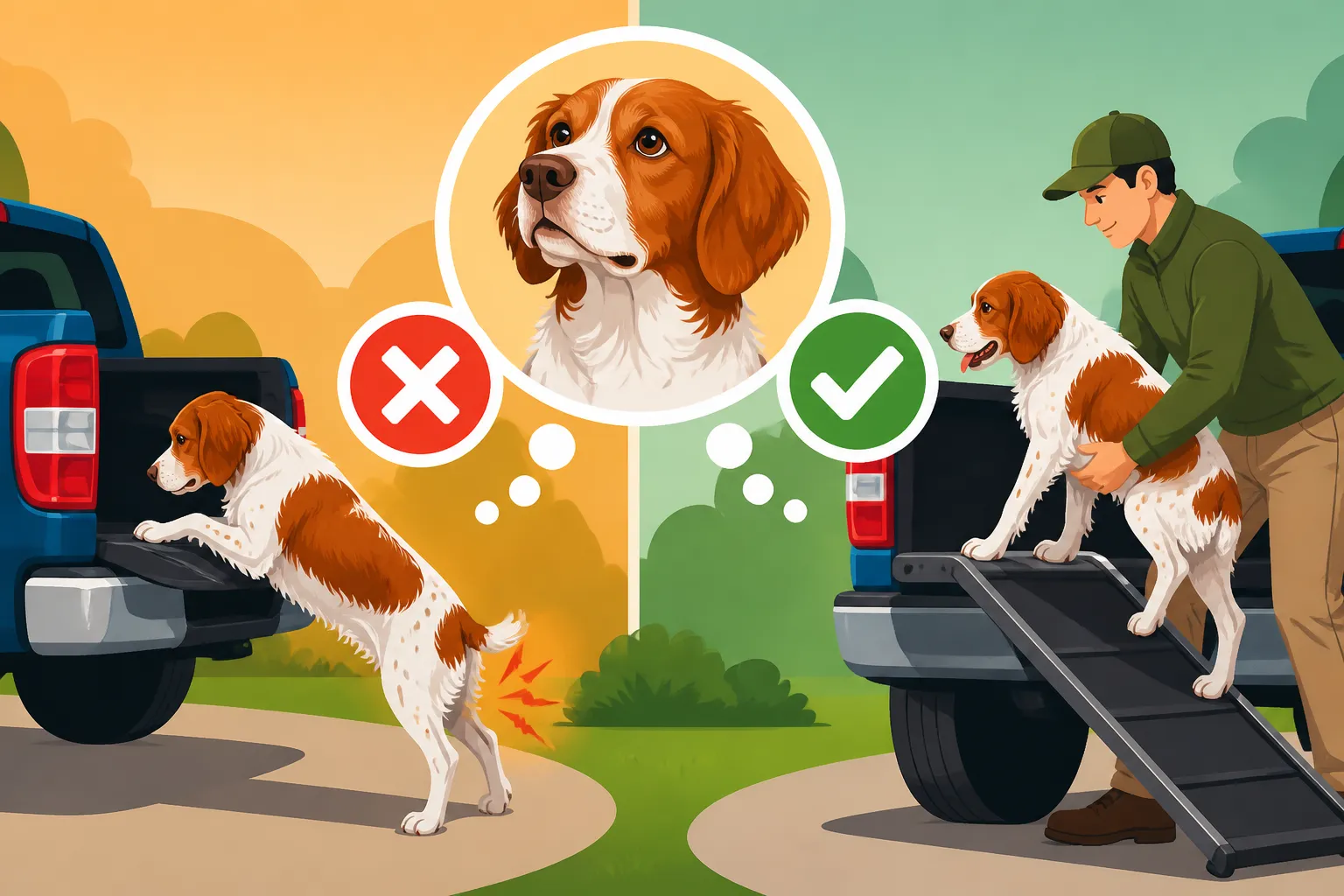
The most obvious sign is hesitation. Where your Brittany once launched themselves into the truck bed or SUV cargo area without a second thought, you might now see them pause at the bumper. They might stand there, looking up at you, perhaps with a slight whine, or they might try to put one paw up and then pull back. This isn't stubbornness; it's often a clear signal that they anticipate pain or find the effort too great.
Another common behavior is circling the vehicle, looking for an easier entry point, or even attempting to jump and then aborting mid-action. They might try a few times, each attempt looking more labored than the last. Sometimes, they'll just sit down a few feet away, clearly wanting to go with you, but physically unable or unwilling to make the leap. This reluctance extends beyond just the truck; you might also notice them avoiding stairs at home, or choosing to walk around an obstacle rather than jumping over it. These are all subtle yet powerful messages that their body is no longer capable of the same feats it once was.
Stiff Movement and Pain Indicators
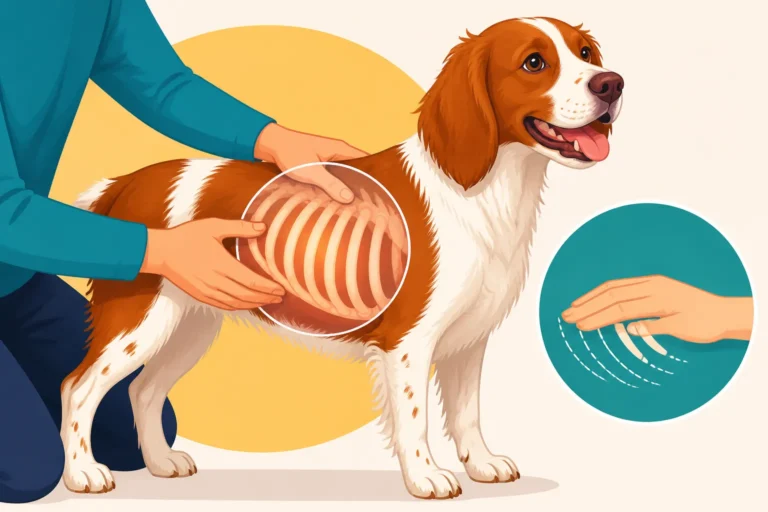
After they do get into the truck (perhaps with an assisted boost), observe how they move. Do they appear stiff, particularly in their hindquarters? Do they favor a leg, or seem uncomfortable settling down? When they finally lie down, do they shift positions frequently, as if trying to find a comfortable spot? These are all indicators of joint pain or muscle soreness. When they eventually exit the vehicle, watch for awkward landings, a hesitant gait, or any signs of limping.
Pain can also manifest in less obvious ways. Some Brittanys might pant excessively after a small exertion, or their breathing might be shallow. They might lick their joints frequently, or become more withdrawn and less enthusiastic about activities they once loved. Occasionally, you might even hear a soft grunt or yelp if you inadvertently put pressure on a tender spot while helping them. A change in appetite, or reluctance to eat, can also be a subtle sign of chronic discomfort. Signs a Brittany's Hips Hurt can overlap significantly with signs of general joint pain that makes jumping difficult.
Difficulty with Balance and Coordination
An aging Brittany's balance can decline, making the act of jumping into a moving or unstable vehicle particularly dangerous. If you see them wobble slightly after landing, or if their legs seem to give out momentarily, it’s a red flag. Their coordination might not be as sharp, leading to misjudgments of distance or height. This can result in them hitting their legs on the bumper, or even falling when trying to get in or out.
Imagine trying to navigate a narrow plank while feeling dizzy; that's somewhat akin to what a senior dog with declining balance might experience. This isn't just uncomfortable; it’s a serious injury risk. A bad fall from a truck can lead to sprains, fractures, or even more severe trauma, turning a simple outing into an emergency vet visit. It's far better to provide assistance before such an incident occurs, ensuring their safety and your peace of mind. Regular vet check-ups can also help monitor their overall neurological health and address any balance issues proactively.
Practical Solutions for Truck Access
Once you've identified that your aging Brittany needs help, the good news is there are many excellent solutions available to make truck access safe and stress-free. Choosing the right tool depends on your specific vehicle, your dog's size, and the severity of their mobility issues. The goal is always to minimize strain and make the experience as comfortable as possible for your senior companion.
Ramps: A Gentle Slope for Easy Access
Ramps are perhaps the most popular and versatile solution for dogs struggling with vehicle access. They provide a gentle, non-jarring incline that eliminates the need for jumping altogether. Ramps come in various materials, lengths, and widths, so you can find one that suits your truck or SUV perfectly. Many are collapsible or foldable, making them easy to store in your vehicle when not in use.
When choosing a ramp, consider its length: a longer ramp will have a less steep incline, which is ideal for very arthritic or frail dogs. Look for surfaces with good traction, like sandpaper-like textures or rubberized treads, to prevent slips, especially in wet weather. Some ramps even have raised side rails for added security, giving your Brittany more confidence. Introducing the ramp slowly, with lots of positive reinforcement and treats, is key. Practice using it in a low-stress environment first, like from your porch to the ground, before introducing it to the truck. Brands like WeatherTech and PetSafe offer durable and well-designed ramps that hold up to regular use. You can often find a wide selection of these, and read reviews from other pet parents, on sites like Amazon or Chewy.
| Feature / Type | Pros | Cons | Best For |
|---|---|---|---|
| Folding Ramp | Compact storage, portable, easy setup | Can be heavy, may have steep incline if short | Occasional use, smaller trucks/SUVs |
| Telescoping Ramp | Adjustable length, very compact when collapsed | Can be pricey, requires smooth extension | Regular use, various vehicle heights |
| Bi-fold Ramp | Stable, often wider than other types | Less compact than telescoping, can be bulky | Larger dogs, stable entry/exit |
| Tri-fold Ramp | Good balance of length and portability | Multiple folds can pinch if not careful | Medium to large dogs, moderate use |
| Lightweight Ramp | Easy to carry, quick deployment | Less durable, may flex with heavier dogs | Smaller dogs, infrequent use |
Steps and Ladders: A Staircase to Comfort
For Brittanys who still have some strength but struggle with the height of a single jump, portable dog steps or ladders can be a great alternative to ramps. These typically come in 2-4 step configurations and offer a gradual ascent, breaking down the large jump into smaller, more manageable steps. They are particularly useful for SUVs or trucks with lower beds, where a full ramp might be overkill or too long.
Look for steps that are sturdy, with wide platforms and non-slip surfaces. The height of each step should be comfortable for your Brittany's stride, avoiding steps that are too high and negate the benefit. Like ramps, many steps fold flat for easy storage. They require a bit more coordination than a ramp, as your dog still needs to lift their legs, but it's far less impactful than a full jump. Again, introducing them gradually and positively is essential. Consider options with a stable base to prevent wobbling, which can spook a cautious senior dog. Companies like Pet Gear offer several step and stair options, often available on Amazon, with features like carpeted treads for extra grip and comfort.
Harnesses and Lifts: Direct Assistance
Sometimes, a ramp or steps aren't practical, or your Brittany's mobility is so compromised that they need direct physical support. This is where lifting harnesses can be incredibly helpful. These specialized harnesses wrap around your dog's body, providing handles that allow you to lift or support their weight as they ascend or descend. They're excellent for short-term needs, such as helping them over a particularly high threshold, or for dogs who simply can't manage stairs or ramps anymore.
A full-body lifting harness, often with front and rear support, can distribute your dog's weight evenly, preventing strain on their joints and on your back. It's vital to use a harness that fits properly to avoid chafing or discomfort. These can be a lifesaver for older dogs who still enjoy their outings but need a significant boost. It's also a good idea to learn proper lifting techniques to protect yourself from injury. Your veterinarian or a certified canine rehabilitation specialist can demonstrate the safest way to use a lifting harness. While these are not primary solutions for getting into a truck, they can be used in conjunction with a lower ramp or steps, or for very small, light Brittanys, or in emergencies.
Proactive Care to Support Mobility
While ramps and steps provide immediate solutions for truck access, long-term proactive care is equally important for supporting your aging Brittany's overall mobility and quality of life. Thinking ahead and implementing certain routines can slow the progression of age-related stiffness and keep your dog active and happy for as long as possible. Caring for an Old Brittany involves a holistic approach, and keeping them moving is a huge part of it.
Regular, Gentle Exercise
It might seem counterintuitive, but keeping an arthritic dog moving is crucial. Regular, gentle exercise helps maintain muscle mass, flexibility, and joint health by encouraging the production of synovial fluid, which lubricates the joints. Think short, frequent walks rather than long, strenuous hikes. Leash walks on soft surfaces, like grass or dirt trails, are far better than pavement, which can be hard on their joints. Swimming is another fantastic low-impact exercise that allows them to use their muscles without putting weight on their joints. Even simple stretches or slow, controlled movements can make a difference.
The key is moderation and listening to your dog. If they show signs of pain or fatigue, it’s time to stop. The goal isn't to push them to their limits, but to keep them comfortably mobile. A brisk twenty-minute walk twice a day might be more beneficial than one long, exhausting hour. Adjust the intensity and duration based on their energy levels and physical condition each day. How Far an Aging Brittany Should Still Run emphasizes finding that balance.
Nutrition and Supplements for Joint Health
A balanced diet plays a pivotal role in managing your aging Brittany's weight and supporting joint health. Obesity puts immense strain on joints, so maintaining a healthy weight is paramount. Consult your vet for advice on appropriate calorie intake and food choices for a senior dog, as their metabolic needs change. Some senior dog foods are formulated with fewer calories to help prevent weight gain.
Beyond diet, joint supplements can be incredibly beneficial. Ingredients like glucosamine, chondroitin, and MSM are known to support cartilage health and reduce inflammation. Omega-3 fatty acids, often found in fish oil, also have powerful anti-inflammatory properties that can alleviate joint pain. Many brands, like Nutramax Dasuquin or Cosequin, offer veterinary-recommended joint supplements that can make a noticeable difference in a few weeks. You can often find a good range of these supplements on pet supply websites like Chewy, or even specialized fresh food services like Ollie, which often incorporate beneficial ingredients into their recipes. Always discuss any supplements with your veterinarian before adding them to your Brittany's regimen to ensure they are appropriate and won't interact with any existing medications. Whether an Aging Brittany Needs Joint Supplements is a common question, and for many, the answer is a resounding yes.
Regular Veterinary Check-ups and Pain Management
Consistent veterinary care is non-negotiable for an aging Brittany. Regular check-ups allow your vet to monitor their overall health, assess their mobility, and catch any new issues early. They can also recommend pain management strategies if your dog is struggling with chronic discomfort. This might include anti-inflammatory medications, physical therapy, acupuncture, or even laser therapy.
Your vet might also suggest specific exercises or stretches you can do at home to improve flexibility and strength. They can help you devise a comprehensive plan that addresses all aspects of your Brittany's senior care, from diet and exercise to medication and environmental adjustments. Don't hesitate to ask about referral to a certified canine rehabilitation therapist, who can provide specialized physical therapy programs tailored to your dog's needs. This proactive approach ensures your beloved Brittany remains as comfortable and active as possible through their golden years, enabling you both to continue enjoying those cherished trips in the truck, with a little help from you. What Care a Brittany Needs Its Whole Life truly emphasizes the importance of consistent health monitoring.
Disclaimer
This article is for general informational purposes only and does not constitute professional advice. Laws, prices and regulations vary by location and change over time. Consult a qualified professional for guidance on your specific situation.