Whether an Aging Brittany Feels the Cold More
It's a common observation, isn't it? As our beloved Brittanys transition from their youthful exuberance to their golden years, many of us notice a subtle shift – a tendency to seek out sunbeams, burrow deeper into blankets, or simply shiver a bit more on a crisp morning. It leaves us wondering if their internal thermostat has gone a little wonky. This comprehensive guide will delve into why aging Brittanys often feel the cold more keenly than their younger counterparts, what signs to look for, and most importantly, how we can make sure our seasoned companions stay warm and comfortable through all seasons.
The Physiological Shifts That Make Cold More Challenging for Older Brittanys
As our active, high-energy Brittanys age, their bodies undergo a series of natural changes that can profoundly impact their ability to regulate body temperature and withstand cold. It's not just "getting old"; there are concrete physiological reasons behind their increased sensitivity to chilly weather. Understanding these changes helps us better care for them.
Slower Metabolism and Reduced Internal Heat Production
One of the most significant factors at play for an aging Brittany is a general slowdown in metabolism. A younger, more active Brittany has a bustling internal furnace, burning calories and generating heat constantly as they race across fields or bounce around the house. When they reach the stage where we consider The Age a Brittany Is Considered Senior, their metabolism naturally downshifts. They might not be running as hard or as often, and even their resting metabolic rate can decrease. This means their body simply isn't producing as much internal heat as it used to. Imagine trying to stay warm when your internal heater is only running at half power – it's tough! This reduced heat generation leaves them more susceptible to external cold, as they have less inherent warmth to combat it.
Moreover, if an aging Brittany also begins to lose muscle mass, which is a common occurrence as they get older, this further compounds the issue. Muscle tissue is metabolically active, even at rest, contributing to body heat. When there's less muscle, there's less heat being produced. You might notice your once robust hunter is starting to look a little less bulky, and this physical change directly relates to their ability to keep warm. It’s why keeping them active, within their limits, and providing a good, digestible diet becomes even more crucial.
Thinning Coats and Diminished Insulation
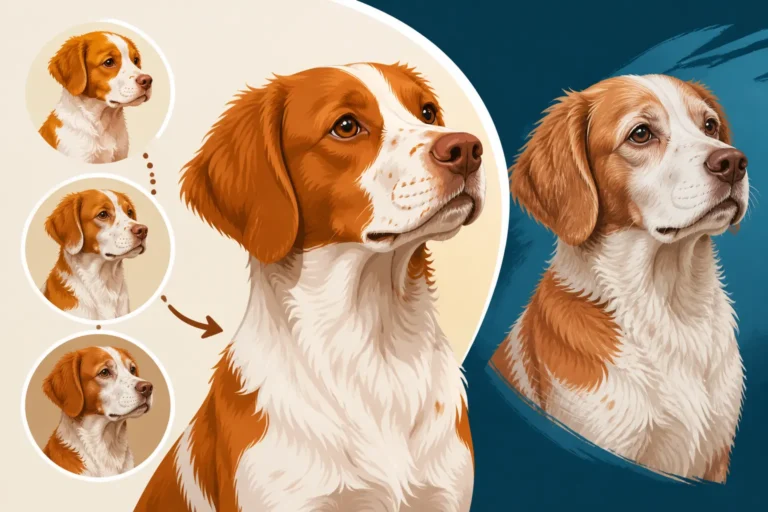
While Brittanys aren't known for super dense, double-layered coats like some northern breeds, their natural coat does provide a good degree of insulation. However, just like human hair, a dog's coat can change with age. Many older Brittanys experience a thinning of their coat, or the texture might become finer and less coarse. This is especially true for the feathering, which, while beautiful, is also functional. When this protective layer thins out, it offers less barrier against cold air and moisture.
Think about standing outside in a light jacket versus a thick winter coat. A thinner coat simply allows more heat to escape from their body and more cold to penetrate. For a Brittany who spent years eagerly plunging into icy waters or bounding through snowy fields without a second thought, this thinning coat can suddenly make those same conditions feel quite uncomfortable. The loss of that natural buffer means they’re more reliant on external warmth or extra layers that we provide. This is a common part of What Changes in an Aging Brittany that often goes overlooked until you feel their back on a cold day and realize they're not as insulated as they once were.
Reduced Circulation and Joint Sensitivity
Another significant factor contributing to cold sensitivity in older Brittanys is a decline in circulatory efficiency. As dogs age, their blood vessels might not be as elastic, and circulation, particularly to the extremities like paws, ears, and tail, can become less robust. Good circulation is vital for distributing warmth throughout the body, and when it's compromised, these areas can get cold very quickly.
Furthermore, many aging Brittanys develop arthritis or other joint issues. Cold weather is notorious for exacerbating joint pain. The decreased circulation means less warm blood reaching those already sensitive joints, which can lead to increased stiffness and discomfort. A Brittany with arthritic hips or elbows might feel every drop in temperature as a literal ache in their bones. This can make them reluctant to move, and less movement further reduces heat generation, creating a vicious cycle. You might notice them struggling a bit more to get up after a nap on a cool floor, or their morning stretch seems more pronounced. For more on this, you might find Whether an Aging Brittany Needs Help Into the Truck insightful, as it touches on mobility challenges.
Recognizing the Signs of Cold in Your Older Brittany
Our Brittanys are stoic creatures, especially those with years of field experience, and they often try to "tough it out." This means we, as their devoted caregivers, need to be extra vigilant in spotting the subtle (and sometimes not-so-subtle) signs that they're feeling uncomfortably cold. Don't wait for obvious shivering; learn to read their less dramatic cues.
Behavioral Cues: Shivering, Hunching, and Seeking Warmth
The most obvious sign of cold in any dog is shivering, and an older Brittany is no exception. However, it might not always be a full-body shake. Sometimes it’s a subtle tremor, particularly noticeable in their flanks or legs. Beyond shivering, observe their posture: a cold Brittany might hunch their back, tuck their tail tightly, or pull their paws up closer to their body, trying to minimize their exposed surface area and conserve heat. They might also walk stiffly or show a reluctance to go outside, even for their usual potty break, especially if the ground is cold or wet.
Another classic behavioral cue is an increased desire to seek warmth. This could manifest as burrowing under blankets, trying to squeeze onto your lap more often, or meticulously finding every sun patch in the house. They might ignore their usual dog bed in favor of a spot right next to a heating vent or fireplace. If your Brittany, who once loved sprawling on cool tile, is now consistently opting for carpeted areas or soft throws, it’s a clear signal they're feeling the chill. Sometimes, a cold Brittany might even become a bit more clingy, pressing against you for body heat. Remember, How a Brittany Hides Pain can also extend to discomfort from cold, so these subtle changes are important to heed.
Physical Indicators: Cold Extremities and Stiffness
Beyond behavior, there are physical indicators to check. Gently feel your Brittany’s ears and paws. While cool ears and paws are normal in mild weather, if they feel distinctly cold to the touch, especially compared to their main body temperature, it suggests poor circulation to those extremities. Their nose might also feel colder and drier than usual.
Observe their gait and movement. Cold often leads to stiffness, particularly if they have underlying arthritis. After resting, they might take longer to get up, or their first few steps might be noticeably rigid and slow. You might see them favor a leg or be generally less agile. This stiffness isn't just a sign of joint pain; it's often exacerbated by cold and indicates their body is struggling to stay limber. A cold, stiff dog is also more prone to minor strains and injuries, so understanding these physical cues helps you prevent further discomfort.
When to Be Concerned and Seek Veterinary Input
While occasional shivering or seeking warmth is normal, persistent signs of being cold, especially when indoors at a comfortable temperature, warrant attention. If your Brittany is shivering uncontrollably, seems disoriented, lethargic, or unresponsive, these are emergency signs that could indicate hypothermia, particularly after prolonged exposure to cold. Other concerning signs include pale gums, dilated pupils, or a noticeable drop in core body temperature (below 100°F or 37.8°C if you have a rectal thermometer).
Even less severe but chronic cold sensitivity should be discussed with your veterinarian. It could be a sign of an underlying health issue beyond normal aging, such as hypothyroidism, kidney disease, or even certain cardiac conditions that affect circulation. Your vet can perform a thorough examination, including blood work, to rule out any medical causes. For example, What a Brittany's Yearly Bloodwork Should Cover includes tests that can shed light on metabolic and organ function. Catching these issues early can make a huge difference in your Brittany's comfort and overall health.
Practical Strategies for Keeping an Aging Brittany Warm
Once you've identified that your aging Brittany is feeling the cold more, the good news is there are many straightforward and effective ways to help them stay toasty and comfortable. A little proactive care goes a long way in their senior years.
Adjusting Outdoor Routines and Providing Protective Gear
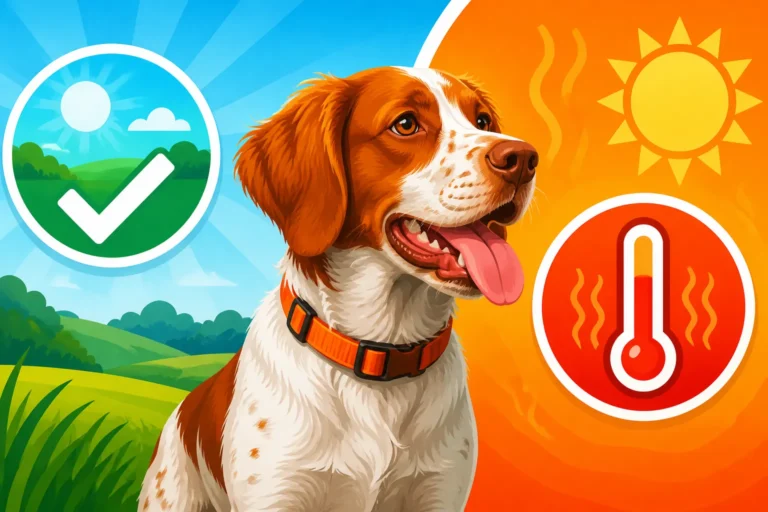
For the Brittany who still loves to be outside, even if their hunting days are winding down, adjustments are key. First, shorten the duration of outdoor excursions on cold or wet days. A quick potty break is fine, but long walks or extended yard time should be reserved for milder weather. If they still enjoy a leisurely stroll, consider scheduling it during the warmest part of the day, usually mid-afternoon. Avoid early morning or late evening outings when temperatures are typically lowest.
Secondly, invest in appropriate protective gear. A good quality dog coat or sweater can make a world of difference for an older Brittany, especially one with a thinning coat. Look for options that cover their back and belly for maximum warmth. Brands available on platforms like Chewy or Amazon offer a wide range of sizes and insulation levels, from light fleeces for crisp days to waterproof, insulated coats for truly cold or snowy conditions. For their paws, dog boots can protect against cold pavement, ice, and salt, which can be very irritating and uncomfortable for sensitive paws. While your Brittany might resist them at first, getting them used to boots indoors can help. If your Brittany still joins you for short, gentle hunts, consider a neoprene vest for added warmth and protection, particularly if there's water involved.
Creating Cozy Indoor Retreats
The importance of a warm and comfortable indoor environment cannot be overstated for an aging Brittany. Ensure their sleeping area is away from drafts, which can silently steal their body heat. Move their bed away from exterior doors or drafty windows. A raised dog bed can also be beneficial, as it lifts them off cold floors, which can be particularly chilling for arthritic joints. Layering with soft blankets is also a wonderful idea. You can find super soft, washable dog blankets on Amazon that they can burrow into.
Consider adding a warming pad to their bed. These are low-wattage, safe heating pads designed specifically for pets and can provide therapeutic warmth for aching joints. Always choose one with an automatic shut-off or a low, consistent temperature setting to prevent overheating. If you have multiple floors, ensure they have comfortable, warm beds on each level where they spend time, so they don't have to navigate stairs unnecessarily to find comfort. A memory foam orthopedic bed from a brand like Chewy can also provide both warmth and crucial joint support for Caring for an Old Brittany.
Nutritional Support and Hydration
Proper nutrition plays a role in keeping an aging Brittany warm, primarily by maintaining overall health and providing adequate energy. While an older Brittany may need Whether an Aging Brittany Needs Fewer Calories due to decreased activity, ensuring those calories come from a high-quality, digestible food is paramount. A diet rich in good fats and proteins can support a healthy coat and provide the energy needed for basic metabolic functions that generate heat.
Sometimes, a specialized senior formula might be beneficial, offering easily digestible ingredients and supplements for joint health. Some owners explore fresh food options like those offered by Ollie, which can be highly palatable and digestible for older dogs. Always consult your vet before making significant dietary changes. Additionally, ensure your Brittany has constant access to fresh water. While it seems counterintuitive for staying warm, proper hydration is essential for all bodily functions, including circulation and metabolic processes. If they are eating a good diet and maintaining a healthy weight, their body is better equipped to handle temperature fluctuations.
When to Seek Veterinary Advice for Cold Sensitivity
While many aspects of increased cold sensitivity are a normal part of aging, it's crucial to understand when it might signal a more serious underlying health issue. Your veterinarian is your best partner in ensuring your aging Brittany's continued health and comfort.
Persistent Shivering or Lethargy
If your aging Brittany is frequently shivering even when indoors at a comfortable temperature, or seems unusually lethargic and less engaged, it's definitely time for a vet visit. Persistent shivering, especially when not directly exposed to cold, can be a symptom of pain, anxiety, or an underlying medical condition impacting their body's ability to maintain core temperature. Similarly, lethargy that goes beyond just slowing down with age could indicate anything from hypothyroidism to kidney problems, or even a systemic infection.
Don't dismiss these signs as "just old age." While age is a factor, discomfort and illness are not inevitable. Your vet can perform a thorough physical exam, check vital signs, and recommend diagnostic tests. This might include blood panels to check thyroid function, kidney and liver values, and to screen for inflammation or infection. Early diagnosis and treatment of any underlying condition can significantly improve your Brittany's quality of life and comfort.
Worsening Joint Pain in Cold Weather
It's a common lament among dog owners (and humans!) that cold weather seems to make joint pain worse. If you notice your aging Brittany's stiffness, lameness, or difficulty moving significantly increases with a drop in temperature, it's a strong indicator that their arthritis or other musculoskeletal issues are being exacerbated. This is a prime reason to discuss pain management strategies with your vet.
Your veterinarian can assess the severity of their arthritis and recommend appropriate treatments. This might involve non-steroidal anti-inflammatory drugs (NSAIDs), joint supplements (like glucosamine and chondroitin), physical therapy, or even alternative therapies like acupuncture. Ensuring effective pain management will not only make them more comfortable in cold weather but also encourage them to stay more active, which in turn helps with circulation and muscle maintenance. For a more detailed look into managing joint issues, consider reading The Age a Brittany Gets Arthritis. Remember, relieving their pain is paramount.
General Health Checks and Proactive Care
Regular veterinary check-ups are always important, but they become even more critical as your Brittany ages. These visits allow your vet to monitor their overall health, catch potential issues early, and adjust their care plan as needed. They can check their weight, listen to their heart and lungs, palpate their joints, and assess their coat and skin condition.
Think of it as proactive maintenance for your cherished companion. During these visits, you can specifically discuss your observations about their cold sensitivity. The vet might suggest specific nutritional supplements, discuss environmental adjustments at home, or recommend a more tailored exercise regimen to keep their circulation robust. Staying on top of their general health will ensure that any increased cold sensitivity isn't a symptom of something more serious, allowing your Brittany to enjoy their golden years in comfort and warmth. How Often a Brittany Needs a Wellness Exam is a good guideline for scheduling these important appointments.
| Sign of Cold | What It Looks Like | Why It Happens in Older Brittanys | What You Can Do | When to Call the Vet |
|---|---|---|---|---|
| Shivering/Trembling | Visible tremors, particularly in legs, flanks, or entire body. | Reduced metabolism, less fat/muscle insulation, pain. | Add layers (coat/sweater), move to warmer spot, ensure dry. | Persistent shivering indoors, accompanied by lethargy or disorientation. |
| Hunching/Tucked Tail | Body posture appears compact, tail tucked tightly to belly. | Instinct to conserve body heat, discomfort. | Provide warm, draft-free resting areas, soft blankets. | Persistent hunched posture indicating severe discomfort/pain. |
| Seeking Warmth | Consistently moving to sunbeams, heat vents, burrowing under blankets, wanting to be closer to you. | Natural response to feeling cold, seeking external heat sources. | Offer orthopedic, heated bed; ensure warm indoor temps. | If they cannot get warm despite all efforts, or seem weak. |
| Cold Extremities | Paws, ears, nose feel distinctly cold to the touch. | Reduced circulation to extremities, thinning coat. | Use paw balm or boots for walks, ensure warm bedding. | If extremities are icy cold, pale, or discolored. |
| Stiffness/Reluctance to Move | Slow to rise, stiff gait, less enthusiasm for walks, struggling with stairs. | Exacerbated arthritis/joint pain due to cold, muscle loss. | Gentle exercise during warmest part of day, orthopedic bed, coat. | Sudden inability to move, or significant worsening of existing stiffness. |
| Lethargy/Disorientation | Unusually sleepy, unresponsive, confused, slow reactions. | Hypothermia, underlying medical condition (e.g., hypothyroidism). | Immediate warmth, gentle handling. | IMMEDIATE VETERINARY EMERGENCY. |
Disclaimer
This article is for general informational purposes only and does not constitute professional advice. Laws, prices and regulations vary by location and change over time. Consult a qualified professional for guidance on your specific situation.