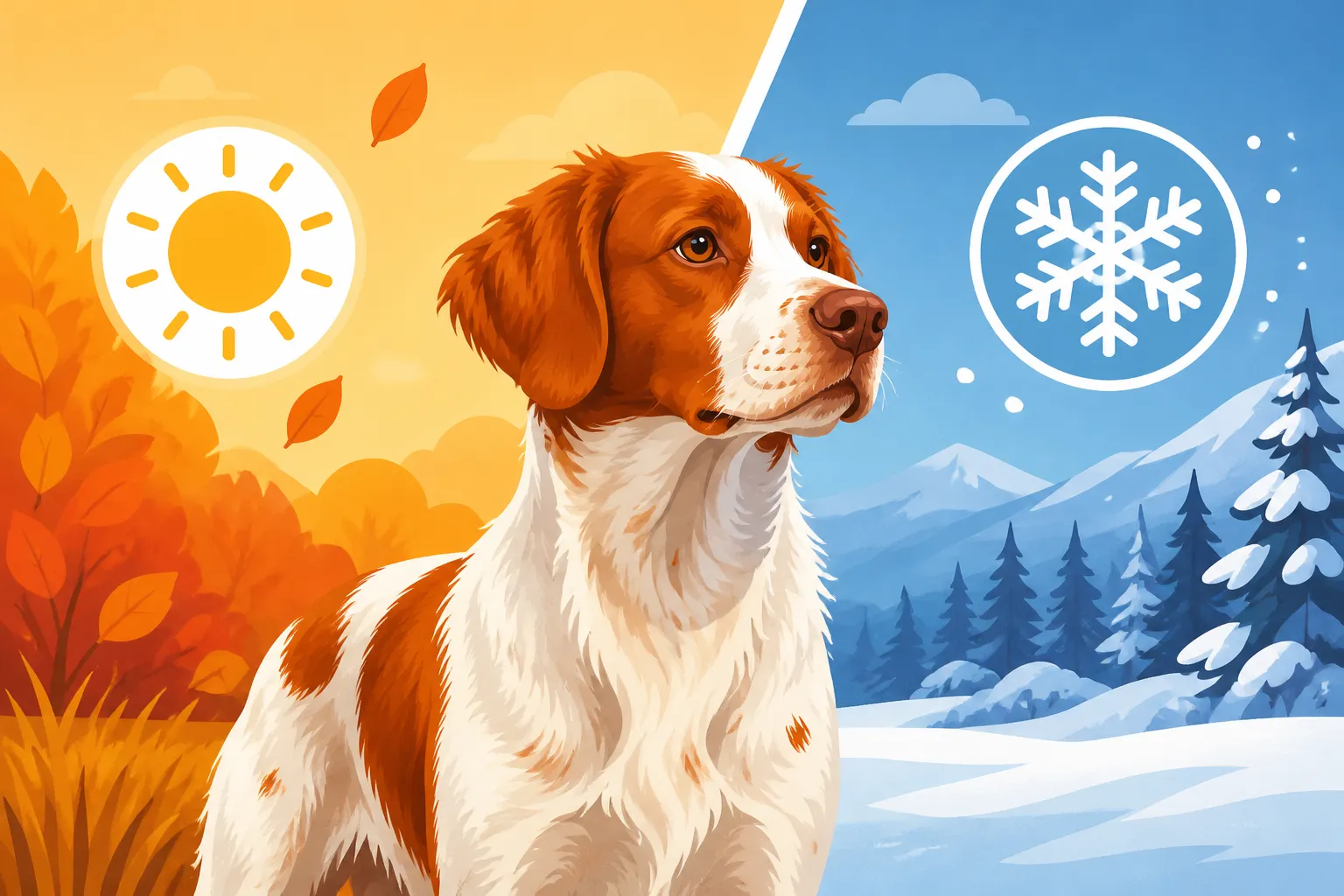
Whether a Brittany’s Coat Is Warm Enough for Late Season
As the crisp autumn air gives way to the biting chill of late season, many of us Brittany owners start to wonder if our faithful hunting companions are truly equipped for the dropping temperatures. It's a valid concern; you want your Brittany to be comfortable and safe, not shivering in the field, and it’s natural to feel a pang of worry when the weather forecast dips. This guide is here to thoroughly explore the protective qualities of a Brittany's coat, examine the various factors that influence their cold tolerance, and equip you with the knowledge to keep your dedicated bird dog warm, healthy, and happy through the coldest hunting days.
Understanding the Brittany's Natural Coat
When you look at a Brittany, their coat often appears sleek and utilitarian, perfectly suited for gliding through cover. But is that seemingly modest coat enough when the mercury truly plummets, and the wind bites? It’s a question that weighs on the minds of many dedicated bird dog owners, especially those who hunt into the colder months. Let's delve into the specifics of what makes up a Brittany's natural insulation and where its limitations might lie.
What Makes a Brittany's Coat Unique?
The Brittany's coat is often described as medium length, dense, and typically flat or slightly wavy. It's not the heavy, shaggy fur you'd find on a Newfoundland or an Alaskan Malamute, nor is it the fine, single coat of a Vizsla or a Boxer. Instead, it strikes a balance, designed more for protection against brambles and light weather than for extreme cold. Their coat provides a good barrier against punctures and scrapes from thick cover, which is a huge advantage when they're busting through brush.
Beneath the coarser outer guard hairs, there's a softer, denser undercoat. This undercoat is what provides the primary insulation, trapping a layer of warm air close to the dog's body. However, the thickness of this undercoat can vary quite a bit from dog to dog, and even seasonally. Some Brittanys seem to grow a surprisingly plush undercoat in winter, while others, even those living in colder climates, maintain a relatively lighter one. It's not a uniform blanket across the breed, which adds to the owner's dilemma about their individual dog's cold hardiness.
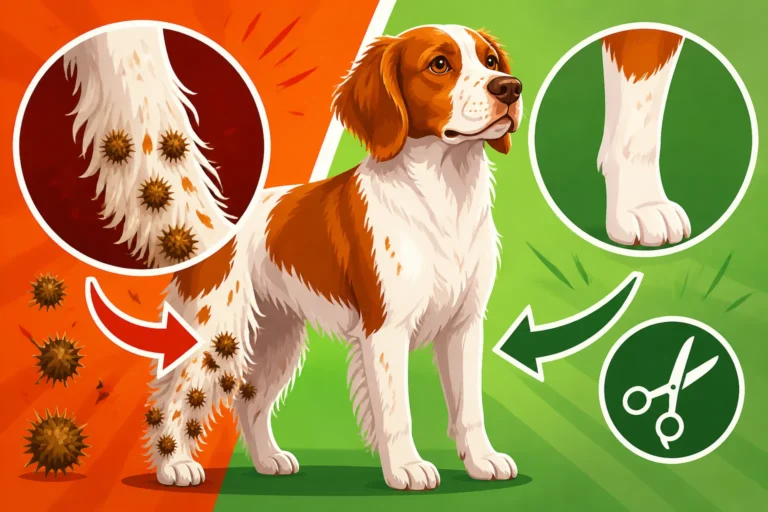
One of the defining features, of course, is the feathering – those longer hairs found on the ears, legs, and belly. While beautiful and protective against briars, this feathering isn't primarily for warmth. In fact, in wet conditions, it can become quite saturated, potentially drawing heat away from the dog if not properly dried. The Feathering on a Brittany's Legs and Ears provides excellent protection from physical abrasions, but its insulating properties are limited.
How Effective Is It Against Cold and Wet?
This is where the nuances of the Brittany coat really come into play. A dry Brittany in moderately cold, still air can often handle temperatures lower than you might expect, especially if they're actively working and generating their own body heat. The dense outer coat does a decent job of repelling light moisture and wind, creating a first line of defense. Think of a brisk, clear December day with no precipitation – a working Brittany might be just fine.
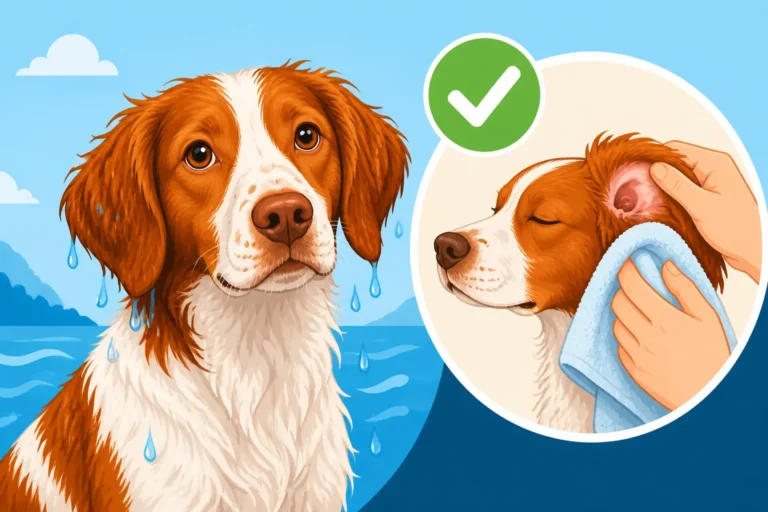
However, introduce moisture – rain, wet snow, or even icy slush – and the effectiveness of that coat diminishes significantly. While the outer coat offers some water resistance, it's not truly waterproof like the oily double coat of a Labrador or a Chesapeake Bay Retriever. Once the undercoat gets wet, it loses its ability to trap insulating air, and the dog can become chilled very quickly. This is especially true if they are standing still on point or retrieving from icy water. Keeping Water Out of a Brittany's Ears is also crucial, as damp ears can quickly lead to infection and discomfort.
Wind is another major factor. Even if the air is dry, a strong wind can cut through the Brittany's coat, dissipating the trapped warm air and accelerating heat loss. This wind chill effect often makes the real feel temperature far colder than the thermometer indicates. So, while their coat is a valiant effort from Mother Nature, it's not a foolproof shield against the combined forces of deep cold, relentless wind, and penetrating wetness that often define late-season hunts.
The Role of Undercoat and Feathering in Insulation
As mentioned, the undercoat is the primary insulator. It consists of soft, downy hairs that grow close to the skin. When your Brittany is dry, this undercoat fluffs up, creating tiny air pockets that act as a thermal barrier, much like the insulation in your winter jacket. The more robust the undercoat, the better the insulation. However, unlike some northern breeds that have an incredibly dense, almost woolly undercoat year-round, a Brittany's undercoat is generally less extreme.
The feathering, while beautiful and characteristic, plays a more complex role. On the one hand, it does offer a bit of extra protection from the elements, especially on the legs and belly where snow and ice might otherwise cling directly to the skin. It helps deflect some wind and can provide a slight barrier against surface wetness. On the other hand, its longer strands are prone to getting thoroughly soaked or collecting ice balls, which can then transmit cold to the body. Imagine walking through heavy, wet snow – those feathery areas can become laden with icy clumps, adding weight and drawing heat away. This is why many hunters consider trimming the longer feathering in deep winter, not necessarily for warmth, but for practical reasons related to snow and burr collection. A Brittany's Coat Is Low Maintenance Until It Hits Cover – that statement takes on new meaning in cold, burr-filled late season.
Factors Influencing a Brittany's Cold Tolerance
It's never just about the coat. While a Brittany's natural fur provides a baseline of protection, there's a whole host of other elements that dictate just how well your dog will fare when the temperatures drop. Understanding these can help you better assess your individual Brittany's needs and plan accordingly for those chilly outings.
Activity Level and Body Heat
A Brittany that is actively hunting, covering ground, and quartering vigorously is going to generate a significant amount of body heat. Their muscles are working, their metabolism is fired up, and this internal furnace can keep them surprisingly warm, even in fairly cold conditions. This is why you might see your Brittany steaming in sub-freezing temperatures – it's a sign of their incredible effort.
However, this internal warmth isn't constant. The moment your Brittany goes on a solid point, stands waiting for you to flush, or takes a break in the dog box between retrieves, that heat generation slows down dramatically. They are no longer generating the same level of warmth, and the ambient cold can start to reclaim their body heat much more quickly. Think about how you feel after a strenuous run outside versus standing still afterward – the chill sets in fast. It's a critical consideration for late-season hunting, where periods of intense activity are often interspersed with moments of quiet stillness.
Body Condition and Health
A well-conditioned Brittany, carrying a healthy amount of muscle and a thin layer of fat, is generally more resilient to the cold. That lean muscle mass helps generate heat, and a healthy fat layer provides an additional buffer against temperature loss. Conversely, a Brittany that is underweight or out of condition will struggle much more. They simply don't have the reserves to maintain their core body temperature effectively. Whether a Brittany Can Be Too Thin is a serious question when considering their cold weather resilience.
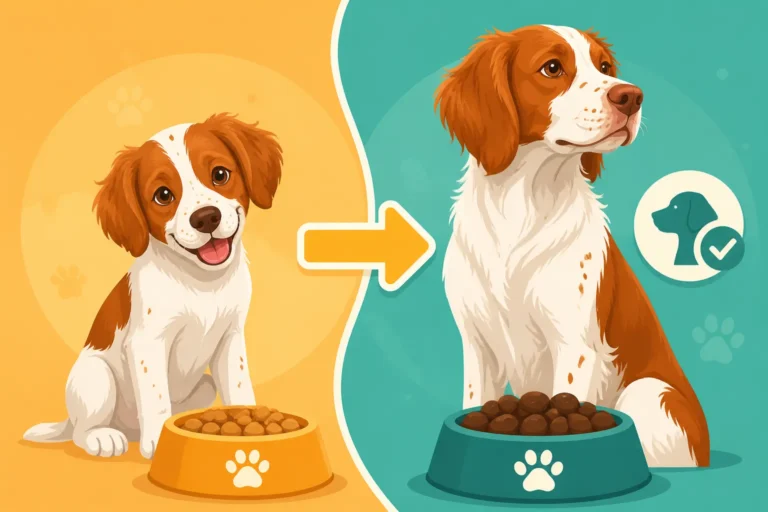
Nutrition plays a huge role here. A working Brittany in late season needs sufficient calories and nutrients to fuel their activity and maintain their body temperature. You might consider a high-quality performance kibble, readily available from online retailers like Chewy, specifically formulated for active dogs. Some owners even incorporate fresh food options, like those offered by Ollie, to ensure optimal nutrient absorption and energy levels. It’s not just about quantity, but the right kind of fuel. An underlying health issue, even a minor one, can also compromise a dog's ability to regulate its temperature. A dog fighting off a minor infection or dealing with mild arthritis might feel the cold more acutely.
Environmental Conditions
Temperature alone doesn't tell the whole story. The "feels like" temperature, a combination of actual air temperature, wind speed, and humidity, is far more important. A dry, still day at 20 degrees Fahrenheit might be manageable for a working Brittany, but a damp, windy day at 30 degrees could be far more dangerous.
- Wind Chill: Wind strips away the thin layer of warm air trapped in the dog's coat, accelerating heat loss. A good wind break, whether natural cover or a protective vest, becomes essential.
- Moisture: As discussed earlier, wetness is the enemy of insulation. Rain, wet snow, or even heavy dew can saturate a Brittany's coat, rendering its natural insulation nearly useless. If your dog is retrieving from water, even cold water, their core temperature can drop dramatically in a very short time. Whether a Brittany Needs a Neoprene Vest for Water directly addresses this concern.
- Ground Temperature: Standing or lying on cold, wet ground will draw heat away from your dog's paws and belly. Consider how often your dog is in direct contact with the frozen earth.
Acclimation and Age
Dogs, like humans, can acclimate to cold weather over time. A Brittany that has been living and training outdoors in progressively colder temperatures throughout the fall will generally be better prepared for late-season conditions than one suddenly plunged into winter after spending weeks in a warm house. Gradual exposure helps their bodies adapt, growing a denser undercoat and adjusting their metabolism.
Age also plays a significant role. Very young puppies have less body fat and less developed thermoregulation systems, making them highly susceptible to cold. On the other end of the spectrum, senior Brittanys often have a harder time regulating their body temperature due to slower metabolism, thinner coats, and potential underlying health conditions like arthritis, which can make them reluctant to move and generate heat. What Changes in an Aging Brittany details many of these considerations. Owners of older Brittanys need to be especially vigilant about cold weather protection.
Recognizing the Signs of Cold Stress and Hypothermia
Your Brittany is a trooper; they're bred to hunt and they absolutely love it. This intense drive can sometimes make it difficult for them to show you when they're getting too cold. They might push through discomfort, eager to please and find birds, masking crucial warning signs. As their owner, it's your responsibility to be hyper-aware and constantly monitor them, because by the time they're obviously struggling, they could be in serious trouble.
Subtle Early Warning Signs
The early signs of cold stress are often subtle, and you might easily miss them if you're not looking carefully. Your Brittany's natural exuberance can make these indications hard to spot.
- Shivering: This is the most common and obvious sign. While a little shivering after a very cold retrieve might be normal, persistent or intense shivering, especially when not actively working, is a red flag.
- Hunching or Curling Up: A dog trying to conserve heat will often hunch their back, tuck their tail, and pull their limbs close to their body, trying to minimize exposed surface area. They might stand with their paws tucked up, trying to keep them off the cold ground.
- Reluctance to Move or Slowing Down: Your usually energetic Brittany might seem less enthusiastic, moving slower than usual, or even lagging behind. They might be less responsive to commands or seem generally lethargic. This isn't laziness; it's their body diverting energy to staying warm.
- Seeking Shelter: If your dog tries to huddle behind you, behind a bush, or in any sheltered spot, they're instinctively trying to get out of the wind or cold.
- Whining or Vocalizing: Some dogs might whine softly, which is another way of communicating discomfort. This can be easy to attribute to eagerness for a bird, but it could also be a plea for warmth.
- Pale Gums or Skin: In more severe cases of cold, the blood vessels constrict to conserve heat for vital organs. This can lead to paler gums (check under their lip) or colder-than-normal skin on the ears, paws, and tail.
It's crucial to remember that a Brittany's drive might make them push past these early warnings. Unlike Signs a Brittany Is Overheating in the Field, where lethargy might be more immediate, cold can creep up on them.
Advanced Hypothermia Symptoms
If the early signs of cold stress are ignored, or if conditions are particularly harsh, your Brittany can quickly progress to hypothermia, which is a life-threatening condition where the dog's core body temperature drops dangerously low. This is an emergency and requires immediate intervention.
- Severe Lethargy and Weakness: The dog becomes extremely sluggish, moves with difficulty, and may stumble or appear disoriented. Their movements will be uncoordinated.
- Rigid Muscles: As the body temperature drops further, muscles can become stiff and painful. The dog might walk with a stiff gait or struggle to stand.
- Dilated Pupils and Slowed Reflexes: Their eyes may appear unfocused or glassy, and their reactions will be noticeably delayed.
- Shallow Breathing and Slow Heart Rate: Their breathing will become very slow and shallow, and their heartbeat will be weak and difficult to feel.
- Loss of Consciousness: In the most severe stages, the dog will lose consciousness and may appear to be in a coma.
If you observe any of these advanced symptoms, your Brittany needs immediate emergency veterinary care. While en route, begin warming them gently.
First Aid for a Chilled Brittany
Acting quickly and calmly can make a huge difference if your Brittany is experiencing cold stress or the early stages of hypothermia.
- Remove from Cold: Get your dog out of the cold environment immediately. This means into a warm vehicle, a heated shelter, or even tucked under your coat if you're still in the field.
- Dry Thoroughly: If your Brittany is wet, drying them completely is paramount. Use towels aggressively to rub them dry. If you have a hair dryer, use it on a low, warm setting (never hot!) and keep it moving to avoid burning their skin. Pay special attention to their belly, armpits, and between their toes.
- Warm Gently: Wrap your dog in warm, dry blankets or towels. If possible, use external heat sources like warm (not hot!) water bottles wrapped in towels, or chemical heat packs, placed against their armpits and groin. Never use direct, intense heat as it can cause burns or rapid vasodilation which can worsen their condition.
- Offer Warm Fluids: If your dog is conscious and able to swallow, offer small amounts of warm (not hot) chicken broth or water. This can help raise their internal temperature. Do NOT force liquids on an unconscious or severely lethargic dog, as they could aspirate it.
- Seek Veterinary Attention: Even if your dog seems to recover, it's always a good idea to have them checked by a vet after a severe chilling incident, especially if they showed signs of advanced hypothermia. There could be underlying issues or complications that require professional care.
Being proactive and recognizing the subtle cues your Brittany gives you is far better than reacting to an emergency.
Strategies for Keeping Your Brittany Warm in Late Season
Now that we understand the limitations of a Brittany's coat and the risks of cold exposure, let's talk about proactive steps you can take to ensure your dog stays warm and safe during those exhilarating, yet challenging, late-season hunts. This isn't just about comfort; it's about extending their hunting career and preventing serious health issues.
Protective Gear: Vests and Boots
Just as you layer up for a cold day in the field, your Brittany can benefit from protective gear. This isn't "dressing up" your dog; it's providing essential protection for a working animal.
- Insulated Vests: For cold, dry conditions, an insulated dog vest can add a crucial layer of warmth. These are often made from materials like fleece or synthetic insulation, designed to trap body heat without adding too much bulk. They protect the core body, which is vital for maintaining overall warmth. Look for vests that are durable and won't snag easily on brush. Many options can be found on Amazon, offering different levels of insulation and coverage.
- Neoprene Vests: If your late-season hunts involve water retrieves, a neoprene vest is non-negotiable. Neoprene works by trapping a thin layer of water against the dog's body, which is then warmed by their body heat, creating a thermal barrier. This is exactly what wetsuits do for divers. A good neoprene vest fits snugly, covering the chest and belly, and can significantly reduce the risk of hypothermia after water work. Whether a Brittany Needs a Neoprene Vest for Water is definitely a "yes" in cold water conditions.
- Boots/Paw Protection: While often overlooked, a Brittany's paws are highly exposed to cold, wet, and abrasive ground. Ice, frozen mud, and sharp stubble can not only cause painful cuts and cracks but also lead to rapid heat loss. Dog boots can provide insulation and protection. They might take some getting used to for your dog, so introduce them gradually before the season. Look for durable, well-fitting boots that stay on during vigorous activity. How to Toughen a Brittany's Pads can help with overall paw health, but boots offer an extra layer of defense against extreme conditions.
Post-Hunt Care: Immediate Drying and Warmth
What happens immediately after the hunt is just as important as during the hunt itself. A wet, tired Brittany is prime for chilling.
- Immediate Drying: As soon as you're done hunting, start drying your Brittany. Keep plenty of absorbent towels in your truck. Rub them down vigorously, paying close attention to their feathering, belly, and ears. If you have a portable dryer that plugs into your car's power outlet, that can be a lifesaver. The goal is to get them as dry as possible, as quickly as possible.
- Warm Transport: Your truck should be warm. Don't let your Brittany sit in a cold dog box or crate after a hunt, even if they're mostly dry. Use insulated crate covers, warm blankets, or even a heating pad on a low setting (if safe and monitored) to keep their space cozy. A well-insulated dog box is also beneficial. What to Do With a Brittany After Every Hunt includes detailed steps for this crucial phase.
- Warm Indoors: Once home, your Brittany should ideally come indoors to a warm, dry place. A cozy bed away from drafts is perfect. Continue drying if necessary. Ensure they have fresh water and a chance to decompress. Whether a Brittany Should Sleep Indoors in cold weather is generally recommended to ensure their full recovery and warmth.
Nutrition and Hydration
A Brittany burns an incredible amount of calories in the field, and even more so when trying to stay warm in cold weather. Fueling them correctly is paramount.
- Performance Food: During hunting season, especially late season, your Brittany will benefit from a high-quality, high-protein, high-fat performance dog food. These foods are formulated to provide the sustained energy needed for intense activity and the extra calories required to maintain body temperature. How Much a Working Brittany Eats in Season will likely be significantly more than their off-season diet. Monitor their weight and adjust food intake as needed to ensure they stay in optimal working condition.
- Strategic Feeding: Some owners find it beneficial to feed a portion of the daily ration a few hours before the hunt to provide energy, and the remainder after the hunt to aid recovery and replenishment. Avoid feeding a large meal immediately before strenuous activity to prevent bloat.
- Hydration: Dogs can still get dehydrated in cold weather, sometimes even more so because they might be less inclined to drink icy water. Offer warm (not hot) water frequently throughout the day, both in the field and back at the truck. You can even add a splash of broth to encourage drinking. Dehydration can impair their ability to regulate body temperature.
Limiting Exposure and Smart Planning
Sometimes, the best strategy is simply knowing when to call it a day or adjust your plans.
- Know the Forecast: Don't just check the temperature. Look at wind chill, precipitation, and humidity. A seemingly mild temperature can be deceiving when combined with strong winds or sleet.
- Shorter Hunts or Breaks: If conditions are truly brutal, consider shorter hunting sessions, or incorporate frequent, warm breaks in the truck. If you're hunting with multiple dogs, rotate them to give each one a chance to warm up.
- Avoid Extreme Conditions: There's a point where it's simply too cold, wet, or windy for safe hunting, even with protective gear. Your Brittany's health and safety should always take precedence over bagging a bird.
- Provide Shelter: If you're taking a lunch break or resting, ensure your Brittany has a sheltered spot out of the wind and off the cold ground. A tarp, a portable dog blind, or even just huddling close to you can make a difference.
By combining an understanding of your Brittany's natural capabilities with smart gear choices, attentive post-hunt care, proper nutrition, and thoughtful planning, you can ensure that your beloved hunting partner remains comfortable and healthy, ready for many more seasons in the field, even when the weather turns truly challenging.
Late Season Brittany Warmth Checklist
To help you prepare for those chilly late-season hunts, here's a quick checklist of essential considerations and items to bring.
| Item/Consideration | Importance | Notes |
|---|---|---|
| Weather Check | Crucial | Air temp, wind chill, precipitation. If "feels like" is below 15-20°F, extreme caution or reconsider. |
| Insulated Vest | High (Dry Cold) | Traps body heat; protects core. Look for durable, non-snagging materials. |
| Neoprene Vest | Essential (Wet/Water) | Mandatory for water retrieves. Ensures snug fit. |
| Paw Protection (Boots/Wax) | High | Prevents cuts, cracks, and frostbite. Apply paw wax for minor protection, use boots for heavy-duty. |
| Absorbent Towels | Essential | Multiple towels for immediate drying post-hunt. Microfiber works well. |
| Warm Blankets/Crate Pad | High | For dog box/crate in truck. Provides insulation and comfort during transport. |
| Heated Truck/Shelter | Crucial | Immediate access to a warm space after the hunt is paramount. |
| Performance Dog Food | High | Higher protein/fat content to fuel energy and warmth. Adjust quantity based on activity. |
| Warm Water/Broth | High | Encourages hydration; helps maintain core temp. Use an insulated bottle. |
| First Aid Kit | Essential | For minor cuts, abrasions, and general field emergencies. Include emergency blanket. |
| Backup Dog/Shorter Hunt | Moderate (Conditions Dependent) | Consider rotating dogs or reducing hunt duration in extreme cold. |
| Owner Vigilance | Paramount | Constantly watch for signs of shivering, slowing down, or discomfort. Your dog may hide their pain. |
Disclaimer
This article is for general informational purposes only and does not constitute professional advice. Laws, prices and regulations vary by location and change over time. Consult a qualified professional for guidance on your specific situation.