How to Toughen a Brittany’s Pads
As a Brittany owner, there's nothing quite as heartbreaking as watching your spirited companion limp back to the truck after a fantastic day in the field, their eagerness replaced by obvious discomfort from sore or even torn paw pads. It’s a common frustration for us bird dog enthusiasts, especially when the season kicks into high gear, and our dogs are putting in mile after mile over varied, often harsh, terrain. This comprehensive guide is here to walk you through exactly how to prepare, protect, and toughen your Brittany's pads so they can hunt hard all season long with healthy, resilient feet.
Understanding the Vulnerability of Brittany Paw Pads
Our Brittanys are built for action, for covering ground, and for finding birds. But all that running and stopping takes a toll, and their paw pads are often the first casualty if not properly cared for. These seemingly tough cushions on their feet are actually quite sensitive and can be prone to injury.
The Anatomy of a Working Dog's Paw
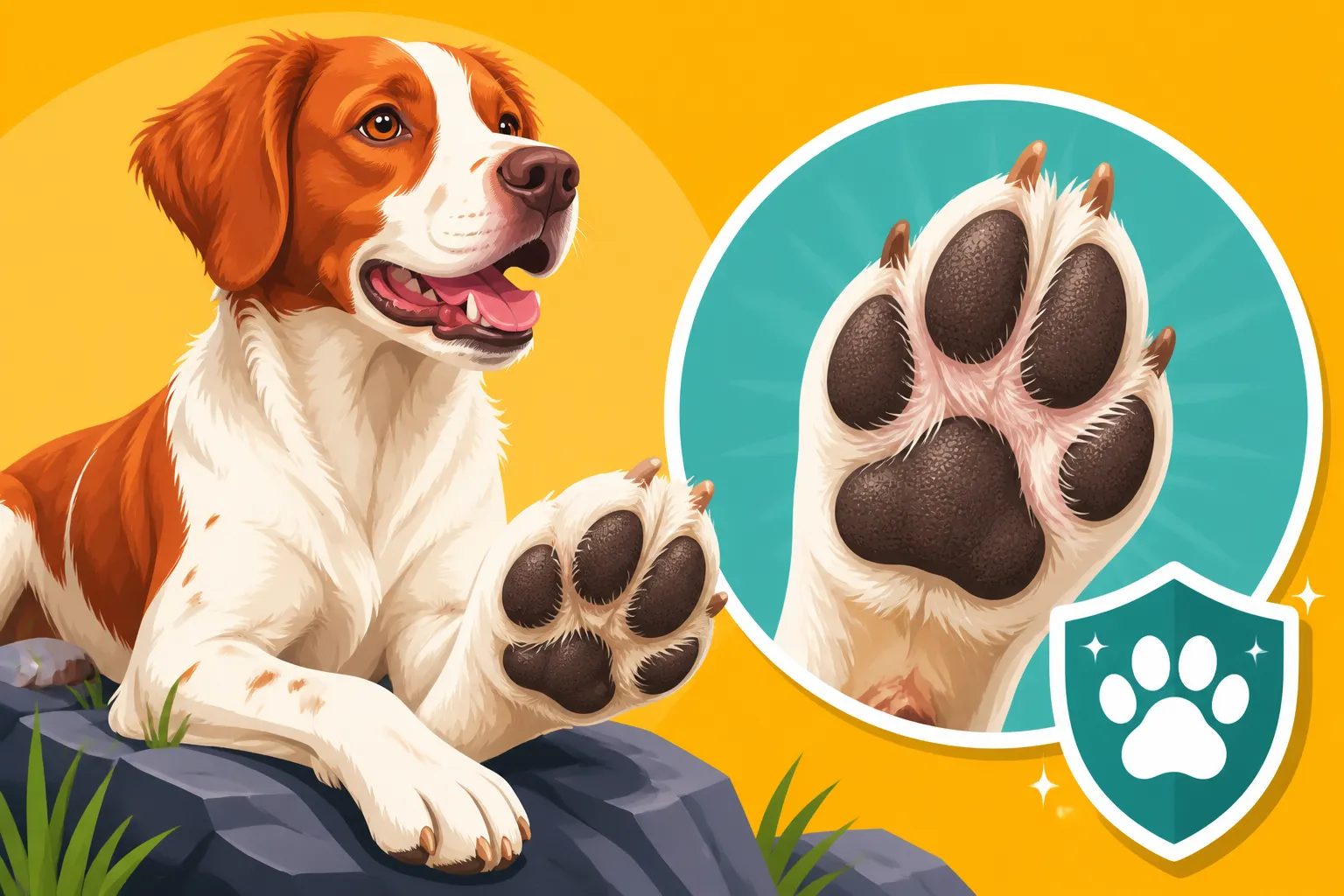
Think of your Brittany's paw as a marvel of natural engineering. Each paw consists of several pads: a large central metacarpal or metatarsal pad, two dewclaw pads (if present), and four digital pads (the "toes"). These pads are covered in thick, pigmented skin, often tough and rubbery, designed to absorb shock, provide traction, and protect the delicate bones and tendons within. Below the surface, there's a fatty, elastic tissue layer that further cushions impact. However, even with this natural protection, these pads can become soft or damaged, especially if your Brittany isn't consistently working on varied terrains. The sheer force of running over stubble fields, rocky trails, or frozen ground can lead to abrasions, cuts, cracks, and tenderness that sidelines a dog faster than anything.
Why Pads Get Soft and Vulnerable
Just like human hands, paw pads adapt to the work they do. If your Brittany spends most of the off-season lounging on soft carpets and manicured lawns, their pads will naturally become softer. Then, when hunting season arrives and they're suddenly hitting rough terrain for hours on end, their pads simply aren't ready for the abuse. Imagine going from walking barefoot on a beach to hiking a rocky mountain trail without any preparation – that's what it's like for their feet. Humidity, prolonged wet conditions, or even certain cleaning products can also soften the pads, making them more susceptible to injury. A Brittany that is well-conditioned otherwise but has soft pads is still a Brittany that risks injury in the field.
Common Pad Injuries in the Field
The list of potential pad woes is unfortunately long. You might encounter simple abrasions where the top layer of skin has been rubbed raw, making the pad tender. Deeper cuts from sharp rocks, glass, or even a forgotten piece of barbed wire can be more serious, potentially requiring stitches. Cracks, especially in dry or cold weather, can be incredibly painful and expose underlying tissues to infection. Why a Brittany's Pads Crack in Winter is a related concern. Punctures from thorns, burrs, or sharp sticks are also common. Then there are burns from hot asphalt in early season, frostbite from frozen ground in late season, and chemical burns from things like road salt or agricultural sprays. Each type of injury demands attention, and preventing them starts with toughening those pads.
Preventative Measures and Early Conditioning
The key to resilient paw pads isn't a quick fix, but a consistent, thoughtful approach that starts long before opening day. Think of it as building calluses: it takes time and gradual exposure.
Gradual Exposure to Varied Terrain
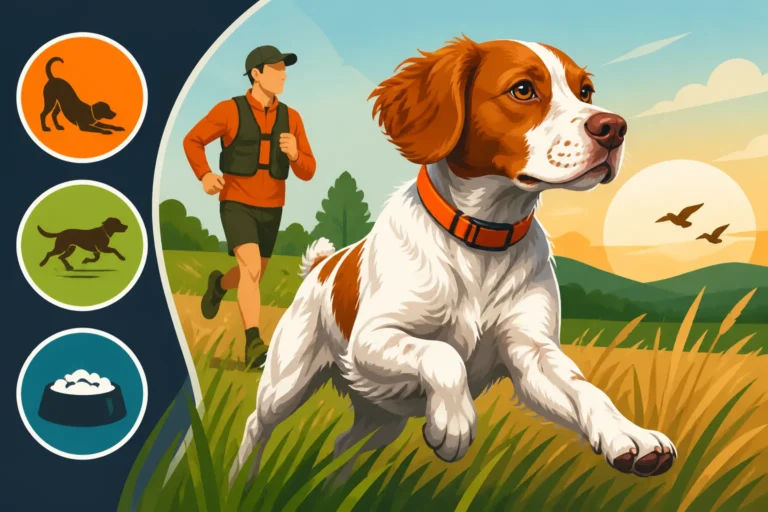
This is, by far, the most effective way to toughen your Brittany's pads. Instead of keeping them strictly on soft surfaces during the off-season, gradually introduce them to more challenging environments. Start with short walks on gravel paths, concrete sidewalks, or packed dirt trails. As their pads adapt, increase the duration and intensity, moving to rougher ground like stubble fields (when safe and permitted), rocky paths, or even slightly abrasive artificial turf. The goal isn't to inflict pain or cause injury, but to stimulate the pads to thicken and harden naturally. This conditioning process should begin months before hunting season. Remember, a fit Brittany is a happy Brittany, and conditioning includes their feet! How Many Weeks a Brittany Needs to Get Fit is something to consider for overall physical preparation.
Consider integrating short bursts of running on these varied surfaces, followed by rest. Over time, the cells on the surface of their pads will toughen, forming a more resilient protective layer. Avoid extreme changes in temperature or surface types too quickly. A gradual approach prevents damage while building strength.
The Role of Nutrition and Hydration
What goes into your Brittany's body directly impacts the health of their skin, coat, and yes, their paw pads. A diet rich in essential fatty acids (Omegas 3 and 6) supports healthy skin and contributes to pad integrity. Look for high-quality dog foods that list these fatty acids, often derived from fish oils or flaxseed. Brands like Ollie often emphasize whole, nutritious ingredients that contribute to overall health, including skin and paw health. If your dog food doesn't provide enough, a supplement might be beneficial.
Hydration is equally critical. Dehydrated dogs can have drier, more brittle skin and pads, making them more prone to cracking. Always ensure your Brittany has access to fresh water, especially during exercise and hunting. On a hunt, carry water with you and offer it frequently. How Much a Brittany Should Drink on a Hunt is often underestimated, but it's vital for their overall health and pad resilience.
Supplements for Paw Health
While a balanced diet is foundational, some owners find certain supplements beneficial for paw pad health.
- Omega-3 Fatty Acids: As mentioned, these are excellent for skin elasticity and reducing inflammation. Fish oil is a common source, available at pet stores or online marketplaces like Amazon or Chewy.
- Biotin: This B-vitamin is known to support healthy skin, hair, and nails, which can translate to stronger paw pads.
- Zinc: Essential for cell growth and repair, zinc deficiency can sometimes manifest as skin and paw issues.
Before adding any new supplements to your Brittany's regimen, it's always wise to consult with your veterinarian. They can help you determine if there's a genuine need and recommend appropriate dosages, ensuring you're not over-supplementing or interacting negatively with existing medications.
| Strategy | Description | Benefits | When to Apply |
|---|---|---|---|
| Gradual Exposure | Slowly introduce your Brittany to increasingly rough and varied terrain (gravel, pavement, stubble fields) over several weeks or months. | Builds natural calluses, thickens pads, increases resilience. | Off-season, leading up to hunting season. |
| Balanced Nutrition | Feed a high-quality diet rich in Omega-3/6 fatty acids, vitamins (Biotin), and minerals (Zinc). Ensure consistent hydration. | Supports skin elasticity, reduces brittleness, aids healing. | Year-round, especially intensified pre-season. |
| Paw Balms/Waxes | Apply protective balms or waxes before field work to create a barrier and moisturize pads. | Protects against abrasion, moisture loss, and extreme temperatures. | Before and after each hunt/field outing. |
| Regular Inspections | Daily visual and tactile checks of all paw pads for cuts, cracks, tenderness, or foreign objects. | Early detection of issues, preventing escalation of minor injuries. | Daily, especially after active periods. |
| Proper Nail Trims | Keep nails short to prevent splaying of toes and uneven weight distribution on pads, which can lead to stress and injury. | Promotes correct paw structure and pressure distribution. | Every 2-4 weeks, as needed. |
In-Season Care and Maintenance
Once hunting season is underway, the focus shifts from conditioning to meticulous maintenance and protection. This is where consistent routines can make all the difference in keeping your Brittany's feet in top form.
Daily Checks and Cleaning
This is non-negotiable for a working Brittany. After every outing, whether it's a short training session or a full day in the field, you need to thoroughly inspect your dog's paws. How Often a Brittany's Pads Should Be Checked cannot be stressed enough – daily is best during hunting season.
- Visual Inspection: Look closely at each pad for cuts, scrapes, cracks, redness, swelling, or any embedded foreign objects like burrs, thorns, or grass awns. Don't forget to check between the toes and pads, as these areas are notorious hiding spots.
- Tactile Examination: Gently press and feel each pad. Is it unusually warm? Does your Brittany react with pain? Are there any lumps or bumps that weren't there before?
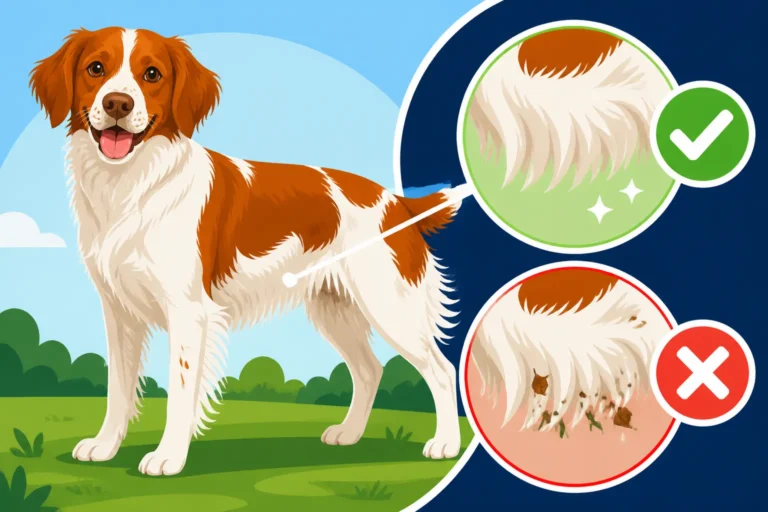
- Cleaning: Wipe down the paws with a damp cloth to remove dirt, debris, and any potential irritants. If your Brittany has been in muddy or marshy conditions, a quick rinse with clean water is a good idea. Ensure the pads are thoroughly dried afterward, especially between the toes, to prevent moisture-related issues like yeast infections or softening of the skin.
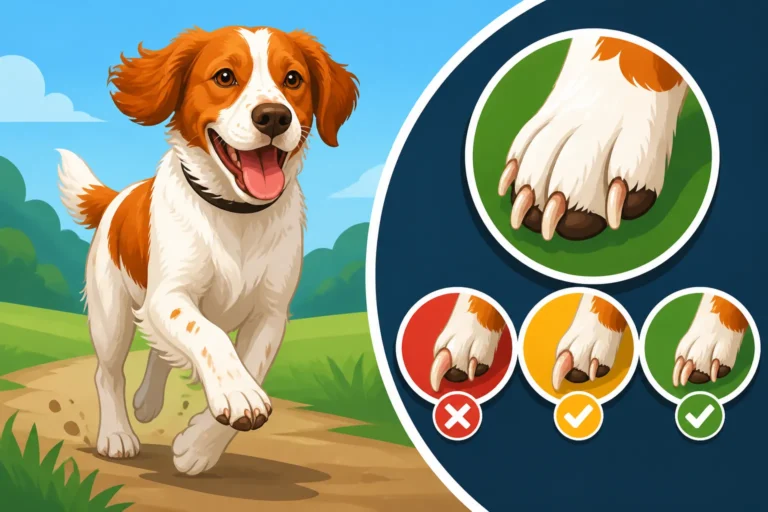
- Nail Care: Don't forget the nails! Overly long nails can cause the toes to splay, putting unnatural pressure on the pads and making them more prone to injury. Keep them trimmed short enough so they don't touch the ground when your Brittany is standing.
Using Paw Balms and Waxes
These products act as a protective layer, much like a barrier cream for human skin. They can be incredibly helpful for Brittanys working in harsh conditions.
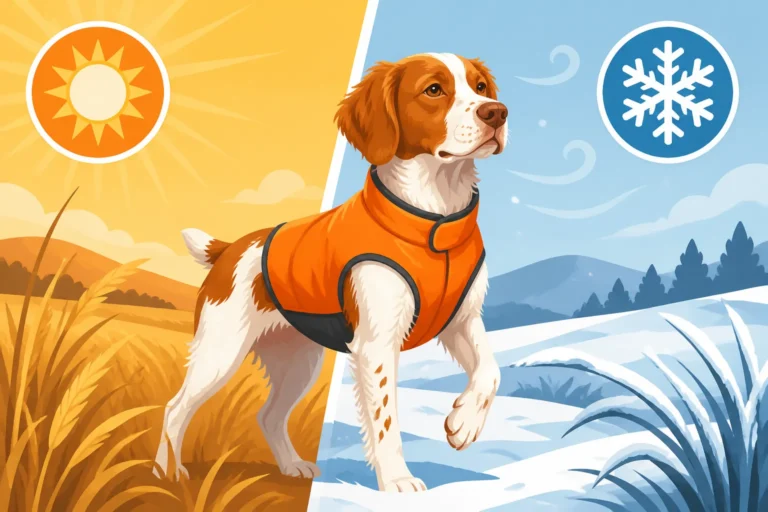
- Paw Waxes: Products like Musher's Secret or other commercially available paw waxes form a semi-permeable barrier on the pads. This barrier helps protect against extreme temperatures (both hot pavement and frozen ground), abrasive surfaces, and chemical irritants like de-icing salts. It can also help prevent snow and ice from building up between the pads in winter. Apply a thin layer before heading out into the field, ensuring it's rubbed in well. You can find these at pet supply stores or through online retailers like Chewy or Amazon. Whether a Brittany Needs Paw Wax is a common question, and for active hunting dogs, the answer is often a resounding yes!
- Paw Balms/Moisturizers: These are typically used after a hunt to soothe and moisturize dry, cracked, or tender pads. Ingredients like shea butter, coconut oil, or various essential oils can help keep the pads supple and prevent cracking. Consistent moisturizing can improve pad elasticity, making them less prone to tearing.
Choose products specifically formulated for dogs and always check the ingredients for anything that might be irritating or toxic if licked.
The Debate: Boots vs. Bare Paws
This is a hot topic among bird dog owners! Some swear by dog boots, while others prefer their dogs to go au naturel. There are pros and cons to both.
- Boots:
- Pros: Provide excellent protection against sharp objects, extreme temperatures, and abrasive surfaces. They can be invaluable for dogs with existing pad injuries or those working in exceptionally rugged terrain. They can also prevent ice balls from forming between toes in snowy conditions. Whether a Brittany Needs Boots in the Field often comes down to the specific conditions you're hunting in.
- Cons: Some dogs dislike them and may try to remove them. They can sometimes rub or cause blisters if not fitted properly. Over prolonged use, boots can prevent the pads from naturally toughening, making the dog more reliant on them. They also require careful selection for fit and durability; cheap boots rarely last a full hunt.
- Bare Paws:
- Pros: Allows for natural pad toughening and optimal ground feel. Many Brittanys prefer the freedom of bare paws.
- Cons: Leaves pads vulnerable to injury from sharp objects, extreme temperatures, and prolonged abrasion.
The best approach often depends on your specific hunting conditions, your Brittany's individual pad toughness, and whether they tolerate boots. Many hunters carry boots in their first aid kit for emergencies, even if their dog normally hunts bare-footed. If you choose boots, introduce them gradually during training sessions before a big hunt to allow your Brittany to get accustomed to them.
Treating and Recovering From Pad Injuries
Despite our best efforts, injuries can still happen. Knowing how to react swiftly and appropriately can prevent minor issues from escalating into major problems that sideline your Brittany for weeks.
First Aid for Minor Pad Issues
You're out in the field, and your Brittany suddenly pulls up, favoring a paw. What now? Your basic field first aid kit is your best friend here.
- Assess the Injury: Gently lift the paw and examine all pads and between the toes.
- Minor Scrapes/Abrasions: If it's just a superficial scrape, clean the area with sterile saline or clean water, apply an antiseptic spray or ointment (dog-safe, of course!), and consider covering it with a paw bandage or a boot for the rest of the day to protect it.
- Small Cuts: Clean the wound thoroughly. If it's not bleeding heavily and appears shallow, you can apply gentle pressure with a clean cloth, then an antiseptic, and cover it.
- Embedded Objects: For burrs or small thorns, carefully remove them with tweezers. If it's deeply embedded or causes significant pain, don't try to dig it out yourself; protect the paw and head to the vet.
- Cleanliness is Key: Always clean any wound immediately. Dirt and bacteria are the fastest routes to infection.
- Protection: Once cleaned, cover the injured pad. A self-adhering veterinary wrap (often called Vetrap) combined with a gauze pad works well. Make sure it's snug but not too tight – you should be able to slide a finger under the top edge of the wrap. You might then put a dog boot over the bandage for extra protection.
- Rest: Even for minor injuries, a period of rest is crucial. Keep your Brittany off that paw as much as possible to allow healing. This might mean shortening future hunts or even taking a day or two off. For a more detailed guide, check out How to Treat a Brittany's Torn Pad.
When to See the Vet
It's tempting to try and handle everything yourself, but some injuries absolutely warrant a professional opinion.
- Deep Lacerations: If a cut is deep, wide, or bleeding profusely, it likely needs stitches. These wounds are prone to infection and often heal much better with proper veterinary closure.
- Persistent Bleeding: If you can't stop the bleeding with sustained pressure after 10-15 minutes, it's a vet emergency.
- Limping/Pain: If your Brittany is severely lame, refusing to put weight on the paw, or showing extreme pain, get them to a vet. There might be a deeper injury, fracture, or severe infection.
- Infection Signs: Redness, swelling, pus, foul odor, or increased warmth around the wound are all signs of infection. Your vet can prescribe antibiotics and proper wound care.
- Embedded Objects: If a foreign object is deeply embedded and you can't easily remove it, or if you suspect it has penetrated deeply, let a vet handle it to avoid further damage or pushing the object deeper.
- Non-Healing Wounds: If a pad injury doesn't show signs of improvement within a few days, or seems to be getting worse, a vet visit is in order.
Don't hesitate to contact your vet, even if you're unsure. A quick call can often help you determine if a visit is necessary. Better safe than sorry when it comes to your hunting partner's well-being.
Rehabilitation and Rest
Recovery isn't just about treating the immediate injury; it's also about proper rehabilitation to get your Brittany back in the field safely.
- Controlled Exercise: Once the vet gives the green light, gradually reintroduce exercise. Start with short, leashed walks on soft surfaces. Avoid hard running, jumping, or rough terrain until the pad is fully healed and toughened again. Pushing too hard, too soon, can lead to re-injury or chronic lameness.
- Continued Pad Care: During rehabilitation, continue to apply paw balms or moisturizers to keep the healing pad supple. This helps prevent scar tissue from becoming rigid and prone to cracking.
- Monitoring: Keep a close eye on the healing pad. Any recurrence of pain, swelling, or lameness means you've pushed too hard or there's an underlying issue.
- Patience: This is perhaps the hardest part for both you and your high-energy Brittany, but patience is vital. A fully healed and re-toughened pad will serve you both better in the long run. If your Brittany is aging, recovery might take longer. What Changes in an Aging Brittany can include slower healing times. Remember, your goal is a long, healthy hunting career for your companion.
By proactively conditioning, meticulously maintaining, and promptly treating your Brittany's paw pads, you're investing in countless more seasons of joyful hunting. Your dog's feet are their livelihood in the field, and keeping them tough and healthy is a critical part of being a responsible bird dog owner.
Disclaimer
This article is for general informational purposes only and does not constitute professional advice. Laws, prices and regulations vary by location and change over time. Consult a qualified professional for guidance on your specific situation.