Whether a Brittany Should Be Rinsed After a Marsh
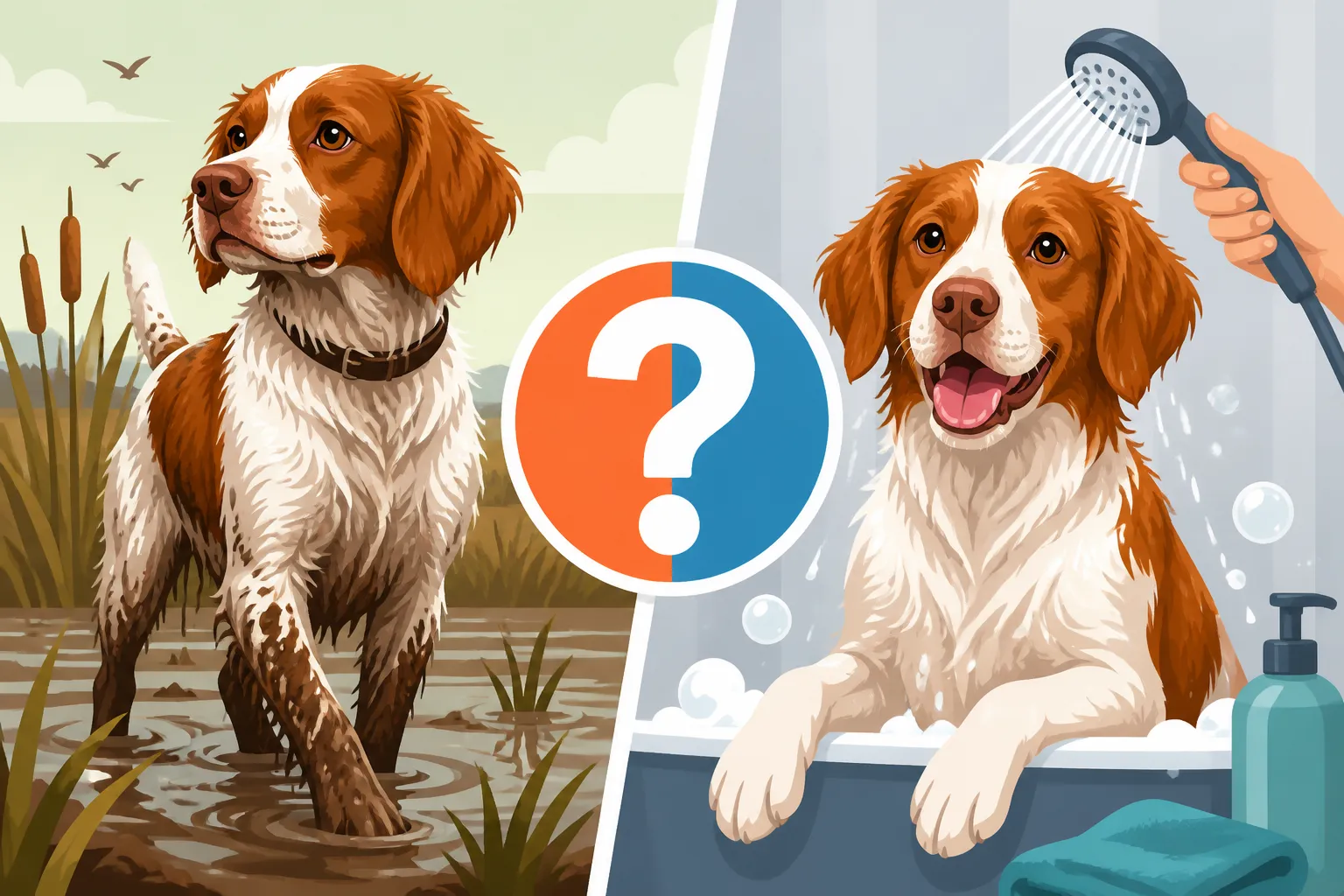
Stepping out of a marsh with your Brittany after a long day of hunting often feels like a victory lap, but when you look down at your muddy, mucky companion, a new challenge immediately presents itself. Marshes, while prime bird habitat, are also a soup of mud, organic debris, bacteria, and who knows what else, all clinging to your dog's beautiful coat and skin, and leaving them unrinsed can lead to a host of problems from skin irritations to potential infections. This guide is all about why a thorough rinse after a marsh outing isn't just a good idea, but an absolute necessity for your Brittany's health and comfort.
The Unique Challenges of Marsh Environments for Brittanys
Marshes are incredible ecosystems, teeming with life, and for a Brittany, they represent the ultimate playground and hunting ground. The scent of waterfowl, the thrill of pushing through thick reeds, the splash of water underfoot – it's what they live for. But these same rich environments also present a unique set of challenges and potential health hazards that every Brittany owner needs to be aware of. It's not just about a dirty dog; it's about what that dirt can bring with it.
What Marshes Leave Behind on Your Brittany
When your Brittany plunges into a marsh, they're not just getting wet; they're getting coated in a complex cocktail of natural and sometimes not-so-natural elements. Imagine a thick stew of mud, fine silt, decaying plant matter, and often, stagnant water. This sticky, gritty mix adheres stubbornly to their double coat, especially in their abundant feathering on legs, belly, and ears.
Beyond the visible grime, there's a microscopic world at play. Algae, fungi, and various bacteria thrive in damp, organic-rich environments like marshes. These microscopic invaders can quickly colonize your Brittany's skin, especially if it's already irritated or has small cuts from pushing through tough cover. The persistent dampness beneath the matted fur creates an ideal breeding ground for these organisms, leading to discomfort, itching, and potentially more serious skin issues down the line. It's like wearing muddy, wet socks for hours after a hike – eventually, your skin is going to protest.
The Hidden Dangers: Parasites and Pathogens
Beyond the visible mud and microscopic flora, marshes are also notorious for harboring a less welcome assortment of guests: parasites and pathogens that can pose significant health risks to your Brittany. These are the silent threats that make a post-marsh rinse absolutely non-negotiable.
Consider the external parasites first. Ticks absolutely adore marshy, brushy environments. They'll cling to tall grasses and wait for a passing host, like your eager Brittany, to latch onto. A marsh hunt can easily mean your dog comes home carrying dozens of these tiny bloodsuckers, each one a potential vector for diseases like Lyme disease, Anaplasmosis, or Ehrlichiosis. Beyond ticks, biting insects like mosquitoes and gnats are also prevalent, causing itchy welts and potentially transmitting heartworm.
Then there are the internal threats. Marsh water, especially if stagnant or shared with wildlife, can be a breeding ground for harmful bacteria and protozoa. Leptospirosis, a serious bacterial infection that can affect kidneys and liver, is often contracted through contact with contaminated water or soil, particularly in areas frequented by wildlife. Whether a Brittany Gets Giardia From Field Water is another concern, as Giardia is a common intestinal parasite found in contaminated water sources, leading to nasty bouts of diarrhea. Even if your Brittany doesn't actively drink the water, they can easily ingest pathogens when grooming themselves after the hunt. The risk isn't just theoretical; it's a real-world concern that experienced marsh hunters take very seriously.
The Imperative of Rinsing After a Marsh Hunt
Given the cocktail of mud, organic matter, and potential pathogens that marshes can expose your Brittany to, the act of rinsing isn't merely about cleanliness; it's a vital component of preventative healthcare. Ignoring a good rinse can open the door to a whole host of problems that are much more difficult and costly to treat than a simple wash.
Preventing Skin Irritation and Infections
The beautiful, flowing coat of a Brittany is wonderfully suited for shedding water and protecting them in the field, but it can also trap moisture and debris against the skin. When your dog emerges from a marsh, the mixture of mud, silt, and decaying plant matter can quickly become abrasive and irritating. If left to dry and mat, this gunk can cause significant discomfort, leading to your Brittany scratching or chewing at themselves.
This constant scratching breaks the skin barrier, creating tiny abrasions that are perfect entry points for bacteria and fungi. What starts as a simple irritation can quickly escalate into a full-blown skin infection, such as pyoderma (bacterial skin infection) or fungal dermatitis. "Hot spots" are also a common culprit – those angry, red, weeping lesions that seem to appear overnight and spread with alarming speed. These are often triggered by moisture and irritation trapped under the fur, exacerbated by the dog's persistent licking and chewing. By thoroughly rinsing your Brittany, you're not just removing dirt; you're washing away the irritants and potential infectious agents before they have a chance to set up shop and cause misery. It's a fundamental step in maintaining healthy skin and a comfortable dog. Why a Brittany's Feathering Hides Skin Trouble makes these issues even harder to spot quickly.
Mitigating the Risk of Internal and External Parasites
Beyond skin issues, rinsing plays a critical role in minimizing exposure to the parasites and pathogens we discussed earlier. While rinsing won't eradicate every single microscopic threat, it significantly reduces the overall load and prevents many common problems.
For external parasites, a good rinse can dislodge loose ticks, fleas, and other insects before they have a chance to firmly attach or make their way to protected areas. While not a substitute for thorough inspection and appropriate parasite prevention (which you should absolutely have in place for a working dog!), a rinse is your first line of defense. Think of it as shaking the unwelcome guests off the doorstep before they can get inside.
For internal threats like Leptospirosis or Giardia, the principle is similar. Even if your Brittany didn't drink directly from a contaminated marsh, the pathogens can cling to their coat, paws, and muzzle. When your dog inevitably grooms themselves later – licking their paws, chewing at an itchy spot – they can ingest these harmful organisms. A prompt and thorough rinse removes a significant portion of these contaminants, drastically reducing the chances of ingestion and subsequent illness. It's a proactive measure that can save you and your Brittany from serious health complications, expensive vet bills, and a lot of worry.
Best Practices for a Post-Marsh Rinse Routine
So, you understand the why – now let's talk about the how. Establishing a consistent post-marsh rinse routine is key to ensuring your Brittany stays healthy and happy throughout the hunting season. It doesn't have to be an elaborate spa day every time, but it does need to be effective.
The Quick Rinse vs. a Full Bath
Not every outing to the marsh demands a full bath with shampoo, but every marsh outing absolutely requires at least a thorough rinse.
The Quick Rinse: This is your everyday go-to. As soon as you get home or even at the tailgate if you have a portable water supply, get that hose out. The goal is to quickly wash off the bulk of the mud, silt, and any immediately visible debris or plant matter. Use lukewarm water if possible, especially on cooler days, to prevent chilling your dog. Pay close attention to the legs, belly, chest, and especially the feathering. These are the areas that collect the most gunk. Think of it as a pre-wash cycle. This rapid removal of surface contaminants prevents them from drying and caking into the coat, which makes later removal much harder and more irritating for your dog. A quick rinse might take 5-10 minutes, depending on how adventurous your Brittany was in the marsh.
The Full Bath: A full bath, complete with shampoo, is necessary when your Brittany is particularly mucky, has been exposed to particularly foul-smelling water, or if you suspect they have a lot of skin irritation or potential irritants deeply embedded. It's also a good idea after a few quick rinses, just to ensure a deeper clean. For a full bath, choose a good quality dog shampoo. There are many excellent options available on retailers like Chewy or Amazon, including formulations designed for sensitive skin or for deodorizing. Which Shampoo Suits a Brittany After a Hunt will give you more specific guidance. Lather thoroughly, getting down to the skin, and then rinse even more thoroughly. Any shampoo residue left behind can also cause skin irritation, so be diligent.
When it comes to water temperature, avoid extremes. Freezing cold water might be a shock and could lead to chilling, especially if your dog is already tired from a hunt. Scalding hot water, of course, is a no-go for comfort and skin health. Lukewarm water is always the safest bet.
Essential Tools and Products for a Marsh Rinse
Having the right equipment on hand makes the post-marsh cleanup much smoother for both you and your Brittany. You don't need a professional grooming setup, but a few key items will make a world of difference.
First and foremost, a reliable water source. A garden hose with a spray nozzle works perfectly for a quick rinse. If you hunt in remote areas, a portable camping shower or a large jug of water can be a lifesaver for at-the-truck rinsing. The goal is to get that initial layer of muck off before it dries.
Next, you'll want plenty of absorbent towels. Microfiber towels are fantastic because they soak up a lot of water and help speed up the drying process. Have at least two or three on hand, especially for a full-coated Brittany. You can find these easily on Amazon.
For full baths, a dog-specific shampoo is crucial. Never use human shampoo on your dog, as it can be too harsh for their skin's pH balance. Look for gentle, hypoallergenic options, or those formulated for active dogs that might encounter a lot of dirt. Brands like Earthbath or Burt's Bees are popular choices and readily available through retailers like Ollie (though Ollie is primarily a food subscription, they sometimes carry grooming items, or you'd find similar quality brands elsewhere).
Don't forget about ear care! How Often a Brittany's Ears Need Cleaning is an important topic, and post-marsh is prime time for an ear check. A good ear cleaning solution specifically for dogs is essential. Brittanys, with their long, floppy ears, are prone to moisture and debris getting trapped in their ear canals, which can lead to infections. A gentle drying solution or cleaning wipe can prevent this.
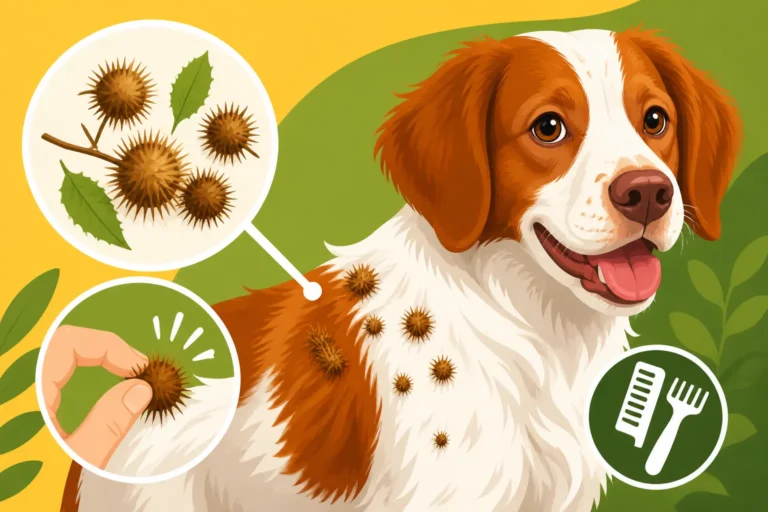
Finally, a sturdy dog brush or comb will be helpful to work through any tangles or remove stubborn burrs that might have made their way into the coat during the marsh adventure. Having a dedicated bucket for collecting muddy water or for pre-soaking really dirty feet can also keep your cleanup area tidier.
| Item | Purpose | When to Use | Importance Rating |
|---|---|---|---|
| Garden Hose/Portable | Initial rinse to remove bulk mud & debris | After every marsh outing | High |
| Absorbent Towels | Drying, especially feathering and ears | After every rinse/bath | High |
| Dog Shampoo | Deep cleaning, deodorizing, skin health | After heavy muck or periodic bath | Medium-High |
| Ear Cleaner/Drying | Preventing ear infections from moisture/debris | After every marsh outing | High |
| Sturdy Brush/Comb | Detangling, removing burrs, checking coat | After every rinse/bath | Medium |
| Bucket | Pre-soak paws, collect dirty water | After very muddy outings | Low-Medium |
Beyond the Rinse: Comprehensive Post-Hunt Care
Rinsing is a fantastic first step, but a truly comprehensive post-marsh care routine goes a little deeper to ensure your Brittany is not just clean, but also healthy, comfortable, and ready for their next adventure. Think of it as a full "systems check" after a demanding mission.
Thorough Drying and Ear Care
One of the most critical steps after rinsing, especially for a Brittany, is thorough drying. Their dense double coat and long feathering, combined with their characteristic drop ears, create perfect pockets for moisture to linger. This trapped moisture is a direct invitation for bacterial and fungal infections, particularly hot spots and ear infections.
Start by towel-drying as much as you can, squeezing water out of the feathering rather than just rubbing it around. Pay extra attention to the belly, armpits, groin, and between the toes. For the ears, gently blot the inside of the ear flap and the entrance to the ear canal. Whether a Brittany's Ears Should Be Dried After Water is a critical question, and the answer is a resounding yes! You can also use a low-heat hairdryer specifically designed for dogs, holding it at a safe distance and keeping it moving to avoid burning the skin. Never use high heat. Make sure your Brittany is completely dry before allowing them to settle down, especially if they'll be in a crate or sleeping indoors. A damp dog can quickly get chilled and uncomfortable.
Beyond simple drying, a dedicated ear check and cleaning are paramount after a marsh hunt. The floppy ears of a Brittany hang close to the head, creating a warm, moist, dark environment ideal for yeast and bacteria to flourish when dampness is introduced. How Often a Working Brittany Gets an Ear Infection is a frequent concern for active Brittanys. Use a veterinarian-approved ear cleaning solution to gently clean the ear canal. Pull the ear flap up and squirt the solution into the canal, then massage the base of the ear to help break up any wax or debris. Allow your dog to shake their head, and then gently wipe away any expelled gunk with a cotton ball or soft cloth. Never use cotton swabs inside the ear canal, as this can push debris deeper or damage the eardrum. Early detection and cleaning can prevent minor irritation from escalating into a painful ear infection.
Full Body Check for Injuries and Unwanted Hitchhikers
Once your Brittany is clean and mostly dry, it's time for the all-important head-to-tail inspection. This isn't just a casual pat-down; it's a systematic check for any injuries, foreign objects, or parasites that might have been picked up during the marsh adventure.
Start with the head and face. Check around the eyes for any debris or irritation. Gently lift the lips and check the gums and teeth for any cuts or embedded sticks. Run your fingers over the ears, feeling for swelling, lumps, or scratches, and make sure the ear canal is clear of grass seeds or other foreign bodies.
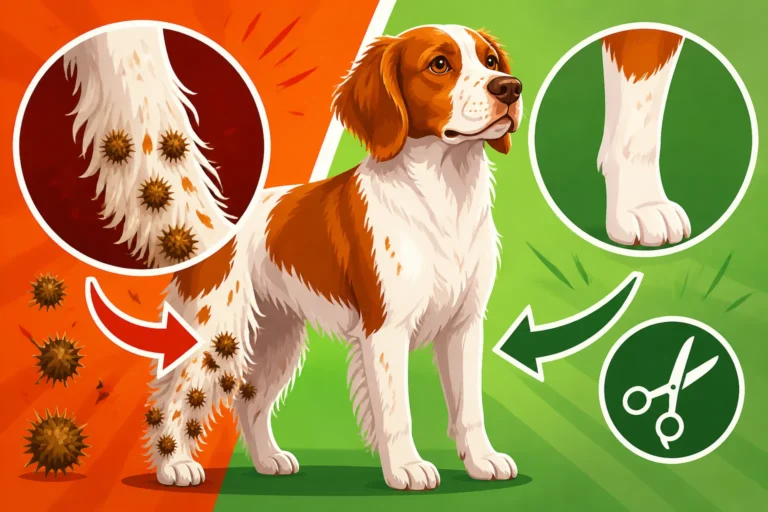
Move down the neck, chest, and shoulders, feeling for any scrapes, punctures, or tenderness. Pay close attention to the feathering on the legs and belly, which can be a magnet for burrs, stickers, and foxtails. How to Get Burrs Out of a Brittany's Coat can be a tedious task, but it's essential to prevent painful mats and skin irritation. Foxtails are particularly insidious; they can burrow into the skin, between toes, or even into ear canals. Where Foxtails Hide on a Brittany will show you the most common places to look.
Next, inspect each paw thoroughly. Marshes often have rough terrain, submerged objects, or sharp stubble that can cause cuts or abrasions on the paw pads. How to Check a Brittany Between the Toes is vital, as mud and debris can hide small wounds or irritating objects. Feel each toe, spread them apart, and check for redness, swelling, or foreign bodies. If you find any cuts, clean them gently with an antiseptic wipe and apply a dog-safe wound ointment.
Finally, run your hands over the entire body, checking for ticks. Even if you've rinsed, some determined ticks can hold on tight. Pay extra attention to warm, dark areas like the armpits, groin, and around the tail. Prompt removal of ticks is crucial to minimize the risk of disease transmission. This full-body inspection should become a ritual after every significant outing, allowing you to catch minor issues before they become major problems. It's an investment in your Brittany's long-term health and well-being.
After a vigorous day in the marsh, your Brittany gives their all, and it's our responsibility as their hunting partners and caregivers to ensure they're properly cared for. A thorough rinse after battling the mud, muck, and hidden dangers of a marsh isn't just about keeping your house clean; it's a crucial act of preventative health that protects their skin, reduces the risk of infection, and keeps them safe from unwanted parasites and pathogens. By making a post-marsh rinse and inspection a consistent part of your routine, you're not just cleaning a dog; you're safeguarding the health and happiness of your beloved Brittany for many more seasons to come.
Disclaimer
This article is for general informational purposes only and does not constitute professional advice. Laws, prices and regulations vary by location and change over time. Consult a qualified professional for guidance on your specific situation.