How to Cool a Brittany Down After a Run
It's a familiar worry for any Brittany owner: you've just finished an exhilarating run, whether in the field chasing birds or an intense training session, and your beloved dog is panting heavily, looking a little too flushed. The panic sets in, wondering if they're just tired or truly overheating. This comprehensive guide is here to walk you through the essential steps to safely and effectively cool your Brittany down after strenuous exercise, helping you prevent serious heat-related issues and ensure their continued well-being.
Immediate Actions the Moment the Whistle Blows
When your Brittany comes off the line, heart pounding and breath coming in quick bursts, those first few minutes are absolutely critical. It’s not just about stopping; it’s about actively managing their body temperature before it can escalate into something more dangerous. The instinct might be to rush them to the water, but there’s a process to follow that prioritizes their safety and physiological needs.
Getting Off the Hot Ground and Into Shade
The ground itself can be a major source of heat, especially blacktop, concrete, or even sun-baked dirt. Think about how hot your own bare feet would get on such surfaces after an hour in the sun. Your Brittany’s paw pads are tough, but they're not immune to absorbing and radiating heat back into their body. This is why the very first thing you need to do is get them off that scorching surface.
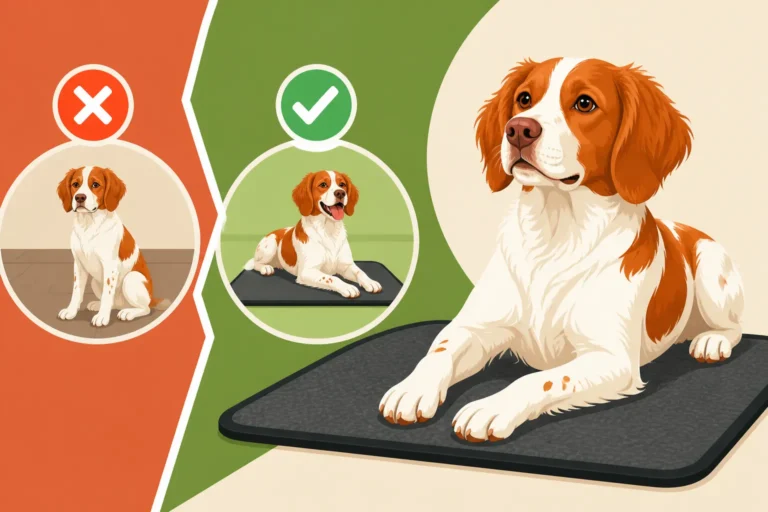
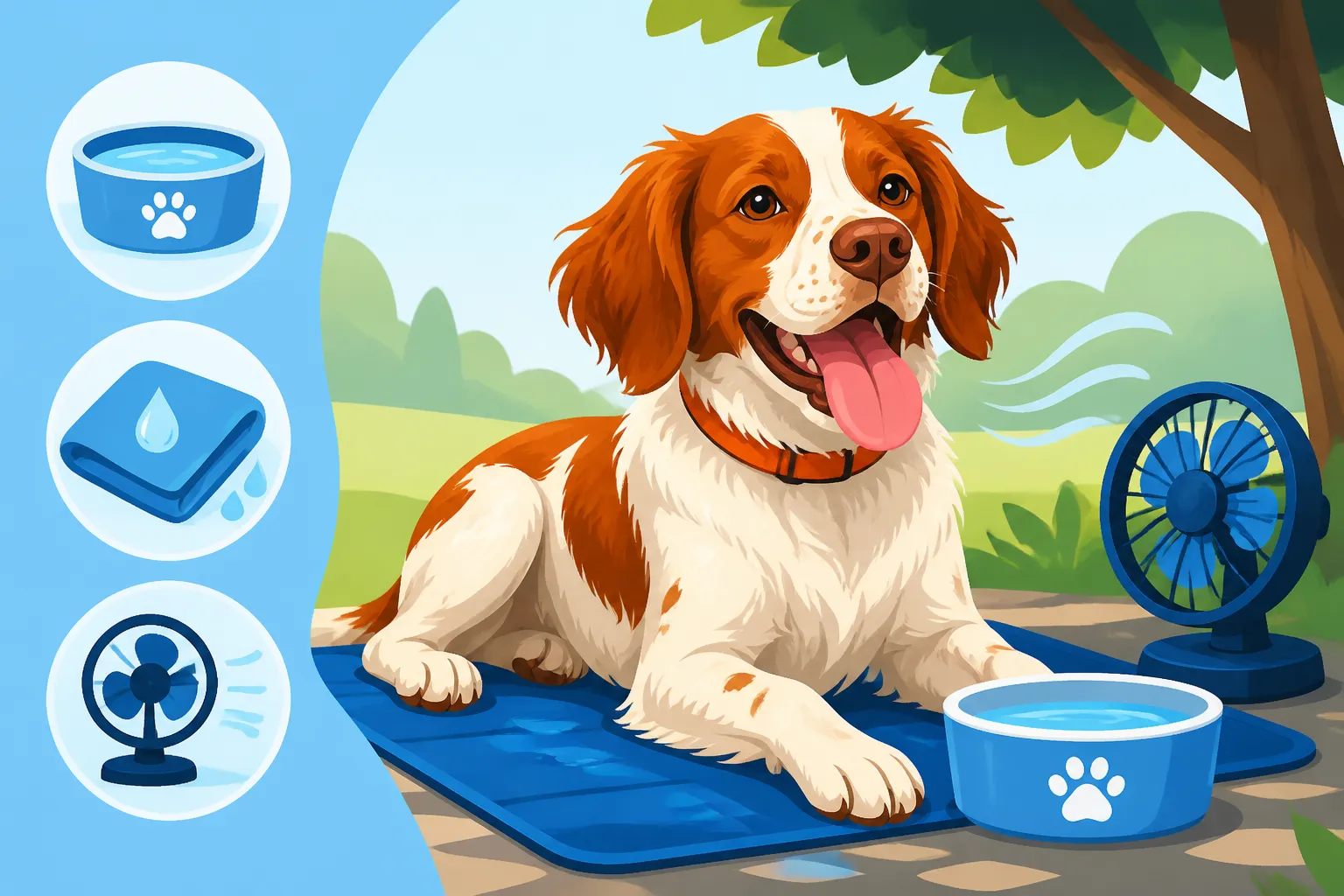
Find the nearest patch of shade—under a tree, the shadow of your truck, or even a portable canopy if you’ve brought one along. Encourage your Brittany to lie down on cooler earth or grass. If you have a cooling mat or a damp towel, now is a great time to introduce it, placing it beneath them to create a barrier from the hot ground. Don't underestimate the power of simply moving them to a cooler environment; it’s a foundational step that buys you precious time and starts the cooling process passively. Even if it feels like just a few degrees difference, those few degrees can make a real impact on their core temperature.
Offering Water Strategically
This is where many owners make a common mistake, albeit with the best intentions. After a hard run, a dehydrated Brittany will often want to gulp down as much water as possible, as fast as possible. However, allowing them to rapidly consume large quantities of cold water can actually be counterproductive, potentially leading to stomach upset, or in severe cases, even bloat (gastric dilatation-volvulus), which is a life-threatening emergency, especially in deep-chested breeds like Brittanys.
Instead of a free-for-all at the water bowl, offer small amounts of cool (not ice-cold) water every few minutes. A good starting point is about a quarter to a half cup at a time, allowing them to drink slowly and calmly. Observe their breathing and panting. As they cool down a bit, their panting should become less frantic. You can also wet their muzzle and tongue directly with your hand or a damp cloth if they're too worked up to drink from a bowl. Some owners even carry a small squeeze bottle or a water bladder with a hose for controlled sips in the field. Remember, the goal is rehydration, not just quenching thirst, so gradual intake is key. For more on keeping them hydrated during activity, read How Much Water a Brittany Needs on a Hunt.
Initial Physical Cooling Techniques
Once your Brittany is in the shade and has had a few sips of water, it’s time for some direct cooling. Focus on areas where they have less fur and major blood vessels are close to the surface, allowing for efficient heat exchange.
- Wet Their Undersides: Use cool (again, not icy) water to wet their belly, groin, armpits, and the insides of their thighs. These are key areas where blood flows close to the skin. You can use a spray bottle, a sponge, or simply pour water gently from a bottle. Avoid dousing their entire back or head with cold water, especially if they are extremely hot, as this can cause the superficial blood vessels to constrict, trapping heat inside their body.
- Cool Their Paws: Their paw pads act as radiators, so immersing their feet in cool water (or even just wetting them thoroughly) can help significantly. If you have a small collapsible bowl, fill it with cool water and let them stand in it for a few minutes.
- Fan Them: A small, battery-operated fan can be incredibly effective. Direct the airflow at their wet areas, especially their belly and chest. The evaporative cooling effect will draw heat away from their body. Even waving a cap or a piece of cardboard can provide some airflow.
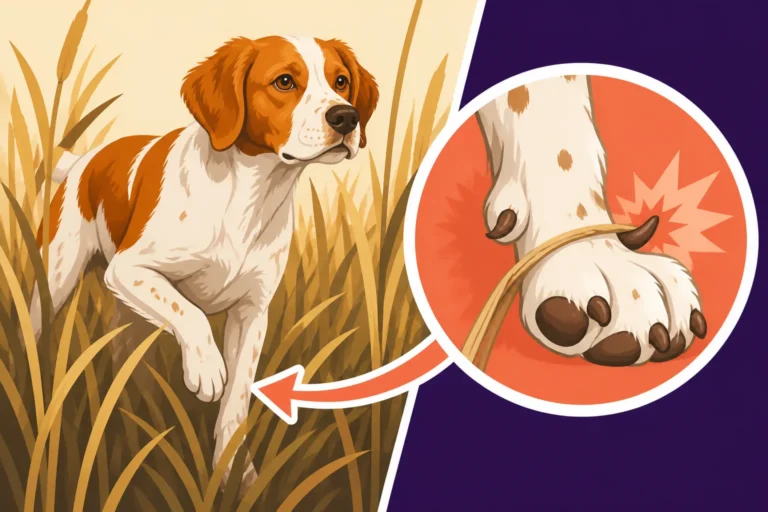
- Check for Burrs and Debris: While you’re cooling them, take a moment to quickly check their coat for any burrs, foxtails, or other debris that might be trapped in their feathering, especially around their ears, armpits, and between their toes. These can irritate their skin and add to their discomfort. You'd be surprised what a quick check can reveal; sometimes a hidden burr is adding to their agitation.
Continuing the Cooling Process and Observation
The initial cool-down at the hunt site or trail head is just the beginning. The journey home or back to camp also requires careful management to ensure your Brittany’s temperature continues to drop safely and steadily. It's about a sustained, gentle approach rather than a sudden shock to their system.
Transporting Your Brittany Safely
The way you transport your Brittany can significantly impact their recovery. A hot vehicle, even with air conditioning, needs to be managed smartly.
- Cool the Vehicle First: Before you even load your dog, run your truck's air conditioning full blast for a few minutes. Get that internal temperature down. A hot truck is like an oven, and even a brief exposure can undo all your good work.
- Ensure Good Airflow: If your Brittany rides in a dog box, make sure there’s ample cross-ventilation. If they ride in the cab, ensure the AC vents are directed towards them, but not blowing directly in their face at full force, which can be uncomfortable. Many owners use a sturdy crate in the back of an SUV or truck bed, with fans for extra circulation. You can even place a damp towel over the top of the crate (never blocking airflow) to provide a small amount of evaporative cooling.
- Monitor Throughout the Drive: Even if they seem to be settling, keep an eye on them. Their breathing should steadily return to normal. If their panting remains heavy, pull over and repeat some of the initial cooling steps. Sometimes, a short break to offer more water and a wet down can make all the difference, especially on a longer drive home. You'll want to avoid them overheating during transit, which is a real possibility, especially on a warm day. Consider reading What Temperature Is Too Warm to Run a Brittany for more insights into safe operating temperatures.
Gradual Cooling at Home or Camp
Once you're home or back at camp, the cooling process isn't over. It's about a gradual return to normal body temperature, avoiding any sudden drops that could cause issues.
- Provide a Cool, Quiet Space: Lead your Brittany to a cool, tiled floor, a shaded area in the yard, or a crate with a cooling mat. Ensure it’s a calm environment where they can relax without further stimulation. Avoid immediate vigorous play or interaction.
- Continue Water Access: Keep fresh, cool water readily available. They might continue to drink small amounts over the next hour or two. You can consider adding a small amount of an electrolyte solution if they’ve been extremely active, but consult your vet first, especially if you're unsure. Products like those found on Chewy or Amazon often include hydration support, but plain water is usually sufficient if they're not showing severe dehydration signs.
- Lightly Dampen Their Coat: A damp, not soaking, towel wiped over their body can provide continued evaporative cooling. Pay attention to their ears, which can get quite warm. While it's tempting to think about full immersion, a full bath immediately after a very intense session can sometimes cause more stress than benefit. Instead, focus on wiping them down.
- Avoid Over-Cooling: Just as important as cooling them down is not over-cooling them. You don't want their body temperature to drop too low. Once their panting has normalized and their gums are a healthy pink, you can ease off the active cooling measures. Their natural thermoregulation will take over from there. You might notice their feathering is quite thick, especially on their legs and belly. While this protects them in cover, it can also trap heat, so ensure those areas are well-ventilated during cooling.
Post-Cooling Check-ups
Even after they appear to be fully cooled down, it’s wise to perform a few checks to ensure everything is truly back to normal.
- Gum Color and Capillary Refill Time: Gently lift their lip and press your thumb against their gums. The color should be a healthy pink, and when you remove your thumb, the white spot should return to pink within 1-2 seconds. Longer than that can indicate dehydration or other issues.
- Hydration Check (Skin Turgor): Gently pull up a small fold of skin on their neck or back. It should snap back quickly. If it returns slowly, they may still be dehydrated.
- Energy Levels and Appetite: Your Brittany should start to perk up, wanting to move around normally and perhaps show interest in a meal. If they remain lethargic or refuse food, it could be a sign that they're still not feeling well.
- Urine Output: Over the next few hours, they should produce normal urine. Dark, concentrated urine can indicate continued dehydration.
- Overall Demeanor: Observe their general mood. A happy Brittany is curious, engaged, and responsive. If they seem unusually quiet, withdrawn, or unwilling to interact, it's worth a closer look.
Recognizing and Responding to Heatstroke Signs
Sometimes, despite your best efforts, a Brittany can still succumb to heat stress, leading to a dangerous condition known as heatstroke. Recognizing the early warning signs and knowing how to react is paramount, as heatstroke can quickly become life-threatening.
Identifying the Red Flags of Overheating
It's critical to differentiate between normal post-exercise panting and the more serious signs of overheating. Your Brittany's inherent drive to please and hunt can sometimes mask their discomfort until it's severe. Knowing Signs a Brittany Is Overheating in the Field can truly save their life.
Here are the key indicators to watch for:
- Excessive, Non-Stop Panting: While panting is normal, if it's very rapid, shallow, and doesn't subside even after a few minutes of rest in the shade, it's a concern. It might sound almost like hyperventilating.
- Bright Red or Pale Gums: Normal gums are a healthy pink. Bright cherry red gums can indicate severe overheating, while pale or even bluish gums are an emergency sign of shock and lack of oxygen.
- Thick, Ropy Saliva: Instead of normal drool, their saliva might become thick, stringy, and excessive. This is a sign of dehydration and their body struggling to regulate temperature.
- Vomiting or Diarrhea: Gastrointestinal distress, including vomiting (which may contain blood) or diarrhea, often bloody, is a serious sign of internal damage from overheating.
- Lethargy, Weakness, or Stumbling: Your typically energetic Brittany might become unusually tired, weak, or uncoordinated. They may stumble, sway, or even collapse.
- Mental Dullness or Disorientation: They might appear confused, disoriented, or unresponsive to commands. Their eyes may look glassy or vacant.
- Muscle Tremors or Seizures: In severe cases, muscle tremors can occur, progressing to full-blown seizures. This is an immediate, life-threatening emergency.
- Rectal Temperature Above 104°F (40°C): This is the definitive diagnostic for heatstroke. While you might not carry a thermometer in the field, if you suspect heatstroke and have one, checking their temperature can confirm the severity.
Emergency First Aid for Heatstroke
If you observe any of the severe signs of heatstroke, every second counts. Your immediate actions can be life-saving.
- Stop All Activity and Move to Shade: Immediately cease whatever activity you're doing. Get your Brittany to the coolest, shadiest spot available.
- Apply Cool Water Liberally: Unlike general cooling, in a heatstroke emergency, you want to get their body temperature down quickly. Douse them with cool water—not ice water, as this can cause peripheral vasoconstriction (narrowing of blood vessels), hindering heat loss. Focus on their head, neck, armpits, and groin.
- Use a Fan (If Available): If you have a fan, use it to promote evaporative cooling on their wet fur. This significantly increases the rate of heat loss.
- Do NOT Force Water: If your Brittany is disoriented or unresponsive, do not try to force water into their mouth, as they could aspirate it into their lungs.
- Transport to Vet Immediately: Once you’ve initiated cooling, get them to the nearest veterinary emergency clinic without delay. Continue cooling measures during transport if possible. Call ahead if you can so the vet staff can prepare for your arrival. Time is critical; internal organ damage can occur rapidly.
When to Seek Veterinary Care Immediately
It's better to be overly cautious than to regret a delay. If you see any of the more severe signs of overheating like prolonged excessive panting, bright red or pale gums, vomiting, staggering, or collapse, do not hesitate. Even if they seem to improve with initial cooling, internal damage from heatstroke may not be immediately apparent. A vet can assess their organ function, check for electrolyte imbalances, and provide IV fluids and other supportive care to prevent complications like kidney failure or disseminated intravascular coagulation (DIC). Never assume they're "fine" just because they've cooled down a bit; a professional diagnosis is essential. Your veterinarian can also advise on proper conditioning, especially for a working dog, and guide you to resources like dog food subscriptions from Ollie, which can offer tailored nutrition plans suitable for active Brittanys.
Preventing Future Overheating Incidents
The best way to deal with overheating is to prevent it in the first place. With a Brittany, their boundless energy and eagerness often mean they’ll push themselves past their limits if you let them. As their owner, it’s your responsibility to be their advocate and manage their environment and activity level.
Pre-Run Hydration and Conditioning
Preparation before hitting the field is crucial for preventing heat-related issues.
- Consistent Hydration: Don't just hydrate them on the day of the run. Ensure your Brittany has consistent access to fresh water every day. A well-hydrated dog handles exercise and heat much better than one that's mildly dehydrated. Think about investing in a durable, portable water bottle and bowl combo that's easy to carry on every outing.
- Proper Conditioning: A fit Brittany is a healthy Brittany. Gradual conditioning throughout the off-season builds stamina and heat tolerance. Don't take a dog off the couch and expect them to run hard for hours on the first hot day of the season. Slowly increase the duration and intensity of their exercise. Roading, swimming, and long walks are excellent ways to build their fitness. You can find comprehensive guides on Conditioning a Brittany Before the Season Opens to help you build a solid fitness routine.
- Consider Food Timing: Avoid feeding a large meal right before a strenuous run, especially in warm weather. This can divert blood flow to the digestive system, making it harder for the body to cool itself and increasing the risk of bloat. Give them at least a few hours between eating and intense exercise. Many performance dog foods available on platforms like Chewy are designed for working dogs and can provide sustained energy without heavy meals right before activity.
Gear and Tools for Temperature Management
Equipping yourself with the right gear can make a significant difference in keeping your Brittany cool and safe.
- Portable Water Source: As mentioned, a dedicated water bottle and bowl are non-negotiable. There are many excellent options designed for dogs that are leak-proof and easy to use in the field.
- Cooling Vests or Bandanas: These products, soaked in water, can provide evaporative cooling during and after a run. They are particularly helpful for Brittanys who tend to get hot quickly. Look for ones made from materials designed to stay cool.
- Shade Solutions: A small pop-up canopy or even a large umbrella for your vehicle can provide instant shade at the training grounds or hunt test.
- First Aid Kit: A well-stocked kit should include wound care supplies for field injuries, but also items like a rectal thermometer and cool compresses for heat-related emergencies. What a First Aid Kit for a Brittany Should Hold is an excellent resource for putting together your own.
- GPS Collar with Temperature Sensor: Some advanced GPS collars, like certain Garmin models, come with temperature sensors that can alert you if your dog's ambient temperature rises too high. While not a direct measure of core body temp, it can be a valuable early warning system.
Smart Scheduling and Environment Awareness
Sometimes, the best prevention is simply knowing when not to push your Brittany too hard.
- Check the Weather Forecast: Always check the temperature and humidity before planning a run. Humidity makes it much harder for dogs to cool down via panting. On hot, humid days, consider postponing or significantly shortening your activity.
- Early Morning or Late Evening Runs: Schedule your runs for the coolest parts of the day. Avoid the midday heat when the sun is strongest and temperatures are highest.
- Know Your Dog's Limits: Every Brittany is an individual. Some handle heat better than others. Pay attention to your dog's signals. If they're lagging, seeking shade more often, or panting harder than usual, it’s time to call it a day, regardless of your planned schedule.
- Rotate Dogs (If You Have Multiple): If you're running multiple dogs, rotate them frequently to give each one ample rest and cooling time. Don’t expect one dog to run continuously for hours.
- Acclimatization: If you're traveling to a warmer climate or the season is just starting to heat up, allow your Brittany time to gradually acclimatize to the new temperatures before demanding peak performance. Start with shorter, less intense sessions and build up slowly. Just like human athletes, dogs need to adjust.
By being proactive, observant, and prepared, you can ensure your Brittany enjoys many happy and healthy seasons in the field, staying cool and comfortable even after their most enthusiastic runs.
Disclaimer
This article is for general informational purposes only and does not constitute professional advice. Laws, prices and regulations vary by location and change over time. Consult a qualified professional for guidance on your specific situation.