Whether a Brittany’s Coat Thins After Spaying
It's a common, and frankly, often distressing, observation for Brittany owners: after their beloved dog is spayed, their once vibrant, silky coat might start to look… different. You might notice it thinning, changing texture, or perhaps even shedding more than before, and it's perfectly natural to wonder what's going on and if it's normal. This guide aims to thoroughly explore why a Brittany's coat might change after spaying, what you can expect, and how to best support their skin and coat health through these hormonal shifts.
Understanding Hormonal Changes and Their Impact on Your Brittany's Coat
Spaying, or ovariohysterectomy, is a significant surgical procedure that removes your female Brittany's ovaries and uterus. While it's done for important health and population control reasons, it also fundamentally alters her hormonal balance, particularly reducing estrogen production. These hormones play a much larger role in a dog's overall health, including the health of their skin and coat, than many owners realize.
The Role of Estrogen in Canine Coat Health
Before spaying, a female Brittany's body produces estrogen, which is crucial for many physiological processes, including maintaining a healthy, lustrous coat. Estrogen influences the hair growth cycle, promoting the anagen (growth) phase and slowing down the telogen (resting) phase. This means that a dog with a robust estrogen level often has a thicker, shinier coat with less shedding because individual hairs stay in the growth phase longer. It contributes to that beautiful, often vibrant appearance we see in intact female dogs. You'll notice how some breeders take great pride in their unspayed bitches' coats, showcasing that natural glow.
When estrogen levels are consistently high, as they are in an intact female, the hair follicles are stimulated to produce strong, healthy hairs. This hormonal environment keeps the skin supple and helps maintain the coat's natural oils, which act as a protective barrier against environmental irritants and contribute to its characteristic water-repellent qualities. Owners often describe their intact Brittanys as having a rich, full coat, especially their flowing The Feathering on a Brittany's Legs and Ears.
How Spaying Alters the Hair Growth Cycle
Once your Brittany is spayed, the primary source of estrogen is removed, leading to a significant and permanent drop in hormone levels. This hormonal shift directly impacts the hair follicles and the normal hair growth cycle. Without the stimulating effect of estrogen, hair follicles can spend more time in the resting phase (telogen) and less time in the active growth phase (anagen). This doesn't mean your dog stops growing hair entirely, but the rate and quality of hair production can change.
Imagine a garden where a specific plant food suddenly becomes scarce. The plants might still grow, but perhaps less vigorously, or with thinner leaves. Similarly, your Brittany's coat might not have the same density or strength it once did. The individual hair shafts may become finer, and the overall coat may appear less dense. This is a physiological response to the new hormonal reality, rather than a sign of poor health, though it can certainly be alarming when you first notice it. For many Brittanys, these changes are gradual, often becoming more noticeable several months to a year after the spay procedure, giving you time to adapt your care routine.
Common Coat and Skin Changes After Spaying
It's helpful to know what to look for when it comes to post-spay coat changes. These aren't always dramatic, but they can be distinct, and recognizing them helps you understand if what you're seeing is within the realm of normal hormonal adjustment.
Thinning Hair and Texture Alterations
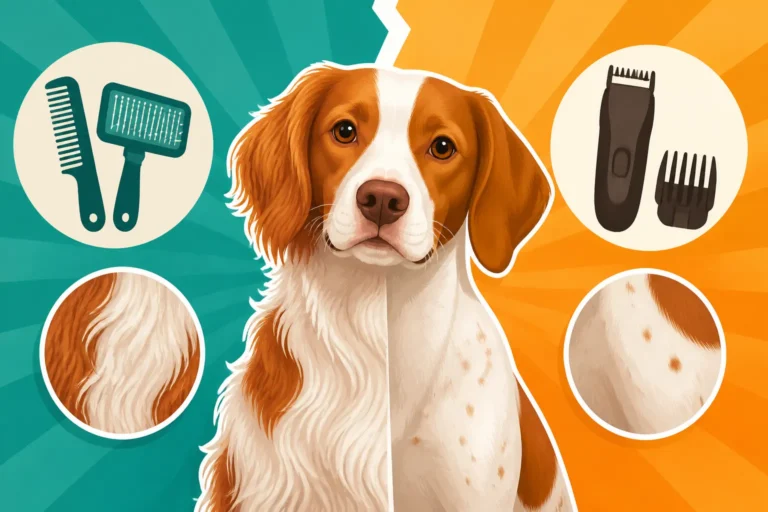
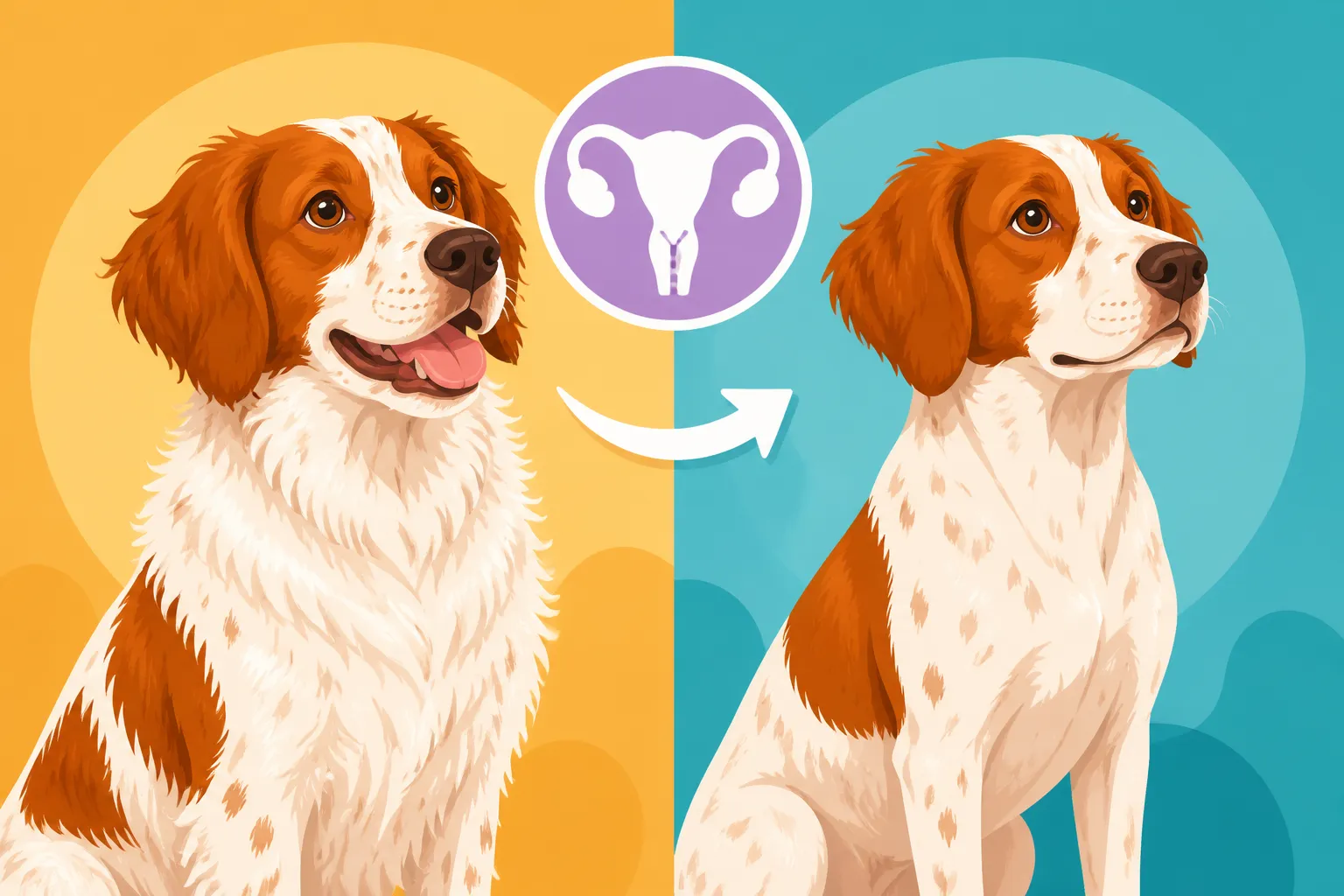
One of the most frequently reported changes is a noticeable thinning of the coat. This isn't usually baldness, but rather a reduction in the density of the hair, making the skin more visible, especially in areas like the flanks, chest, and belly. The luxurious feathering that Brittanys are known for might also appear less full. Alongside thinning, many owners observe a change in coat texture. What was once sleek and smooth might become softer, fluffier, or even cottony, especially in breeds that traditionally have a coarser outer coat. This "spay coat" as it's sometimes called, tends to lose its natural sheen and can become more prone to tangling or matting.
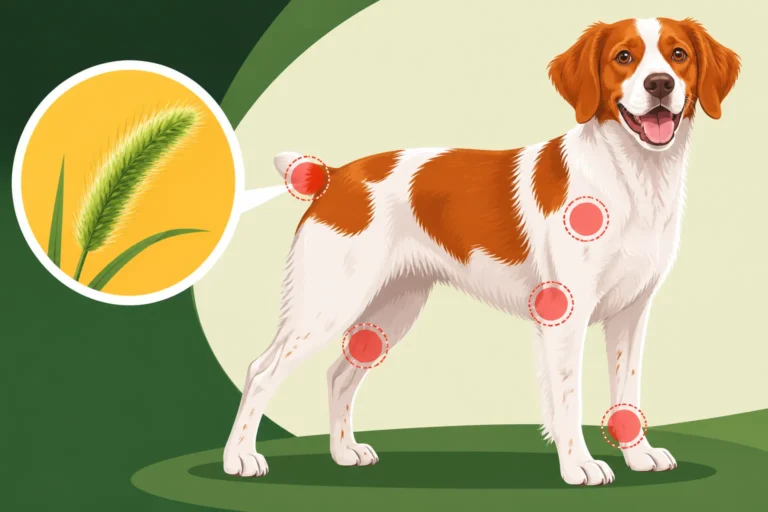
This shift in texture can be particularly frustrating for Brittany owners, whose dogs are often active in the field. A softer, finer coat can pick up burrs, foxtails, and debris more easily than a coat with its natural, slightly more resilient texture. You might find yourself spending more time on grooming after a hunt just to get all the little bits and pieces out, something you might not have had to contend with as much before. A Brittany's Coat Is Low Maintenance Until It Hits Cover becomes a more challenging statement post-spay for some dogs.
Increased Shedding and Dullness
While a thinning coat might seem counter-intuitive to increased shedding, the two often go hand-in-hand. When the hair growth cycle is disrupted, more hairs can prematurely enter the resting phase and then be shed. So, even if the coat isn't as thick, you might find more Brittany hair on your furniture, clothes, and floors. This can be particularly frustrating if you chose a Brittany partly for its generally moderate shedding compared to some other breeds.
Furthermore, the coat can lose its vibrant luster and appear dull or dry. This is again linked to the hormonal influence on skin and hair health. Without adequate estrogen, the sebaceous glands in the skin may produce fewer natural oils, which are vital for keeping the coat shiny and healthy. A dull coat often feels drier to the touch and might even look a bit disheveled, even with regular grooming. It's not just about aesthetics; a dry coat can also indicate drier skin underneath, which might be more prone to flaking or minor irritations. You'll definitely want to ensure your grooming routine addresses this lack of natural moisture.
Pigmentation Changes (Less Common)
While less common than thinning or texture changes, some owners report subtle shifts in coat pigmentation after spaying, though this is more anecdotal than scientifically documented for every breed. In Brittanys, whose colors are typically orange and white or liver and white, you might notice very slight variations in the depth of color or perhaps a slight increase in roaning over time. This isn't usually a dramatic color change like going from liver to black, but rather a softening or subtle alteration in the existing pattern.
These changes are usually so minor that they might only be apparent to an owner who spends a great deal of time observing their dog, such as someone who shows their Brittany or is very particular about their dog's appearance. It's often another manifestation of the overall hormonal impact on hair follicle function, affecting not just growth and texture, but sometimes the pigment production within the hair shaft itself. If you do notice significant or sudden pigmentation changes, it's always wise to consult your veterinarian to rule out other potential causes.
Supporting Your Brittany's Coat Health After Spaying
While some post-spay coat changes are a natural part of the hormonal adjustment, there's plenty you can do to help support your Brittany's skin and coat health, making her as comfortable and beautiful as possible.
Nutritional Support for Skin and Coat
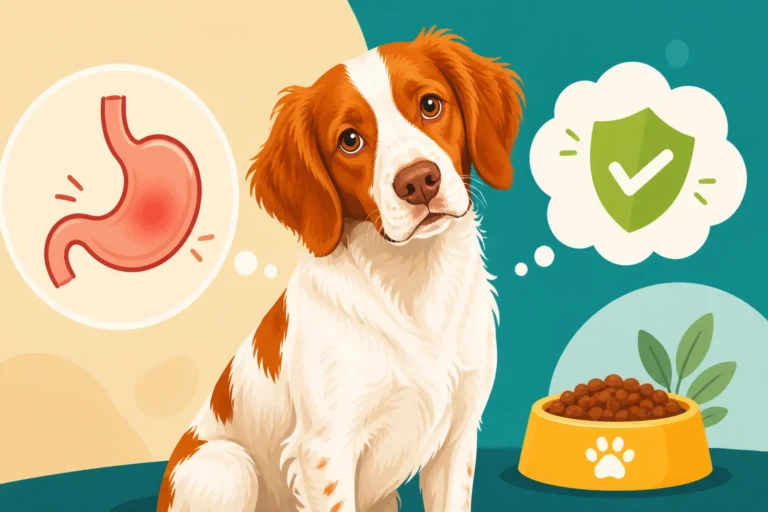
A high-quality diet is the foundation of good coat health. After spaying, it becomes even more critical to ensure your Brittany is receiving all the necessary nutrients. Look for dog foods that list a named meat source as the first ingredient and contain healthy fats like omega-3 and omega-6 fatty acids. These essential fatty acids are vital for skin barrier function and coat luster. Many premium dog food brands are specifically formulated with skin and coat health in mind.
Consider supplementing your Brittany's diet with fish oil, flaxseed oil, or other omega-rich additions. These can help to replace some of the natural oils that might be lacking post-spay and contribute to a healthier, shinier coat. You can find excellent quality fish oil supplements through retailers like Chewy or Amazon. Just be sure to start with a small dose and gradually increase it, and always choose products specifically formulated for dogs. For some Brittanys, a fresh-food diet from a company like Ollie, known for its focus on whole, nutritious ingredients, can also make a noticeable difference in coat quality. Whether a Brittany Needs Fish Oil is a question many owners ask, and post-spay, the answer might lean more towards yes.
Here's a quick comparison of nutrients important for coat health:
| Nutrient Group | Benefits for Coat Health | Common Sources |
|---|---|---|
| Omega-3 Fatty Acids | Reduces inflammation, promotes healthy skin and shiny coat | Fish oil, flaxseed, chia seeds, certain dog foods |
| Omega-6 Fatty Acids | Maintains skin barrier, supports hair growth and moisture | Poultry fat, vegetable oils, many commercial dog foods |
| Protein | Building block for hair, supports growth and strength | Quality meat, poultry, fish, eggs |
| Vitamins (A, E, B-complex) | Antioxidant protection, cell regeneration, metabolic health | Liver, eggs, leafy greens, fortified dog foods |
| Minerals (Zinc, Copper) | Hair pigment, collagen formation, immune function | Red meat, nuts, seeds, fortified dog foods |
Optimized Grooming Routine
Your Brittany's grooming routine might need a slight adjustment after spaying. Regular brushing becomes even more important, not just to remove loose hair and prevent mats, but also to stimulate blood flow to the skin and distribute natural oils (even if fewer are being produced). A good quality pin brush or slicker brush can work wonders. For Brittanys with softer, fluffier "spay coats," you might find a comb or a detangling spray helpful to prevent knots, especially in the longer The Feathering on a Brittany's Legs and Ears. You can find a wide array of grooming tools on Amazon, tailored to specific coat types.
Bathing frequency might need a rethink too. While you don't want to over-bathe and strip natural oils, using a moisturizing shampoo and conditioner formulated for dry or sensitive skin can be beneficial. Look for products with ingredients like oatmeal, aloe vera, or ceramides. Always rinse thoroughly to prevent residue that can irritate the skin. Post-bath, ensure your Brittany is completely dry, paying special attention to areas where mats commonly form. This updated routine can significantly improve the appearance and feel of her coat.
Addressing Other Potential Causes of Coat Issues
It's crucial to remember that while spaying can lead to coat changes, not all coat issues post-spay are solely due to hormonal shifts. Other underlying health problems can mimic or exacerbate these changes, and it's important to rule them out with your veterinarian.
One common culprit is hypothyroidism, a condition where the thyroid gland doesn't produce enough hormones. Symptoms often include a dull, dry, and thinning coat, sometimes accompanied by weight gain, lethargy, and cold intolerance. Since spaying is a common procedure, and thyroid issues can develop at any age, it's wise to discuss a thyroid panel with your vet if your Brittany's coat changes are severe or accompanied by other concerning symptoms.
Allergies (environmental or food-related) can also cause poor coat quality, excessive scratching, and skin irritation. If your Brittany is itching, developing hot spots, or experiencing recurrent skin infections alongside coat thinning, allergies might be at play. Parasites, nutritional deficiencies, and even certain autoimmune conditions can also impact coat health. A vet check-up can help differentiate between normal post-spay changes and something that requires medical intervention. Don't hesitate to reach out to your vet if you're worried; they are your best resource for pinpointing the exact cause of any changes you observe.
Living with a Post-Spay Brittany Coat
Adapting to your Brittany's post-spay coat might take a little patience and a few adjustments to your routine, but it's entirely manageable. Understanding that these changes are often a natural consequence of a necessary procedure can help ease any worries.
Patience and Consistency are Key
Just like humans adapting to hormonal changes, your Brittany's body needs time to adjust. The coat changes don't happen overnight, and neither will the improvements from your new care routine. Be patient with your dog and consistent with your grooming and nutritional efforts. It might take several weeks or even a few months of diligent care before you start seeing significant positive changes in her coat quality. Think of it as a long-term investment in her comfort and appearance.
The consistency extends to her overall well-being. Regular exercise, appropriate mental stimulation, and a low-stress environment all contribute to a healthy dog, which in turn supports a healthy coat. Remember that your Brittany's temperament and How Affectionate a Brittany Is haven't changed, even if her fur feels a little different. Your bond remains the most important thing.
Professional Grooming Considerations
While home grooming is essential, a professional groomer can be an invaluable partner, especially if your Brittany's coat has become particularly challenging to manage. They have specialized tools and knowledge to handle difficult mats, thin out overly fluffy areas, and suggest products that might work best for your dog's specific coat type. They can also provide guidance on how to keep her coat in top condition between visits.
A groomer familiar with sporting breeds like Brittanys can also advise on appropriate trimming, particularly for areas like the ears and legs where feathering can become very dense and prone to collecting debris in the field. Whether a Hunting Brittany Should Be Trimmed Shorter is a common question, and a groomer can help balance aesthetics with practicality for a working dog. Don't be afraid to seek out their expertise; a good groomer can make a world of difference in your Brittany's comfort and coat health.
Long-Term Health Perspective
Ultimately, the decision to spay a Brittany comes with many health benefits, including reducing the risk of mammary cancer and eliminating the possibility of uterine infections (pyometra), which can be life-threatening. While coat changes might be an aesthetic downside for some owners, these health advantages usually far outweigh the cosmetic concerns. Your Brittany's comfort, longevity, and overall well-being are paramount.
Many owners successfully manage these coat changes with a combination of high-quality nutrition, appropriate supplements, and a diligent grooming routine. Your Brittany will continue to be a fantastic companion, whether her coat is slightly thinner or a bit fluffier than before. The joy she brings to your life, and to the field, will always shine through, regardless of her fur texture.
Disclaimer
This article is for general informational purposes only and does not constitute professional advice. Laws, prices and regulations vary by location and change over time. Consult a qualified professional for guidance on your specific situation.