How Much Brittany Hair Ends Up on Furniture
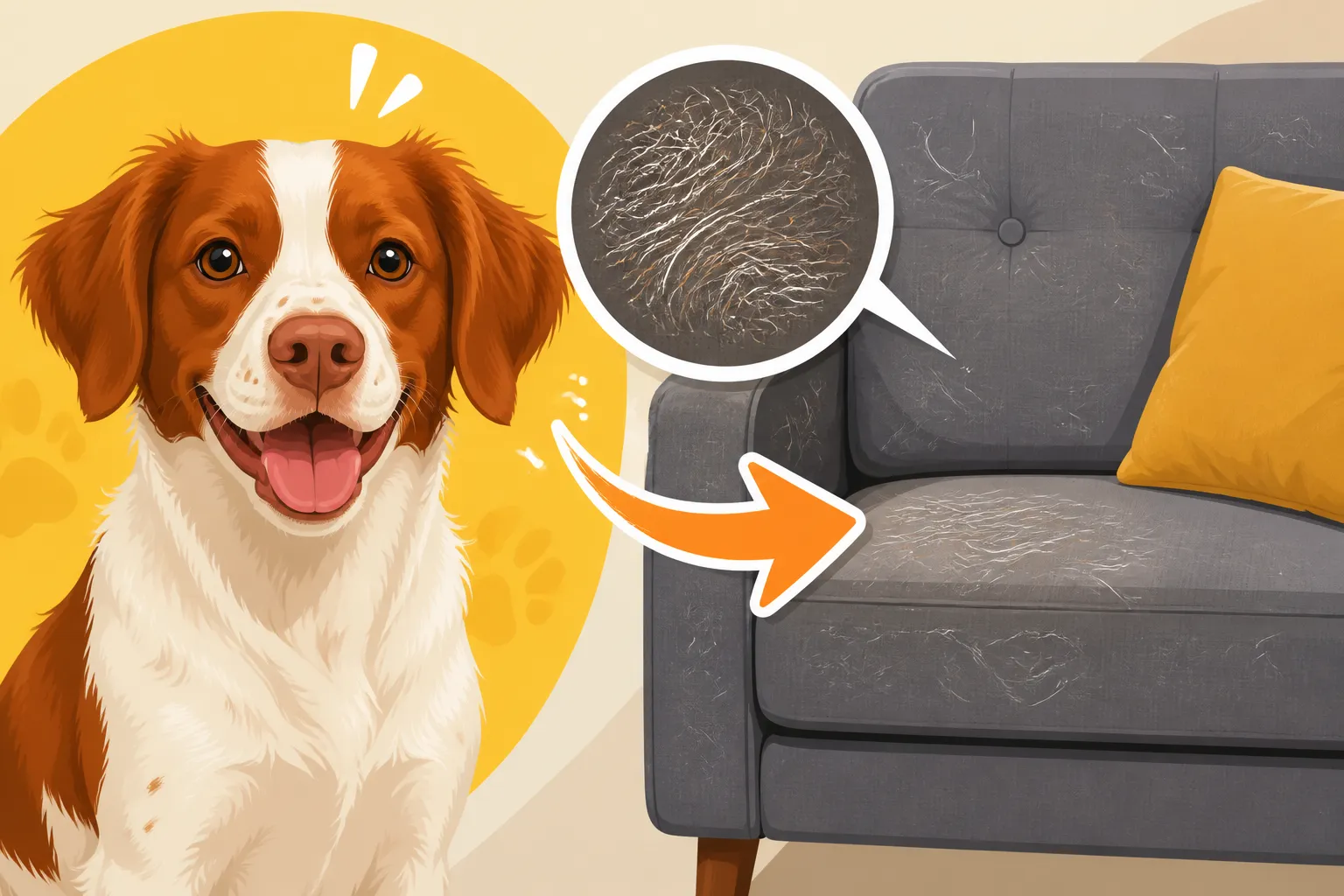
Let's be real, if you're living with a Brittany Spaniel, you're living with dog hair. It's a simple fact of life that comes with sharing your home and heart with these energetic, affectionate, and beautiful dogs. The common frustration isn't if you'll find hair on your furniture, but how much and how often it seems to multiply. This guide aims to give you a realistic picture of what to expect regarding Brittany hair on your furniture and, more importantly, offer actionable strategies to manage it so you can both enjoy your home.
Understanding Brittany Shedding: It's More Than Just a Little Hair
Brittanys are a gorgeous breed, known for their striking orange and white (or liver and white) coats and intelligent expressions. But that beautiful coat comes with its own unique set of considerations when it comes to keeping your home tidy.
The Brittany's Coat and Typical Shedding Pattern
First, let's talk about the coat itself. A Brittany's coat is generally medium-length, dense, and can be either flat or slightly wavy. They also have those lovely "featherings" on their legs, ears, and belly that add to their elegant appearance. This isn't a double-coated breed in the same way a Husky or a German Shepherd is, but it's still substantial enough to contribute to the household fluff. What a Brittany's Coat Is Like
You'll find that Brittanys shed moderately year-round. It's not usually a huge, overwhelming cloud of hair every single day, but it's enough to consistently remind you that a dog lives there. You'll likely find strands on your clothes, scattered across your floors, and yes, nestled into the cushions of your sofa. This steady shedding means that without regular intervention, the accumulation on furniture can become noticeable quite quickly. Many owners might ask Whether a Brittany Sheds Year Round, and the answer is a resounding yes, though the intensity varies.
The frustration often stems from this continuous, rather than intermittent, shedding. It's not just a seasonal problem; it's an ongoing management task. But understanding the nature of their coat helps set realistic expectations for How Much a Brittany Sheds throughout the year. The feathering, in particular, can catch and release hair more easily onto soft surfaces. Where a Brittany's Feathering Grows describes these areas where hair tends to gather and then transfer. For example, when your Brittany settles down on the sofa after a run, any loose hairs caught in those longer tufts on their legs or belly are easily transferred to the fabric.
Seasonal Shedding and "Blowing Coat"
While there's a steady trickle of hair throughout the year, Brittanys definitely go through periods of heavier shedding, often referred to as "blowing coat." This usually happens twice a year, typically in the spring as they shed their thicker winter coat to prepare for warmer weather, and again in the fall as they get ready to grow a denser coat for winter.
During these "blow-out" periods, the amount of hair you find on your furniture will undoubtedly increase dramatically. It's like a furry explosion! You might brush your dog for what feels like an hour, pulling out handfuls of loose hair, only to turn around and find more floating through the air or clinging to your couch within minutes. This is a normal physiological process, but it can certainly test a pet owner's patience.
The intensity of this seasonal shedding can also be influenced by whether your Brittany spends a lot of time indoors with controlled temperatures, or more time outside where they're exposed to the natural fluctuations of the seasons. Indoor dogs might shed a bit more consistently all year without distinct heavy "blow-outs," as their bodies aren't getting the same strong environmental cues to dramatically change their coat. However, even indoor Brittanys will still experience these shifts to some degree. During these times, it’s not uncommon for owners to wonder Whether a Brittany Mats more easily due to the sheer volume of shedding undercoat that can tangle with the guard hairs. Regular, even daily, brushing becomes absolutely essential to keep the loose hair contained.
Factors Influencing Hair on Your Furniture
The amount of Brittany hair you find on your furniture isn't solely dependent on the dog's breed; several other factors play a significant role. Understanding these can help you pinpoint areas where you might make a difference in your hair management strategy.
Diet and Overall Health
You might not immediately connect what's in your dog's bowl to the amount of hair on your sofa, but a Brittany's diet and general health have a profound impact on coat quality and, consequently, shedding. A dog receiving inadequate nutrition, or one with certain health issues, may shed excessively or have a dull, brittle coat that breaks more easily.
Think of it this way: a healthy coat is a strong coat. If your Brittany is eating a high-quality, balanced diet rich in essential fatty acids, vitamins, and minerals, their coat will generally be healthier, stronger, and less prone to excessive shedding. Conversely, a diet lacking these vital nutrients can lead to dry, weak hair that sheds more readily. Some owners choose to feed their working Brittanys specialized performance foods, as a healthy, active dog has different nutritional needs that contribute to overall vigor, including coat health. How Much a Working Brittany Eats in Season can influence the type and quality of food they need.
Look for dog foods that list real meat as the first ingredient and contain omega-3 and omega-6 fatty acids, often from sources like fish oil or flaxseed. Brands like Ollie focus on fresh, human-grade ingredients that can contribute to a healthier coat, while well-regarded kibble brands found on platforms like Chewy also offer excellent options formulated for active breeds. If you notice a sudden, significant increase in shedding outside of the normal seasonal cycles, or if your Brittany's coat appears dull, flaky, or has bald patches, it's always a good idea to consult your veterinarian. This could be a sign of an underlying health problem, allergies, or a nutritional deficiency that needs to be addressed.
Grooming Habits and Frequency
This is probably the most direct factor influencing the amount of hair on your furniture. Simply put, the more you brush your Brittany, the less hair will end up elsewhere. Regular grooming removes loose, dead hair before it has a chance to fall out naturally onto your couch, carpet, or clothes.
A proper brushing routine should be more than just a quick run-through. It needs to be thorough, especially during shedding seasons. For a Brittany, a good slicker brush followed by a deshedding tool can work wonders. The slicker brush helps to remove tangles and loose hair from the outer coat, while a deshedding tool like a FURminator can reach down into the denser undercoat to pull out a surprising amount of trapped hair. Which Brush Suits a Brittany can make a huge difference in effectiveness.
During peak shedding times, daily brushing might be necessary to keep up with the volume of loose hair. Even during moderate shedding periods, brushing a few times a week can significantly reduce the amount of hair deposited around your home. If you only brush once a week, you're essentially allowing five to six days' worth of loose hair to accumulate and transfer to your furniture before you remove it. Consistency is key here. Think of brushing as your first line of defense against the furry invasion of your living room. How Often a Brittany Needs Brushing is something many owners underestimate, leading to more hair on their furnishings.
Environment and Lifestyle
Your Brittany's environment and daily habits also play a role in where the hair ends up. If your dog spends most of their time lounging on your plush velvet sofa, you can expect to find more hair there than if they primarily sleep on a hard dog bed in a separate room.
Consider the types of furniture you have. Fabrics like velvet, chenille, and certain knits act like magnets for dog hair, holding onto it tightly. Smooth materials like leather, pleather, or tightly woven microfibers, on the other hand, tend to shed hair more easily, making cleanup less arduous. The color of your furniture matters too; light hair shows up starkly on dark fabrics, and vice versa.
Brittanys are known for being affectionate and often quite "clingy" with their families. Many will follow you from room to room, settling wherever you are. Whether a Brittany Follows You Room to Room is a common trait, and this means they're likely to spend time on your favorite spots, which are often the most comfortable pieces of furniture. If your Brittany is an indoor dog and loves to be near you, naturally, more of their shedding will occur in the areas you frequent most, including your beloved couch.
Strategies for Managing Brittany Hair on Your Furniture
Managing dog hair on furniture is an ongoing battle, but with a consistent approach, you can keep it from overwhelming your home. It’s all about a combination of proactive measures and effective cleaning techniques.
Proactive Grooming and Cleaning Routines
The best defense is a good offense, and that means tackling the hair before it even reaches your furniture.
- Consistent Brushing: As mentioned before, this is your number one tool. During heavy shedding seasons, commit to brushing your Brittany daily, even if it's just for 10-15 minutes. Use the right tools – a slicker brush and a deshedding rake or tool are indispensable. Do this outside if possible, or in an easily cleaned area like a garage or utility room, to contain the loose hair. How Often a Brittany Needs Brushing really can't be stressed enough for furniture protection.
- Regular Vacuuming: Invest in a good quality vacuum cleaner designed for pet hair. These often have specialized attachments, stronger suction, and HEPA filters to trap dander. Vacuum your furniture, carpets, and floors frequently. Daily vacuuming of high-traffic and dog-lounging areas isn't overkill, especially during peak shedding. Don't forget under cushions, behind furniture, and along baseboards where hair tumbles and collects.
- Lint Rollers and Pet Hair Removers: Keep lint rollers strategically placed around your home – near the door, in the living room, even in your car. They are fantastic for quick touch-ups on clothes and furniture before guests arrive. For larger furniture areas, specialized pet hair remover brushes, often made of rubber or silicone, can be incredibly effective at gathering hair into clumps that are easy to pick up. You can find a vast array of these practical tools on Amazon.
- Wet Wipes or Damp Cloths: For hard surfaces or leather furniture, a damp cloth or even a slightly wet rubber glove can be surprisingly effective at gathering loose hair. The static cling helps collect the hair rather than just pushing it around.
Furniture Protection and Material Choices
You don't have to give up your favorite furniture, but you can certainly make choices and implement strategies to protect it.
- Slipcovers and Throws: This is often the easiest and most practical solution. Use washable slipcovers on sofas and chairs that your Brittany frequents. Alternatively, keep a collection of attractive, durable throws or blankets specifically for your dog to lie on. These can be easily removed, shaken out, and tossed into the washing machine. This protects your actual furniture fabric and makes cleaning a breeze.
- Designated Dog Beds: Encourage your Brittany to use their own comfortable dog beds rather than the furniture. While a Brittany is often deeply devoted to their human family and enjoys being near them, they also appreciate a comfy spot of their own. Placing these beds in key areas where your dog likes to rest can provide an alternative hair collection zone.
- Material Choices: If you're in the market for new furniture, consider materials that are less hospitable to dog hair. Leather, faux leather, microfiber, and tightly woven fabrics tend to shed hair more easily or resist its penetration compared to open-weave fabrics, velvet, or chenille. Darker furniture will highlight light-colored Brittany hair, and vice-versa, so choose colors that might blend better with your dog's coat if appearance is a major concern.
Diet, Supplements, and Hydration
While not an immediate fix for hair on furniture, optimizing your Brittany's internal health can reduce overall shedding.
- High-Quality Diet: Reiterate the importance of a nutritionally complete diet. A healthy gut and proper nutrient absorption are reflected in a shiny, strong coat. Brands like Ollie with fresh food options or premium kibbles from Chewy that focus on quality ingredients can make a noticeable difference in coat health over time.
- Omega Fatty Acid Supplements: Many vets recommend adding omega-3 and omega-6 fatty acid supplements (like fish oil) to a dog's diet. These can greatly improve skin health and coat quality, making the hair stronger and less prone to breakage and excessive shedding. Talk to your vet about appropriate dosages for your Brittany. Whether a Brittany Needs Fish Oil is a common question, and for coat health, the answer is often yes!
- Ample Hydration: Ensure your Brittany always has access to fresh, clean water. Dehydration can lead to dry skin and a brittle coat, increasing shedding. This is especially important for active dogs.
| Shedding Level | Impact on Furniture | Management Strategy | Key Takeaways |
|---|---|---|---|
| Normal/Moderate | Consistent hair visible, accumulates over days | Brush 2-3 times/week, vacuum regularly (2-3 times/week), use lint rollers as needed | Manageable with routine effort; becomes invisible if neglected |
| Seasonal/Heavy | Significant hair daily, forms visible clumps quickly | Brush daily (even twice a day), vacuum daily, use pet hair removal tools frequently, consider furniture covers | Intensive effort required; inevitable during coat blow; focus on containment |
| Excessive/Unusual | Rapid, extreme hair loss, potentially with skin issues | Consult vet immediately, address diet/health issues, rigorous grooming | Indicates underlying problem; not just a "normal" dog hair situation |
Realistic Expectations and Embracing the Brittany Lifestyle
At the end of the day, living with a Brittany means living with some dog hair. It's an inherent part of the breed, a small trade-off for their boundless energy, unwavering loyalty, and charming personalities.
Accepting the Reality of Dog Hair
No matter how diligent you are with brushing, vacuuming, and cleaning, you will still find Brittany hair on your furniture. It will cling to your clothes, settle in corners, and magically appear in places you swear your dog has never been. This isn't a reflection of your cleaning skills; it's simply the reality of sharing your home with a canine companion.
Trying to achieve a completely hair-free home with a Brittany is often an exercise in futility and frustration. Instead, aim for a "hair-managed" home. This means acknowledging that a certain level of hair is acceptable and understanding that your efforts are about control and reduction, not elimination. Embracing this mindset can save you a lot of stress and allow you to appreciate your dog even more. What a Brittany's Temperament Is Really Like reminds us that these dogs give us so much joy, and a little hair is part of the package.
Creating a Pet-Friendly Home
Creating a pet-friendly home environment goes beyond just setting out food and water bowls. It means designing your space and routines in a way that accommodates your Brittany's presence, including their shedding habits.
- Establish a Routine: Regular grooming, vacuuming, and laundry days are crucial. Stick to them as much as possible. A consistent routine prevents hair from building up to overwhelming levels.
- Designated Cleaning Tools: Keep your pet-specific cleaning tools (pet vacuum attachments, rubber brushes, lint rollers) easily accessible so you can do quick clean-ups whenever needed.
- Regular Washing of Dog Beds and Throws: Wash all dog bedding, blankets, and furniture throws frequently. This not only helps with hair but also keeps odors at bay and contributes to overall cleanliness.
- Deep Cleans: Plan for occasional deeper cleans where you move furniture, get into all the nooks and crannies, and wash everything washable. This can be a reset button when the hair situation feels like it's getting out of hand.
- Focus on the Positives: Remind yourself why you brought a Brittany into your life. The joy, companionship, and endless entertainment they provide far outweigh the minor inconvenience of some dog hair. That stray hair on your sweater is a badge of honor, a testament to the love and adventures you share with your amazing Brittany.
Owning a Brittany is a commitment, and managing their shedding is part of that journey. With the right tools, routines, and a dose of realism, you can keep your home comfortable and clean, allowing you to fully enjoy every moment with your spirited companion.
Disclaimer
This article is for general informational purposes only and does not constitute professional advice. Laws, prices and regulations vary by location and change over time. Consult a qualified professional for guidance on your specific situation.