What a Brittany Puppy Eats
Bringing home a Brittany puppy is an absolute joy, but let's be honest, it can also come with a whole lot of questions and a touch of anxiety – especially when it comes to what they should eat. You want to give your new family member the best start, and with so many food brands, formulas, and conflicting advice out there, it's easy to feel overwhelmed. This comprehensive guide will cut through the noise, helping you understand the specific nutritional needs of your energetic Brittany puppy and how to feed them for a healthy, vibrant life.
Understanding Your Brittany Puppy's Unique Nutritional Needs
Brittany puppies aren't just small versions of adult dogs; they're tiny bundles of rapidly growing energy with very specific dietary requirements. Their bodies are building bone, muscle, and organ systems at an incredible rate, and the right nutrition now sets the stage for their long-term health and vitality. It's a critical time, and understanding their unique needs is the first step to successful feeding.
Why Brittany Puppies Aren't Like Other Breeds
When you look at a Brittany puppy, you see an intelligent, eager-to-please, and incredibly athletic little dog. But beneath that charming exterior is a canine athlete in the making, even if they're still stumbling over their own paws. Unlike some giant breeds that grow slowly and deliberately, Brittanys have a moderate growth rate, but they pack a lot of activity into their days. This means they need a diet that supports steady, controlled development without causing them to grow too quickly, which can put undue stress on their developing joints. They burn a surprising amount of calories even as youngsters, exploring every nook and cranny of your home or yard, chasing toys, and generally being adorable little whirlwind. You can't just feed them any puppy food; it needs to be calibrated for their active lifestyle and future as a capable bird dog.
The Importance of Balanced Nutrition for Growth and Development
Think of balanced nutrition as the blueprint for your Brittany's future self. Every single nutrient plays a role. Protein, for instance, is absolutely vital for building strong muscles, healthy skin, and a shiny coat. It’s the foundational building block. Fats provide concentrated energy, which your active Brittany puppy definitely needs, and they also support healthy brain development and absorb fat-soluble vitamins. Carbohydrates offer readily available energy for those bursts of puppy play and for sustained activity.
But it doesn't stop there. An appropriate balance of vitamins and minerals is crucial. Calcium and phosphorus, in the correct ratio, are essential for bone development. Too much or too little, or an incorrect ratio, can lead to serious skeletal issues. Other vitamins, like Vitamin A for vision and immune function, and Vitamin D for calcium absorption, are equally important. It's a delicate dance of nutrients, all working together to ensure your Brittany puppy develops into a strong, healthy adult. That's why relying on a high-quality commercial puppy food formulated by veterinary nutritionists is often the safest bet, as they've done all the hard work to get those ratios just right.
Avoiding Overfeeding and Underfeeding Pitfalls
This is where many new puppy owners struggle, and it's completely understandable. You want your puppy to be robust and healthy, but how do you know if you're hitting the sweet spot? Overfeeding a Brittany puppy, even with good intentions, can lead to rapid growth, which, as mentioned, puts extra strain on their developing bones and joints. This can predispose them to orthopedic issues down the line, even if they are generally considered The Brittany Is One of the Healthiest Sporting Breeds. You might notice your puppy getting a little "roly-poly," losing their waistline, or their ribs becoming difficult to feel. On the flip side, underfeeding is equally detrimental. A puppy that isn't getting enough calories or nutrients might appear listless, fail to gain weight, or have a dull coat. They simply won't have the energy for proper play and development, and their immune system could suffer.
It's a constant balancing act, especially with a breed as active as the Brittany. Their metabolism can be incredibly efficient, but their energy output is also huge. My best advice here is to always start with the food manufacturer's guidelines for their age and weight, but then adjust based on your individual puppy's body condition and activity level. Every puppy is an individual, and those guidelines are just a starting point.
Deciphering Puppy Food Labels: What to Look For
Walking down the pet food aisle or browsing online can feel like navigating a maze. There are so many brands, so many claims, and so much jargon! Understanding what actually matters on a puppy food label is key to making an informed decision for your Brittany. Don't let clever marketing sway you; focus on the nutritional facts.
Key Ingredients: Proteins, Fats, and Carbohydrates
When you pick up a bag of puppy food, the first few ingredients on the list tell you a lot. For your Brittany puppy, you want to see a high-quality animal protein as the very first ingredient, or at least one of the top two. This could be deboned chicken, lamb meal, fish, or beef. "Meal" forms of protein, like chicken meal, are excellent because they're concentrated protein sources with much of the water removed, meaning more protein per serving. Look for foods that have a guaranteed analysis showing a good percentage of crude protein. While I can't give exact numbers, generally, puppy foods will have a higher protein content than adult formulas to support that rapid growth.
Next, consider fats. Healthy fats from sources like chicken fat, salmon oil, or flaxseed are crucial. They provide energy and help with nutrient absorption. Omega-3 and Omega-6 fatty acids are particularly important for skin, coat, and cognitive development. Finally, carbohydrates provide energy. Look for complex carbohydrates like sweet potatoes, brown rice, barley, or peas, rather than excessive amounts of corn or wheat, which can be less digestible for some dogs. Remember, Brittanys are active, so a good energy source is important.
Essential Vitamins, Minerals, and Supplements
Beyond the macros, the micro-nutrients are the silent heroes of puppy development. A truly complete and balanced puppy food will list an array of vitamins and minerals. Pay close attention to calcium and phosphorus. As a moderately growing, athletic breed, a Brittany needs a specific balance of these for proper bone development. Too much calcium, surprisingly, can be just as detrimental as too little, leading to skeletal abnormalities.
Many reputable puppy foods will also include DHA (docosahexaenoic acid), an omega-3 fatty acid found in fish oil. DHA is critical for the development of your puppy's brain and vision, essentially helping to make them smarter and sharper – something every Brittany owner can appreciate! You might also see prebiotics and probiotics listed, which support gut health and a strong immune system. When browsing online retailers like Chewy or Amazon, you can often filter by these specific ingredients, making it easier to find a suitable option.
Large Breed Puppy Formulas: Are They Necessary for Brittanys?
This is a really common question, and it's a good one because the advice can seem contradictory. Generally, large breed puppy formulas are designed with a slightly lower calorie density and, crucially, carefully controlled calcium and phosphorus levels. The aim is to prevent excessively rapid growth in giant breeds like Great Danes or Mastiffs, which are particularly prone to orthopedic issues if they grow too quickly.
So, does your Brittany, a medium-sized sporting dog, need a large breed formula? The consensus tends to be no, not typically, but it depends on the specific food's formulation. A standard, high-quality puppy food from a reputable brand that is designed for "all life stages" or specifically "growth" is usually perfectly appropriate for a Brittany. The key is to ensure the calcium and phosphorus levels are within the recommended ranges for growing puppies – not too high. Some excellent brands offer formulas specifically for "active puppies" or "medium-sized puppies" which might be even more tailored. The main thing is to avoid puppy foods that are excessively high in calories or calcium, which might push a Brittany to grow faster than their skeletal system can comfortably keep up with. If you're unsure, chatting with your veterinarian is always a wise move, as they can help you understand Whether a Brittany Puppy Needs Large Breed Food based on their individual assessment.
Feeding Schedule and Portions: A Practical Approach
Once you've chosen a stellar puppy food, the next hurdle is figuring out how much and how often to feed your little dynamo. This isn't a "set it and forget it" task; your Brittany's needs will change as they grow, so it requires ongoing attention and adjustment. Consistency is your friend here, both for your puppy's digestion and for establishing a routine.
How Much and How Often to Feed Your Growing Brittany
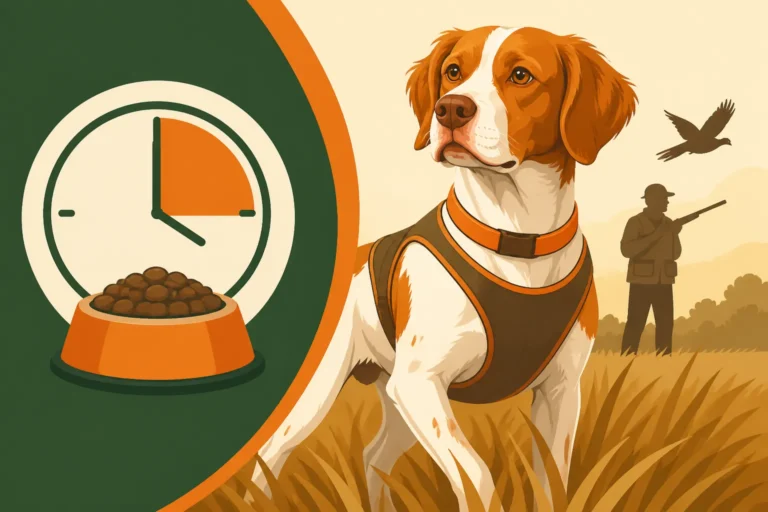
When you first bring your Brittany puppy home, especially if they're around 8-12 weeks old, they'll typically need to eat three to four times a day. Their tiny tummies can't hold a lot of food, but their energy demands are constant. Think breakfast, lunch, dinner, and maybe a small snack before bed. As they get a bit older, say around 4-6 months, you can usually transition them to three meals a day. By the time they're closer to six months to a year, two meals a day is often sufficient and can carry them into adulthood.
Regarding quantity, always start with the feeding guide on your chosen puppy food bag. These charts usually provide a range based on your puppy's current weight and age. Remember, these are guidelines. An incredibly active Brittany puppy burning off more energy might need slightly more, while a puppy recovering from a growth spurt and being less energetic for a few days might need a touch less. The goal isn't just to empty the bowl; it's to nourish their growing bodies correctly. For a more detailed breakdown, you might want to read What a Brittany Puppy Eats at Four Months, as that age often marks a slight shift in feeding frequency.
| Puppy Age | Typical Feeding Frequency | General Portion Guidance (Adjust based on food & activity) |
|---|---|---|
| 8 – 12 weeks | 3-4 times per day | Start with bag recommendations, often smaller, frequent meals |
| 3 – 6 months | 3 times per day | Gradually increase portion sizes, monitor body condition |
| 6 – 12 months | 2-3 times per day | Focus on steady growth, adjust for energy level |
| 12+ months (Adult) | 2 times per day | Transition to adult food, maintain ideal weight |
Note: This table provides general guidance. Always consult your specific puppy food's instructions and your veterinarian.
Transitioning to New Foods and Avoiding Upset Stomachs
Brittanys, like many dogs, can have sensitive digestive systems. Suddenly switching their food is a surefire way to upset their stomach, leading to diarrhea, vomiting, and general discomfort – for both of you! If you're switching brands or even just moving from one formula to another within the same brand, always do it gradually.
A good rule of thumb is to take 7-10 days for the transition. Start by mixing about 25% new food with 75% old food for a couple of days. If all goes well, move to a 50/50 mix for another few days. Then 75% new and 25% old. Finally, after a week to ten days, you can offer 100% new food. Watch your puppy closely during this time for any signs of digestive upset. If they show signs of trouble, slow down the transition even further. Patience here pays off immensely in avoiding a messy situation. This approach helps their gut flora adjust and makes the whole experience much smoother for your puppy.
Monitoring Your Puppy's Body Condition
This is arguably one of the most important skills a Brittany owner can develop: learning to "read" your dog's body condition. The food bag might tell you how much to feed, but your puppy tells you if it's the right amount. You want your Brittany puppy to be lean, but not skinny. You should be able to easily feel their ribs when you run your hands along their sides, but not see them prominently. They should have a visible waistline when viewed from above, and a tuck-up in their abdomen when viewed from the side.
A great way to assess this is using a body condition score chart, which many vets provide. For a Brittany puppy, being slightly on the leaner side is actually preferable to being overweight. Excess weight puts stress on those rapidly forming joints, and we certainly don't want that for an athletic breed that needs healthy hips for a lifetime of hunting or adventure. Keep a watchful eye out for Signs a Brittany Is Overweight, such as a disappearing waistline or ribs becoming hard to feel, and adjust their portions accordingly. Don't be afraid to make small tweaks; a quarter cup less or more can make a big difference over time for a growing pup.
Hydration and Healthy Treats
Food is fundamental, but let's not forget two other critical components of your Brittany puppy's diet: water and treats. Just like us, dogs need plenty of fresh water, and treats, when chosen wisely, can be invaluable tools for training and strengthening your bond.
The Critical Role of Fresh Water
Water is arguably the most important nutrient, even more so for active breeds like Brittanys. It’s involved in every bodily function, from digestion and nutrient absorption to temperature regulation and joint lubrication. Your Brittany puppy needs constant access to fresh, clean water. This means multiple water bowls around the house, especially near their eating area and where they play, and definitely one outside if they spend time there.
Change their water daily, and wash their bowls regularly to prevent bacterial growth. Some puppies don't drink enough, especially if they're too focused on play. Encourage drinking by making it easily accessible and perhaps adding a few ice cubes for novelty. If you're spending time outdoors, always carry water for your puppy. Dehydration can happen quickly, especially on warm days or during vigorous play, and can lead to serious health issues. Keep an eye out for signs like lethargy, dry gums, or sunken eyes, and always contact your vet if you suspect dehydration.
Choosing Appropriate Treats for Training and Rewards
Treats are fantastic tools for positive reinforcement training, especially with a smart, food-motivated breed like the Brittany. However, they're not all created equal, and calories add up fast! When choosing treats, look for options that are small, low in calories, and made with wholesome ingredients. You don't want a treat that’s mostly fillers, artificial colors, or excessive sugar. Many commercial brands, found on sites like Chewy or Amazon, offer specific "training treats" that are tiny and designed for frequent use.
Consider using a portion of your puppy's daily kibble as training treats, especially for basic obedience. This helps control calorie intake. For special rewards, small pieces of cooked chicken, plain boiled sweet potato, or even some freeze-dried liver can be excellent, highly motivating options. Just make sure whatever you choose is dog-safe and fed in moderation. Remember, treats should make up no more than 10% of your puppy's daily caloric intake to ensure they're still getting the bulk of their nutrition from their balanced puppy food.
Table Scraps and "Human Food": What's Safe and What's Not
Ah, the pleading puppy eyes at the dinner table! It's hard to resist, but giving your Brittany puppy table scraps is generally a bad idea. Human food often contains ingredients that are unhealthy or even toxic for dogs, like excessive salt, sugar, fats, or spices. Beyond that, it can disrupt their balanced diet, lead to digestive upset, and encourage picky eating habits down the line. It can also cause problems like pancreatitis if too much fat is consumed.
However, there are some safe "human" foods that can be offered sparingly as treats:
- Plain, cooked lean meats: Chicken, turkey (skinless, boneless).
- Certain fruits: Apples (no seeds), bananas, blueberries, watermelon (no seeds or rind).
- Certain vegetables: Carrots, green beans, peas, sweet potato (plain, cooked).
Absolutely avoid: Grapes, raisins, chocolate, onions, garlic, xylitol (a common artificial sweetener), avocado, macadamia nuts, and anything with a bone that could splinter. When in doubt, don't give it. It's simply not worth the risk to your Brittany puppy's health.
Common Feeding Challenges and Solutions
Even with the best intentions and the highest quality food, sometimes feeding your Brittany puppy isn't as straightforward as you'd hope. Puppies, like children, can present a variety of challenges at mealtime. Let's tackle some of the most common ones.
Picky Eaters and Food Refusal
It might seem unbelievable that an energetic Brittany could ever be a picky eater, but it happens! Sometimes, a puppy might refuse to eat their food. Before panicking, rule out any health issues. Is your puppy acting sick, lethargic, or showing other symptoms? If so, a vet visit is in order. If they're otherwise bright and active, consider these possibilities:
- Boredom: Sometimes, puppies just get bored with the same old kibble. You can try adding a small amount of warm water or a vet-approved, unsalted chicken broth to their kibble to make it more appealing. Some owners might rotate between a couple of different high-quality puppy foods (always transitioning slowly, as discussed!) to keep things interesting, though this can also create a truly picky eater if not managed carefully.
- Environmental factors: Is their bowl in a noisy or high-traffic area? Are there other pets making them nervous? Try moving their feeding spot to a quieter, calm location.
- Too many treats: Are you offering too many treats or table scraps? If so, they might just be holding out for something better. Cut back on extras and see if their appetite for their main meal improves.
- Growth spurts and lulls: Just like humans, puppies can have days where they're hungrier and days where they're less interested. As long as they're maintaining a healthy weight and energy, a slight dip in appetite occasionally might not be a big deal.
Never leave food down all day for a picky eater; pick it up after 15-20 minutes. This teaches them that mealtime is finite and they need to eat when it's offered.
Rapid Eaters and Bloat Concerns
On the opposite end of the spectrum, some Brittany puppies are like little vacuum cleaners, inhaling their food in seconds. While this might seem less problematic than a picky eater, rapid eating can lead to digestive upset, excessive gas, and, more seriously, increases the risk of bloat (gastric dilatation-volvulus or GDV). Bloat is a life-threatening condition where the stomach fills with gas, food, or fluid and can twist, cutting off blood supply. Deep-chested breeds like the Brittany are considered at a higher risk for bloat, even as puppies, though it's more common in adults.
To combat rapid eating:
- Slow feeder bowls: These bowls have obstacles or ridges that force your puppy to eat around them, slowing down their intake significantly. You can find many options on sites like Amazon.
- Food puzzles or enrichment toys: Stuffing a Kong or other food-dispensing toy with their kibble can make mealtime a fun, engaging challenge that naturally slows them down.
- Spread it out: You can spread their meal out on a large baking sheet, making them "graze" over a wider area.
- Multiple small meals: Instead of two large meals, offer three or four smaller meals throughout the day.
Being aware of Whether a Brittany Bloats is crucial for all owners, and managing mealtime speed is a key preventative measure.
Food Allergies and Sensitivities in Brittany Puppies
Unfortunately, dogs can develop food allergies or sensitivities, just like people. While true food allergies are less common than environmental allergies, they can manifest as skin issues (itching, redness, recurring ear infections) or gastrointestinal problems (vomiting, diarrhea, chronic soft stools). Sometimes, you might notice your Brittany constantly scratching or licking their paws after eating certain foods.
Common culprits for dog food allergies often include beef, chicken, dairy, wheat, and soy, though a dog can technically be allergic to any protein source. If you suspect your Brittany puppy has a food allergy or sensitivity, the first step is always to consult your veterinarian. They can guide you through an elimination diet, which is the gold standard for diagnosis. This involves feeding a novel protein (one your dog hasn't eaten before, like duck or venison) or a hydrolyzed protein diet for a period of several weeks, then carefully reintroducing old ingredients to identify the trigger. Do not attempt this without veterinary guidance, as it's critical to ensure your puppy still receives complete nutrition during the process.
When to Transition to Adult Food
The puppy phase flies by, doesn't it? One minute they're a tiny bundle, and the next, they're starting to look more like a grown-up dog. Knowing when to make the switch from puppy food to an adult formula is another important milestone in their nutritional journey.
Signs Your Brittany Puppy is Ready for Adult Formula
There isn't a hard and fast rule that applies to every single Brittany, but generally, most Brittanys are ready to transition to adult food between 10 and 12 months of age. Some larger, later-maturing individuals might benefit from staying on puppy food a little longer, up to 14 months, while smaller, quicker-maturing ones might be ready closer to 9 or 10 months.
Here are some key indicators that your Brittany puppy is ready:
- Reaching adult height: While they might still fill out a bit, your puppy will likely be very close to their adult height.
- Slowing growth: The rapid growth spurts will have largely subsided. You'll notice their growth seems to be leveling off.
- Closing growth plates: Internally, their growth plates are typically closing around this age. While you can't see this, it's the biological reason behind the slowing growth.
- Maintaining ideal body condition on current food: If you find yourself consistently cutting back on their puppy food because they're getting a bit chunky, it might be a sign they're ready for a less calorie-dense adult formula.
- Energy levels: While Brittanys are always energetic, the frantic, boundless, all-day energy of a very young puppy usually mellows slightly as they approach maturity.
The primary reason for switching is that puppy foods are much more calorie-dense and higher in certain nutrients to support rapid growth. Once that rapid growth period is over, maintaining them on such a rich diet can lead to unnecessary weight gain and potentially other health issues. This change is also usually discussed in When a Brittany Puppy Moves to Adult Food.
The Gradual Shift: Making the Transition Smoothly
Just like when you introduced their first puppy food, the transition to an adult formula should be a gradual one. Rushing it can lead to digestive upset, which is the last thing you want for your maturing pup. Use the same 7-10 day method:
- Days 1-3: 75% puppy food, 25% adult food.
- Days 4-6: 50% puppy food, 50% adult food.
- Days 7-9: 25% puppy food, 75% adult food.
- Day 10 onwards: 100% adult food.
During this period, keep a close eye on their stools and overall demeanor. If you notice any diarrhea or vomiting, slow down the process and maintain the current ratio for an extra day or two until their system adjusts. This slow and steady approach ensures a happy tummy and a smooth transition into their adult diet. You want to make sure they maintain their ideal body condition as they get ready for their full, active life. How Much an Adult Brittany Eats will be different from their puppy portions, so be prepared to adjust.
Why a Brittany Puppy Should Grow Slowly
This point circles back to our earlier discussion about joint health and orthopedic development, and it's so important that it bears repeating. While Brittanys aren't giant breeds, they are active, athletic dogs, and proper skeletal development is paramount. Why a Brittany Puppy Should Grow Slowly is not just a passing recommendation; it's a critical strategy for minimizing the risk of conditions like hip and elbow dysplasia, which can be influenced by genetics and environmental factors like nutrition.
When a puppy grows too quickly, their bones and joints are subjected to undue stress. Their cartilage and bone tissues don't have enough time to mature and strengthen at the same rate as the rapid increase in their body weight. This can lead to weakened joints, poor joint formation, and an increased likelihood of developing painful orthopedic problems later in life. By feeding a balanced, appropriately portioned diet that promotes steady, not rapid, growth, you're doing everything you can to set your Brittany up for a lifetime of healthy, pain-free movement in the field or wherever their adventures take them. It's an investment in their future comfort and capability.
Disclaimer
This article is for general informational purposes only and does not constitute professional advice. Laws, prices and regulations vary by location and change over time. Consult a qualified professional for guidance on your specific situation.