Whether a Brittany’s Policy Excludes Field Work
It's a frustrating reality for many Brittany owners: you invest in a quality gun dog, dedicate time and effort to their training and conditioning, and then discover that the very activities you bought them for might not be covered by standard pet insurance. You want to give your beloved companion the best medical care possible, especially when they're out doing what they love, but navigating the labyrinth of policy exclusions can feel like traversing dense cover with a broken compass. This guide is here to help you understand whether a pet insurance policy excludes field work, what to look for, and how to find coverage that truly protects your working Brittany.
Understanding Pet Insurance for Active Sporting Dogs
When you bring a Brittany into your home, whether they're a future field trial champion or your faithful hunting buddy, you're signing up for an active lifestyle. These dogs thrive on motion, purpose, and the great outdoors. This inherent drive, however, comes with a higher risk of bumps, scrapes, and more serious injuries than a couch potato dog might face. Pet insurance is designed to offer a financial safety net for unexpected veterinary costs, but it's crucial to understand that not all policies are created equal, especially when it comes to the specific demands of a sporting dog's life.
What Most Basic Pet Insurance Policies Cover
Most standard pet insurance plans are structured to cover unforeseen accidents and illnesses. This usually includes things like broken bones, lacerations, foreign object ingestion, sudden onset illnesses (like ear infections or gastrointestinal upsets), and emergency veterinary visits. You'll typically find coverage for diagnostics (X-rays, blood tests), surgeries, medications, and hospitalization, up to your policy's limits. Some plans might also offer wellness add-ons for routine care like vaccinations and annual exams, though these are often separate from accident and illness coverage.
However, these plans are generally designed for the average family pet. They're excellent for when your Brittany decides to eat a sock or sprains a paw chasing a squirrel in the backyard. The trouble arises when their activities veer into more specialized, higher-risk territories like extensive field training, competitive events, or actual hunting seasons. The core benefit of pet insurance is to ease the financial burden of unexpected vet bills, but the definition of "unexpected" can become quite nuanced for a dog routinely exposed to the rigors of field work. It's a fantastic idea to delve into these details with any potential provider, because what constitutes standard coverage for one dog might be a significant gap for a Brittany whose life revolves around the field.
Why Field Work Poses a Unique Risk Profile
Field work, by its very nature, exposes a Brittany to a multitude of hazards that your average dog might never encounter. Imagine your dog crashing through thick briars, navigating rocky creek beds, or plunging into icy water to retrieve a bird. These aren't just pleasant strolls in the park. The likelihood of a paw pad tear, a corneal scratch from a branch, a deep laceration from barbed wire, or even something more serious like a snake bite or porcupine quills, skyrockets in these environments. The Injuries a Brittany Picks Up in the Field is a testament to the diverse dangers.
Furthermore, the physical exertion itself can lead to specific health issues. Overheating on an early season hunt, muscle strains, or even more severe conditions like exertional rhabdomyolysis are real concerns for a hard-working dog. These aren't just minor incidents; they can lead to costly veterinary interventions, from emergency stabilization to extensive recovery periods. Insurers categorize these increased risks as factors that can either inflate premiums, trigger specific exclusions, or require special riders, simply because the actuarial data shows a higher probability of claims for dogs engaged in such demanding activities.
Navigating Common Exclusions and Limitations for Sporting Dogs
It's tempting to skim through pet insurance policies, assuming they'll cover whatever happens to your dog. But for a Brittany owner, particularly one whose dog lives for the hunt, this can be a costly mistake. Many policies, tucked away in their terms and conditions, have specific clauses that can leave you high and dry when your field dog truly needs help.
Activity-Related Exclusions in the Fine Print
This is where many working dog owners get caught out. Standard pet insurance policies often contain exclusions for injuries or illnesses that arise from certain activities. This might include:
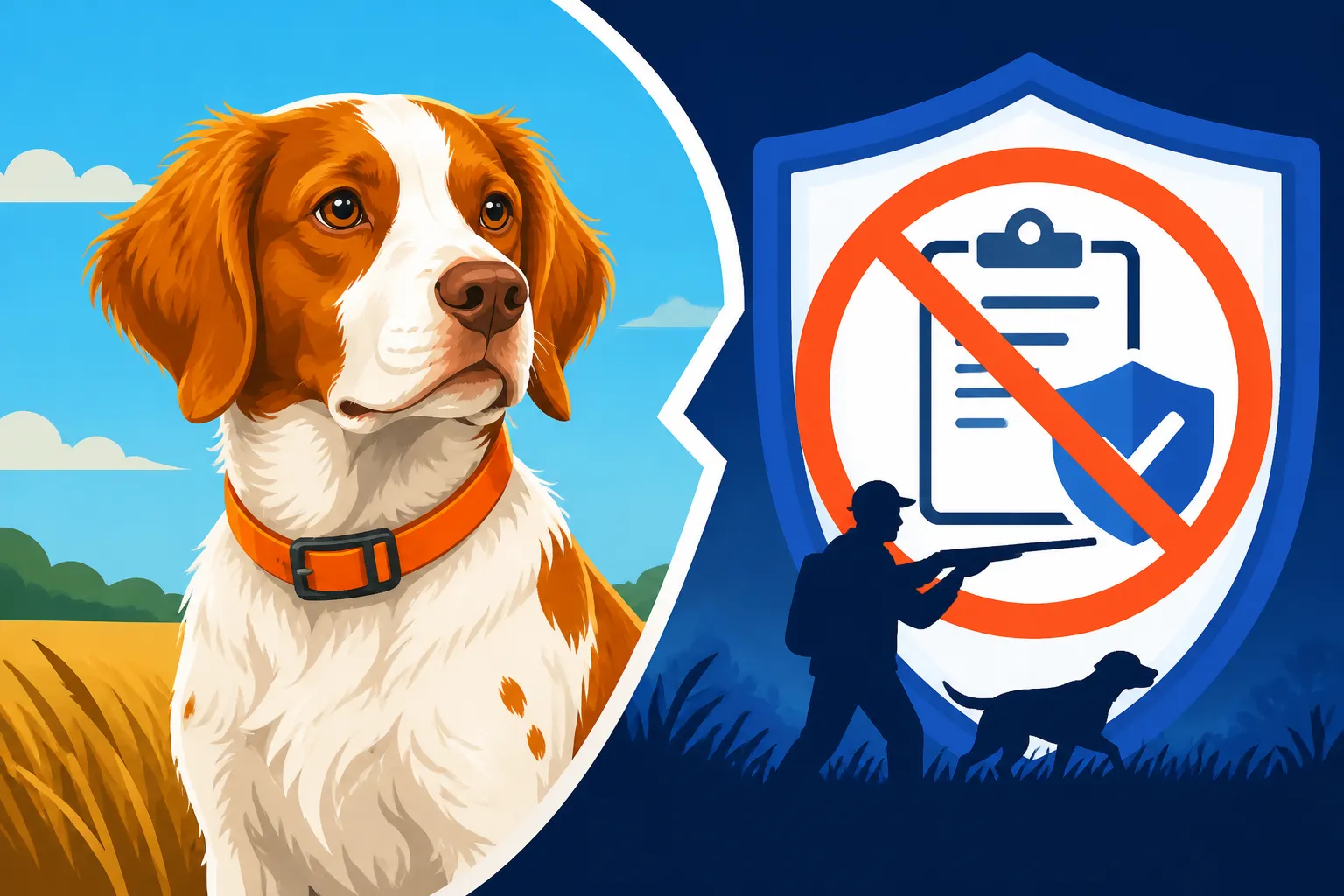
- Hunting: Some policies explicitly state they do not cover injuries sustained while hunting game. This can be interpreted broadly to include training sessions that simulate hunting scenarios as well.
- Racing or Coursing: While Brittanys aren't typically "racing" dogs in the traditional sense, some field trials involve competitive running, and a broad exclusion might mistakenly apply.
- Professional or Competitive Activities: If your Brittany is involved in AKC Field Trials, NAVHDA tests, or other sanctioned competitions, some insurers might classify these as "professional" or "high-risk" activities, leading to exclusion of related claims.
- Working Dog Duties: For dogs that perform tasks like search and rescue, law enforcement, or even professional hunting guiding, there are often specific exclusions. While your personal hunting dog might not be "professional," the definition can sometimes be vague enough to cause issues.
It's absolutely essential to read the full policy document, not just the summary. A simple phone call to the provider, asking direct questions about coverage for field work and hunting, is paramount before you commit. Some providers, like Healthy Paws, are known for their comprehensive coverage, but even with reputable companies, confirming specific activity exclusions is a non-negotiable step for a Brittany owner.
The Impact of Pre-existing Conditions and Waiting Periods
Beyond activity exclusions, you also need to be acutely aware of how pre-existing conditions and waiting periods can affect your Brittany's coverage, especially given the physically demanding nature of their life.
A pre-existing condition is typically defined as any illness or injury that your pet had before coverage started or during the waiting period. If your Brittany suffered a cruciate tear during a hunt last year, and you then sign up for a new policy, that specific knee injury (and often the other knee, due to its increased risk) would likely be excluded from future coverage. This applies even if a new injury occurs, but is related to the old one. For a dog that might repeatedly injure themselves in the field, understanding this definition is critical. The concern is that minor aches and pains, common for an active dog, could be documented in their vet records and later flagged as pre-existing, even if they seem resolved.
Waiting periods are another factor. These are specific lengths of time after your policy starts before certain conditions are covered. For example, many policies have a 14-day waiting period for illnesses and sometimes longer (e.g., 6 months) for orthopedic conditions like hip dysplasia or ligament tears. If your Brittany gets injured in the field during this waiting period, even if it's a brand-new issue, it won't be covered. This means you can't just buy a policy the week before hunting season starts and expect immediate comprehensive coverage for field injuries. Planning ahead is key.
Breed-Specific Conditions and Hereditary Issues
While the core focus here is field work exclusions, it's worth noting that some policies also have specific clauses around breed-specific or hereditary conditions. Brittanys, like many purebreds, have certain predispositions, such as hip and elbow dysplasia, certain eye conditions like retinal dysplasia, or even autoimmune issues like discoid lupus. What Hip Screening Did for the Brittany Spaniel is a great resource to understand breed health issues.
While a policy might not exclude these conditions entirely, they might be subject to longer waiting periods or require proof that your dog was screened clear before coverage began (e.g., OFA certifications for hips). If a condition like hip dysplasia is deemed hereditary and develops, or is exacerbated by, field work, it can complicate claims. This isn't usually a direct "field work exclusion," but rather a general policy term that takes on added significance for a dog whose active lifestyle might test the limits of their genetic predispositions. Always check how hereditary and congenital conditions are handled, particularly if you know your Brittany's lineage has any specific concerns.
Finding Pet Insurance That Covers Your Hunting Brittany
The good news is that not all hope is lost for finding robust coverage for your active Brittany. While standard plans might fall short, there are options and strategies to ensure your field dog is protected. It just requires a bit more diligence and pointed questions.
Specialty Plans for Working and Sporting Dogs
Some insurance providers understand the unique needs of working and sporting dogs and offer specialized plans or riders designed to cover injuries sustained during activities like hunting, field trials, or agility. These aren't always explicitly advertised, so you might need to ask specifically about "sporting dog coverage," "hunting dog riders," or "performance dog plans."
These specialty options often come with a higher premium, reflecting the increased risk profile, but they provide the peace of mind that your dog's on-the-job injuries will be covered. They recognize that a dog like a Brittany isn't just a pet; they're a partner whose well-being directly impacts your shared passion. When speaking with providers, be completely transparent about your Brittany's activities. Don't assume anything; explicitly state that your dog participates in hunting and field events and ask for documentation confirming coverage for related injuries. Some pet insurance providers available through platforms like Chewy might offer a variety of options, so it's worth exploring different avenues.
Reading the Fine Print and Asking Key Questions
This cannot be stressed enough: the policy document is your bible. Don't rely on phone conversations or website FAQs alone, as interpretations can vary. Get clarification in writing if possible. Here are some key questions to ask any potential provider:
- "Does this policy cover injuries sustained while hunting upland birds/waterfowl?"
- "Are field trials (e.g., AKC, NAVHDA) considered 'professional' or 'competitive' activities that are excluded?"
- "If my Brittany gets a laceration from barbed wire during a hunt, would that be covered?"
- "What about a snake bite or porcupine quills sustained in the field?" Removing Porcupine Quills From a Brittany Costs can be substantial, so knowing if it's covered is vital.
- "Is there an additional rider I can purchase specifically for hunting or sporting activities?"
- "How are preventative measures, like paw boots or protective vests, viewed in relation to claims?" (Though they aren't directly about coverage, it's good to know if there's any implicit expectation.)
- "What constitutes a 'pre-existing condition' in your policy, especially for active dogs with minor, recurrent issues?"
Remember, a "yes" over the phone is good, but a "yes" in the policy document is better. If it's not explicitly covered or excluded, push for clarity.
Comparing Providers for Field Work Coverage
When you're looking for pet insurance, it's not just about the cheapest premium; it's about finding the right coverage for your specific needs. For a Brittany that thrives in the field, this means comparing how different providers handle those high-risk activities. Let's look at a hypothetical comparison:
| Feature/Provider Type | Standard Pet Insurance (General) | Specialty Sporting Dog Plan (Specific) |
|---|---|---|
| Coverage Scope | Broad accident/illness for typical pets. | Tailored for active working/sporting dogs. |
| Hunting Injuries | Often excluded or ambiguously defined. | Explicitly included or available via rider. |
| Field Trial Injuries | Potentially excluded as "competitive" activity. | Explicitly included or available via rider. |
| High-Risk Exposures | May not differentiate specific field hazards. | Designed to cover injuries from briars, quills, etc. |
| Premiums | Generally lower for basic coverage. | Typically higher due to increased risk. |
| Peace of Mind | Limited for a hunting dog owner. | High, knowing activities are covered. |
| Best Fit For | Pets with a more sedentary lifestyle. | Brittanys regularly engaged in field work. |
When exploring options, consider providers that have a reputation for covering working dogs. Healthy Paws, for example, is often praised for its comprehensive coverage, but you would still need to verify their stance on specific hunting exclusions for your particular policy. Other companies that partner with major pet supply retailers or online platforms like Chewy also often have different tiers or specialized options available. Always scrutinize the terms for "hazardous activities" or "occupational exclusions."
Mitigating Risk and Understanding the Financial Landscape
Even with the most robust pet insurance, preventing injuries is always the best approach. And understanding the overall financial commitment for a working Brittany is part of responsible ownership.
Proactive Safety Measures for Your Brittany in the Field
No insurance policy can replace good judgment and preventative care. Taking proactive steps can significantly reduce the likelihood of your Brittany needing to make a claim for a field injury. This includes:
- Proper Conditioning: A fit dog is less likely to suffer strains, sprains, or heat exhaustion. How to Condition a Brittany Before Opening Day covers this in detail.
- Protective Gear: Investing in paw boots can protect against cuts and abrasions on rough terrain, and a protective vest can guard against briars and sharp sticks. Whether a Brittany Needs Boots in the Field provides more insight.
- First Aid Kit: Always carry a well-stocked first aid kit specifically for dogs when in the field. Knowing How to Close a Brittany's Field Laceration or treat a minor pad injury can make a huge difference.
- Hydration and Rest: Ensure your Brittany has access to plenty of water and gets adequate rest breaks to prevent overheating and exhaustion. How Much a Brittany Should Drink on a Hunt is critical.
- Regular Vet Check-ups: Maintaining overall health with regular veterinary visits can catch potential issues before they become serious in the field.
These measures not only protect your dog but can also potentially save you money on deductibles and co-pays, even if you have excellent insurance coverage.
The True Cost of Specialized Coverage for a Working Dog
Yes, specialized pet insurance that explicitly covers field work and hunting activities might come with a higher premium than a basic policy for a less active dog. This is simply a reflection of the increased risk factors involved. However, when you consider the potential costs of treating a serious field injury—emergency vet visits, X-rays, surgery, medications, and follow-up care—that higher premium can quickly become a wise investment. What a Brittany's Field Injuries Cost in a Season can easily run into thousands of dollars for a single incident.
For many Brittany owners who are passionate about hunting or field trials, the peace of mind that comes with knowing their loyal companion is fully covered for any eventuality in the field is invaluable. It's about protecting not just your wallet, but also ensuring your dog receives immediate and comprehensive care without you having to make difficult financial decisions in a stressful situation. While a brand like Ollie focuses on quality nutrition, which contributes to a dog's overall health and stamina, the financial protection against unexpected field injuries falls squarely on understanding and choosing the right insurance policy. It's a fundamental part of responsible ownership for a working Brittany.
Disclaimer
This article is for general informational purposes only and does not constitute professional advice. Laws, prices and regulations vary by location and change over time. Consult a qualified professional for guidance on your specific situation.