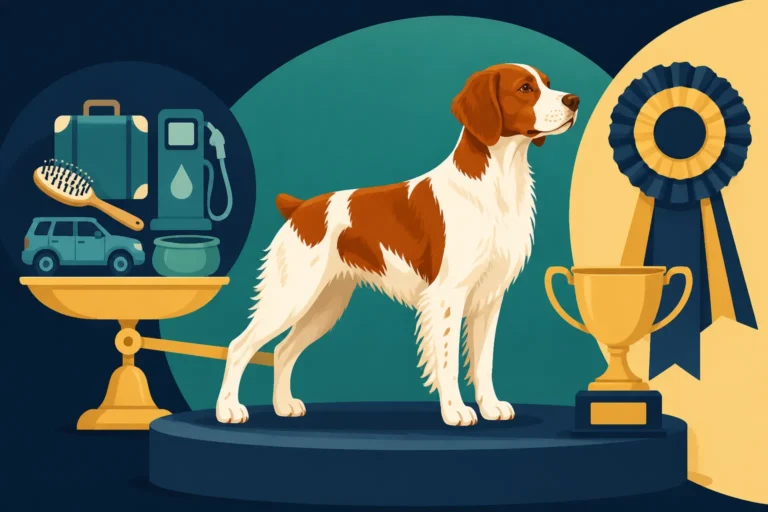
Whether a Field Line Brittany Costs More
It’s a common question, and one that often causes a bit of sticker shock: why do some Brittany puppies seem to cost so much more than others? You've heard whispers about "field lines" and "show lines," and naturally, you wonder if there's a real difference in price, or if it's just marketing. The truth is, yes, a field line Brittany often does come with a higher price tag, and this guide will walk you through exactly why that is, helping you understand the investment you're making.
Understanding the "Field Line" Brittany
When we talk about a "field line" Brittany, we're not just throwing around a fancy term; we're referring to dogs specifically bred for their working ability in the field. These are the dogs whose lineage is packed with proven hunters, field trial champions, and parents with incredible bird-finding instincts. This isn't just about looking pretty; it's about performance.
What Defines a Field Line?
A true field line Brittany is one where generations of dogs have been selected for specific traits crucial for hunting. Think about it: a bird dog needs an exceptional nose, a tireless work ethic, the drive to cover ground efficiently, and the biddability to work with a handler. Breeders focusing on field lines prioritize these traits above all else. They're not just breeding two Brittanys; they're breeding two proven hunting partners with the expectation that their offspring will inherit those same valuable instincts.
This often means delving deep into pedigrees, looking for titles like Field Champion (FC), Amateur Field Champion (AFC), or various NAVHDA (North American Versatile Hunting Dog Association) titles like Utility Dog or Versatile Champion. These aren't just ribbons on a wall; they are tangible proof that a dog has demonstrated superior hunting skills under various conditions. When you see a pedigree loaded with these, you're paying for a genetic blueprint for success in the field.
Field vs. Show Lines: A Breeding Philosophy Divide
It’s important to understand that while all Brittanys are still fundamentally bird dogs, the emphasis can shift. A "show line" Brittany breeder might prioritize conformation to the breed standard, graceful movement, and an appealing look in the show ring. Their dogs might have titles like Conformation Champion (CH). While many show Brittanys can hunt and might even earn some field titles, their primary selection criteria often lean towards aesthetics and structure that judges admire.
Field line breeders, on the other hand, are relentlessly focused on performance. They want a dog that can find birds, point staunchly, and retrieve reliably, often for hours on end, across challenging terrain. This divergence in breeding philosophy often leads to subtle differences in build and temperament over generations, with field dogs sometimes being a bit leaner, more intense, and possessing an almost obsessive drive for birds. This isn't to say one is "better" than the other, but they are bred with different ultimate goals in mind, which directly impacts the value placed on a puppy from each line.
Factors Influencing Brittany Puppy Prices
When you start looking at Brittany puppies, you'll quickly notice a wide range of prices. It can be perplexing, especially if you're new to the world of purebred dogs. There are many underlying costs and efforts that contribute to that final figure.
General Breeder Costs
Every responsible breeder incurs significant expenses long before a litter is even conceived. This includes everything from stud fees to health clearances for both parents. Think about the veterinary care: pre-breeding health checks, progesterone testing to time breeding perfectly, ultrasound or X-rays to confirm pregnancy and count puppies. Then there's the care of the dam during pregnancy and lactation, which includes specialized nutrition and vet visits.
Once the puppies arrive, the work truly begins. This involves around-the-clock care, initial vet checks, deworming, vaccinations, microchipping, and often early neurological stimulation. Quality food for a growing litter isn't cheap, nor are the whelping supplies, heating lamps, and cleaning materials. Beyond that, a good breeder dedicates countless hours to socialization, introducing puppies to different sights, sounds, and textures, as well as basic manners and crate conditioning. All of this foundational work, which sets the puppies up for success in their new homes, is factored into the price.
Health Testing and Guarantees
One of the biggest differentiators in price, and frankly, one of the most important investments a breeder makes, is comprehensive health testing. For Brittanys, this typically includes hip evaluations (OFA or PennHIP), eye clearances (CERF/OFA Eye Certification), and often thyroid panels. Some breeders also screen for other conditions like C3 deficiency, a specific immune issue found in the breed, or cardiac issues. These tests are not inexpensive, and they are performed on both parents before breeding. A breeder who skips these tests might offer cheaper puppies, but you could be buying into a lifetime of expensive veterinary bills and heartbreaking health issues. You can read more about What a Brittany Spaniel Breeder Should Have Tested.
A reputable breeder will not only perform these tests but will also stand behind their puppies with a health guarantee, often covering genetic conditions for a certain period. This commitment reflects their confidence in their breeding program and their dedication to the long-term health of the breed. This peace of mind is a significant part of the value you receive and contributes to the overall cost. For instance, knowing a dog's parents passed their hip screens can give you some assurance against How Common Hip Dysplasia Is in Brittany Spaniels.
Specific Costs Associated with Field Line Brittanys
Now, let's dive into why a field line Brittany might command a higher price specifically compared to a non-field-bred one. It boils down to the specialized effort, proven genetics, and higher investment required to produce a dog with exceptional hunting prowess.
Proven Genetics and Performance
The most significant factor in the higher price of a field line Brittany is the proven performance of its ancestors. Field line breeders don't just breed two healthy dogs; they breed dogs that have demonstrated superior ability in a rigorous, competitive environment. This means the dam and sire themselves have likely undergone extensive training and competed in field trials or hunt tests to earn their titles.
Consider the time, effort, and financial cost involved in training a dog to the level of a Field Champion or a Master Hunter. These are not weekend warrior achievements. They involve countless hours in the field, working with professional trainers, traveling to events, and paying entry fees. All of these experiences contribute to validating the genetics and instincts of the breeding stock. When you purchase a field line puppy, you are, in essence, buying into a lineage that has been carefully curated for generations to produce top-tier hunting dogs. This genetic predisposition for bird sense, drive, and biddability is what makes these puppies so sought after by serious hunters and competitors, and it's reflected in their price.
Specialized Training and Socialization
While all puppies benefit from early socialization, field line Brittanys often receive even more specialized early exposure. A dedicated field breeder might introduce puppies to bird wings, encourage pointing instincts, and expose them to various outdoor environments from a young age. They might even begin sound conditioning to help prevent gun shyness, understanding that a fearful reaction to loud noises could derail a dog's entire hunting career. These breeders understand the demanding life these dogs are bred for, and they lay a meticulous foundation to ensure the puppies have the best possible start.
The care doesn't stop with basic socialization. A field line breeder will be observing and evaluating each puppy for traits relevant to hunting, matching the right puppy with the right buyer based on temperament, drive, and potential. This expert assessment, combined with the initial specialized conditioning, is an added value that you won't always find with a breeder who isn't actively engaged in the field world. They know these dogs are sensitive; as we discuss in The Brittany Is the Softest of the Pointing Breeds, a gentle but consistent approach is crucial from the start.
The Breeder's Reputation and Expertise
The breeder themselves plays a huge role in the value proposition. A field line breeder is often a seasoned hunter, a field trial competitor, or someone deeply involved in the sporting dog community. They have years, if not decades, of experience understanding Brittany genetics, training methods, and the nuances of creating an exceptional bird dog. Their reputation is built on the performance of the dogs they produce, not just in their own kennels, but in the hands of their puppy buyers.
This expertise means they can offer invaluable guidance and support throughout your dog's life, from initial training advice to troubleshooting behavioral issues in the field. They are often mentors to new hunters and competitors. This level of support and knowledge is part of the "package" you receive when you choose a reputable field line breeder, and it's a significant factor in the cost. You're not just buying a dog; you're gaining access to a wealth of experience.
The Value Proposition of a Field Line Brittany
So, after all this, is a field line Brittany truly "worth" the higher cost? For many, especially those serious about hunting or field competition, the answer is a resounding yes. It's an investment in potential, performance, and peace of mind.
Enhanced Trainability and Instinct
One of the most compelling reasons to choose a field line Brittany is the inherent trainability and strong natural instincts they often possess. These dogs are practically born knowing how to hunt. They have an innate bird drive, a natural retrieve, and that classic, intense Brittany point that makes them such effective hunting partners. This isn't something you can easily train into a dog that doesn't have the genetic predisposition for it. While all Brittanys have some level of instinct, in field lines, these traits are amplified and refined.
This translates to an easier training process for the owner. You're not fighting against nature; you're channeling and shaping a powerful natural ability. This means less frustration, faster progress, and ultimately, a more rewarding experience in the field. For a dedicated hunter, having a dog that instinctively knows its job saves immense amounts of time and effort in training. Whether you're focused on How a Brittany Finds Its First Bird or advancing to higher levels of competition, starting with strong genetics is a massive advantage.
Performance and Consistency in the Field
When you invest in a field line Brittany, you're investing in a dog that is built to perform consistently. These dogs are bred for endurance, resilience, and the mental fortitude required for long days in tough cover. They are less likely to "quit" in the field and possess the stamina to keep going when other dogs might fade. This reliability is critical for serious hunters who depend on their dog to consistently find and point birds.
Imagine a crisp autumn morning, walking through pheasant cover. A field line Brittany is systematically working the wind, covering ground, and then, bam, slams on point, rock-solid, nose to the ground. That kind of consistent performance isn't accidental; it's the result of generations of selective breeding. This consistency not only enhances your hunting success but also makes every outing more enjoyable and predictable. They are truly working athletes, designed for their specific sport.
Long-Term Enjoyment and Satisfaction
Ultimately, the higher cost of a field line Brittany often translates into greater long-term enjoyment and satisfaction for the owner. When your dog is performing beautifully in the field, effortlessly finding birds, and sharing those unforgettable moments with you, the initial investment seems small in comparison. For many, a Brittany isn't just a pet; it's a partner, a companion, and an extension of their passion for the outdoors.
The satisfaction of owning a dog that truly excels at what it was bred to do is immense. Whether it's the thrill of watching them work a bird or the pride of earning a title, these experiences are priceless. While the purchase price is higher, the return on that investment in terms of shared experiences and a deeply fulfilling partnership often far outweighs the initial financial outlay. Many owners feel that the difference in performance and the ease of training with a well-bred field dog justify the premium.
Finding a Reputable Field Line Breeder
Navigating the world of breeders can feel overwhelming, but finding a reputable field line breeder is crucial to ensuring you get a healthy, well-adjusted puppy with true hunting potential. This isn't a decision to rush.
What to Look For in a Breeder
First and foremost, a reputable field line breeder will be transparent and eager to share information. They should be deeply knowledgeable about their lines, their dogs' pedigrees, and their hunting accomplishments. Look for breeders who are actively involved in field trials or hunt tests with their own dogs. This shows a commitment to proving the working ability of their breeding stock.
They should also be performing all recommended health clearances for Brittanys, including hips and eyes, and be willing to provide verifiable documentation. Ask about their philosophy on breeding, training, and early puppy development. A good breeder will want to get to know you to ensure their puppy is going to a suitable home. They will ask questions about your hunting experience, your living situation, and your expectations for the dog. Be prepared for a conversation, not just a transaction. If you're wondering Which Questions to Ask a Brittany Breeder, focus on health, temperament, and hunting ability.
Red Flags to Watch Out For
Just as there are signs of a good breeder, there are also red flags that should make you pause. Be wary of breeders who:
- Don't perform health clearances or can't provide documentation.
- Have multiple litters simultaneously with different breeds.
- Can't tell you about the hunting abilities or titles of their breeding stock.
- Sell puppies without a contract or health guarantee.
- Don't allow you to visit their facility or meet the dam (and potentially the sire).
- Offer puppies at significantly lower prices than others, often cutting corners on health or care.
- Pressure you to make a quick decision or require immediate payment without proper vetting.
Remember, a cheap puppy can end up being the most expensive dog you ever own if it comes with significant health or behavioral problems. For instance, a very low price might indicate that Why a Brittany Under Eight Hundred Is a Warning. It’s always better to wait for the right puppy from the right breeder, even if it means a higher initial cost.
Leveraging Breed Clubs and Networks
One of the best ways to find a reputable field line breeder is through breed clubs and dedicated hunting dog organizations. The American Brittany Club (ABC) and organizations like NAVHDA have resources to help connect prospective owners with ethical breeders. These groups often maintain breeder directories or can refer you to individuals active in their communities.
Attending field trials, hunt tests, or even local bird dog club meetings can also be incredibly beneficial. You'll get to see Brittanys work in person, meet breeders, and talk to other owners about their experiences. These networks are invaluable for finding breeders who are truly committed to the working Brittany and can help you navigate the process of finding your perfect hunting companion. Don't underestimate the power of word-of-mouth recommendations within the sporting dog community.
Long-Term Costs Beyond the Purchase Price
While the initial purchase price of a field line Brittany might be higher, it's crucial to remember that this is just the beginning of your financial investment. Owning any dog, especially an active sporting breed, comes with significant ongoing costs.
Feeding and Nutrition
A field line Brittany is an athlete, and like any athlete, they require high-quality nutrition to maintain their energy levels, muscle mass, and overall health. During hunting season, their caloric needs skyrocket, and they often benefit from specialized performance dog foods with higher protein and fat content. These premium foods typically cost more than standard kibble.
Consider brands like Ollie for fresh, human-grade options or high-performance kibble available at places like Chewy that cater to active dogs. The cost of food alone for an active, adult Brittany can add up substantially over its lifetime. It’s not just about filling their belly; it’s about fueling their performance and recovery, especially if you're hitting the field regularly. You'll likely find that Whether a Working Brittany Needs a Performance Food is a definite yes.
Veterinary Care and Insurance
Even with excellent genetics and health clearances, any dog can face unexpected veterinary needs. Regular check-ups, vaccinations, parasite prevention, and dental care are standard expenses. However, a working Brittany is also more prone to field-related injuries, from torn pads to foxtails in their ears, or even more serious lacerations. These injuries can lead to unexpected and often expensive vet bills.
Many owners of field line Brittanys opt for pet insurance to help mitigate these costs. Companies like Healthy Paws offer plans that can cover accidents and illnesses, providing peace of mind when your dog is out doing what they love. While it’s an added monthly expense, it can be a lifesaver if your dog needs emergency surgery or ongoing treatment. You can research Whether Insurance Covers a Brittany's Hunting Injuries to understand your options.
Here’s a simplified breakdown of typical cost categories for a Brittany:
| Cost Category | General Brittany Owner | Field Line Brittany Owner (Estimated Difference) | Notes |
|---|---|---|---|
| Initial Purchase | Moderate to High | High to Very High | Reflects breeder's investment in health, titles, and lineage. |
| Food & Nutrition | Moderate | Higher (Performance Formulas) | Athletes need more calories and specialized diets. |
| Routine Vet Care | Moderate | Moderate (with higher risk of field injuries) | Annual exams, vaccines, but higher potential for injury-related visits. |
| Training & Equipment | Moderate | High (E-collars, bird launchers, professional training) | Specific gear for hunting and potential professional gun dog training. |
| Hunt Test/Trial Fees | Low (if any) | High (entry fees, travel, lodging) | For those who compete to prove their dog's abilities. |
| Pet Insurance | Optional | Highly Recommended | Covers unexpected field injuries and illnesses. |
| Time Investment | High | Very High | Field dogs require immense mental and physical stimulation. |
Training and Equipment
If you're buying a field line Brittany, chances are you intend to hunt with it or compete, which means additional training and equipment costs. This might include electronic collars, specialized leashes, bird launchers, training pigeons or quail, and even professional gun dog training. A good gun dog trainer can charge a significant amount, but they can be invaluable in honing your Brittany's natural abilities. For details, you can look into What a Professional Gun Dog Trainer Charges for a Brittany.
Beyond training, there's equipment specific to hunting: protective vests for heavy cover, GPS collars for tracking a wide-ranging dog, and even specialized dog boxes for safe transport in a truck. These are all investments that contribute to the overall cost of owning a field line Brittany and maximizing its potential. Every piece of equipment, from a simple check cord to a sophisticated GPS unit, serves a purpose in building a proficient hunting partner.
Disclaimer
This article is for general informational purposes only and does not constitute professional advice. Laws, prices and regulations vary by location and change over time. Consult a qualified professional for guidance on your specific situation.