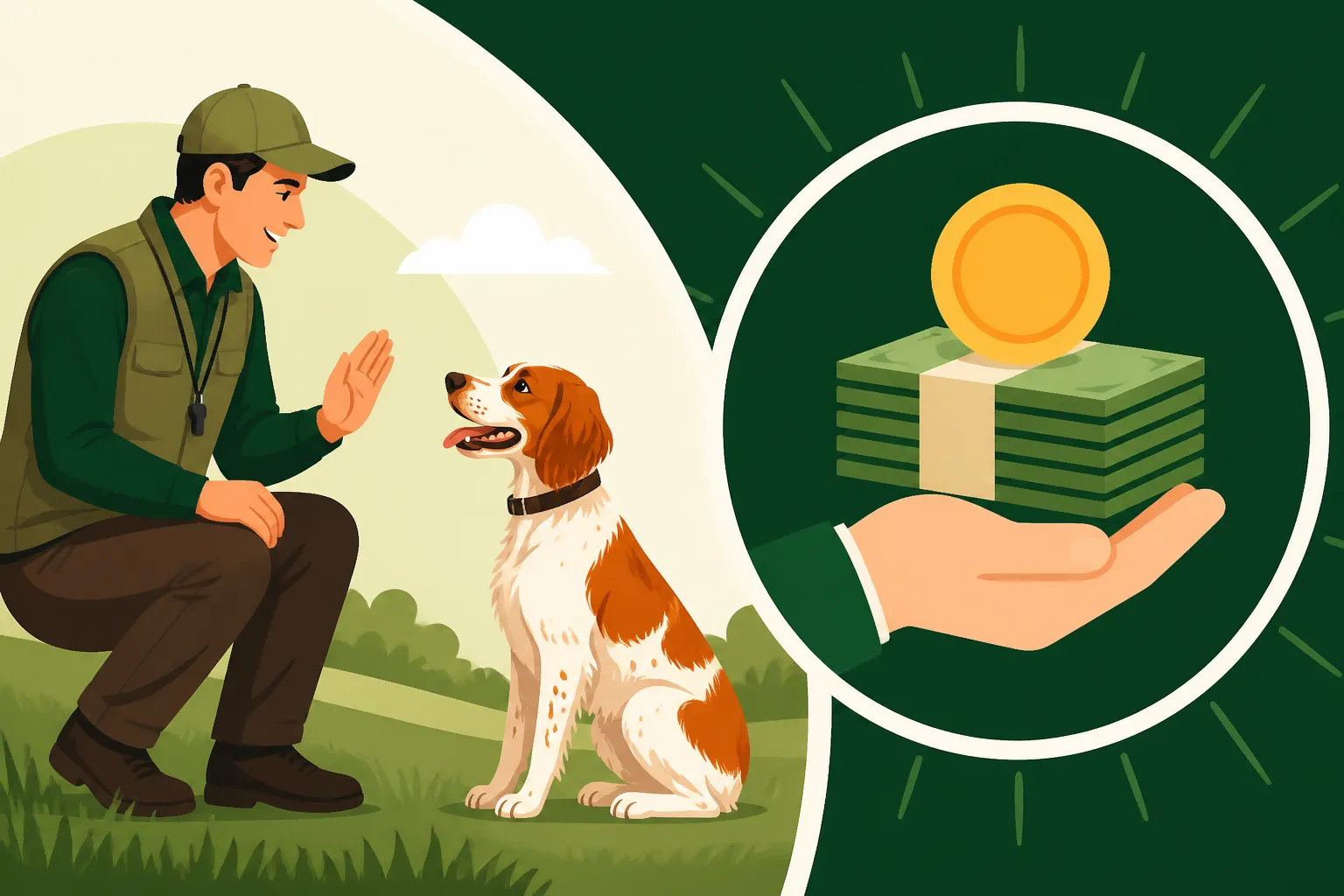
What a Gun Dog Trainer Charges Per Month for a Brittany
Bringing a Brittany into your life is an incredible journey, full of promise for exhilarating days in the field and cozy evenings at home. But for many aspiring bird dog owners, the thought of professional gun dog training comes with a big question mark: how much is this really going to set me back? It's a valid concern, often overshadowed by a desire to give your loyal companion the best foundation. This guide will help you navigate the financial side of professional gun dog training for your Brittany, offering a realistic look at what you can expect to pay each month and what that investment truly entails.
Understanding the Investment in Professional Gun Dog Training
Let's be honest, the idea of sending your beloved Brittany off to a professional trainer can feel a bit daunting, both emotionally and financially. You might wonder if it's truly necessary, or if you could just "figure it out" yourself. While many owners do incredible work with their dogs, there's a unique value in professional gun dog training that's worth exploring, especially when you consider the intricate skills required for a truly exceptional bird dog.
Why Professional Training for a Brittany?
Brittanys are bright, eager, and highly biddable dogs, making them a joy to train. However, their intelligence and drive also mean they can pick up bad habits quickly if not guided correctly. Professional trainers specialize in developing a bird dog's natural instincts into reliable, polished skills. They have access to controlled environments, live birds, and specialized equipment that most amateur owners simply don't. Think about teaching a Brittany to be steady to shot – it requires precise timing and consistent repetition that's hard to replicate without expertise.
A professional trainer can save you countless hours of frustration and potential setbacks. They understand the nuances of a Brittany's temperament, knowing exactly how sensitive they can be to correction, which is why trainers often refer to the breed as "soft." They can identify and address issues like creeping on point or chasing birds before they become ingrained problems. Moreover, a good trainer doesn't just train your dog; they often train you too, teaching you how to maintain and build upon the foundation they've established. This means your Brittany comes back not just a better bird dog, but with a deeper bond and understanding between you, ready for years of hunting adventures.
Factors Influencing Monthly Training Costs
The price tag for professional gun dog training isn't a one-size-fits-all number. Several key factors come into play, creating a wide range of monthly charges.
Firstly, location plays a significant role. Just like real estate, training costs can vary widely depending on the region. Trainers in areas with a higher cost of living or strong hunting traditions might charge more than those in more rural, less competitive areas. Proximity to game birds, specialized facilities, and the availability of qualified trainers can all influence regional pricing. For example, a highly-regarded trainer in a prime hunting state like Kansas or Georgia might command a premium compared to someone in an area with less demand for gun dog training services.
Secondly, the trainer's reputation and experience are huge determinants. A trainer with decades of experience, a string of championship titles, or a reputation for developing exceptional dogs will naturally charge more. This isn't just about prestige; it's about proven results and the depth of their expertise. Newer trainers or those still building their portfolio might offer lower rates to attract clients. When choosing, you're often paying for their understanding of things like How Far an American Brittany Ranges or the specific challenges of Introducing a Gun to a Brittany That Spooks Easily. It's crucial to research their background, talk to past clients, and perhaps even visit their facility to get a feel for their program.
Finally, the program duration and what's included in their monthly package will impact the cost. Some trainers offer intensive, short-term boot camps, while others prefer longer, more gradual programs. A comprehensive program might include extensive bird exposure, advanced obedience, force fetch, and even field trial prep, all contributing to a higher monthly fee. Some trainers operate on a flat monthly rate, while others might itemize costs for things like birds or specialized equipment. It's essential to get a clear breakdown of what you're paying for.
Breaking Down the Monthly Costs
So, what does that monthly fee actually cover? It's more than just a place for your Brittany to stay; it's an immersive experience designed to shape them into a reliable hunting companion. Understanding what you're paying for helps justify the investment.
What's Included in a Typical Monthly Fee?
When you send your Brittany to a gun dog trainer, the monthly fee usually encompasses a comprehensive suite of services, much like a specialized boarding school for dogs. The most significant component is typically the daily training sessions. Your Brittany will receive focused, hands-on instruction multiple times a day, building skills incrementally. This isn't just about repetition; it's about tailored lessons addressing your dog's specific needs and progression, whether it's perfecting their point, mastering "whoa," or developing a consistent retrieve.
Beyond the actual training, boarding is almost always included. Your Brittany will have a safe, clean, and often climate-controlled kennel, ensuring their comfort and well-being. This isn't just basic housing; it's a secure environment conducive to learning, minimizing distractions while providing necessary rest. Next up is food. Most trainers will provide a high-quality kibble as part of the fee, often a performance-grade food appropriate for active working dogs. However, if your Brittany has specific dietary needs or preferences (perhaps you feed them a specialty raw diet from a brand like Ollie, or a specific kibble from Chewy), you might need to supply that yourself or pay an additional charge.
Crucially for a bird dog, bird exposure is a key part of the monthly package. This means your Brittany will get regular opportunities to work with live birds, such as pigeons, quail, or chukars, to develop and reinforce their pointing, flushing, and retrieving instincts. The cost of acquiring and maintaining these birds is significant, and it's factored into your monthly fee. Furthermore, basic health and welfare checks are typically performed daily, ensuring your dog is hydrated, eating well, and showing no signs of injury or illness. While emergency vet visits would be extra, the trainer is usually responsible for monitoring your dog's general condition.
The Range of Monthly Charges
Given the variables mentioned above, pinpointing an exact monthly cost is tricky, but we can talk about a general range. For a reputable, experienced gun dog trainer in North America, you can generally expect monthly charges to fall within a certain bracket. This can fluctuate based on the specific program, facilities, and the trainer's demand. It's a significant investment, often reflecting the specialized nature of the work, the time commitment, and the resources involved.
Think about it like this: you're not just paying for a few hours of work a day; you're paying for the trainer's years of experience, their deep understanding of dog behavior, their extensive knowledge of bird work, and the infrastructure they maintain (kennels, fields, birds). This kind of specialized, intensive training for a Brittany is not a budget service, and trying to find the cheapest option often leads to disappointment. It's more about finding the best value for your investment in your dog's future as a reliable hunting partner.
Beyond the Monthly Fee: Hidden or Additional Costs
While the monthly fee covers the bulk of the training, it’s important to budget for potential additional expenses that can pop up. These aren’t necessarily “hidden” if you ask the right questions upfront, but they can easily be overlooked.
One of the most common additional costs is veterinary care. While trainers monitor daily health, any illness or injury requiring vet attention will be your responsibility. This could range from routine vaccinations to treating a cut pad or an ear infection. It's wise to have a discussion with the trainer about their protocol for vet emergencies and to ensure your dog is covered by Whether Insurance Covers a Brittany's Hunting Injuries from a provider like Healthy Paws. Beyond emergencies, some trainers might recommend specific preventative treatments or supplements not included in their standard rate.
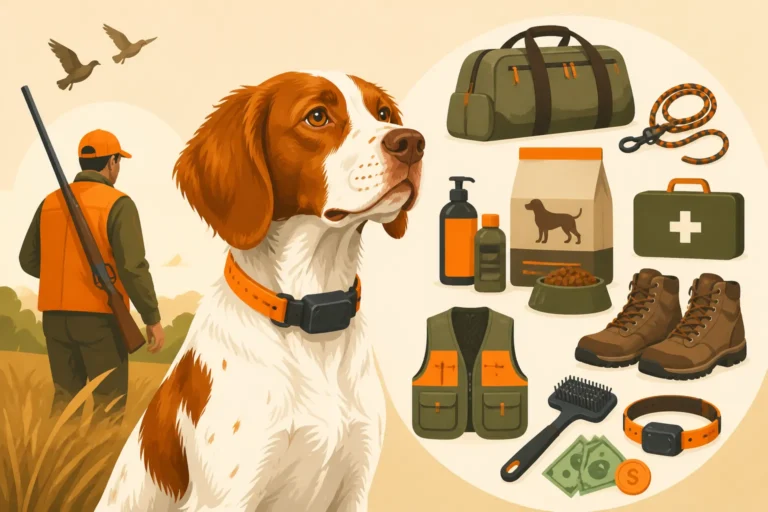
Then there's specialized gear. While a basic collar and lead are usually sufficient, you might need to purchase an e-collar, a tracking collar, or a specialized vest as your dog progresses. These are typically not included in the monthly training fee. You might also want to buy a Beeper Collar Costs a Brittany Owner to help track your dog in thick cover, or specific training dummies for continued practice at home. Some trainers will also charge extra for live birds beyond a certain number, especially for advanced stages of training or if you request extensive bird work. If you plan to participate in hunt tests or field trials, entry fees for those events will be your responsibility. Finally, don't forget travel costs for dropping off and picking up your Brittany, especially if the trainer is located far from your home. These trips can add up, particularly if you visit periodically during the training period to observe progress or participate in owner-handler sessions.
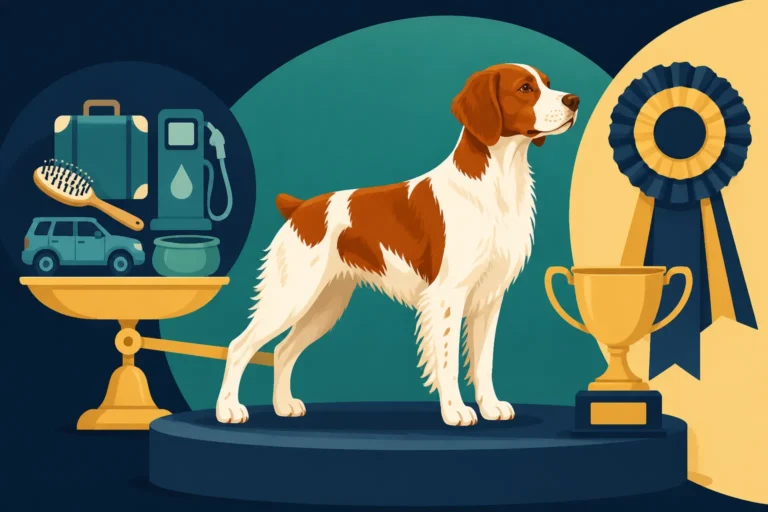
| Expense Category | What It Typically Covers | Potential Additional Costs |
|---|---|---|
| Monthly Training Fee | Daily training sessions, boarding, standard dog food, bird exposure. | Specialized diets (e.g., Ollie), extra bird work beyond standard package. |
| Veterinary Care | Daily health checks, basic first aid on-site. | All vet visits (illness, injury, vaccinations), medications, specialized treatments. |
| Training Equipment | Basic collar/leash used by trainer. | E-collar, GPS collar, specialized vests, advanced training tools, retrieve dummies. |
| Field/Hunt Test Fees | N/A | Entry fees for AKC hunt tests, NAVHDA events, field trials. |
| Transportation | N/A | Fuel, lodging for drop-off/pickup, travel to owner-handler sessions. |
| Grooming/Maintenance | Basic cleanliness. | Professional grooming, specialized ear cleaning products, paw care products. |
Choosing the Right Gun Dog Trainer for Your Brittany
Selecting the right trainer is paramount. It’s not just about finding someone who knows dogs; it’s about finding a partner who understands your Brittany, your goals, and can effectively communicate with both you and your dog. A good fit can make all the difference in the world.
Key Questions to Ask Prospective Trainers
Before committing your Brittany (and your wallet) to a trainer, you need to ask a lot of questions. This isn't just about getting a price, it's about finding out their philosophy, their methods, and their suitability for your specific dog.
Start with their experience and specialization. How long have they been training gun dogs? Do they have specific experience with Brittanys? Ask about their success rates and if they compete in hunt tests or field trials themselves. Understanding their background will give you confidence in their abilities. Next, delve into their training philosophy and methods. Are they force-based or more positive reinforcement oriented? What kind of corrections do they use? Since Brittanys are known to be "soft," a heavy-handed approach can easily ruin a Brittany with a gun or cause them to shut down. Ask about their approach to specific challenges like teaching "whoa" or introducing the gun. You want a method that aligns with your values and your dog's temperament.
Crucially, inquire about their facilities and daily routine. How are the dogs housed? What kind of exercise do they get? What is a typical day like for a dog in their program? This will give you insight into the living conditions and the structure of the training program. Also, ask about communication and owner involvement. How often will you receive updates on your Brittany's progress? Can you visit? Do they offer owner-handler training sessions? A good trainer will be transparent and keep you in the loop, ensuring you're part of the process, even from afar. You should also ask what kind of follow-up support they offer once your Brittany comes home.
Assessing Value Beyond the Price Tag
It's easy to focus solely on the monthly cost, but true value in gun dog training goes far beyond the dollar amount. A cheaper trainer isn't always a better deal if your dog comes back with an incomplete education or, worse, with behavioral issues.
Consider the long-term benefits. A well-trained Brittany is a joy to hunt with, a safer companion in the field, and a more well-adjusted family member at home. A solid foundation from a great trainer can extend your dog's hunting career and reduce the likelihood of costly behavioral problems down the road. You’re investing in years of enjoyable experiences, not just a few months of training. Think of the peace of mind knowing your Brittany has a reliable How Reliable a Brittany's Recall Is in any situation.
Also, evaluate the quality of the training environment and resources. Does the trainer have access to diverse cover, various bird species, and proper training equipment? Are their kennels clean and well-maintained? Are the staff knowledgeable and caring? The overall environment contributes to your dog's well-being and learning potential. A trainer who takes pride in their facilities and their craft is likely to deliver superior results. Finally, weigh the trainer's ability to communicate with you. A trainer might be a dog whisperer, but if they can't effectively teach you how to maintain the training, then a significant part of the investment is lost. The value is truly maximized when both you and your Brittany learn and grow together.
Preparing Your Brittany (and Yourself) for Training Camp
Sending your Brittany to a trainer is a big step, and preparing both of you for the experience can help ensure a smoother transition and more successful outcome. It’s not just about packing a bag for your dog; it’s about setting them up for success and understanding your role once they're away.
Pre-Training Prep for Your Dog
You might think your Brittany is just going off to learn everything from scratch, but a little preparation on your end can make a world of difference. First and foremost, ensure your Brittany has a solid foundation in basic obedience. Commands like "sit," "stay," and "here" (recall) should be reliable. This allows the trainer to build upon an existing understanding rather than starting from zero. Think of it as sending your child to school after they've learned their ABCs – they'll be able to grasp more complex concepts faster.
Next, get your Brittany in good physical condition. They'll be doing a lot of running and working, so they need to be fit. Discuss this with your trainer, as they might have specific recommendations for conditioning. This also means making sure your dog is up-to-date on all vaccinations and parasite prevention. A clean bill of health from your vet will prevent any unnecessary interruptions to their training. Also, get them used to their kennel or crate. Most trainers house dogs in individual kennels, and a dog that is comfortable and quiet in a crate will adjust much faster to the training environment. You might also want to read up on How Long a Brittany's Training Session Should Be so you have an idea of the intensity your dog will be experiencing.
What You Need to Do While Your Brittany is Away
Just because your Brittany is with a trainer doesn't mean your job is over. In fact, your active participation is crucial for reinforcing the training once they return home. First, maintain open communication with your trainer. Don't be afraid to ask for updates, clarification, or to schedule a visit if the trainer allows it. Understanding what your dog is learning and how they are progressing will help you prepare for their return.
Secondly, educate yourself. Ask the trainer for homework or reading materials. Many trainers will provide instruction on how to handle your dog once they come home, often including specific commands or handling techniques. The goal is consistency, so you need to be ready to step into the role of handler with the same expectations and commands as the trainer. It's an opportunity for you to learn alongside your Brittany. Consider joining an organization like NAVHDA or the American Brittany Club to learn more about the breed and its training needs. You might also find it helpful to look into articles like Whether an Epileptic Brittany Can Still Hunt or Whether a Brittany Bloats to understand general health and behavioral considerations for the breed.
Finally, prepare for the reintegration. Your Brittany will be coming home a changed dog, and you'll need to be prepared to continue their education. This means being consistent with commands, providing adequate exercise (your trainer will likely have recommendations for How Much Exercise a Brittany Needs Off Season), and continuing to expose them to birds if possible. The investment in professional training is just the beginning of a lifelong partnership with your well-trained Brittany.
Disclaimer
This article is for general informational purposes only and does not constitute professional advice. Laws, prices and regulations vary by location and change over time. Consult a qualified professional for guidance on your specific situation.