Whether a Brittany Can Pass a Canine Good Citizen Test
It's a common aspiration for dog owners: a well-mannered companion who is a joy to take anywhere, reliably polite and calm in public. But when your companion is a spirited Brittany, known for their boundless energy and intense bird drive, you might wonder if achieving such a level of calm composure is even realistic. This guide will explore whether a Brittany can indeed pass the Canine Good Citizen (CGC) test, detailing the steps, challenges, and rewarding journey to help your energetic pointer shine.
Understanding the Canine Good Citizen Test: What It Entails
The American Kennel Club's Canine Good Citizen (CGC) program is a two-part certification program designed to reward dogs who have good manners at home and in the community. It's a fantastic foundation for any dog, proving that they are reliable and well-behaved companions. For a Brittany, a breed bursting with life, achieving this title is not just a badge of honor; it’s a testament to their inherent intelligence and trainability, and your dedication as an owner. The test consists of ten specific skills, all performed on a leash. These aren't just tricks; they're real-world behaviors that demonstrate a dog's basic manners and stability.
The Ten Steps to Canine Good Citizenship
Each of the ten items on the CGC test assesses a practical skill crucial for a polite public presence. Think of it as a checklist for being a truly good neighbor and a welcome visitor wherever you go. While some dogs might breeze through certain components, a Brittany often brings its own unique blend of enthusiasm and curiosity to the table, which means we might need to approach a few items with extra patience and creativity.
The test items cover things like accepting a friendly stranger, sitting politely for petting, appearance and grooming (which means they need to tolerate handling), walking on a loose leash, walking through a crowd, "sit" and "down" on command (and staying in place), coming when called, reacting politely to another dog, reacting to distractions, and being able to be left with a handler they don't know for a few minutes. Each item has a specific set of criteria that your dog must meet. It’s not about perfection, but about demonstrating a sufficient level of control and comfort in various situations. It's truly a practical evaluation of a dog's real-world manners.
Why the CGC Is a Great Goal for Brittany Owners
For owners of a high-drive breed like the Brittany, the CGC isn't just a fun challenge; it's a vital part of responsible ownership. A Brittany thrives on having a job, and while field work is their ultimate calling, the structure and expectations of CGC training can provide valuable mental stimulation during the off-season or for those who don't hunt. It helps channel their incredible energy and intelligence into positive behaviors. Moreover, passing the CGC opens doors. Many public places, like certain parks or even some rental properties, look favorably upon dogs with this certification, recognizing them as less likely to cause trouble. It's a way to ensure your Brittany is the Pointing Breed You Can Live With, making them a more integrated and welcome member of your family and community. Beyond the practical benefits, the process itself strengthens the bond between you and your Brittany, building trust and mutual understanding. You'll learn to communicate more effectively, and your dog will learn to trust your guidance in novel situations.
Brittany Temperament and Trainability: Assets and Quirks
Brittanys are renowned for their eagerness to please, sharp minds, and tireless energy. These traits are both incredible assets and potential quirks when it comes to formal obedience training like the CGC. Their intelligence means they pick up commands quickly, but their high drive can also mean they're easily distracted by the world around them, especially if there's a bird involved! Understanding What a Brittany's Temperament Is Really Like is key to successful training. They are sensitive dogs, so positive reinforcement methods work best, and harsh corrections can easily make a Brittany shut down or become anxious.
The Brittany's Eagerness to Please vs. Its Drive to Hunt
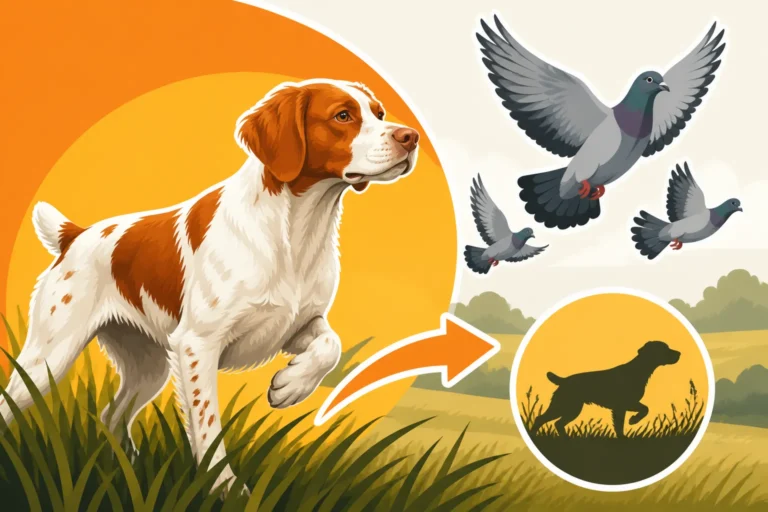
Your Brittany wants to make you happy, truly. They live for your approval, which is a huge advantage in training. They often respond enthusiastically to praise, treats, and toys. However, this same intensity translates to their natural instincts. When a Brittany catches a scent or sees a bird, their focus shifts entirely. That strong hunting drive, while desirable in the field, means that distractions like squirrels, blowing leaves, or even an interesting patch of grass can become monumental challenges during a "stay" exercise.
We need to acknowledge this inherent drive and work with it, not against it. Instead of getting frustrated when your Brittany's nose is glued to the ground, understand that it's just being a Brittany. Training needs to gradually increase the level of distraction, starting in quiet environments and slowly moving to busier ones. High-value treats, like small pieces of cooked chicken or cheese, can often compete with environmental distractions, especially during initial training. A versatile online training program, like those offered by BAXTER & Bella, can provide structured lessons that allow you to practice in controlled environments and slowly build up to real-world scenarios.
Sensitivity and Energy Levels: Managing the Brittany Wiggle
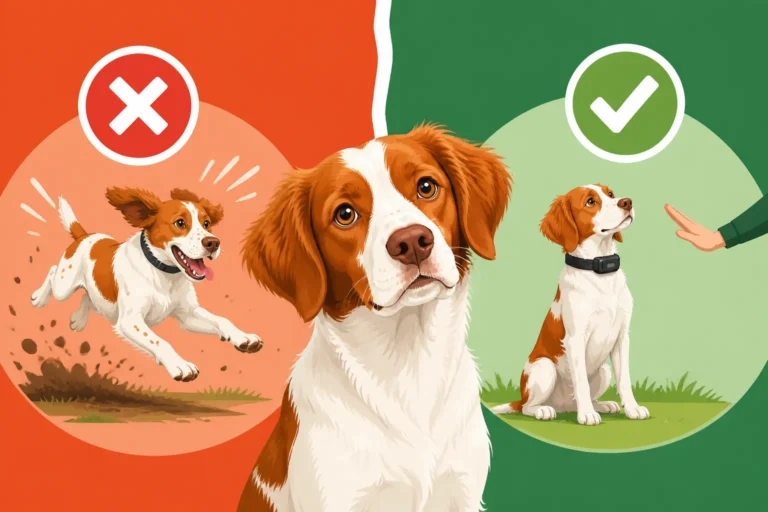
Brittanys are often described as "soft" dogs, meaning they are quite sensitive to correction. A raised voice or a hard tug on the leash can be counterproductive, leading to a dog who is either timid or tries to avoid interaction. Positive reinforcement—rewarding desired behaviors—is the golden rule when training a Brittany. If you're wondering How Sensitive a Brittany Is to Correction, remember that they thrive on encouragement and clear, consistent communication. You'll get much further with a happy, willing partner than with one who is hesitant or afraid.
Their energy levels are legendary. An under-exercised Brittany is a recipe for frustration, for both dog and owner. Before any serious training session, especially one that requires focus and calm, ensure your Brittany has had ample opportunity to burn off some steam. A good run, a vigorous game of fetch, or even a long walk will help them settle enough to concentrate. Imagine trying to focus on a math problem after running a marathon – it's tough! The same goes for your Brittany. Without adequate exercise, their natural "wiggle" makes sustained attention nearly impossible. This means truly understanding How Much Exercise a Brittany Needs Off Season and making it a priority.
Preparing Your Brittany for CGC Success: Practical Steps and Training Tips
Embarking on the CGC journey with your Brittany requires a methodical approach, patience, and a deep understanding of their unique needs. It's not just about teaching commands; it's about building confidence, reliability, and excellent communication between you and your dog.
Starting with the Basics: Foundation for Success
Before you even think about the CGC test, your Brittany needs a solid foundation in basic obedience. Commands like sit, stay, down, and come are the building blocks. Remember, these are intelligent dogs, and they often pick up on commands quickly. The real challenge is making those commands reliable under distraction. Focus on short, engaging training sessions, perhaps How Long a Brittany's Training Session Should Be to keep their attention before their energetic minds wander. Repetition in various environments is key.
Consider enrolling in a good puppy class if your Brittany is young, as Whether a Brittany Needs Puppy Class is a resounding yes! These classes not only teach basic commands but also provide crucial socialization opportunities, which are invaluable for developing a confident, well-adjusted dog. For older dogs or those needing a refresher, an intermediate obedience class can also be incredibly helpful. Many of these classes, whether in-person or online, like those found through BAXTER & Bella, are specifically designed to prepare dogs for the CGC.
Key Foundation Behaviors for CGC
| CGC Test Item | Brittany Consideration | Training Focus |
|---|---|---|
| Accepting a Friendly Stranger | Can be reserved but generally friendly. | Positive exposure to many people; reward calm greetings. |
| Sitting Politely for Petting | May want to jump or give "kisses." | Practice "sit" with distractions; reward four paws on the floor. |
| Appearance and Grooming | Needs to tolerate ear/foot checks for field work anyway. | Handle paws, ears, tail, mouth frequently, making it a positive experience. |
| Loose Leash Walking | Strong natural pull due to scent drive. | Reward consistent slack in leash; practice frequent changes of direction. |
| Walking Through a Crowd | Can be distracted by people, smells, other dogs. | Start in quiet areas, gradually increase crowd density; maintain focus. |
| "Sit" and "Down" on Command | Excels at learning quickly, but holding a "stay" is harder. | Build duration and distance for "stay" with high-value rewards. |
| Coming When Called (Recall) | Crucial for off-leash safety, especially with bird drive. | Practice frequently, make coming to you the best thing ever. |
| Reaction to Another Dog | Generally friendly, but can get excited. | Controlled introductions; reward calm behavior around other dogs. |
| Reaction to Distraction | Birds, squirrels, loud noises are all high-interest items. | Gradually expose to varied distractions; reward calm focus on you. |
| Supervised Separation | Can be prone to separation anxiety if not trained. | Practice short separations, ensuring they're comfortable being alone. |
Socialization and Desensitization: Expanding Their World
A huge part of CGC success, especially for a Brittany, comes down to proper socialization and desensitization. A well-socialized dog is more confident and less likely to react negatively to novel situations, people, or other dogs. Whether a Brittany Puppy Should Be Socialized Heavily is an unequivocal yes. Expose your puppy to a wide variety of sights, sounds, smells, people, and safe dogs from a young age. This doesn't mean overwhelming them; it means controlled, positive experiences.
For example, when preparing for "Reaction to Distractions," you might intentionally create scenarios with unusual noises, people with hats or umbrellas, or even another dog barking in the distance. Always keep it positive and reward your Brittany for remaining calm and focusing on you. You can purchase specific tools for this, like a clicker or a variety of high-value training treats, easily found on Amazon. The goal is to teach your Brittany that new things aren't scary, and that remaining calm and looking to you for guidance is always the best response.
Consistent Practice in Varied Environments
The CGC test isn't taken in your living room; it's usually in a community setting, often with other dogs and people present. Therefore, your training needs to reflect that reality. Once your Brittany has a good grasp of commands at home, start practicing in different locations: a quiet park, a pet-friendly store, a friend's backyard. The "walking through a crowd" component means navigating polite greetings with strangers, which your Whether a Brittany Is Timid With Strangers will influence.
Varying environments helps your Brittany generalize their learned behaviors, meaning they understand that "sit" means "sit" whether they are in the kitchen or at the dog park. This consistency is vital for a breed with such an active mind and inquisitive nature. Remember, every outing can be a training opportunity, even if it's just practicing a quick "sit" before crossing the street or a "down-stay" while you chat with a neighbor. The more real-world practice you integrate into your daily life, the more prepared your Brittany will be for the actual test.
Overcoming Common Challenges for Brittanys in CGC
While Brittanys are intelligent and eager, their boundless enthusiasm and strong natural instincts can sometimes present specific hurdles during CGC preparation. But don't despair! With understanding and tailored training, these challenges are absolutely surmountable.
Managing the Drive to Distract and Chase
One of the biggest challenges for a Brittany during the CGC is managing their inherent drive to hunt, chase, and explore. Those powerful noses are always working, and the sight of a leaf blowing, a distant squirrel, or even a bird flying high can instantly hijack their attention. This becomes particularly noticeable during items like "loose leash walking" or "stay" exercises. They might break a perfect "down-stay" to investigate an interesting smell or pull on the leash towards something intriguing.
The key here is systematic desensitization and distraction training. Start with minimal distractions and gradually increase them. Use high-value rewards to reinforce focus on you. If your Brittany is pulling on the leash, immediately stop moving until the leash is loose, then reward. This teaches them that pulling gets them nowhere. For stays, begin with very short durations in a quiet space, then slowly add time and minor distractions before moving to more stimulating environments. Remember, What an Under Exercised Brittany Does at Home often manifests as difficulty focusing, so ensure they have had a good run before a training session.
Sensitivity and Confidence Building
As we've discussed, Brittanys are sensitive souls. They don't respond well to harsh corrections, which can erode their confidence and willingness to engage. If your Brittany seems hesitant or shuts down during training, re-evaluate your approach. Are you being too firm? Is the environment too overwhelming? The CGC test requires your dog to be comfortable with strangers, other dogs, and various sounds. If your Brittany shows signs of shyness, you’ll need to work on building their confidence.
Positive reinforcement is your best friend. Make every interaction a positive one. If your Brittany seems timid around strangers, have friends offer treats gently, avoiding direct eye contact or sudden movements. For reactivity to sounds, gradually introduce different noises at a low volume while rewarding calm behavior. Programs like BAXTER & Bella often emphasize positive, confidence-building methods that are perfect for sensitive breeds. The goal is to make your Brittany feel safe and secure, knowing that you are their advocate and guide in the world. A confident dog is a calm dog, and a calm dog is much more likely to pass the CGC.
The Supervised Separation Test
The "supervised separation" item often trips up owners who haven't specifically prepared for it, especially with a breed that can be quite attached like the Brittany. For this item, your dog is held by a trusted stranger (often the evaluator) for three minutes while you walk out of sight. Your Brittany must remain calm and confident during this time, without excessive whining, barking, or pacing. If your Brittany follows you Whether a Brittany Follows You Room to Room, this might be a tricky one.
Practice this at home first. Start by leaving your Brittany with a trusted friend or family member for very short periods, gradually increasing the time. Reward calm behavior when you return. Make sure your dog is comfortable being handled by various people. If your Brittany tends to get separation anxiety, this will require dedicated work. The key is to teach them that your departure is temporary and always followed by your return, and that it's okay to be with another person. This builds their independence and trust in you.
In the end, with consistent effort, positive reinforcement, and a deep understanding of your Brittany's unique spirit, passing the Canine Good Citizen test is an entirely achievable and deeply rewarding goal. Not only will you have a wonderfully well-behaved companion, but you'll have further cemented the incredible bond you share.
Disclaimer
This article is for general informational purposes only and does not constitute professional advice. Laws, prices and regulations vary by location and change over time. Consult a qualified professional for guidance on your specific situation.