Burrs, Foxtails and Ticks on a Brittany
There's nothing quite like the feeling of watching your Brittany work a field, their tail a blur, their nose to the ground, absolutely in their element. But that pure joy can quickly turn into a headache when you get back to the truck and realize your adventurous companion has brought half the field home with them – stuck stubbornly in their beautiful coat. Burrs, insidious foxtails, and unsettling ticks are more than just nuisances; they're genuine threats to your Brittany's comfort and health. This guide is all about tackling these unwelcome hitchhikers, so you can spend less time picking and more time enjoying the great outdoors with your best friend.
The Ubiquitous Burr: A Hunter's Nemesis
Ah, burrs. Every Brittany owner knows the unique brand of frustration that comes with these prickly little devils. They seem to materialize out of thin air, clinging to every strand of feathering, often forming stubborn mats that feel impossible to dislodge. You might think, "It's just a burr," but these seemingly innocent plant seeds can cause real pain, skin irritation, and even infection if left unchecked. They're a rite of passage for any dog that loves the outdoors, but particularly for our long-haired, feathery friends like the Brittany.
Types of Burrs and Where They Hide
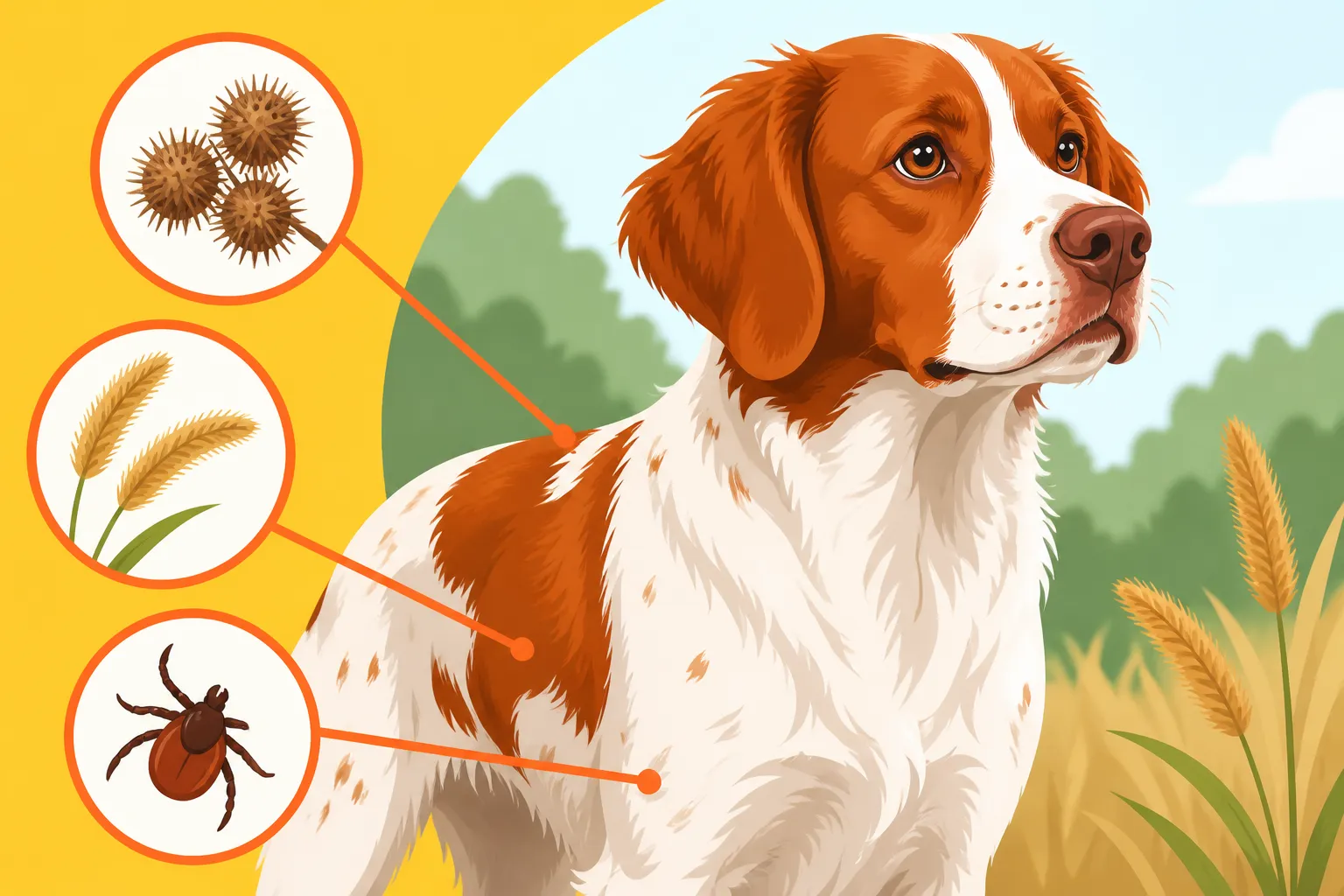
The world of burrs is surprisingly diverse, but most share that common, tenacious quality of sticking to anything they touch. You'll likely encounter several varieties, from the classic, round, hook-covered burdock burrs to the more elongated, spiny cockleburs, and even the tiny, sticky seeds of beggar's lice. Each one has its own special way of clinging on, and your Brittany's coat is a prime target.
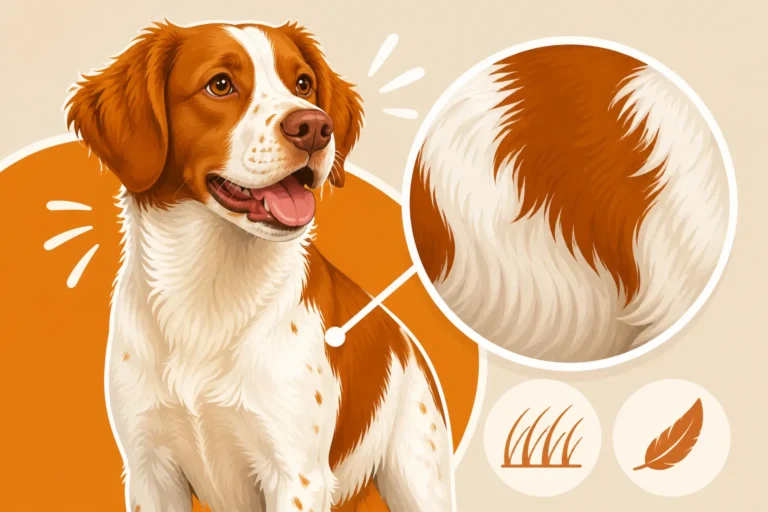
Brittanys, with their magnificent feathering on their legs, chest, and ears, are practically burr magnets. These feathery plumes act like natural nets, catching every passing burr. You'll often find them deeply embedded in the "armpits" and groin area, where the skin is delicate and prone to irritation. The long hair around their ears is another favorite spot, creating painful clumps that can pull at the skin. And don't forget those sneaky spots between their paw pads – they can cause significant discomfort and even alter your dog's gait if enough build up. A quick glance often isn't enough; you really need to get your hands on your dog and systematically check all these high-risk zones after every outing.
Gentle Removal Techniques
Removing burrs from a Brittany's delicate feathering requires patience and a gentle touch. Ripping them out can cause pain, pull out healthy hair, and lead to skin irritation. First, try to remove as many as you can by hand, one by one, especially the larger, more loosely attached ones. For those more stubborn, embedded clusters, you'll need a comb. A good sturdy metal comb with both wide and narrow teeth is indispensable. Start from the outside of the mat and work your way in, holding the hair at the base near the skin to minimize pulling.
If you encounter particularly tight mats, don't despair! Many Brittany owners swear by a bit of cornstarch or even a dab of olive oil or conditioner (the kind you use on your own hair works in a pinch, just make sure it's pet-safe if they might lick it) rubbed into the mat. This can help lubricate the burrs and loosen their grip on the hair strands, making them easier to comb out. Sometimes, breaking the larger mats into smaller sections with your fingers before combing can make the task less daunting. For very severe cases, especially those close to the skin or in sensitive areas, it might be safer to carefully snip the mat with blunt-nosed scissors, always pointing the scissors away from the skin. Remember, slow and steady wins the race when it comes to burr removal.
Preventing Burr Problems
An ounce of prevention is worth a pound of cure, especially when it comes to burrs. One of the most effective strategies is regular grooming and maintenance of your Brittany's coat. While their feathering is beautiful, keeping it trimmed, particularly on the belly, legs, and ears, can significantly reduce the surface area available for burrs to latch onto. This doesn't mean giving your Brittany a full shave, but a sensible trim can make a world of difference. You can find excellent grooming tools on Amazon to help with this, from thinning shears to specialized combs.
Beyond trimming, consider protective gear. For serious hunters spending hours in dense cover, a lightweight hunting vest can shield your Brittany's chest and belly from the worst of the burrs. Even a simple bandana tied around the neck can help protect the vulnerable throat area. After every hunt or romp in tall grass, make a thorough burr check part of your routine. This immediate post-adventure inspection means you catch burrs before they have a chance to work their way deeper into the coat or form dense mats, saving both you and your dog a lot of discomfort. A Brittany's Coat Is Low Maintenance Until It Hits Cover discusses this in more detail.
The Sneaky Foxtail: A Silent Danger
Foxtails are perhaps the most insidious of all field hazards for a Brittany. These innocent-looking grass seed heads are built for one purpose: to burrow. With their barbed shape, they can only move forward, migrating through skin, into body orifices, and even internal organs. Unlike a burr, which you can usually see and feel, a foxtail often disappears completely, leaving you with a mystery illness or a subtle lameness that's hard to diagnose. The danger they pose is serious, and every Brittany owner should be keenly aware of the threat.
The Anatomy of a Foxtail and Its Dangers
Imagine a tiny, spear-like seed head, bristling with microscopic barbs that act like a one-way zipper. That's a foxtail. When it gets caught in fur, it doesn't just stick; it starts to burrow. Its design means it can't back out once it starts moving forward. This is what makes them so dangerous. They can penetrate the skin, working their way through muscle and tissue, creating abscesses, infection, and severe pain.
But it's not just under the skin they pose a threat. Foxtails frequently enter through ears, noses, eyes, and even the urethra. Once inside, they can cause serious problems: ear infections that resist treatment, sneezing fits and nosebleeds, swollen eyelids, and constant paw licking or limping. The migration can be surprisingly fast, and the longer a foxtail remains, the deeper it goes and the more damage it can inflict, sometimes requiring extensive surgery to locate and remove.
Common Entry Points and Signs
Knowing where foxtails typically enter and what signs to look for is critical for early detection and intervention. Your Brittany's ears are a prime target; the open ear canal is an inviting tunnel for these barbed invaders. If your dog suddenly starts shaking their head excessively, pawing at an ear, tilting their head, or showing signs of pain when you touch their ear, a foxtail could be the culprit. Why a Brittany's Ears Get Infected Every Season often links back to these kinds of foreign bodies.
Another common entry point is the nose. A dog sniffing through tall grass can easily inhale a foxtail. Signs of a nasal foxtail include sudden, violent sneezing fits that don't stop, pawing at the nose, nosebleeds, or discharge from one nostril. Paw pads are also vulnerable. Foxtails can burrow between the toes, causing swelling, limping, and incessant licking. Watch for any redness, a small draining tract, or swelling on your Brittany's paws after a walk in foxtail-prone areas. Less common but equally dangerous are foxtails in the eyes, which can cause severe irritation, tearing, and conjunctivitis, or even migrating into the lungs or other internal organs if inhaled or ingested.
Extraction Methods and Vet Care
If you suspect a foxtail, act quickly. For superficial foxtails caught in the fur or just at the skin's surface, you might be able to remove it yourself with fine-tipped tweezers. Always pull in the direction of entry, carefully but firmly. However, if the foxtail has already penetrated the skin, if your dog is showing signs of intense pain or discomfort, or if it's in a sensitive area like the eye, ear canal, or nose, do not attempt to remove it yourself. This is a job for a veterinarian.
A vet has the specialized tools and expertise to safely locate and remove embedded foxtails. They might need an otoscope to look deep into the ear canal, an endoscope for the nasal passages, or even imaging like X-rays (though foxtails don't always show up well on X-rays) to find one that has migrated internally. Often, sedation or general anesthesia is required to ensure the dog remains still and to allow for thorough examination and extraction. The cost of foxtail removal can vary widely depending on how deeply it's embedded and where it is, so early detection really helps reduce the complexity and expense of treatment. What a Foxtail Removal Costs on a Brittany outlines some of these financial considerations.
Preventing Foxtail Encounters
Prevention is paramount when it comes to foxtails. The most straightforward method is to avoid areas where foxtails are prevalent, especially during late spring and summer when these grasses are dry and abundant. If you live in an area known for foxtails, consider mowing your yard regularly to keep grass short and remove mature seed heads.
After any outing in tall grass or fields, perform a diligent "foxtail check" on your Brittany. This means carefully inspecting their entire body, paying special attention to ears, nose, eyes, paw pads (spread those toes!), armpits, and groin. Brush their coat thoroughly. For those working Brittanys, protective gear like vests can offer some defense, but they aren't foolproof. Regularly trimming the feathering, particularly between the toes and on the belly, can also reduce the chances of foxtails clinging and burrowing. Products designed to make the coat slicker, which can be found on sites like Chewy, might offer a small amount of extra protection by making it harder for the barbs to get a grip, but nothing beats a careful manual inspection.
Ticks: More Than Just an Itch
Ticks are another pervasive concern for any dog that spends time outdoors, and Brittanys, with their ground-covering hunting style, are particularly susceptible. These tiny arachnids aren't just creepy; they can transmit a host of serious diseases that can severely impact your Brittany's health, sometimes with long-term consequences. Understanding how to find, remove, and prevent ticks is a non-negotiable part of responsible Brittany ownership.
Types of Ticks and Their Health Risks
In North America alone, there are several common tick species, each with its own preferences for habitat and potential disease vectors. The deer tick (or blacklegged tick) is notorious for carrying Lyme disease, anaplasmosis, and babesiosis. The American dog tick can transmit Rocky Mountain spotted fever and tularemia. The Lone Star tick, identifiable by the white spot on the female's back, is associated with ehrlichiosis and alpha-gal syndrome (in humans). These are just a few examples, but the key takeaway is that every tick bite carries a risk.
The diseases transmitted by ticks can range from mild and easily treated to severe, chronic, and even life-threatening. Symptoms can be vague, including lethargy, loss of appetite, lameness, fever, swollen joints, and neurological issues. The incubation period for many tick-borne diseases can be weeks or even months, making diagnosis tricky if you don't realize your dog was bitten. This is why prevention and diligent checking are so important. An annual blood panel, often part of What a Brittany's Yearly Bloodwork Should Cover, will typically include a screen for common tick-borne illnesses, giving you peace of mind or an early warning.
Finding and Removing Ticks Safely
Finding ticks on a Brittany can be challenging due to their dense coat and feathering. After every outdoor excursion, conduct a full-body tick check. Run your hands slowly over your dog's entire body, paying close attention to warm, dark areas like behind the ears, around the neck, in the armpits, groin, between the toes, and even inside the ears and around the eyelids. Ticks often feel like small bumps or scabs on the skin. Use a fine-toothed comb to part the hair and get a good look at the skin underneath.
If you find a tick, proper removal is crucial to prevent disease transmission and ensure no parts of the tick are left behind. You'll need fine-tipped tweezers or a specialized tick removal tool (many great options are available from pet supply retailers like Chewy). Grasp the tick as close to your Brittany's skin as possible, being careful not to squeeze the tick's body. Pull upward with steady, even pressure. Do not twist or jerk, as this can break off the tick's mouthparts, leaving them embedded in the skin and potentially causing infection. Once removed, dispose of the tick by dropping it into alcohol or flushing it down the toilet. Clean the bite area with an antiseptic wipe.
Tick Prevention Strategies
Proactive tick prevention is a cornerstone of Brittany health care. There's a wide array of products available, and finding the right one for your dog and your lifestyle often involves consulting your veterinarian. These include topical "spot-on" treatments, oral medications, and tick collars. Each type has its own pros and cons regarding efficacy, duration, and potential side effects. Many owners combine methods, such as using an oral preventative along with regular visual checks and tick-repellent sprays before heading into heavy cover.
Environmental control can also play a role. Keeping your yard mowed short and clearing leaf litter can reduce tick habitats. If you spend a lot of time in heavily wooded or grassy areas known for ticks, always inspect yourself thoroughly too, as you can inadvertently bring ticks home. Remember that even with the best preventatives, vigilance is key. No product is 100% effective, so regular checks are still essential. What a Brittany's Tick Prevention Costs a Year gives an idea of the ongoing expense of these necessary products.
Post-Hunt Grooming Routine: Your First Line of Defense
After a thrilling day in the field, it's easy to want to just kick back, but for a Brittany owner, the work isn't quite done. A thorough post-hunt grooming routine is your absolute best defense against burrs, foxtails, and ticks. It's not just about aesthetics; it's about your dog's immediate comfort and long-term health. Think of it as the final, crucial step in their field work.
The Importance of a Full Body Check
This isn't just a casual pat down. A full body check means systematically going over every inch of your Brittany, from nose to tail, with purpose. Start with their head: check around their eyes, inside their ears (lifting the ear flap to peer into the canal), and around their muzzle. Move down their neck, chest, and front legs, paying close attention to the armpits and the dense feathering. Don't forget their belly, which often brushes through thick undergrowth, and then their back and hindquarters. Finally, lift each paw, spread the toes, and examine the pads carefully.
This systematic approach ensures you don't miss any hidden surprises. The goal is to find burrs before they become painfully matted, foxtails before they burrow deep, and ticks before they can transmit disease. It's also a great bonding experience, allowing you to connect with your dog while performing a vital health check. Doing this immediately after coming in from the field, before they settle down or go into their crate, ensures that anything picked up is fresh and less likely to have started migrating. What to Check on a Brittany After Every Outing gives a good overview of this process.
Tools of the Trade
Having the right tools readily available makes this post-hunt routine much more efficient and effective. Here’s what I always have in my "field kit" and at home:
| Tool | Purpose | Why it's Essential for a Brittany |
|---|---|---|
| Fine-toothed Metal Comb | Detangling feathering, finding small burrs, and parting hair for tick checks | Gets deep into dense feathering where burrs and ticks love to hide. |
| Bristle Brush | General grooming, removing loose debris, and smoothing the coat | Good for superficial burrs and checking overall coat health. |
| Tick Removal Tool | Safely grasping and removing ticks close to the skin | Minimizes risk of leaving mouthparts behind or squeezing the tick's body. |
| Blunt-nosed Scissors | Carefully cutting out stubborn mats or very deeply embedded burr clusters | Prevents accidental nicks to delicate skin, especially around ears and joints. |
| Magnifying Glass | Close inspection for tiny ticks or early signs of burrowing foxtails | Helps spot those nearly invisible threats. |
| Headlamp or Good Light | Essential for thorough checks in dim lighting or for dark-coated areas | Improves visibility, crucial for spotting camouflaged pests. |
| Antiseptic Wipes | Cleaning minor scrapes, tick bite sites, or areas of irritation | Prevents infection and soothes irritated skin. |
| Doggie Conditioner/Oil | Helps loosen stubborn burrs and mats, making removal easier | Reduces pulling and pain during burr extraction. |
Having these items organized in a designated "grooming caddy" or "field bag" means you're always prepared. Many of these tools can be easily purchased from Amazon or specialized pet stores, ensuring you have quality gear for your dedicated Brittany.
Immediate Care for Minor Issues
During your post-hunt inspection, you're bound to find small issues. For minor scrapes or cuts from thorns or brush, which are common for an active hunting dog, immediately clean the area with an antiseptic wipe or a mild antiseptic spray. This helps prevent infection. If you encounter a tick bite, once the tick is removed, clean the area and keep an eye on it for any redness or swelling.
For those small, isolated burrs, diligent combing, perhaps with a little detangling spray, will usually do the trick. If you find any localized skin irritation, maybe a hot spot starting from excessive licking due to an embedded burr, clean it gently and apply a pet-safe soothing balm. The goal here is to address these minor concerns promptly before they escalate into something more serious. If you ever question the severity of an injury or the presence of a deeper problem, don't hesitate to consult your vet.
Prevention is Key: Keeping Your Brittany Clear
While a meticulous post-hunt check is crucial, proactive prevention can save you a lot of time and your Brittany a lot of discomfort. Thinking ahead and implementing a few preventative measures can significantly reduce the number of unwelcome hitchhikers your dog picks up. It's about minimizing risk so you can maximize enjoyment.
Coat Management and Trimming
A Brittany's beautiful, flowing feathering is part of their charm, but it's also a magnet for burrs and other debris. Strategic trimming, especially during hunting season, can make a huge difference. You don't need to shave your dog, but carefully trimming the hair between their paw pads, around their ears, and on their belly can drastically reduce the amount of stuff that clings to them.
Many Brittany owners choose to "neaten up" these areas to prevent matting and make inspections easier. The goal is functionality over show ring aesthetics. Shorter hair in these vulnerable spots means fewer opportunities for burrs to get tangled and less material for foxtails to grab onto. It also makes it easier to spot ticks before they have a chance to embed. Discuss with your groomer or experienced Brittany mentors about what kind of functional trim would best suit your dog's activity level and the type of cover they typically work. Whether Trimming a Brittany's Feathering Helps in Burrs directly addresses this practical consideration.
Protective Gear in the Field
For Brittanys that spend extensive time in heavy cover, certain protective gear can offer an added layer of defense. A good quality hunting vest made of durable material can shield your dog's chest and belly from thorns, stickers, and burrs. These vests also often come in bright colors, increasing visibility in the field, which is another huge bonus. When choosing a vest, ensure it fits snugly but doesn't restrict movement or rub uncomfortably, especially around the armpits.
Paw protection is another consideration. If your Brittany is prone to tearing pads or picking up debris between their toes in rough terrain, dog boots can be invaluable. They protect against foxtails, burrs, and sharp objects. It takes time to acclimate a dog to wearing boots, so introduce them gradually during off-season walks before trying them in the field. While no gear is 100% foolproof, it can significantly reduce the amount of time you spend picking and patching up your dog after a long day. Whether a Brittany Needs Boots in the Field delves into this further.
Environmental Awareness and Avoiding Hotspots
One of the simplest yet most effective prevention methods is to be aware of your environment. Learn to identify common burr-producing plants and foxtail grasses in your area. If you know a particular field or trail is thick with them, especially when they're dry and ready to disperse, consider choosing an alternative route. Sometimes, a slight detour can save hours of painful removal.
Pay attention to seasonal changes too. Foxtails are most dangerous when dry, typically late spring through fall. Ticks are active whenever temperatures are above freezing, peaking in spring and fall, but can be present year-round in many regions. Being mindful of these patterns helps you anticipate threats and adjust your prevention strategies accordingly. This might mean keeping your Brittany on a shorter lead in certain areas or simply avoiding known hotspots during peak seasons.
Regular Grooming Habits (Beyond the Hunt)
Prevention isn't just about what you do immediately before or after a hunt. Consistent, regular grooming throughout the year plays a huge role. Daily or at least weekly brushing, even when not actively hunting, helps keep the coat free of tangles and small burrs that might accumulate from everyday walks. It also allows you to familiarize yourself with your dog's skin and coat, making it easier to spot new lumps, bumps, or pests when they do appear.
Using a good quality dog shampoo and conditioner, perhaps from brands like Ollie (which also focuses on overall dog wellness), can help maintain coat health, making it smoother and potentially less prone to snagging burrs. Regular baths also help to wash away loose hair and any microscopic irritants that might be lurking. This ongoing maintenance keeps your Brittany's coat healthy, strong, and more resilient, forming a better barrier against the elements and unwelcome invaders. How Often a Brittany Needs Brushing is a useful guide for establishing this routine.
Emergency Situations and When to Call the Vet
Despite your best efforts, sometimes things happen. A deeply embedded foxtail, a tick bite that leads to illness, or a severe skin reaction to burrs can all become medical emergencies. Knowing when to stop trying to handle things yourself and when to call your veterinarian is crucial for your Brittany's well-being. Hesitation can sometimes make a treatable situation far worse.
Deeply Embedded Foxtails
If you suspect a foxtail has entered a sensitive area like your Brittany's eye, nostril, or deep into the ear canal, or if it appears to have burrowed under the skin with no visible entry point, it's time to call the vet immediately. These situations often require specialized instruments, sedation, or even surgery to locate and remove the foreign body safely and completely. Attempting to extract it yourself can push it deeper, cause more trauma, or leave behind fragments that can lead to chronic infection.
Signs that a foxtail is deeply embedded include persistent head shaking, pawing at the ear, purulent discharge, swelling, limping, a draining wound that doesn't heal, or severe, unexplained pain. The faster you get veterinary attention, the better the prognosis and often the less invasive (and less costly) the removal procedure will be.
Signs of Infection from Burrs, Foxtails, or Ticks
Any skin irritation, bite, or wound has the potential to become infected. Keep a close eye on areas where you've removed burrs or ticks, or where you suspect a foxtail might have been. Signs of infection include:
- Redness and Swelling: Beyond the initial irritation.
- Heat: The affected area feels warm to the touch.
- Pain: Your Brittany flinches or cries when the area is touched.
- Pus or Discharge: Yellow, green, or foul-smelling fluid.
- Lethargy or Fever: Your dog seems unusually tired or has a fever.
- Loss of Appetite: A general indication of feeling unwell.
- Lameness or Persistent Licking: If the infection is on a paw or limb.
If you observe any of these symptoms, particularly if they persist for more than a day or two, it's essential to contact your vet. Infections can spread and become serious if left untreated, often requiring antibiotics or other medical interventions.
Tick-Borne Illness Symptoms
Even with prompt tick removal, there's always a risk of disease transmission. Ticks can pass on pathogens within hours, sometimes even before you spot and remove them. Be vigilant for the general signs of tick-borne illness, which can sometimes appear weeks or even months after the initial bite:
- Lethargy and Fatigue: Your Brittany seems unusually tired or uninterested in activities.
- Loss of Appetite: They're not eating with their usual gusto.
- Lameness or Shifting Leg Lameness: Pain or stiffness in one or more joints, sometimes moving from leg to leg.
- Fever: Often a subtle sign that you might only notice if your dog feels warm or is panting excessively.
- Swollen Joints or Lymph Nodes: Visible swelling.
- Neurological Signs: In rare, severe cases, seizures or changes in behavior.
If your Brittany exhibits any of these symptoms, especially after having been in tick-heavy areas, inform your vet. Be sure to mention any known tick exposure. Early diagnosis and treatment of tick-borne diseases are vital for a successful outcome. Whether a Brittany Needs a Leptospirosis Shot touches on another disease prevention aspect related to outdoor activities, though not tick-borne directly, it highlights the importance of vaccination for active dogs.
Conclusion: Partnering with Nature, Prepared for Anything
Life with a Brittany is an adventure, a joyous dance through fields and forests, chasing scents and pointing birds. Part of embracing that adventure means understanding and mitigating the natural challenges that come with it. Burrs, foxtails, and ticks are an inevitable part of the landscape your Brittany explores, but they don't have to define your experience.
By adopting a proactive approach – from thoughtful coat management and smart gear choices to meticulous post-hunt inspections and appropriate preventative treatments – you can drastically reduce the risks. Knowing when to act yourself and when to enlist the help of your trusted veterinarian is the final piece of this puzzle. With a little preparation and vigilance, you and your magnificent Brittany can continue to enjoy countless seasons of healthy, happy, and safe outdoor pursuits, forging memories free from unnecessary worry.
Disclaimer
This article is for general informational purposes only and does not constitute professional advice. Laws, prices and regulations vary by location and change over time. Consult a qualified professional for guidance on your specific situation.