Keeping Water Out of a Brittany’s Ears
There’s nothing quite as frustrating as seeing your lively Brittany Spaniel, fresh from a romp in the stream or a thorough bath, suddenly start shaking their head vigorously, pawing at an ear, and then, the dreaded smell begins. Water trapped in those beautiful, long drop ears is a surefire recipe for uncomfortable, often painful, ear infections that can sideline your active companion. This comprehensive guide will walk you through everything you need to know to proactively keep your Brittany’s ears dry, healthy, and infection-free, no matter how much they love a good splash.
Understanding Why Brittany Ears Are Prone to Water Issues
It’s not just bad luck that Brittanys seem to battle ear infections more than some other breeds; their very anatomy and energetic lifestyle stack the odds against them. Their ears are practically custom-designed for trapping moisture, warmth, and debris – the perfect breeding ground for bacteria and yeast. Understanding these inherent challenges is the first step in formulating an effective prevention strategy.
The Unique Anatomy of a Brittany's Drop Ears
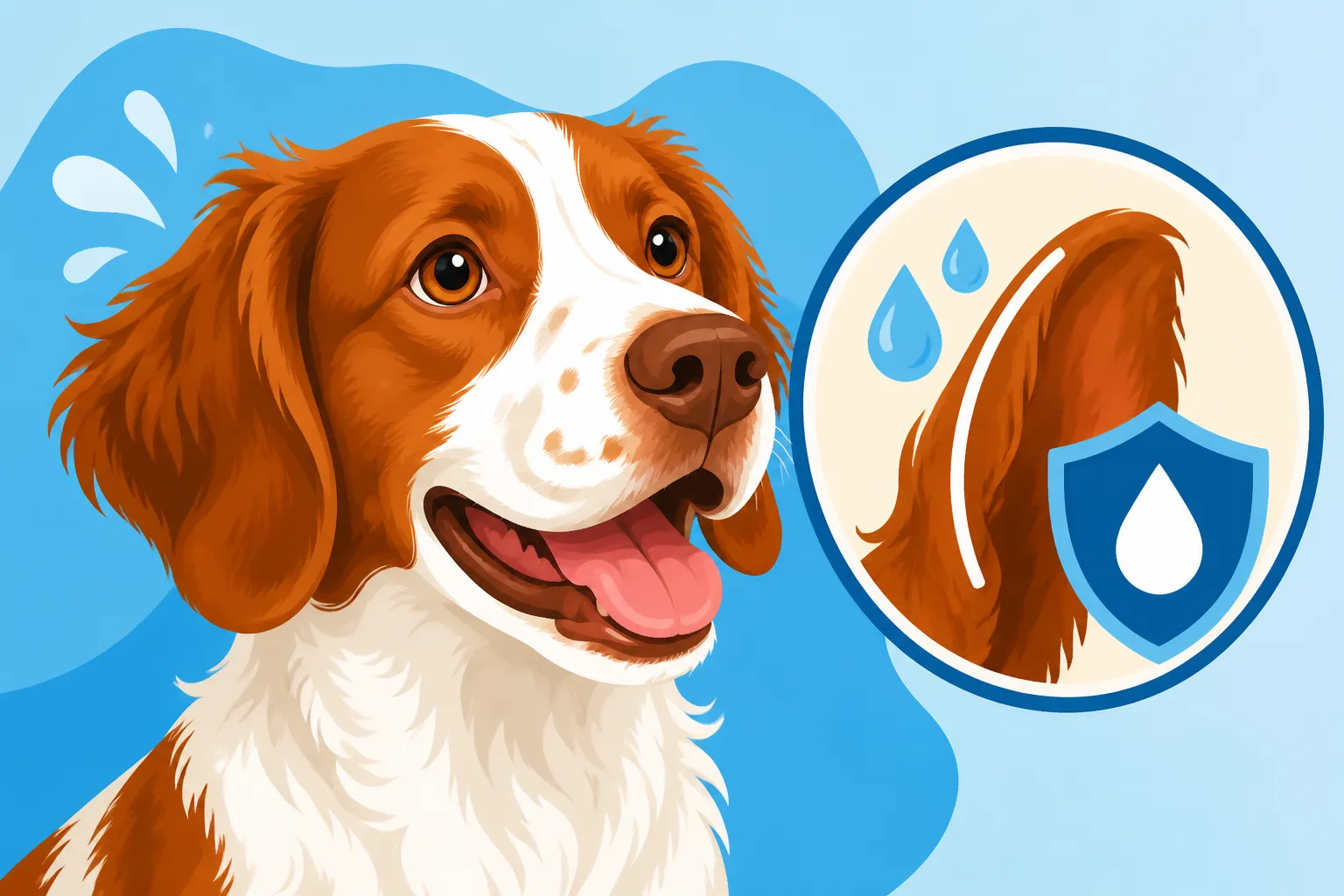
Take a moment to truly appreciate your Brittany’s ears. They are beautifully feathered, soft, and sit low against the sides of their head. This "drop ear" structure, while contributing to their charming appearance, also creates a warm, dark, and often humid microclimate right over the ear canal opening. Unlike dogs with prick ears that allow for more airflow, a Brittany's floppy ears act like little covers, sealing off the entrance to the inner ear.
Imagine trying to dry a wet sponge placed under a towel in a warm, humid room – it's a tough job, right? That’s essentially what happens with a Brittany’s ears. The lack of air circulation means that any moisture that finds its way into the canal struggles to evaporate. This moist environment isn't just uncomfortable; it rapidly becomes a breeding ground for opportunistic microorganisms like yeast and bacteria, which thrive in damp, warm conditions. This anatomical predisposition means you, as a Brittany owner, need to be extra vigilant about ear care compared to someone with a breed like a German Shorthaired Pointer.
Hair in and Around the Ear Canal
Adding another layer of complexity to the Brittany's ear care puzzle is the presence of hair. Inside the ear canal, many Brittanys have a fair amount of fine hair that can further impede air circulation and, perhaps more significantly, trap water and wax. This isn’t a flaw in the breed; it’s just another characteristic that requires mindful management.
When water enters the ear, these tiny hairs can hold onto it like a miniature sponge. Combined with any natural ear wax, this creates a sticky, wet mess deep within the canal. This moist debris can then act as a dam, preventing even more air from reaching the deeper parts of the ear and slowing down the drying process considerably. Think of it like a clogged drain; water goes in, but it just sits there. While some people advocate for plucking this ear hair, it's a topic with varying opinions among veterinarians and breeders. Some argue it can cause micro-traumas and inflammation, potentially making infections worse, while others find it beneficial for their specific dogs. Regardless of whether you trim or pluck, being aware of this hair's role in trapping moisture is crucial.
Common Scenarios Where Water Gets Into Brittany Ears
It’s not always obvious how water finds its way into your Brittany’s ears, but knowing the typical culprits can help you be prepared. From everyday activities to intense field adventures, water exposure is a constant companion for these active dogs. Being mindful of these situations allows you to take preventative steps or immediate action.
The Allure of Water: Swimming and Retrieving
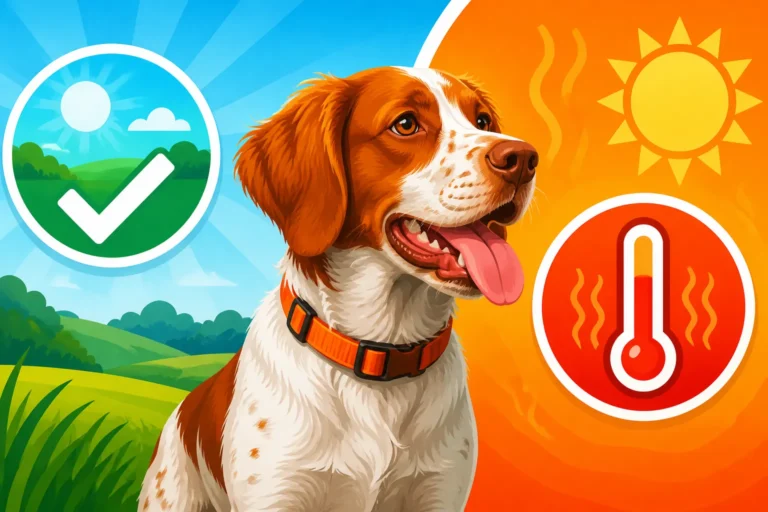
Brittanys are sporting dogs through and through, and for many, that means a deep love for water. Whether it's a quick dip in the lake on a hot day, retrieving a fallen bird from a marsh, or simply splashing through a shallow stream on a hike, these dogs are naturally drawn to water. While it's wonderful to see them enjoying themselves, every aquatic adventure is an open invitation for water to invade their ear canals.
When a Brittany swims, dives, or even just wades with enthusiasm, water sloshes directly into those unsealed ear openings. The momentum of their movement, the ripples in the water, and even shaking their head after emerging can drive water deeper into the ear. This isn't just about clean lake water either; ponds and marshes can contain bacteria, algae, or fungal spores that, once introduced into a warm, wet ear canal, can rapidly proliferate and cause severe infections. Many hunters find that a day of duck retrieving, for example, is almost guaranteed to lead to a head shake and ear check later. This is where Whether a Brittany's Ears Should Be Dried After Water becomes incredibly important.
Bath Time Blues: Incorrect Washing Techniques
You might think bathing your dog indoors would be a safe zone for ear infections, but surprisingly, many ear problems stem from incorrect bathing practices. The goal of a bath is to get your dog clean, but without proper precautions, it can inadvertently become a source of ear trouble. It's a common mistake for owners to simply lather up their dog, allowing water and shampoo to run freely over their head and into their ears.
When shampoo-laden water streams into the ear canal, it’s a double whammy. Not only does it introduce moisture, but the shampoo residue can irritate the delicate skin lining the ear canal, altering its natural pH balance. This irritation can make the ear more susceptible to infection. Furthermore, any suds or residue left behind can contribute to a sticky, yeasty environment. It’s absolutely essential to learn how to properly protect your Brittany’s ears during a bath to avoid this self-inflicted issue.
Damp Environments: Rain, Dew, and Tall Grass
Water doesn’t always come in obvious forms like a lake or a bathtub. For a field dog like a Brittany, simply spending time outdoors can lead to damp ears. Think about a morning hunt in dewy fields, a long walk in the rain, or even just running through tall, wet grass after a spring shower. These seemingly innocuous exposures can accumulate.
As your Brittany runs through wet vegetation, water droplets cling to their fur and inevitably make their way to those plush ear flaps. The ear flaps then act as wicks, drawing moisture down into the canal opening. While a light sprinkle might not be as dramatic as a full swim, consistent, low-level dampness over time can be just as problematic. The moist hair and skin can soften, making it easier for bacteria to penetrate, and the constant dampness creates that ideal humid microclimate for yeast overgrowth. It's a subtle but significant factor in maintaining year-round ear health.
The Immediate Aftermath: What Happens When Water Stays In
So, your Brittany had a fantastic splash, and despite your best efforts, some water inevitably made its way into their ears. What exactly happens next? The consequences of trapped moisture can range from mild irritation to full-blown, painful infections that require veterinary intervention. Ignoring the signs can lead to chronic issues and discomfort for your beloved companion.
The Build-Up of Bacteria and Yeast
The moment water enters your Brittany’s ear canal and remains trapped, you’ve essentially created a cozy, humid incubator. The natural flora of bacteria and yeast that normally reside harmlessly on your dog's skin can quickly get out of hand in this perfect breeding ground. They multiply at an accelerated rate, overpowering the ear's natural defenses.
Yeast, in particular, loves warm, moist, and dark environments. You might notice a distinctive sweet, yet slightly musty or bread-like odor developing, which is a classic sign of a yeast overgrowth. Bacteria, on the other hand, can lead to pus, severe inflammation, and a much more foul smell. Both lead to significant discomfort for your dog. The longer the water sits, the more established these microbial populations become, making the infection harder to clear and potentially spreading deeper into the ear structure. This is often why the ear feels hot to the touch.
Inflammation and Discomfort
As bacteria and yeast proliferate, the lining of the ear canal becomes irritated and inflamed. This isn't just a minor annoyance; it's a painful process for your dog. The skin inside the ear canal can swell, turn red, and become exquisitely sensitive. Imagine having a bad ear infection yourself – the throbbing, itching, and general misery are very real for your Brittany.
You'll start to notice classic signs of discomfort: your dog may shake their head frequently, scratch intensely at their ears (sometimes even causing secondary skin trauma around the ear flap), or rub their head against furniture or the ground. They might shy away when you try to touch their ears, or even vocalize in pain. In some cases, they may tilt their head to one side, indicating a deeper issue or severe discomfort. This inflammation can also narrow the ear canal, making it even harder for air to circulate and for any discharge to escape, exacerbating the problem further. Early intervention is key before this discomfort escalates. Signs a Brittany's Ear Is Infected details what to look for.
Effective Drying Techniques After Water Exposure
Prevention is fantastic, but sometimes, despite our best intentions, water still finds its way into those ears. When that happens, knowing how to properly dry them is your next line of defense. Swift and thorough drying can make all the difference in preventing a brewing infection.
Gentle Wiping and Air Drying
After any water exposure – be it a bath, a swim, or a damp walk – the first and simplest step is always to gently wipe the outer part of your Brittany's ear. Use a soft, absorbent towel or a clean cotton ball to blot away as much moisture as you can from the visible parts of the ear flap and the entrance to the ear canal. Avoid pushing anything deep into the canal, as this can inadvertently push debris further in or damage the delicate ear structures.
Once you’ve blotted the accessible areas, encourage natural air drying. This might mean keeping your Brittany active for a short period after a bath or letting them hang out in a warm, dry area where air can circulate. You can gently lift their ear flaps periodically to allow air to reach the canal opening. For very wet ears, some owners use a hairdryer on a cool or lowest heat setting, held at a safe distance from the ear, to encourage evaporation. Always test the temperature on your own skin first to ensure it's not too hot, and never direct it straight into the canal. The goal is gentle drying, not roasting.
Using Ear Drying Solutions
For Brittanys who are frequent swimmers or those particularly prone to ear issues, a dedicated ear drying solution can be a game-changer. These solutions are formulated to help evaporate moisture, often containing ingredients like alcohol or witch hazel, and some may also have mild antiseptic properties to discourage microbial growth. You can typically find a variety of reputable brands on platforms like Chewy or Amazon.
To use an ear drying solution, follow the product instructions carefully. Generally, you'll apply a specified number of drops into the ear canal, gently massage the base of the ear for about 30 seconds to distribute the liquid, and then allow your Brittany to shake their head vigorously. This shaking helps dislodge debris and allows the solution to work its way out, taking excess moisture with it. It’s crucial to use solutions specifically designed for canine ears, as human products can sometimes be too harsh or contain ingredients that are toxic to dogs. Regular use after every significant water exposure can drastically reduce the risk of infection.
| Drying Method | Pros | Cons | Best For |
|---|---|---|---|
| Gentle Towel/Cotton | Simple, no special equipment, non-irritating | Only reaches outer ear, less effective for deep moisture | Mild dampness, initial post-bath blotting |
| Air Drying | Natural, free, low effort | Can be slow, relies on environment, not always thorough | After light exposure, general maintenance |
| Low-Heat Hair Dryer | Speeds up evaporation | Risk of burns or frightening dog if not careful, not deep | Moderate dampness, after baths |
| Ear Drying Solution | Actively evaporates deep moisture, often antiseptic | Requires purchase, some dogs dislike drops, misuse risk | Frequent swimmers, high-risk Brittanys |
| Ear Wraps/Bands | Prevents water entry into canal | Not for drying, only prevention, can be uncomfortable | Before baths/swims, specific protection |
Preventative Measures Before Water Exposure
The best defense is a good offense, and when it comes to Brittany ears, that means taking proactive steps before your dog even gets wet. These preventative measures can significantly reduce the amount of water that enters the ear canal, setting you up for success in keeping those ears healthy.
Protective Ear Covers and Banding
For situations where you know your Brittany is going to be in deep water or getting a bath, protective ear covers can be an invaluable tool. These are essentially caps or bands that fit snugly over your dog's head, covering their ears and creating a barrier against water. They come in various designs, from simple fabric bands that hold the ears up and away from the water, to more substantial silicone or neoprene caps.
While not all dogs tolerate them, for those that do, these covers can be incredibly effective during bath time. They prevent shampoo and water from running directly into the ear canal. For serious water dogs, some hunters even use custom-made ear wraps to protect against debris and water infiltration during intense field work. Finding one that fits well and is comfortable for your Brittany might take a little trial and error, but the effort is worth it to avoid the hassle and expense of treating chronic ear infections. Think of it as specialized gear for your sporting companion.
Trimming Hair Around the Ear Canal
As we discussed, the hair within and around the ear canal can act like tiny sponges, holding onto moisture. While the decision to pluck internal ear hair is often left to veterinary discretion, keeping the hair around the entrance to the ear canal neatly trimmed is a relatively safe and effective preventative measure. This allows for better airflow and reduces the surface area for water to cling to.
Using blunt-nosed scissors or a small, quiet electric trimmer (available on platforms like Amazon or Chewy), you can carefully trim the longer hairs that grow just at the opening of the ear canal and on the underside of the ear flap. The goal isn't to create a bald spot, but to open up the area slightly and remove any dense mats that might be trapping moisture. Always be extremely cautious, use good lighting, and if you’re unsure, ask your vet or a professional groomer to demonstrate the technique. This simple grooming step can enhance air circulation and help the ears dry out more naturally after getting wet.
Maintaining Ear Health: Regular Cleaning Routines
Even with the best preventative measures, regular ear care is vital for Brittanys. A consistent cleaning routine, even when the ears appear healthy, can help remove wax, debris, and any lingering moisture, preventing problems before they escalate. It's not just about cleaning; it's about monitoring and early detection.
How Often to Clean and Inspect
The frequency of ear cleaning really depends on your individual Brittany's lifestyle and propensity for ear issues. For a Brittany who rarely gets wet and has historically healthy ears, a monthly or bi-monthly inspection and cleaning might suffice. However, for a keen swimmer, a dog with known ear sensitivities, or during hunting season when exposure to damp environments is high, checking and cleaning the ears weekly, or even more frequently after intense water exposure, is advisable. How Often a Brittany's Ears Should Be Checked provides more specific guidance.
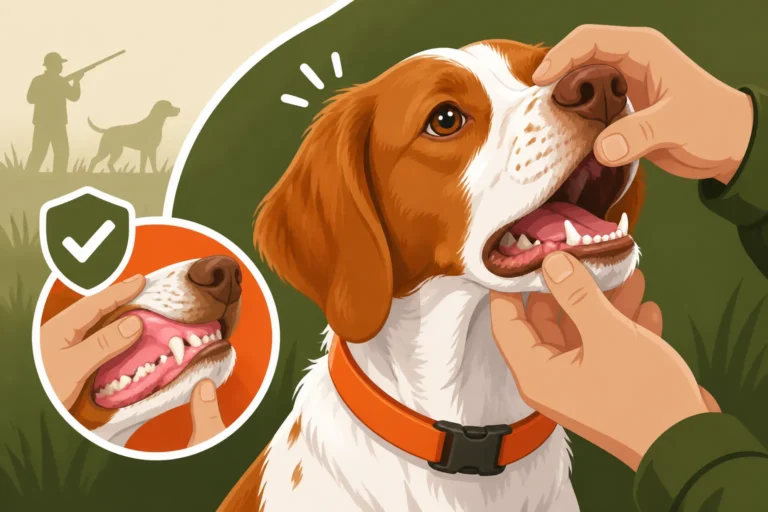
The key is consistency and observation. Make ear checks a regular part of your grooming routine. Lift the ear flap, take a good sniff (a healthy ear should have minimal odor), and visually inspect the canal opening for redness, discharge, or swelling. This routine habit will allow you to quickly identify any subtle changes that might indicate the start of a problem, long before it becomes a full-blown infection requiring a vet visit. Early detection can save your Brittany a lot of discomfort and you a lot of worry.
Choosing the Right Ear Cleaner
Just like with drying solutions, not all ear cleaners are created equal, and choosing the right one for your Brittany is important. There are many excellent, vet-approved canine ear cleaners available from online retailers like Chewy. Most good ear cleaners are designed to be gentle, effectively dissolve wax, and have a drying component. Some contain antiseptic ingredients to help prevent bacterial and yeast overgrowth.
Avoid using harsh chemicals, hydrogen peroxide, or rubbing alcohol unless specifically instructed by your veterinarian for a particular condition. These can irritate the delicate lining of the ear canal and cause more harm than good. Look for cleansers that are pH-balanced for dogs and free of strong perfumes or dyes. If your Brittany has sensitive skin or a history of ear infections, your vet can recommend a specific brand or type of cleaner that would be best suited for their needs. It’s always a good idea to consult with your vet if you're unsure which product to use, especially if you suspect an active infection.
When to Seek Veterinary Care for Ear Problems
Despite all your best efforts, sometimes a Brittany's ears still succumb to infection. It's important to recognize when a problem has gone beyond routine home care and warrants a trip to the veterinarian. Delaying professional treatment can lead to more severe pain for your dog and more complicated, expensive treatments down the road.
Recognizing Signs of an Active Infection
You're vigilant about drying and cleaning, but one day, you notice something is off. An active ear infection will typically present with a combination of tell-tale signs. Beyond the head shaking and scratching, you might observe a foul odor emanating from the ear – often yeast infections have a sweet, musty smell, while bacterial infections can be truly pungent. There might be a noticeable discharge, which can be waxy, dark brown, yellow, or even bloody, depending on the type and severity of the infection.
The skin inside the ear flap and canal opening will often appear red, inflamed, or swollen. Your Brittany might hold their head to one side, become lethargic, or show signs of pain when you try to examine their ear. If you notice any of these symptoms, it's time to stop your regular cleaning routine and schedule a vet appointment. Continuing to clean with a regular solution when an infection is present might not be effective and could even push debris further into an already irritated ear. Signs a Brittany's Ear Is Infected offers a more detailed list of what to watch for.
Diagnostic Procedures and Treatment Options
When you take your Brittany to the vet for an ear infection, don't expect a quick fix without examination. A thorough veterinary assessment is crucial. Your vet will typically use an otoscope to look deep into the ear canal, checking for foreign bodies (like grass awns, a common issue for active Brittanys), assessing the eardrum, and determining the extent of inflammation.
More importantly, they'll likely take a swab of any discharge for cytology. This involves looking at the sample under a microscope to identify whether yeast, bacteria, or both, are present, and what specific types they are. This diagnostic step is vital because different types of infections require different medications. Treatment might involve prescription ear drops (antibiotics, antifungals, or anti-inflammatory medications), oral medications, or a combination of both. In severe, chronic cases, your vet might recommend further diagnostics, such as cultures or even sedation for a deep ear flush. Stick to the vet’s prescribed treatment plan, as stopping medication too early is a common reason for recurrent infections.
Advanced Prevention and Management Strategies
For Brittanys with persistent ear problems, or those living in challenging environments, a more advanced approach to ear health management might be necessary. These strategies go beyond basic cleaning and drying to offer enhanced protection and support for sensitive ears.
Dietary Considerations and Allergies
Sometimes, chronic ear infections aren't just about water and anatomy; they can be a symptom of a larger underlying issue, specifically allergies. Just like humans, dogs can suffer from environmental allergies (pollen, dust mites) or food allergies, and often, the first place these manifest is in the skin, including the delicate lining of the ears. If your Brittany has recurrent ear infections despite diligent cleaning and drying, it might be time to discuss allergies with your veterinarian.
If food allergies are suspected, your vet might recommend a novel protein or hydrolyzed protein diet trial to identify triggers. Brands like Ollie, while primarily known for fresh food, and many other specialized veterinary diets available through your vet or online through Chewy, offer formulations designed for sensitive dogs. Addressing the root cause of the allergy can significantly reduce ear inflammation and secondary infections. Similarly, managing environmental allergies through medication, supplements, or immunotherapy can bring much-needed relief to your Brittany's ears.
Regular Professional Grooming
While many Brittany owners handle their dog's grooming at home, regular visits to a professional groomer can be a valuable part of an ear care strategy, especially for dogs with very dense ear feathering or those who are uncooperative with at-home ear cleaning. A professional groomer has the tools, experience, and often a calm demeanor to handle ear care efficiently and safely.
They can expertly trim the hair around and inside the ear canal (if appropriate for your dog and as discussed with your vet), which improves airflow and reduces moisture trapping. They can also thoroughly clean the outer ear and, importantly, alert you to any early signs of redness, irritation, or odor that you might have missed. Think of it as another set of trained eyes and hands contributing to your Brittany's overall well-being. Regular professional grooming isn't just about aesthetics; it's a practical aspect of preventative health care for breeds like the Brittany.
Long-Term Monitoring and Maintenance
Even after an infection clears or a preventive routine is established, long-term monitoring is paramount for Brittanys. These dogs are genetically predisposed to ear issues, so the battle against ear infections is often an ongoing commitment, not a one-time fix. Establishing a consistent, lifelong ear care regimen is the key to minimizing discomfort and maintaining their active lifestyle.
This means continuing with your chosen ear cleaning and drying solutions, especially after every water exposure. It also means daily or weekly visual and olfactory checks – just a quick lift of the ear, a sniff, and a glance can tell you a lot. Keep a record of any past infections, the treatments used, and how your Brittany responded. This historical data can be invaluable for your vet in diagnosing and treating future issues. Being proactive and persistent in your ear care routine will allow your Brittany to enjoy all their favorite activities, from field to stream, without the constant worry of painful ear infections. Caring for your Brittany's ears is a lifelong commitment, but one that ensures they live a full, happy, and comfortable life.
Disclaimer
This article is for general informational purposes only and does not constitute professional advice. Laws, prices and regulations vary by location and change over time. Consult a qualified professional for guidance on your specific situation.