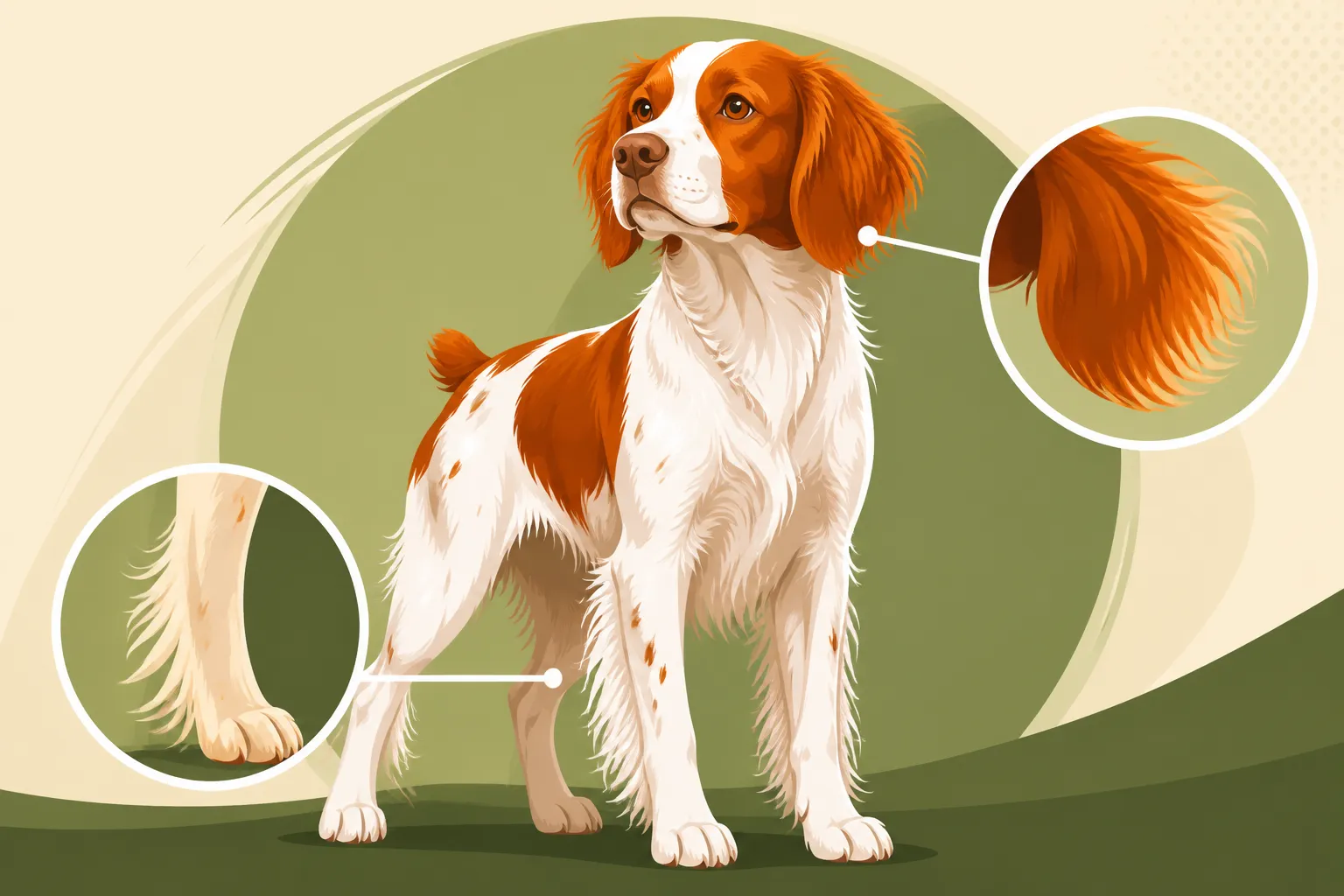
The Feathering on a Brittany’s Legs and Ears
As a Brittany owner, you quickly discover that while their flowing feathering is undeniably beautiful, it's also a magnet for everything the outdoors throws at them. Those long, silken strands on their legs and ears, so elegant in a photo, become a matted, burr-laden, and often painful mess after a day in the field or even a romp through tall grass. This guide is dedicated to helping you understand, maintain, and protect your Brittany's distinctive feathering, keeping them comfortable and healthy.
Understanding Your Brittany's Feathering: More Than Just Pretty Hair
Your Brittany's feathering isn't just for show; it's a natural part of their coat that serves a purpose, even if it often feels like a hassle to us owners. But knowing what it is and where it grows can help you appreciate its natural role and better manage its upkeep.
What Exactly is Feathering?
Feathering refers to the longer, fringe-like hair found on certain parts of a dog's body, particularly evident in breeds like the Brittany. For our orange and white (or liver and white!) companions, you'll see this beautiful, flowing hair most prominently on the backs of their forelegs and hind legs, often referred to as "pants." It also graces their chest, belly, and, significantly, their ears. Unlike the shorter, denser body coat, feathering is typically softer, finer, and can grow quite long, giving the Brittany its classic, elegant silhouette.
The natural purpose of this feathering, particularly on the legs and belly, is believed to be protective. In the wild, it would offer a slight barrier against brush, scrapes, and even some insulation from cold or damp ground. On the ears, the longer hair helps protect the sensitive ear canal from direct exposure to elements. However, in our modern world, and especially for active hunting dogs, this natural protection often becomes a double-edged sword, collecting burrs, mud, and moisture with impressive efficiency. The texture can vary slightly from dog to dog, some having wavier, more prone-to-matting feathering, while others might have straighter, silkier fringes. A Brittany's Coat Is Low Maintenance Until It Hits Cover
The American vs. French Brittany Feathering Differences
When we talk about Brittanys, it's common to hear distinctions between American and French lines (often referred to as Epagneul Bretons in their homeland). While both types share the fundamental characteristics of the breed, including feathering, there can be subtle differences that influence how you approach grooming. Generally, the French Brittany standard often favors a slightly lighter coat overall, with less excessive feathering compared to some American lines. This isn't a hard-and-fast rule, and individual variation exists within both populations, but it's something to be aware of.
American Brittanys, particularly those bred more for show, might sometimes exhibit longer, more profuse feathering, which, while beautiful in the ring, can be more demanding to maintain for a serious hunting dog. Field-bred American Brittanys, while still having feathering, often have coats that are more functional, tending to be a bit harsher or less profuse, which can be an advantage when tearing through thick cover. Regardless of lineage, the basic principles of care remain the same, but understanding these potential differences can help set your expectations for the amount of grooming your specific Brittany might require.
The Unique Challenges of Leg Feathering for Brittanys
The feathering on your Brittany's legs is perhaps the most vulnerable area when it comes to collecting debris and developing issues. It's right there, on the front lines, as they run through fields, splash through water, and navigate dense cover.
Burrs, Thorns, and Tangled Messes
Picture this: you and your Brittany are enjoying a fantastic hunt, or even just a vigorous walk through a local park that borders some wilder scrub. Your dog is plunging through tall grass, sniffing every interesting scent, and having the time of their life. What they're also doing, unfortunately, is acting as a four-legged magnet for every burr, stick-tight, and tiny thorn in the area. These tenacious plant hitchhikers quickly latch onto the fine strands of feathering on their legs, working their way deeper into the coat.
What starts as a few innocent burrs can quickly escalate into a dense, tangled mess. The delicate hairs intertwine around the burrs, pulling tightly against the skin. If left unchecked, these small tangles can grow into large, painful mats that tug on the skin with every movement. This isn't just an aesthetic problem; it can cause significant discomfort, irritation, and even open sores if the mats pull too tightly or cause the dog to excessively lick and chew at the area. Finding these embedded treasures requires a thorough post-outing inspection, sometimes even using a fine-toothed comb to gently work them out one by one. Burrs, Foxtails and Ticks on a Brittany
Mud, Water, and Debris Accumulation
Brittanys are water dogs at heart; they love a good splash in a pond, stream, or even a muddy puddle. Their enthusiasm is infectious, but their feathering often bears the brunt of it. The long hairs on their legs act like sponges, soaking up water and accumulating mud and dirt. When this muddy, wet feathering dries, it often stiffens and cakes, trapping debris close to the skin.
This accumulation of moisture and grime creates an ideal breeding ground for bacteria and fungi. Prolonged dampness can lead to skin irritation, rashes, and the dreaded "hot spot" – a rapidly spreading bacterial skin infection that can be incredibly painful and itchy for your dog. Furthermore, tiny pieces of grit, sand, or even pesticides and fertilizers from treated lawns can get trapped in the coat, further exacerbating skin issues. It's a frustrating cycle where their love for the outdoors directly contributes to potential grooming and health challenges, requiring diligent cleaning and drying after every wet or muddy adventure.
Matting and Skin Irritation Underneath
The most insidious problem with leg feathering is the formation of mats, especially those that form close to the skin. While surface tangles are annoying, deep mats are painful and can cause serious health issues. These mats restrict airflow to the skin, creating a warm, moist environment where bacteria and yeast can thrive, leading to skin infections or fungal growth. The constant pulling of the mat on the skin is uncomfortable for your Brittany and can cause bruising, redness, and inflammation.
Dogs instinctively try to relieve this discomfort by licking, chewing, or scratching, which only worsens the situation. They can break the skin, creating open wounds that are highly susceptible to infection. It's a common scenario for owners to discover a nasty mat after their dog has been scratching at it for a while, only to find a raw, weeping sore underneath. Prevention truly is key here, as once a mat is severe and tight to the skin, the kindest and often only solution is to carefully shave it out, which can leave bald patches and take time to grow back.
Navigating Brittany Ear Feathering: A Magnet for Trouble
Brittany ears are wonderfully expressive, framing their eager faces with soft, medium-length drop ears. But like the leg feathering, those beautiful fringes on their ears come with their own set of unique challenges that require consistent attention.
The Ear's Anatomy and Feathering's Role (and Detriment)
A Brittany's ear is designed to drop, covering the ear canal. This natural drape, combined with the moderate feathering that grows along the edges and behind the ear flap, is meant to protect the inner ear from external elements like wind and direct debris. However, this design also creates a warm, dark, and often moist environment that is less than ideal for ear health. The feathering itself, while providing some protection, also acts as a net, catching anything that brushes past.
When a Brittany, particularly a field-bred one, charges through thick cover, splashes through a pond, or even just sticks its head out the car window, that ear feathering collects seeds, dirt, twigs, and, most problematically, moisture. The heavy feathering can trap these foreign bodies deep within the ear canal, and the lack of airflow means that any moisture trapped inside takes a long time to evaporate. This damp, occluded environment is a perfect breeding ground for yeast and bacteria, leading to the notoriously common ear infections that many drop-eared breeds, including Brittanys, are prone to. Keeping Water Out of a Brittany's Ears
Foxtails and Other Hidden Dangers
Beyond general grime and moisture, ear feathering is a prime hiding spot for specific, dangerous invaders like foxtails. These barbed seed heads are notorious for their ability to burrow into skin, paws, and, terrifyingly, ear canals. A foxtail caught in the feathering can slowly work its way deeper, causing intense irritation, pain, and potentially serious internal damage if it penetrates the eardrum. It's not uncommon for a vet to remove a foxtail from deep within a Brittany's ear.
Other seeds, thorns, and tiny bits of plant matter can also become lodged in the ear feathering. Your Brittany might shake their head, scratch at their ear, or rub it on the ground if something is bothering them. These signs should always prompt an immediate, thorough investigation of the ear flap and as much of the canal as you can safely see. Even small, seemingly innocuous pieces of debris can cause persistent irritation, leading to more aggressive scratching and secondary infections.
Hygiene and Airflow Challenges
Maintaining proper hygiene around your Brittany's ears is paramount to preventing problems. The combination of dense feathering and a floppy ear means that airflow to the ear canal is naturally restricted. This lack of ventilation is a primary contributor to the moist, warm environment where pathogens thrive. Regular cleaning is essential, but it must be done correctly to avoid pushing debris further in or irritating sensitive skin.
Many Brittany owners find that strategically thinning the hair on the underside of the ear flap and around the entrance of the ear canal can significantly improve airflow without compromising the protective function of the external feathering. This helps the ear dry out more quickly after exposure to water or humidity and reduces the accumulation of wax and debris. Neglecting ear hygiene can lead to chronic infections, requiring veterinary intervention, including medicated ear drops or even sedated ear flushes. Why a Brittany's Ears Get Infected Every Season
Essential Tools and Techniques for Feathering Care
Keeping your Brittany's feathering in tip-top shape requires a dedicated approach and the right arsenal of grooming tools. It's an investment in their comfort and health, preventing small issues from escalating into painful problems.
Brushes, Combs, and Detangling Sprays
The cornerstone of good feathering care is regular brushing. You'll need a few key tools in your grooming kit:
- Slicker Brush: Excellent for removing loose hair and surface mats. Use it gently, working through the feathering in small sections.
- Metal Greyhound Comb: Indispensable for working through deeper tangles and checking for hidden burrs or mats close to the skin. The wider-toothed end is for initial detangling, and the finer-toothed end for finishing.
- Dematting Rake/Tool: For more stubborn mats that haven't responded to the comb. These tools have blades that can safely cut through the mat without damaging the surrounding healthy hair or skin. Use with extreme caution.
- Detangling Spray: A good quality detangling spray is a game-changer. It lubricates the hair, making it easier to comb through knots and burrs, and reduces breakage. Many excellent options are available from retailers like Chewy or Amazon.
When tackling feathering, always work in small sections, starting from the ends of the hair and gradually working your way up to the skin. Never pull or yank on tangles, as this can be very painful for your dog. For particularly stubborn areas, saturate the mat with detangling spray, let it sit for a minute, and then use your fingers to gently tease it apart before introducing a comb. Regular, gentle brushing sessions will make the whole process much easier for both you and your Brittany. Which Brush Suits a Brittany
Trimming Techniques: When and How to Clip
While you might love the long, flowing look of your Brittany's feathering, there are times when trimming is not just a cosmetic choice, but a practical necessity for their health and comfort, especially for active field dogs. The goal isn't to shave them bald, but to manage the length and density of the hair in strategic areas.
- For Hygiene and Comfort: Trimming the hair between the paw pads (often called "grinch feet") prevents debris buildup, improves traction, and makes it easier to clean mud and burrs. This can be done with small, blunt-nosed scissors or a small clipper. Similarly, a small amount of trimming around the hocks and the backs of the legs can greatly reduce the amount of burrs and matting collected.
- Ear Airflow: Carefully thinning the hair on the underside of the ear flap and at the entrance to the ear canal can dramatically improve airflow, helping to prevent moisture buildup and reduce the risk of ear infections. This is best done with thinning shears, not clippers, to create a natural look.
- Reducing Field Hazards: For Brittanys that spend a lot of time in heavy cover, some owners choose to trim the feathering on the belly and legs shorter during hunting season. This doesn't eliminate burrs entirely, but it can significantly reduce the volume of hair available for them to cling to, making post-hunt cleanup much faster and less stressful.
If you're unsure, a professional groomer can demonstrate proper techniques or handle the trimming for you. Always use sharp, clean scissors or clippers, and be incredibly careful around sensitive skin. You can find specialized grooming scissors and clippers on platforms like Amazon. Whether a Brittany's Feathering Should Be Trimmed
Post-Hunt Rituals: The Importance of Immediate Care
This is perhaps the most critical aspect of feathering care for a working Brittany: the post-hunt ritual. You've had a long day, your dog is tired but happy, and all you want to do is relax. But those few minutes of diligent attention right after leaving the field can save you hours of struggle and your dog a lot of discomfort later.
As soon as you're out of the thick cover and back at the truck or home, perform a quick but thorough inspection. Run your hands over your Brittany's entire body, paying special attention to the feathering on their legs, belly, and ears. Feel for any lumps, bumps, burrs, or anything else that doesn't belong. Carefully remove any obvious burrs or debris you can easily pick out. If your dog has been in wet or muddy conditions, a quick rinse with warm water, focusing on the legs and belly, can prevent mud from caking and making things worse. Then, towel-dry them thoroughly, especially the ears, to prevent moisture from lingering.
It's tempting to put it off, but delaying this check can allow burrs to work deeper, mats to tighten, and wet fur to become a haven for skin issues. Make it a habit, and it will become second nature for both of you. What to Do With a Brittany After Every Hunt
Preventing Feathering Problems Before They Start
While post-hunt care is essential, the real secret to managing your Brittany's feathering lies in a proactive approach. Prevention is always better than cure, especially when it comes to painful mats and potential infections.
Proactive Grooming Schedule
Consistency is key when it comes to preventing feathering problems. Establishing a regular grooming schedule, even during the off-season, will make a world of difference.
- Daily Brushing (especially in season): During hunting season or periods of high outdoor activity, a quick daily brush-through of the feathering (legs, belly, and ears) can prevent burrs from setting in and stop small tangles from becoming big mats. It only takes a few minutes and is much easier than tackling a major mat.
- Weekly Deep Dive: At least once a week, set aside time for a more thorough grooming session. Use your slicker brush and comb to meticulously work through all the feathering, checking for any hidden mats, skin irritations, or foreign objects. This is also a good time to check paw pads and nails.
- Seasonal Adjustments: Be extra vigilant during certain seasons. Spring and fall shedding can increase matting potential, and the seed-heavy late summer/early fall are prime times for burrs and foxtails. Adjust your grooming frequency as needed.
Regular grooming isn't just about removing tangles; it's also an excellent opportunity to bond with your Brittany, check their skin for any abnormalities (lumps, bumps, rashes), and get them comfortable with being handled. This makes future veterinary visits or injury assessments much easier. How Often a Brittany Needs Brushing
Protective Gear for the Field
Sometimes, despite your best grooming efforts, nature's challenges are simply too much for unprotected feathering. This is where protective gear can be a game-changer for your active Brittany.
- Field Vests or Skid Plates: These snug-fitting vests cover the chest and belly, protecting the often-dense feathering in these areas from burrs, thorns, and barbed wire. They also offer a layer of warmth in cold weather and make your dog more visible.
- Leg Gaiters or Boots: For Brittanys working in particularly harsh or burr-laden cover, specialized leg gaiters or dog boots can provide an invaluable physical barrier for the leg feathering and paw pads. While some dogs take time to adjust to wearing boots, they can prevent painful cuts, abrasions, and deep burr penetration. They are readily available from hunting dog supply stores or online retailers like Chewy. Whether a Brittany Needs Boots in the Field
- Ear Snoods or Wraps: If your Brittany is prone to ear infections or is regularly working in areas with high foxtail concentrations, an ear snood or wrap can keep the ear feathering tucked away and protected. This simple fabric tube slips over the dog's head, holding the ears close to the head and preventing them from dragging through debris.
While these items add to your gear list, the investment can save you significant time, vet bills, and most importantly, prevent discomfort and injury for your Brittany. Consider them as essential field safety equipment, much like your own protective clothing.
Diet and Coat Health
You might not immediately connect what's in your Brittany's food bowl with the condition of their feathering, but nutrition plays a surprisingly vital role in overall coat health. A healthy coat is more resilient, less prone to dryness and breakage, and can be easier to detangle.
- High-Quality Protein: Hair is primarily protein, so a diet rich in high-quality animal protein provides the necessary building blocks for strong, healthy hair follicles.
- Omega Fatty Acids: Omega-3 and Omega-6 fatty acids are crucial for skin and coat health. They help maintain skin hydration, reduce inflammation, and promote a shiny, healthy coat. Foods fortified with fish oil, flaxseed, or other natural sources of these fatty acids are beneficial. You might even consider a supplement if your dog's coat is particularly dry or dull.
- Vitamins and Minerals: Biotin, zinc, and vitamins A and E are just a few of the micronutrients that contribute to healthy skin and coat. A complete and balanced diet, appropriate for your Brittany's activity level and life stage, will typically provide these.
Choosing a high-quality dog food, perhaps a performance formula for active hunting dogs, will support a healthier coat. Brands like Ollie, known for their fresh, wholesome ingredients, or other premium kibble brands found on Chewy, often focus on formulations that promote skin and coat wellness. While diet won't magically repel burrs, a healthy, well-nourished coat is stronger, less brittle, and generally easier to maintain, making your grooming efforts more effective. Whether a Brittany Needs Fish Oil
Troubleshooting Common Feathering Issues
Despite your best preventative measures, sometimes problems still arise. Knowing how to effectively troubleshoot common feathering issues can prevent them from escalating and keep your Brittany comfortable.
Dealing with Stubborn Mats and Burrs
The discovery of a stubborn mat or a cluster of deeply embedded burrs can be daunting. Your first instinct might be frustration, but approaching the situation calmly and systematically is crucial.
- Assess the Situation: First, determine the size and tightness of the mat. Is it small and superficial, or large and tight to the skin? Is there any redness, swelling, or open skin underneath?
- Gather Your Tools: You'll need a good detangling spray (liberally applied!), a metal comb, a slicker brush, and potentially a dematting rake or blunt-nosed scissors.
- Spray and Wait: Saturate the mat or burr cluster with detangling spray. Let it sit for a few minutes to penetrate and soften the hair. This step is often overlooked but incredibly helpful.
- Finger Teasing: Start by gently trying to pull the mat apart with your fingers, working from the outside edges inwards. For burrs, try to crack them open with your fingers if they're particularly large and spiky.
- Comb Through (Carefully): Use the wide-toothed end of your metal comb. Hold the hair closest to the skin with one hand (this prevents painful pulling) and gently comb a few strands at a time from the ends of the mat. Work slowly, patiently, and in very small increments.
- Dematting Tool/Scissors (Last Resort): If the mat is too tight to comb, a dematting rake can be used to carefully cut through the mat in strips. Never use regular scissors parallel to the skin; if you must use scissors, insert the blunt tip carefully under the mat, pointing away from the skin, and cut vertically. This minimizes the risk of accidentally cutting the skin. If in doubt, stop and seek professional help. How to Get Burrs Out of a Brittany's Coat
Remember, patience is paramount. Rushing or pulling will only cause pain and distress for your dog, making future grooming sessions a battle.
Addressing Skin Irritation and Infections
Beneath that beautiful feathering, skin problems can brew silently. Recognizing the signs of irritation or infection is vital for early intervention.
- Signs to Watch For: Redness, inflammation, flaky skin, scabs, a strong odor, excessive licking or chewing at an area, hair loss, or a raw, weeping lesion (a hot spot). Your Brittany might also act generally uncomfortable or be sensitive to touch in certain areas.
- Mild Irritation (at home): For minor redness or dryness, ensure the area is clean and dry. Over-the-counter soothing sprays or topical ointments designed for dogs (check with your vet first) can sometimes help. Increasing airflow to the area by gently brushing out any surrounding feathering can also be beneficial.
- Hot Spots and Infections (vet needed): Hot spots are particularly common and can escalate rapidly. These are often intensely itchy, painful, and become quickly infected. If you suspect a hot spot or any other bacterial/fungal skin infection, a vet visit is essential. They will likely clean the area, prescribe antibiotics (oral or topical), anti-inflammatory medication, and possibly an E-collar to prevent further licking. Medicated shampoos might also be recommended.
Always err on the side of caution. What looks like a small rash could be the beginning of something much more serious for your Brittany.
When to Seek Professional Groomer or Vet Help
There are times when even the most dedicated owner needs to admit defeat and call in the professionals. Knowing when to seek help is a sign of responsible pet ownership.
- Severe Matting: If your Brittany has developed mats that are too large, too tight to the skin, or too numerous for you to safely and comfortably remove at home, a professional groomer is your best friend. They have specialized tools and techniques to remove mats with minimal stress to your dog. They can also often identify underlying skin issues that might have been hidden by the matting.
- Persistent Ear Issues: If your Brittany is constantly scratching at their ears, shaking their head, or if you notice redness, discharge, or a foul odor from their ears, it's time for a vet visit. Ear infections require proper diagnosis and medication, and attempting to treat them at home without knowing the cause can worsen the problem. The vet can also safely and thoroughly clean the ear canal and check for foreign bodies like foxtails. Signs a Brittany's Ear Needs a Vet
- Undiagnosed Skin Problems: Any skin irritation that doesn't resolve with basic cleaning and air exposure, or that seems to be spreading, warrants a trip to the veterinarian. They can perform diagnostics (skin scrapes, cultures) to identify the cause of the problem (allergies, parasites, bacterial/fungal infections) and prescribe the appropriate treatment. Don't let your Brittany suffer needlessly.
A professional groomer can be an invaluable partner in maintaining your Brittany's coat, especially if you're not comfortable with certain trimming techniques. They can keep feathering at a manageable length, ensuring it looks good while minimizing practical problems.
Comparison of Feathering Care Methods
| Method / Tool | Pros | Cons | Best Use Case |
|---|---|---|---|
| Regular Brushing | Prevents mats, removes loose hair, boosts circulation. | Time-consuming, requires consistency. | Daily maintenance, bonding. |
| Detangling Spray | Lubricates hair, makes detangling easier, reduces breakage. | Can be costly, requires application before brushing. | Untangling knots, burrs, stubborn areas. |
| Slicker Brush | Excellent for surface mats, removing shedding hair. | Can scratch skin if used too harshly. | General coat maintenance, shedding. |
| Metal Comb | Gets deep into the coat, checks for hidden mats/burrs. | Can be painful if snagged on mats, requires patience. | Detailed detangling, burr removal, skin inspection. |
| Dematting Rake | Cuts through tough mats without damaging surrounding hair. | Requires careful use to avoid skin injury, can leave texture changes. | Severe, tight mats (use with extreme caution). |
| Blunt-Nose Scissors | Precise for paw pads or small trims; safer than sharp tips. | Still requires extreme caution, easy to cut skin if careless. | Trimming between paw pads, small feathering reduction. |
| Protective Gear | Prevents burrs, scrapes, reduces cleaning time. | Initial cost, dog may need time to adjust. | Field work, dense cover, burr-prone environments. |
| Professional Groomer | Expert mat removal, precise trims, identifies skin issues. | Costly, requires appointments. | Severe matting, complex trims, general maintenance if preferred. |
Disclaimer
This article is for general informational purposes only and does not constitute professional advice. Laws, prices and regulations vary by location and change over time. Consult a qualified professional for guidance on your specific situation.