Whether a Brittany Enjoys Scent Work
As a Brittany owner, you've probably watched your dog's nose work its magic in the field, tirelessly quartering the landscape, eyes glued to the ground, before locking onto a scent with that characteristic intensity. It's a marvelous thing to witness, and it often leaves owners wondering if that incredible olfactory prowess and drive can be channeled into other enriching activities when hunting season is over, or if bird work isn't their primary focus. The great news is, Brittanys absolutely thrive on scent work, and this guide will explore why their natural instincts make them exceptional at it, what forms of scent detection they excel in, and how you can get started on this rewarding journey together.
The Brittany's Inherent Nose: A Natural for Scent Work
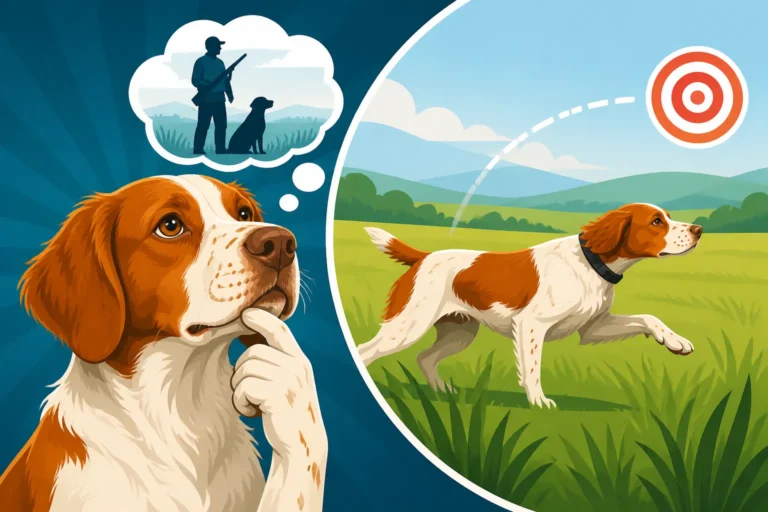
It’s no secret that Brittanys were bred for their exceptional noses and their relentless desire to find birds. This isn't just a casual sniffing; it's an intricate dance of air currents, ground patterns, and instinct honed over generations. When you watch a Brittany work a field, you're observing a masterclass in scent detection. This same genetic programming makes them phenomenal candidates for various forms of scent work, translating their innate talents into a fun, challenging, and deeply satisfying activity.
Their Bird Dog Nose: Instinctual Drive
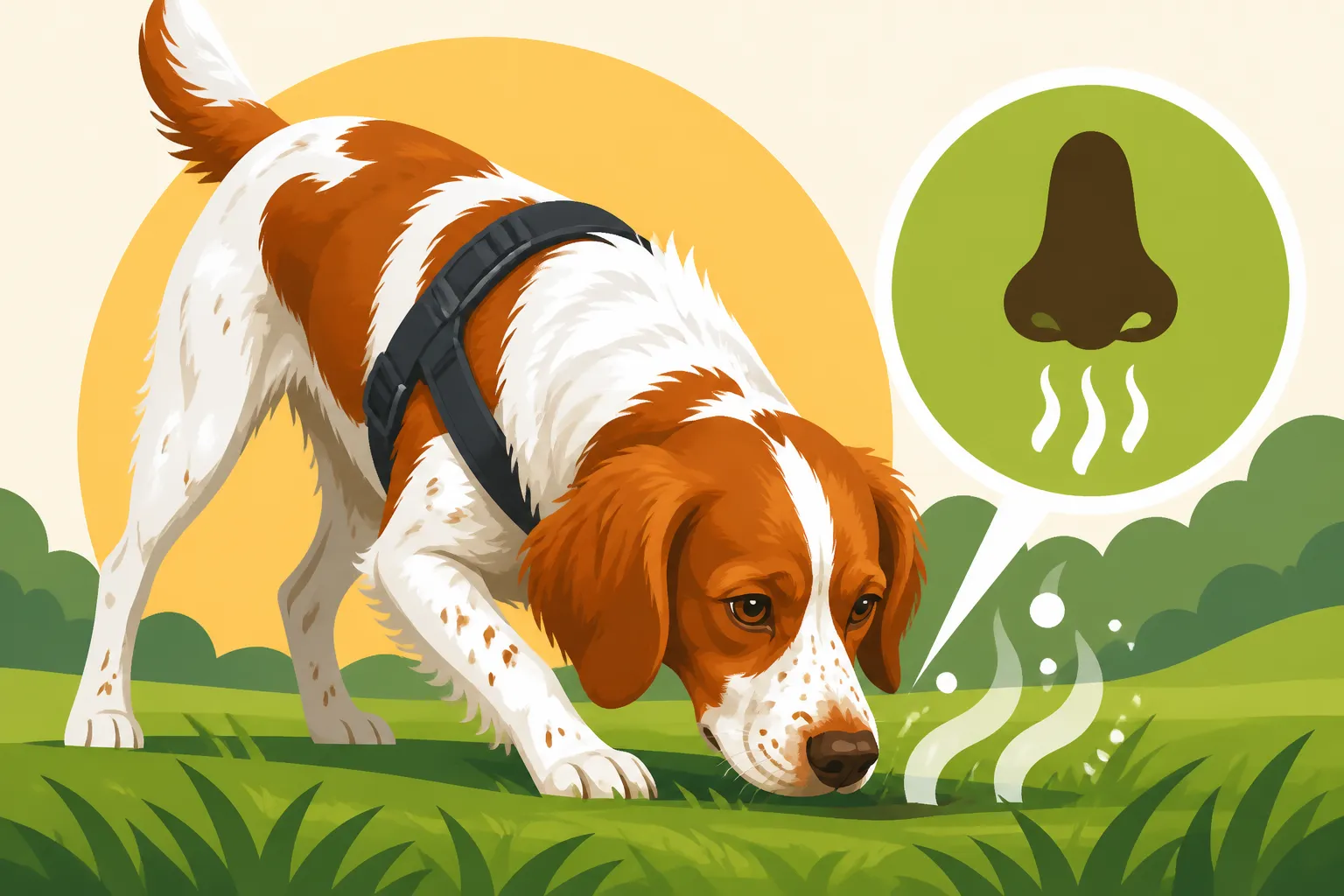
Brittanys possess a dense concentration of olfactory receptors, a keen ability to interpret scent puzzles, and an unwavering focus when they're "on scent." This isn't just about finding a pheasant; it's about discerning subtle changes in air currents, detecting residual scent trails, and distinguishing target odors from myriad environmental distractions. Their noses are their primary tools for understanding the world, and denying them opportunities to use them is like asking a human to sit silently without reading or talking. They crave this mental engagement, and scent work provides a structured, positive outlet.
Think about how your Brittany investigates a new patch of grass in the park or how meticulously they follow the trail of a squirrel in your backyard. That focused intensity, that low head, that wagging tail — that's their nose in action. In scent work, we harness that same natural inclination but direct it towards specific target odors in a controlled environment. It satisfies that deep-seated instinct to hunt, even when the "prey" is just a tiny Q-tip with birch oil. It allows them to engage their primary sense in a way that is incredibly fulfilling and calming. Brittanys are highly intelligent and excel when given a job, and scent work provides an intellectually stimulating task that keeps their minds sharp and happy. You might also find that engaging in activities like this greatly reduces the likelihood of them engaging in unwanted behaviors stemming from boredom, a common issue discussed in What an Under Exercised Brittany Does at Home.
The Brittany's Drive to Work: Mental and Physical Engagement
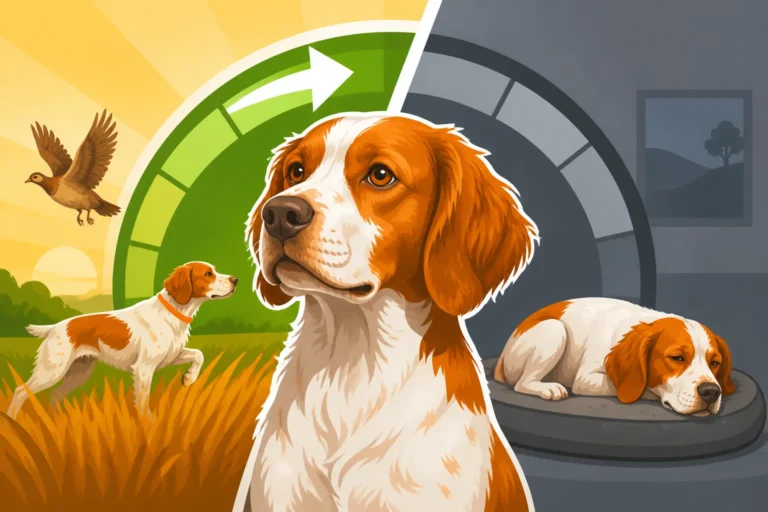
Brittanys aren't just intelligent; they're purpose-driven. They want to partner with you, and they truly enjoy having a "job" to do. Scent work provides this job in spades. It’s not just about the physical act of moving around and sniffing; it's about problem-solving. Where is the scent hidden? How do I communicate to my handler that I’ve found it? This mental challenge is often more tiring for a Brittany than a long run, which is saying something! After a good scent work session, you'll often find your Brittany collapsing into a happy, contented heap, mentally satisfied.
Consider the focused determination a Brittany shows when trying to locate a downed bird in thick cover. That same drive, that same relentless pursuit, is what they bring to scent work. They are eager to please their handlers and are incredibly biddable, which makes them excellent students in scent detection classes. Their soft temperament means they respond best to positive reinforcement, which is exactly how modern scent work is taught. It’s a game they can always win, building confidence and strengthening the bond between you. This biddability makes them highly trainable, a trait explored further in How Biddable a Brittany Is, making them ideal for new disciplines.
Types of Scent Work Brittanys Excel In
The world of canine scent work is diverse, offering various disciplines that cater to different interests and skill levels. Given the Brittany's natural abilities, they tend to shine in several key areas. Understanding these can help you choose the best fit for you and your dog.
Nosework/Scent Detection
Nosework, often referred to as K9 Nose Work or Scent Detection, is one of the most accessible and popular forms of scent work for pet dogs. It’s inspired by professional detection dogs (like those working with narcotics or explosives) but adapted for companion animals, using essential oils as target odors. This sport can be done anywhere—at home, in a park, or in competition venues—and requires minimal equipment.
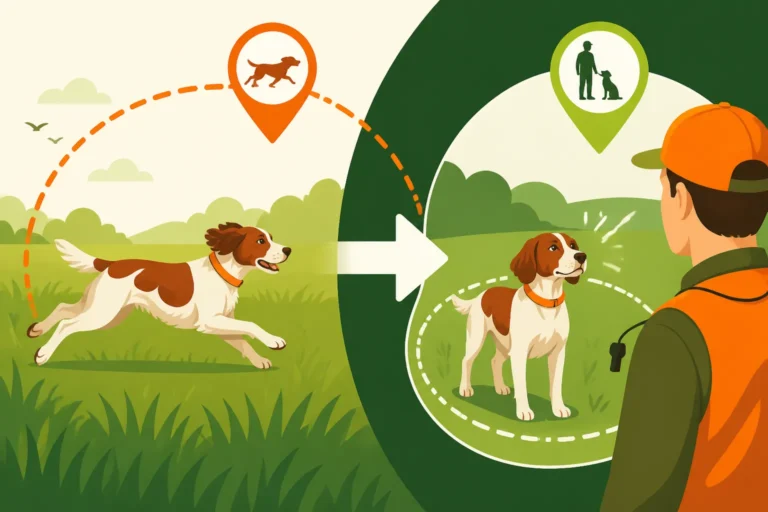
In nosework, your Brittany learns to identify specific target odors (birch, anise, clove, cypress, etc.) and alert you to their location. The challenges progress from simple hide-and-seek games in containers to searching entire rooms, vehicles, and outdoor areas. What makes nosework so fantastic for Brittanys is that it allows them to work independently, trusting their nose, while still collaborating with their handler. It builds immense confidence, especially for dogs that might be a little shy, as they learn that their nose is a powerful tool. The precision required to pinpoint a small scent source, often hidden in complex environments, is something Brittanys take to naturally due to their ingrained hunting focus. It's truly incredible to watch them methodically sweep an area, deciphering the scent picture, and then giving a clear indication when they've found the source.
Tracking and Trailing
While nosework focuses on pinpointing a source of odor, tracking and trailing involve following a specific path of scent. Tracking is generally about following human footsteps on the ground, often with minimal handler input, while trailing involves following the scent of a specific person or animal, sometimes airborne, over various terrains.
Brittanys, with their ground-scenting heritage, often excel at tracking. They are accustomed to putting their noses to the ground and dissecting a scent trail. Imagine your Brittany following a bird's trail through dense cover; tracking uses that same mechanism. It's a fantastic way to engage their natural hunting instincts in a non-prey way, providing mental focus and physical exertion. The dog is typically on a long line, with the handler following, learning to read their dog's body language as they work the scent. This discipline is not only fun but can also be incredibly useful, providing skills that could potentially be applied if a pet ever goes missing. While a working Brittany is usually looking for live bird scent, the principle of following a specific odor trail is very similar to how they pick up and follow pheasant scent.
Search and Rescue (SAR) Foundations
For those with a deep commitment and a Brittany with exceptional drive, the foundational principles of Search and Rescue (SAR) can be another avenue for scent work. While becoming a certified SAR dog is a rigorous and lengthy process, the early stages of training involve many elements beneficial to any Brittany. These often include area searches for human scent, rubble searches, and wilderness trailing.
A Brittany's endurance, biddability, and keen nose make them naturally suited for the initial stages of SAR work. Even if you don't aim for certification, introducing your Brittany to wide area searches for a "missing" person (a hidden friend or family member) can be an incredibly rewarding and stimulating activity. It taps into their desire to range and cover ground, but with a specific objective – finding a human scent – rather than just quartering for birds. This type of work heavily relies on the dog's initiative and ability to work independently, while also requiring strong communication and trust between dog and handler. The intense concentration required for these larger-scale searches can be incredibly taxing, providing excellent mental and physical exercise, much like their efforts in the field.
| Scent Work Discipline | Primary Focus | Brittany Suitability | Key Benefits |
|---|---|---|---|
| Nosework/Scent Detection | Pinpointing target odor sources (e.g., essential oils) | Excellent; uses precision scenting, high drive, problem-solving. | Builds confidence, mental stimulation, accessible for all ages/abilities, strengthens bond. |
| Tracking | Following a specific ground-based human scent trail | Very Good; leverages natural ground-scenting abilities and focus. | Physical exercise, mental engagement, real-world utility, develops handler observation skills. |
| Trailing | Following airborne or ground scent of a specific person/animal | Good; combines ground-scenting with air scenting, requires high focus. | Advanced skill, rigorous mental and physical challenge, builds endurance. |
| SAR Foundations | Finding human scent in large areas or specific environments | Excellent (for foundation); capitalizes on range, endurance, and scent drive. | Purpose-driven activity, high mental and physical output, develops teamwork in challenging scenarios. |
Getting Started with Scent Work
Feeling inspired to give scent work a try with your Brittany? Fantastic! It's an activity that truly anyone can enjoy, regardless of their dog's age or prior training experience. The key is to start simple, make it fun, and celebrate every success.
Basic Scent Introduction at Home
You don't need a fancy setup or expensive equipment to begin. You can start right in your living room with everyday items. A simple way to introduce your Brittany to "the game" is by teaching them to find high-value treats. Hide a treat under one of several overturned cups and encourage them to sniff it out. When they nose the correct cup, lift it, and reward them enthusiastically. This teaches them the concept of searching and indicating.
Once your Brittany understands the treat game, you can introduce a target odor. Many starter scent kits are available on platforms like Amazon, which often include small vials of essential oil (like birch, anise, or clove), Q-tips, and magnetic containers. You'll typically put a drop of the target oil on a Q-tip, place it in a small container, and then pair it with a super high-value treat in a clear, accessible hide. The dog learns that the odor predicts the reward. Gradually, you separate the odor from the treat, making the odor the reward predictor itself. Keep sessions short, fun, and always end on a high note. Remember, for a Brittany, positive reinforcement is absolutely key; they are sensitive creatures, as explored in The Brittany Is the Softest of the Pointing Breeds.
Finding a Local Class or Trainer
While you can certainly start at home, joining a local scent work class or working with a certified trainer can significantly accelerate your progress and provide invaluable guidance. A good instructor can help you understand your Brittany's scenting behavior, troubleshoot challenges, and introduce you to advanced concepts. They also provide a structured environment with different "hides" and distractions that are difficult to replicate at home.
Look for trainers certified in K9 Nose Work or those affiliated with reputable organizations. They'll have experience with various dog breeds and understand how to tailor training to individual temperaments. Group classes also offer a fantastic socialization opportunity for your Brittany, even if they work individually during their turn. You'll often find these classes advertised at local dog training centers, community colleges, or even through breed clubs. For those who might not have access to local classes or prefer to learn at their own pace, online training resources are a fantastic option. Programs like those offered by BAXTER & Bella provide comprehensive, step-by-step video lessons that guide you through every stage of scent work training, from basic introductions to advanced searches. This can be especially helpful for consistent learning, as a Brittany thrives on routine and clear expectations, much like their bird training, which can be seen in How Long a Brittany's Training Session Should Be.
Essential Gear for Scent Work
One of the beautiful aspects of scent work is its minimal gear requirement, especially compared to hunting. However, a few items can make your journey smoother and more effective.
- High-Value Treats: Brittanys are often highly food-motivated, so small, soft, irresistible treats are essential for rewarding successful finds. Think cheese, cooked chicken, or commercial soft treats.
- Scent Kit: As mentioned, a starter kit with target odors (birch, anise, clove, cypress), Q-tips, and small scent vessels (tins, plastic tubes) is crucial. You can purchase these online.
- Leash and Harness: A comfortable harness and a 6-foot leash are perfect for controlling your Brittany in new environments without putting pressure on their neck. For tracking, a longer line (15-30 feet) might be used.
- Clicker (Optional but Recommended): A clicker can be an excellent tool for precisely marking the exact moment your Brittany indicates a scent.
- Kennel or Crate: If attending classes, a portable kennel or crate is vital for giving your Brittany a quiet space to rest between turns, minimizing distractions for other working dogs. This is good practice for any training event or travel, as discussed in Whether a Brittany Rides Well in a Truck.
Getting started is less about buying the perfect gear and more about having the enthusiasm to try and the patience to guide your Brittany through this exciting new world of odors.
Benefits Beyond the Field
Scent work offers a wealth of benefits that extend far beyond simply having a fun activity to do with your Brittany. It taps into their deepest instincts, provides unparalleled mental stimulation, and can profoundly enhance their overall well-being and your relationship.
Mental and Physical Fulfillment
For a breed as intelligent and energetic as the Brittany, mental stimulation is just as important, if not more so, than physical exercise. While they need plenty of opportunities to run and burn off steam, scent work provides a different kind of workout – a brain workout. A twenty-minute scent work session can be as tiring, if not more so, than a one-hour walk, because it requires intense focus, problem-solving, and continuous use of their most powerful sense.
Imagine your Brittany, after a satisfying hunt, settling down to chew on a bone. Scent work provides a similar kind of deep satisfaction. It channels their natural hunting drive in a constructive way, preventing boredom and the destructive behaviors that often come with it. It's a fantastic activity for rainy days, for older Brittanys whose bodies can't keep up with long runs anymore, or for Brittanys recovering from minor injuries who still need mental engagement. Even for the most avid field dogs, scent work offers a valuable alternative or supplement to hunting, ensuring their minds stay sharp and engaged year-round. It helps them build a versatile skillset beyond just finding their first bird.
Strengthening Your Bond
Scent work is a true team sport. While your Brittany is the one doing the actual sniffing, you, as the handler, are responsible for reading their subtle cues, understanding their search patterns, and celebrating their discoveries. This collaborative effort deepens the trust and communication between you and your dog in a profound way.
As you learn to interpret your Brittany's tail wags, head changes, and breathing patterns, you'll gain a deeper understanding of how they perceive the world through scent. They, in turn, learn to trust your guidance and reassurance. There's nothing quite like the shared joy of finding a hidden scent together, followed by an enthusiastic reward and praise. This positive interaction strengthens your relationship, transforming you from just an owner into a true partner in an exciting adventure. This shared experience can truly enhance the connection you feel, fostering a bond that goes beyond simple companionship, as often desired by owners wanting a dog that follows them room to room.
Confidence Building
Many Brittanys, especially those that might be a bit sensitive or prone to shyness, can greatly benefit from scent work. In this activity, they are the experts. Their nose knows best, and every successful find is a win, building their confidence and self-esteem.
When a dog discovers a scent hide, they are validated by their own innate abilities, which is incredibly empowering. For a shy Brittany, scent work provides a safe space where they can focus on a task, rather than feeling overwhelmed by new people or environments. It teaches them to trust their instincts and to understand that they possess a valuable skill. This newfound confidence often translates into other areas of their life, making them more resilient and comfortable in various situations. It allows them to feel a sense of accomplishment, reinforcing that feeling of "I did that!" which can be wonderfully transformative for a dog who might otherwise lack a strong sense of purpose outside the field. It's a wonderful way to foster boldness, particularly if you have a dog that might typically be described as shy.
Disclaimer
This article is for general informational purposes only and does not constitute professional advice. Laws, prices and regulations vary by location and change over time. Consult a qualified professional for guidance on your specific situation.