Whether a Brittany Knocks Small Children Over
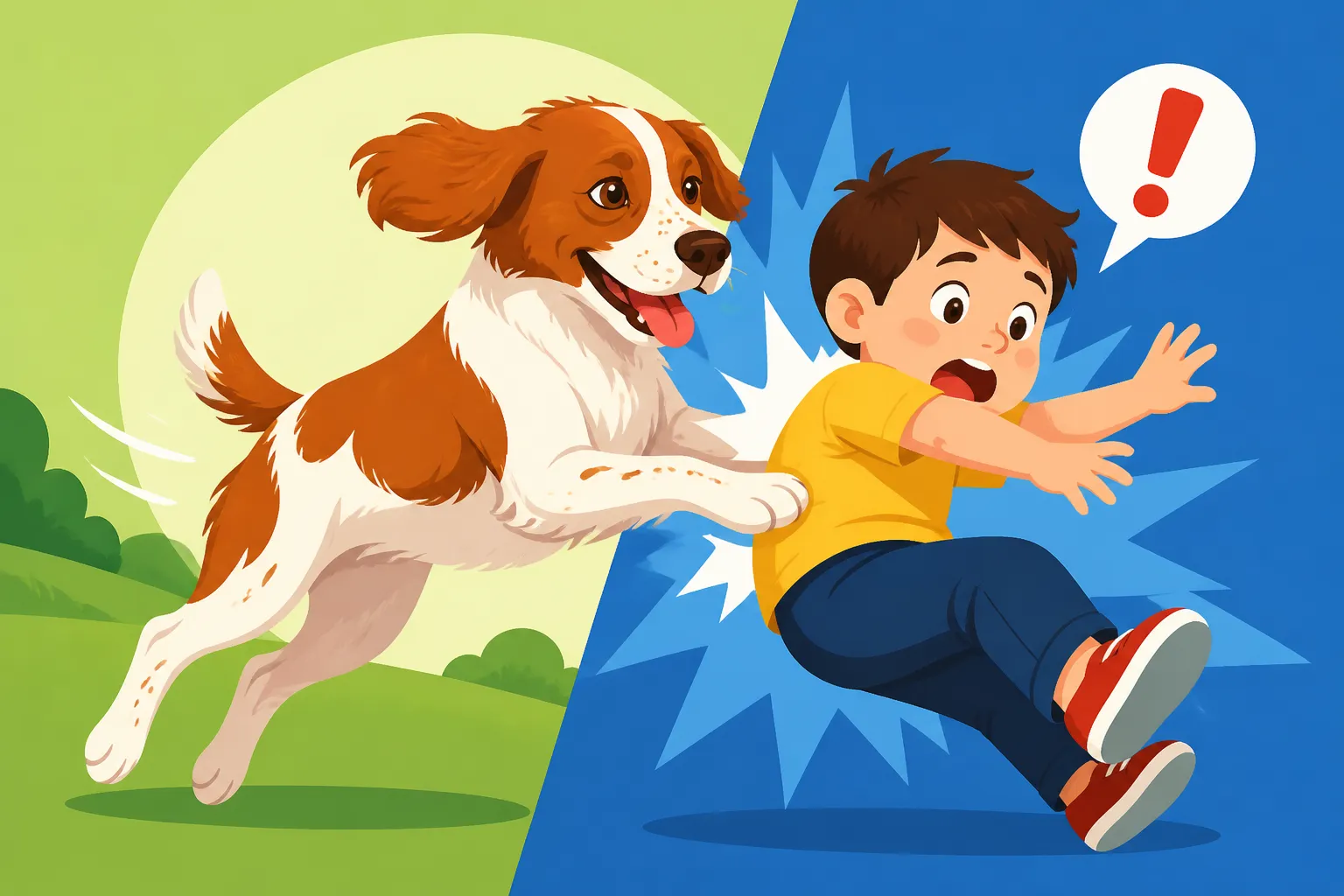
One of the most common worries for families considering a Brittany, especially those with little ones running around, is whether this energetic breed will accidentally bowl over a toddler or small child. It’s a very valid concern, and I’m here to tell you that while Brittanys are generally wonderful with children, their boundless enthusiasm and quick movements can indeed lead to unintentional bumps. This guide will help you understand the dynamics between a Brittany and small children, and crucially, how to prevent those accidental tumbles.
Understanding the Brittany's Energetic Nature
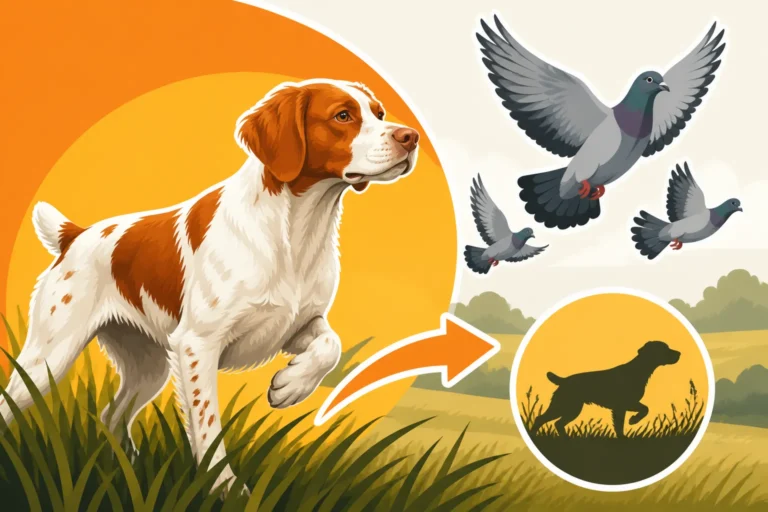
Brittanys are not known for being sedentary couch potatoes; quite the opposite! They are a sporting breed through and through, originally developed for hunting birds. This means they come hardwired with a tremendous amount of energy, a zest for life, and a desire to be constantly on the go. When you combine this natural athleticism with their affectionate and eager-to-please personality, you get a dog that wants to be involved in everything you do, often with great enthusiasm.
Imagine a scene: you walk in the door after a long day, and your Brittany, overjoyed to see you, launches into a happy dance. Tail wagging furiously, paws prancing, maybe even a little excited vocalization. Now picture a small child, perhaps a toddler, standing near your legs. In their excitement, a Brittany might dart past, turn quickly, or even jump up to greet you. For an adult, this might be a minor jostle. For a small child, who has a lower center of gravity and is less stable on their feet, it can easily lead to a bump, a loss of balance, and a fall. It's rarely out of malice; it's simply a large, fast-moving dog in a small space with a small human. This exuberance is part of their charm, but it's also something you absolutely need to manage when tiny humans are involved. You might find that How Much Exercise a Brittany Needs Off Season is a critical factor in how much pent-up energy they have.
The Brittany's Size and Speed in Action
While not a giant breed, Brittanys are substantial dogs, typically weighing between 30 and 40 pounds and standing around 17 to 20 inches tall. When moving at full speed, which they often do when excited, they carry a surprising amount of momentum. A Brittany can go from a standstill to a full sprint in a blink, covering ground incredibly quickly. This speed is what makes them phenomenal in the field, quartering and pointing birds with incredible agility.
Indoors, or in a backyard where small children are playing, this speed can be a challenge. Picture your Brittany chasing a thrown ball, or maybe even just a leaf blowing across the yard. If a child happens to be in their path, the Brittany might not even register the small obstruction until it's too late. They are focused on their "prey" or their game, and their natural instinct to chase or retrieve can override their awareness of what's directly at their feet. It’s not aggression; it’s simply being a dog, focused on its inherent drives. This means active supervision is paramount, especially during times of high excitement.
Proactive Training for Calm Interactions
Preventing accidental bumps and knocks isn't about curbing your Brittany's spirit entirely, but rather channeling it appropriately and teaching them control. The good news is that Brittanys are intelligent and eager to please, making them highly trainable. Consistency is your best friend here, and starting early is key. Think of it as teaching your dog how to be a polite houseguest, especially when the youngest members of the family are around.
One of the most fundamental commands to teach is "off" or "four on the floor." This means all paws must remain on the ground. Reward heavily when your Brittany complies. This needs to be practiced not just during calm moments, but also when they are excited, like when visitors arrive or when you come home. Another excellent tool is the "place" command, where your Brittany learns to go to a designated spot (like a dog bed or mat) and stay there until released. This provides a safe zone for both your dog and your child during potentially chaotic times, like meal prep or when your child is playing with small toys. Teaching a Brittany Whoa in the field is a testament to their trainability, and that same principle can be applied indoors.
Impulse Control and Respecting Space
Teaching impulse control is vital. This goes beyond simple commands and delves into helping your Brittany learn to manage their excitement. Exercises like "leave it" (for food, toys, or even the child's enticing stroller) are incredibly useful. You want your Brittany to understand that not everything is fair game for immediate investigation or play. Walking calmly on a leash, even indoors, can help reinforce self-control.
Another crucial aspect is teaching your Brittany to respect personal space. This means not rushing through doorways, not jumping on people, and understanding that not every person is an invitation for boisterous play. For this, you might use physical barriers like baby gates to create zones where your dog needs to be calm. Even seemingly simple things, like making your Brittany sit patiently while you open the door, can build a foundation of impulse control that translates to calmer interactions with children. Resources like online training programs, such as those offered by BAXTER & Bella, can provide structured lessons and support for developing these critical skills from puppyhood through adulthood. They break down complex behaviors into manageable steps, which is so helpful for busy families.
| Training Command | Goal for Child Interactions | Benefits for Family |
|---|---|---|
| "Off" | Keep all four paws on the ground. | Prevents jumping on children, accidental scratches. |
| "Place" | Go to a designated spot and stay. | Creates a safe zone for the dog and children, especially during high-activity times. |
| "Leave It" | Ignore enticing objects/people. | Prevents snatching toys, food, or overly enthusiastic greetings. |
| "Come" | Reliable recall, even when distracted. | Essential for safety and managing dog's location around kids. |
| "Wait" | Pause before entering or getting a reward. | Builds impulse control, prevents rushing past children. |
Creating a Safe Environment for All
Even with the best training, supervision is non-negotiable when a Brittany is around small children. Children and dogs, no matter how well-behaved, can be unpredictable. You are the bridge between their two worlds, ensuring interactions are positive and safe for everyone. This means never leaving a Brittany unsupervised with a baby or toddler, even for "just a minute."
Think about creating physical barriers within your home. Baby gates, available on platforms like Amazon, are invaluable for this. They allow you to easily separate your Brittany from your child when you can't give 100% of your attention, or when your child needs quiet playtime on the floor. A crate, properly introduced and made into a comfortable den, also serves as a safe retreat for your dog. It gives them a place to relax away from the hustle and bustle of family life, especially important in a home with active children. Remember, a tired dog is often a calmer dog, so ensuring your Brittany gets ample exercise is also part of maintaining a peaceful environment. What an Under Exercised Brittany Does at Home can be a real headache, and it certainly won't help with calmness around children.
Teaching Children How to Interact Respectfully
It's not just the dog who needs training; children need to learn how to interact with dogs respectfully. Teach them from a very young age about "gentle hands" and "dog's space." Show them how to pet appropriately, avoiding pulling ears or tails. Explain that the dog's bed or crate is their private spot and they shouldn't bother the dog when it's resting there. Learning about How a Brittany Behaves With Children can help you set realistic expectations.
It’s also crucial to teach children not to take the dog’s food or toys, and not to startle a sleeping dog. Supervised play should involve teaching both the child and the dog boundaries. For instance, if your Brittany starts getting too excited or nippy during play, it’s time for a "time out" for the dog, or a redirection to a calmer activity. Consistency from all adults in the household reinforces these rules for both the dog and the child. This creates a predictable environment where everyone knows what is expected of them, fostering trust and safety. Whether a Brittany Is Good With Toddlers really depends on how much effort you put into managing these interactions.
The Affectionate and Loyal Brittany
Despite their high energy, Brittanys are renowned for their loving, gentle, and loyal dispositions. They thrive on being part of the family and typically form strong bonds with all members, including children. They are often described as having a "soft" temperament, meaning they respond best to positive reinforcement and gentle handling rather than harsh corrections. This makes them wonderful family companions, provided their energy needs are met and boundaries are clearly established.
A well-socialized Brittany who understands its place in the family pack and has its physical and mental needs met is generally a joy to have around children. They often tolerate the typical antics of kids with good humor and patience. They aren't prone to aggression, but like any dog, they can react if pushed too far or if they feel threatened. This is why education for both dog and child, combined with vigilant supervision, is the cornerstone of a successful multi-species household. A Brittany wants nothing more than to be with its people, and with the right guidance, they can be fantastic, albeit sometimes bouncy, friends to children. You'll find that What a Brittany's Temperament Is Really Like is generally very agreeable.
Nurturing a Positive Relationship
Building a positive relationship between your Brittany and your children involves more than just preventing mishaps; it's about fostering mutual respect and affection. Encourage your children to participate in the Brittany's care, such as helping with feeding (under supervision), giving treats for good behavior, or gently grooming. These interactions build positive associations and help the dog see the child as a source of good things.
As your children grow, they can take on more active roles, such as playing fetch or going for walks with the dog (again, supervised, especially in the early stages). These shared activities strengthen their bond and teach responsibility. Remember that Brittanys are highly social animals and thrive on interaction. By integrating them into family life in a structured and safe way, you'll ensure that your Brittany isn't just a pet, but a cherished member of the family who brings joy and companionship without the worry of accidental tumbles. Even for a playful breed like the Brittany, early socialization and consistent training ensure they learn to navigate the sometimes chaotic world of a family with grace.
Disclaimer
This article is for general informational purposes only and does not constitute professional advice. Laws, prices and regulations vary by location and change over time. Consult a qualified professional for guidance on your specific situation.