Why a Brittany Is Easy to Ruin With a Gun
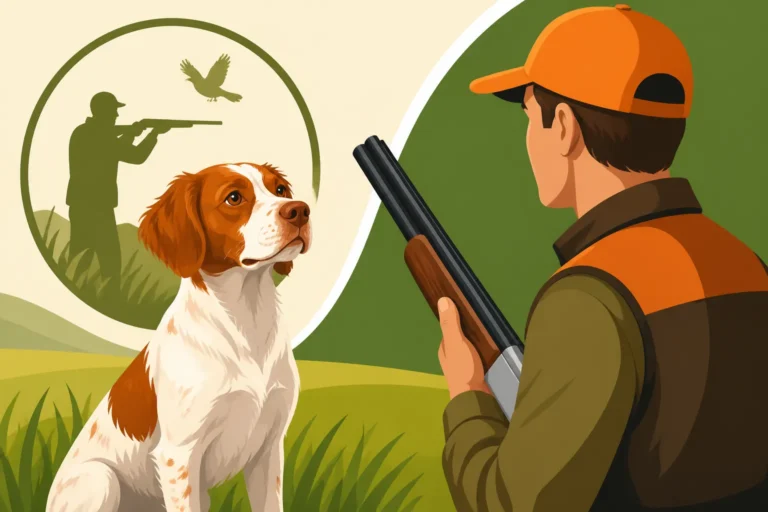
It's heartbreaking to witness a Brittany Spaniel, a breed inherently designed for the field, cower at the sound of a gun, or worse, completely shut down. The dream of a steadfast hunting companion can shatter when a single misstep in gun introduction transforms a promising pup into a fear-ridden dog. This guide delves into why Brittanys are particularly susceptible to gun shyness and how to prevent and, in some cases, address this challenging issue.
The Brittany's Inherently Sensitive Nature
Brittanys are known for their lively spirit, intelligence, and eagerness to please, but beneath that enthusiastic exterior lies a deeply sensitive soul. Unlike some more boisterous gun dog breeds, a Brittany can be easily overwhelmed by harshness or sudden, intense stimuli. This inherent sensitivity is a double-edged sword: it makes them incredibly biddable and responsive to gentle training, but it also makes them vulnerable to negative experiences, especially concerning loud noises like gunfire.
A Soft Dog by Design
If you've spent any time around Brittanys, you'll quickly learn they are often referred to as "soft" dogs. This isn't a criticism of their toughness in the field; rather, it speaks to their emotional makeup. A Brittany thrives on positive reinforcement, praise, and a calm, consistent approach. They form strong bonds with their handlers and are acutely aware of their owner's moods and reactions. This means that a harsh word, an abrupt correction, or an intimidating sound can resonate deeply with them. Their desire to please can quickly turn into anxiety if they feel they've done something wrong or if an experience causes them fear. This "softness" is part of what makes them such wonderful house dogs and partners, but it requires a handler to be particularly mindful during sensitive training phases, such as gun introduction. You'll often hear experienced Brittany owners caution against heavy-handed methods, knowing full well the potential for damaging a dog's spirit. It's a key reason why understanding How Sensitive a Brittany Is to Correction is so crucial.
The Impact of Harshness
Imagine trying to learn a new, complex skill while constantly being yelled at or fearing sudden, loud noises. That's a bit what it can be like for a sensitive Brittany facing an improperly introduced gun. Any form of harshness – be it physical correction, severe verbal reprimand, or an overly intense training environment – can have lasting detrimental effects. When it comes to gunfire, this impact is amplified. If a Brittany associates the loud bang with a frightening experience, whether it's an intimidating trainer, a sudden pain, or simply an overwhelming sensory input, that negative association can quickly cement into fear. This isn't just about a dog being "spoiled"; it's about their inherent neurological response to trauma. A Brittany might internalize this fear, leading to a general distrust of training or a complete aversion to anything associated with hunting. It takes careful, deliberate steps to ensure their emotional well-being is prioritized throughout their training journey.
Common Mistakes in Gun Introduction
Many well-meaning owners, perhaps with experience from different breeds, can inadvertently make crucial errors when introducing their Brittany to gunfire. These mistakes, often rooted in a lack of understanding of the Brittany's specific temperament, are frequently the culprits behind gun shyness.
Too Much, Too Soon
One of the most frequent mistakes is exposing a Brittany to loud gunshots too early or too intensely. A puppy's ears and nervous system are still developing, and a sudden, sharp report can literally be painful or terrifying. Some believe that a puppy should be introduced to gunfire very young, perhaps even alongside its first birds. However, for a Brittany, this can be a recipe for disaster. Think about a child learning to ride a bike: you don't start them on a steep hill in heavy traffic. You start in a quiet, safe space, gradually building their confidence. Similarly, exposing a Brittany puppy to a booming shotgun when they're only a few months old, or even during their initial bird work, can overwhelm their senses and create a lasting negative impression. The Age a Brittany Should Hear Its First Shot is a critical consideration that varies widely, and it's almost always later and gentler than many assume. The goal is always to associate the sound with something positive, not a shock.
The Wrong Environment
The setting for a gun introduction is just as important as the timing. A busy shooting range, a competitive field trial, or even a casual group hunt with multiple guns blazing is absolutely the wrong place for a Brittany's first experience with gunfire. These environments are often chaotic, filled with unfamiliar dogs, people, and unpredictable sounds. Such an intense scenario can easily cause a sensitive dog to feel threatened or overwhelmed, triggering a fear response that's hard to undo. Instead, the introduction needs to happen in a controlled, calm, and familiar environment where the dog feels safe and secure. The distance of the gun from the dog is paramount, as is ensuring the dog is actively engaged in something enjoyable, like eating a meal or playing with a favorite toy.
Linking Gunfire to Negative Experiences
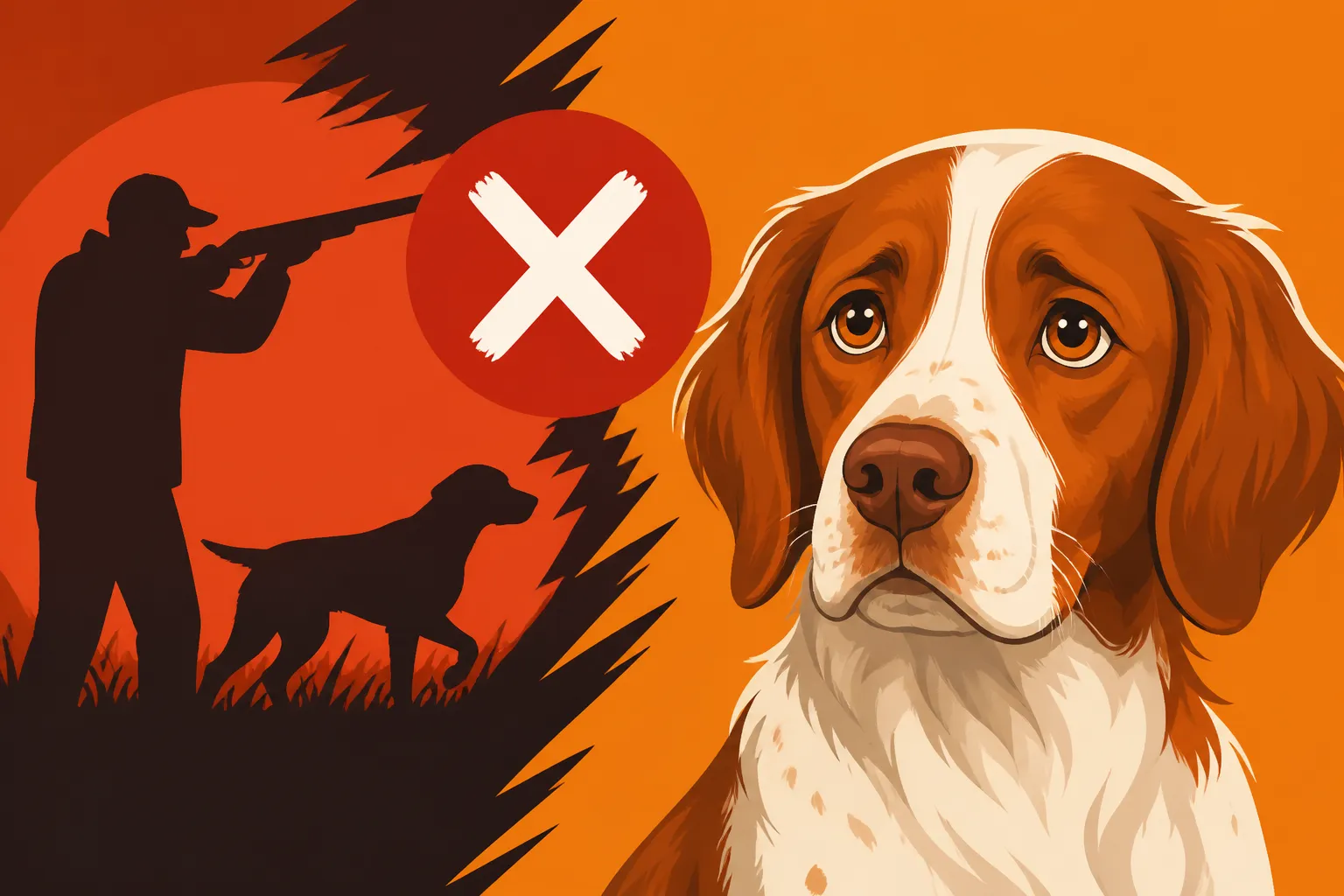
The human brain is excellent at making associations, and so is a dog's. If gunfire is consistently paired with something unpleasant, the dog will quickly develop a negative association. This could be anything from a loud correction immediately following a shot, to the dog being startled by a bird flush that's accompanied by a close shot, or even just general stress from an overly demanding training session. For instance, if a dog is forced to retrieve a bird immediately after a shot when it's not ready, or if it's already stressed by other training demands, the gunfire can become a trigger for that stress. It's not just the sound itself, but the entire context. If a Brittany is timid or nervous, and then a gun goes off, that nervousness becomes directly tied to the sound. This is why patience and careful observation are your best friends during this training phase. Why a Brittany Is Easy to Ruin With a Gun comes down to this direct linking of fear to sound.
Recognizing and Remedying Gun Shyness
Once gun shyness sets in, it's not a quick fix. It can be a deeply ingrained fear that requires immense patience, understanding, and a systematic approach to overcome. However, recognizing the signs early is your first line of defense.
Signs of Gun Shyness
Identifying gun shyness isn't always about a dog bolting for the hills at the sound of a gunshot. The signs can be subtle and varied. A gun-shy Brittany might:
- Cower or flinch: A noticeable physical reaction, dropping to the ground, tucking its tail, or hunching its body.
- Tremble or shake: Even in a warm environment, the dog might visibly shake.
- Panting excessively: Often accompanied by wide eyes, indicating stress.
- Whine or bark nervously: Vocalizing their distress.
- Try to escape: Pulling on the leash, trying to hide, or running away if off-leash.
- Refuse to work: Losing all interest in birds, retrieves, or any training activities once the sound occurs.
- Show avoidance behaviors: Actively trying to move away from the source of the sound or ignoring commands that would lead it closer.
- Submissive urination: A clear sign of extreme fear and submission.
It's important to differentiate true gun shyness from a simple startle reaction. A puppy might jump at an unexpected sound, but a truly gun-shy dog will show sustained fear and avoidance. Observing Signs a Brittany Is Becoming Gun Shy is vital so you can intervene before the problem becomes entrenched.
The Long Road to Recovery
Remedying gun shyness is a marathon, not a sprint. It often involves systematic desensitization and counter-conditioning, which means gradually exposing the dog to the sound of gunfire at increasing volumes and distances, while consistently associating it with positive experiences. Here's a general approach:
- Stop all field work immediately: Do not force the dog into situations where it will encounter gunfire. This will only worsen the fear.
- Start from scratch, indoors: Use a recording of gunshots at a very low volume, barely audible. Play it during meal times or while the dog is happily engaged in a favorite activity. Gradually increase the volume over days or weeks, watching for any sign of anxiety. If the dog reacts, you've gone too fast.
- Move outdoors with increasing distance: Once the dog is completely comfortable with the recorded sounds, move to a starter pistol or .22 blanks, fired at a very significant distance (e.g., 200-300 yards) by an assistant while the dog is enjoying a walk or playing with you in an open, safe field. Again, the key is incremental progress.
- Positive Association: Every single time a gun sound is introduced, even at the lowest level, it must be paired with something incredibly positive: high-value treats, praise, or a favorite game. You want the dog to think, "Oh, that sound means good things are coming!"
- Professional Help: For severe cases, working with a professional gun dog trainer or a certified veterinary behaviorist is highly recommended. They have the expertise and tools to create a tailored desensitization program. Companies like BAXTER & Bella offer online resources and training programs that can help build foundational obedience and confidence, which can be crucial before tackling something as sensitive as gun shyness. It's a challenging journey, and How to Rebuild a Gun Shy Brittany often requires more time and patience than owners initially anticipate.
Best Practices for a Positive Gun Introduction
The best way to deal with gun shyness is to prevent it entirely. By understanding the Brittany's nature and following a thoughtful, gradual introduction process, you can cultivate a confident, gun-steady hunting partner.
Building a Strong Foundation
Before you even think about introducing gunfire, ensure your Brittany has a solid foundation of basic obedience and confidence. A confident dog that trusts its handler is much less likely to become gun shy.
- Establish a strong bond: Spend quality time with your Brittany, building trust and rapport. Be its leader, but also its friend and protector.
- Socialization: Expose your puppy to a variety of sights, sounds, and experiences in a positive way from a young age. This helps them develop into well-adjusted, resilient adults. Whether a Brittany Puppy Should Be Socialized Heavily is an important question for new owners, and the answer is generally yes, with care.
- Basic Obedience: Ensure your Brittany is solid on commands like "come," "sit," "stay," and especially "whoa." A dog that responds reliably to commands is easier to manage and less likely to panic. Teaching a Brittany Whoa is foundational for all field work, and it's essential for keeping them safe and focused during new experiences.
- Bird Introduction: Introduce your Brittany to birds in a low-pressure environment first. Make sure they are keen on birds and enjoying the experience before adding other elements. Many trainers start with pigeons or quail in controlled settings.
- Maturity: Wait until your Brittany is mentally mature enough to handle the stress of gunfire. This often means waiting until they are at least six months old, and sometimes much older, before serious gun introduction begins. There's no rush to push a young dog.
Gradual Exposure and Positive Reinforcement
The key to a successful gun introduction is gradual exposure paired with overwhelmingly positive reinforcement. Think of it as a series of tiny steps, each building on the last.
- Start Small, Far Away: Begin with the quietest sound possible, like a cap gun or a starter pistol, fired at a considerable distance from the dog (at least 100-200 yards initially). Ensure the dog is focused on a positive activity like eating, playing fetch with a favorite toy (many great options are available on Amazon), or enjoying a high-value chew.
- Associate with Pleasure: The moment the sound occurs, immediately reward your dog with praise, a treat, or continue the fun activity. The sound should predict something good.
- Increase Volume and Decrease Distance Slowly: Over many, many sessions and days, slowly decrease the distance of the gun or increase the volume of the sound. Only move to the next step if your dog shows absolutely no signs of stress or fear at the current level. If you see any hesitation, go back a step.
- Introduce in the Field: Once the dog is completely steady with the cap gun or starter pistol at a reasonable distance while working birds, you can gradually introduce a shotgun with light loads. Again, start far away and use an assistant. The dog should be entirely focused on the bird work, not the shot. The sound should just become part of the background noise of an exciting hunt.
- Always End on a Positive Note: Every training session, especially those involving gunfire, should end with the dog feeling happy and successful. Never push past their comfort zone.
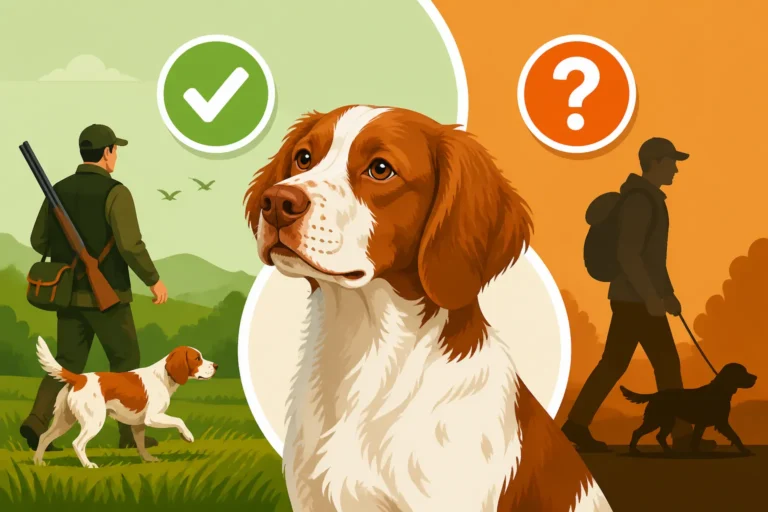
| Aspect of Introduction | The Wrong Way (High Risk) | The Right Way (Low Risk) |
|---|---|---|
| Timing | Puppy < 6 months old | Mature puppy > 6 months old |
| Initial Sound | Full shotgun blast | Cap gun, starter pistol, very distant .22 blank |
| Distance | Close (e.g., 20-30 yards) | Far (e.g., 100-300+ yards) |
| Environment | Busy field trial, shooting range, group hunt | Quiet, familiar, safe open field |
| Dog's Focus | Startled, uncertain | Engaged in positive activity (eating, playing, light bird work) |
| Handler's Approach | Impatient, forceful, loud | Calm, patient, gentle, encouraging |
| Reinforcement | None, or negative | Immediate high-value rewards (treats, praise, play) |
Remember, your Brittany's well-being and confidence are paramount. Rushing the gun introduction can ruin a potentially excellent hunting dog and create a lifelong fear. Patience, understanding, and positive reinforcement are the hallmarks of successful Brittany training.
Disclaimer
This article is for general informational purposes only and does not constitute professional advice. Laws, prices and regulations vary by location and change over time. Consult a qualified professional for guidance on your specific situation.