Whether a French Brittany Suits a Walking Hunter
Many aspiring bird hunters dream of a loyal companion that works close, stays in sight, and makes those long walks in the field truly enjoyable. However, a common frustration is investing in a pointing breed only to find it ranges so far that you're constantly losing track of it, missing points, and feeling like you're chasing your dog instead of hunting. This guide will delve into why the French Brittany, also known as the Epagneul Breton, is often hailed as the ideal partner for the walking hunter, naturally aligning with a more intimate hunting style.
Understanding the French Brittany's Inherent Hunting Style
The French Brittany has a rich history deeply rooted in the working traditions of its native Brittany region in France. Unlike some of its American cousins, which were selectively bred for vast, open landscapes and horseback hunting, the Epagneul Breton was developed for the foot hunter navigating varied, often dense, European cover. This foundational difference manifests in a distinct and highly desirable hunting style for those who prefer to walk the fields.
The "Foot Hunter's Dog" Reputation
The term "foot hunter's dog" isn't just a catchy phrase when it comes to the French Brittany; it's a descriptor born of generations of selective breeding and practical hunting scenarios. These dogs were needed to work within sight and gun range of a walking hunter, ensuring that when a bird was pointed, the hunter could arrive swiftly for the shot. Imagine trying to follow a wide-ranging dog through thick briar patches or dense woodlands—it’s an exercise in frustration. The French Brittany was bred precisely to avoid this, naturally quartering ahead at a manageable distance. This inherent trait means less whistling, less yelling, and more focused hunting for you. It's a partnership, not a frantic search. How Close a French Brittany Hunts
Natural Range and Pace
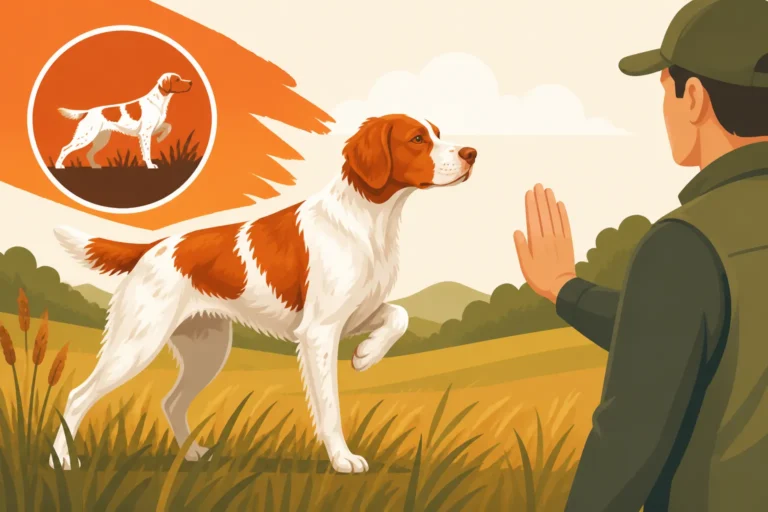
One of the most striking differences a walking hunter will observe in a French Brittany is its naturally closer range and methodical pace. While enthusiastic and energetic, they typically work within a comfortable 30 to 60-yard radius, constantly checking in with their handler. This isn't to say they can't cover ground quickly when scenting game, but their default mode is to stay connected. Contrast this with some wider-ranging breeds that might disappear over a hill for hundreds of yards, making you wonder if they'll ever return. The French Brittany's pace is energetic but not frantic, allowing the hunter to maintain a steady stride without feeling rushed or left behind. This makes for a much more relaxed and productive day in the field, reducing the physical strain on the hunter and fostering a deeper bond with the dog. How Many Yards a French Brittany Works
Innate Biddability and Check-ins
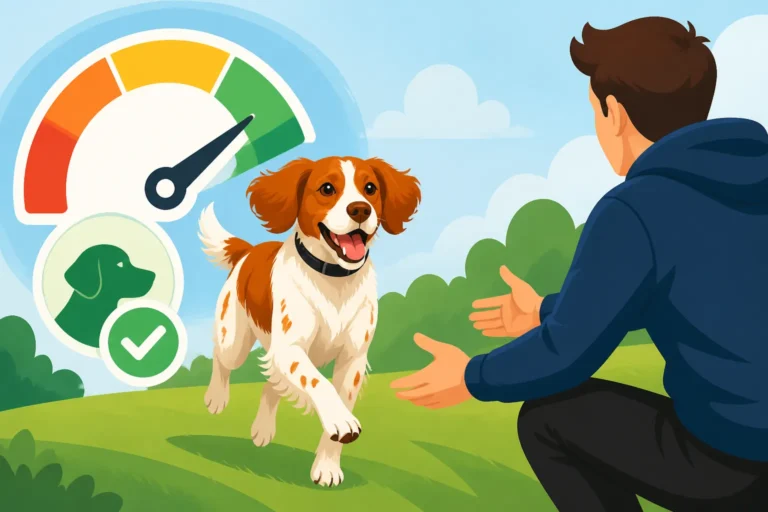
Beyond physical range, the French Brittany possesses a remarkable biddability and desire to please that greatly benefits the walking hunter. They are incredibly sensitive dogs, and respond well to gentle guidance and positive reinforcement. This means they are often more inclined to respond to verbal commands or a subtle whistle, rather than needing constant, harsh corrections. They thrive on working with their person, frequently turning their head to ensure you're still there and actively participating in the hunt. This consistent checking-in reinforces the partnership, giving you confidence that your dog isn't going to simply vanish into the horizon. This natural inclination to cooperate makes them a joy to train and hunt with, feeling less like a machine and more like a true companion. Whether a Brittany Reads Your Mood
Why This Hunting Style Aligns Perfectly with the Walking Hunter
The close-working nature of the French Brittany isn't just a charming trait; it's a highly functional characteristic that directly addresses many of the challenges and desires of the walking hunter. When you're on foot, every step, every minute spent searching for a dog, and every missed opportunity counts. The French Brittany's style makes the hunt more efficient, enjoyable, and ultimately, more successful.
Keeping Your Dog in Sight and in Range
For a walking hunter, the cardinal rule is often "keep your dog in sight." This isn't just about safety, though that's paramount; it's also about effective hunting. When your dog points, you need to be able to get to them quickly and confidently to flush the bird. A French Brittany's natural tendency to stay within reasonable distance means you rarely have that heart-sinking moment of wondering where your dog has gone. You maintain visual contact, can easily monitor their body language for indications of scent, and are in prime position when they lock up on point. This constant connection minimizes wasted time and energy, allowing you to focus on the terrain and the potential for game, rather than constantly scanning for a disappearing dog.
Maximizing Shot Opportunities
There's nothing quite as frustrating as seeing your dog on a beautiful, staunch point, only to realize you're a hundred yards back, struggling through cover to catch up. By the time you get there, the bird might have moved, or your dog might have broken point out of anticipation. With a French Brittany, because they naturally work closer, you are far more likely to be right there when they point. This puts you in a much better position to command the flush, be ready for the shot, and recover the bird efficiently. This immediate responsiveness translates directly into more birds in the bag and fewer missed chances, making the entire hunting experience more rewarding. It's about being a team, synchronizing your movements to maximize success.
Navigating Diverse and Thick Terrain
Many walking hunters find themselves in areas with diverse cover—everything from open fields to dense briar patches, CRP grass, and wood lines. A dog that continually busts through these areas far ahead can be incredibly difficult to manage, potentially pushing birds out of range or getting lost in the thickest parts of the cover. The French Brittany’s compact and agile build, combined with its desire to work close, makes it an excellent choice for these varied environments. They can penetrate dense cover effectively but will typically emerge within a reasonable distance or stop to await your arrival. You won't be fighting an unseen battle with an out-of-control dog; instead, you'll have a partner skillfully navigating the challenges alongside you, making for a much smoother and more enjoyable hunt.
Training a French Brittany for Close Work
While the French Brittany is predisposed to close work, thoughtful training is essential to fully harness and refine this natural inclination. It's about building on their instincts, not fighting against them. A solid foundation ensures a truly harmonious partnership in the field.
Reinforcing Natural Tendencies from Puppyhood
From the moment you bring your French Brittany puppy home, you're laying the groundwork for its future in the field. Embrace and reinforce their natural desire to be near you. Positive reinforcement for "check-ins" – when they look back at you, or come close to you during play – is crucial. Use treats, praise, and gentle encouragement. When introducing them to birds, allow them to explore but guide them to stay within a manageable distance. Many owners find success with structured puppy training programs, like those offered by BAXTER & Bella, which focus on obedience and responsiveness from an early age, helping to channel that inherent biddability into a well-mannered hunting partner. Remember, consistency is key, and celebrating their natural close-working tendencies will make future training much smoother.
Early Socialization and Exposure for Confidence
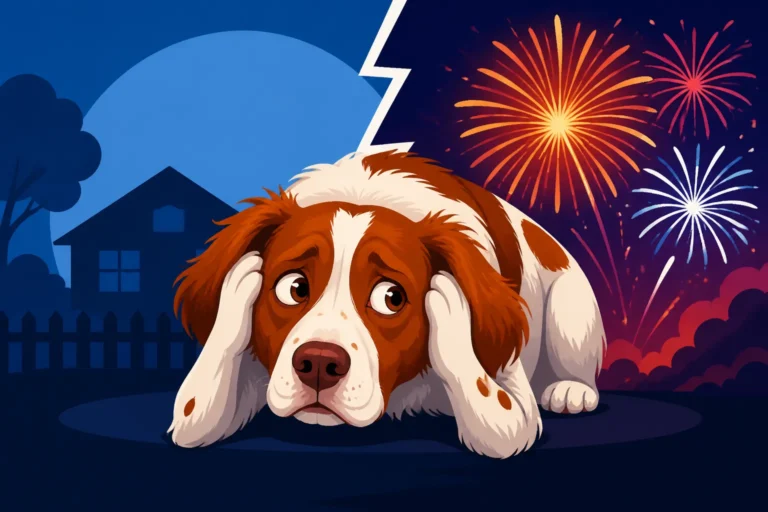
A confident dog is a biddable dog. Early and varied socialization is vital for a French Brittany, just as it is for any breed, but it particularly helps build a foundation for a calm, responsive hunting dog. Expose your puppy to different environments, sounds, people, and other dogs in a positive way. This includes introducing them to bird fields, open woods, and even the sounds of distant gunshots (gradually and from a safe distance, of course). A well-socialized dog is less likely to be distracted or spooked in the field, allowing them to focus on their work and on you. A shy or anxious dog, conversely, might range too far out of fear or become difficult to handle. Whether a Brittany Puppy Should Be Socialized Heavily A steady, confident temperament is a cornerstone of a reliable close-working hunter.
Essential Tools for Communication and Control
Even with a naturally biddable French Brittany, having the right tools for communication and control is vital for safety and effective training. A long check cord, readily available on Amazon, is indispensable for teaching range and recall in a controlled environment. It allows your dog to explore but keeps them safely connected to you. A good whistle is another invaluable tool, offering a consistent and distinct sound for recall or to change direction, especially useful when your voice might not carry. While the French Brittany's close-working nature often reduces the need for constant e-collar intervention, a properly fitted and introduced e-collar can be a valuable safety net for emergency recall in truly open or unfamiliar territory. It should always be a tool for communication and reinforcement, never for punishment. The goal is to build such a strong bond and understanding that these tools become secondary to your dog's inherent desire to work with you. Whether a Brittany Needs an E Collar at All
Living with a French Brittany as a Walking Hunter
Beyond their performance in the field, a French Brittany's temperament and physical characteristics make them wonderful companions off-season, fitting seamlessly into the lifestyle of an active walking hunter. Their adaptability ensures they're not just a hunting machine, but a cherished member of the family.
Energy Levels and Daily Exercise Needs
While bred for endurance in the field, French Brittanys are not hyperactive dogs that constantly bounce off the walls, provided their exercise needs are met. For a walking hunter, this is excellent news. They thrive on daily walks, hikes, and off-leash exploration in safe areas. A good hour or two of vigorous exercise daily, which might naturally align with your own walking routine, often suffices to keep them happy and fit during the off-season. This makes them a perfect match for someone who enjoys an active outdoor lifestyle beyond just hunting trips. They are truly versatile companions who can transition from an intense morning in the grouse woods to a relaxed evening by the fireplace. How Much Exercise a Brittany Needs Off Season
Temperament and Companionship Beyond the Field
The French Brittany is renowned not only for its hunting prowess but also for its exceptional temperament as a companion. They are famously affectionate, often described as "velcro" dogs who love to be near their people. This makes them incredibly enjoyable to live with, whether they're curled up at your feet while you read or accompanying you on daily errands. They are generally good-natured with children and can coexist peacefully with other pets, provided they are properly socialized. This loving, devoted nature makes them more than just a hunting tool; they become a true member of the family, eager to share every aspect of your life. Their desire to be with you is just as strong at home as it is in the field, forging a deep, lifelong bond. Whether a Brittany Is Clingy Like a Vizsla
French Brittany vs. American Brittany for the Walking Hunter
It's worth noting the distinction, as the term "Brittany" in North America often refers to the American Brittany, which diverged in breeding goals over decades. While both are fantastic dogs, the American Brittany was largely developed for wider ranging in more expansive landscapes, suited for hunters covering ground on horseback or those preferring a very big-running dog. The French Brittany, or Epagneul Breton, maintained its original standard emphasizing a closer working style.
Here's a quick comparison to illustrate the differences for a walking hunter:
| Feature | French Brittany (Epagneul Breton) | American Brittany |
|---|---|---|
| Typical Range | 30-60 yards (close to medium) | 60-200+ yards (medium to wide) |
| Pace | Methodical, energetic but controlled | Fast, covers ground quickly |
| Biddability | High, eager to please, sensitive | High, but can be more independent in range |
| Ideal Hunter | Walking hunter, foot hunter, dense cover | Horseback hunter, open country, fast walkers |
| Build | Slightly more compact, sturdier | Often leggier, more athletic appearance |
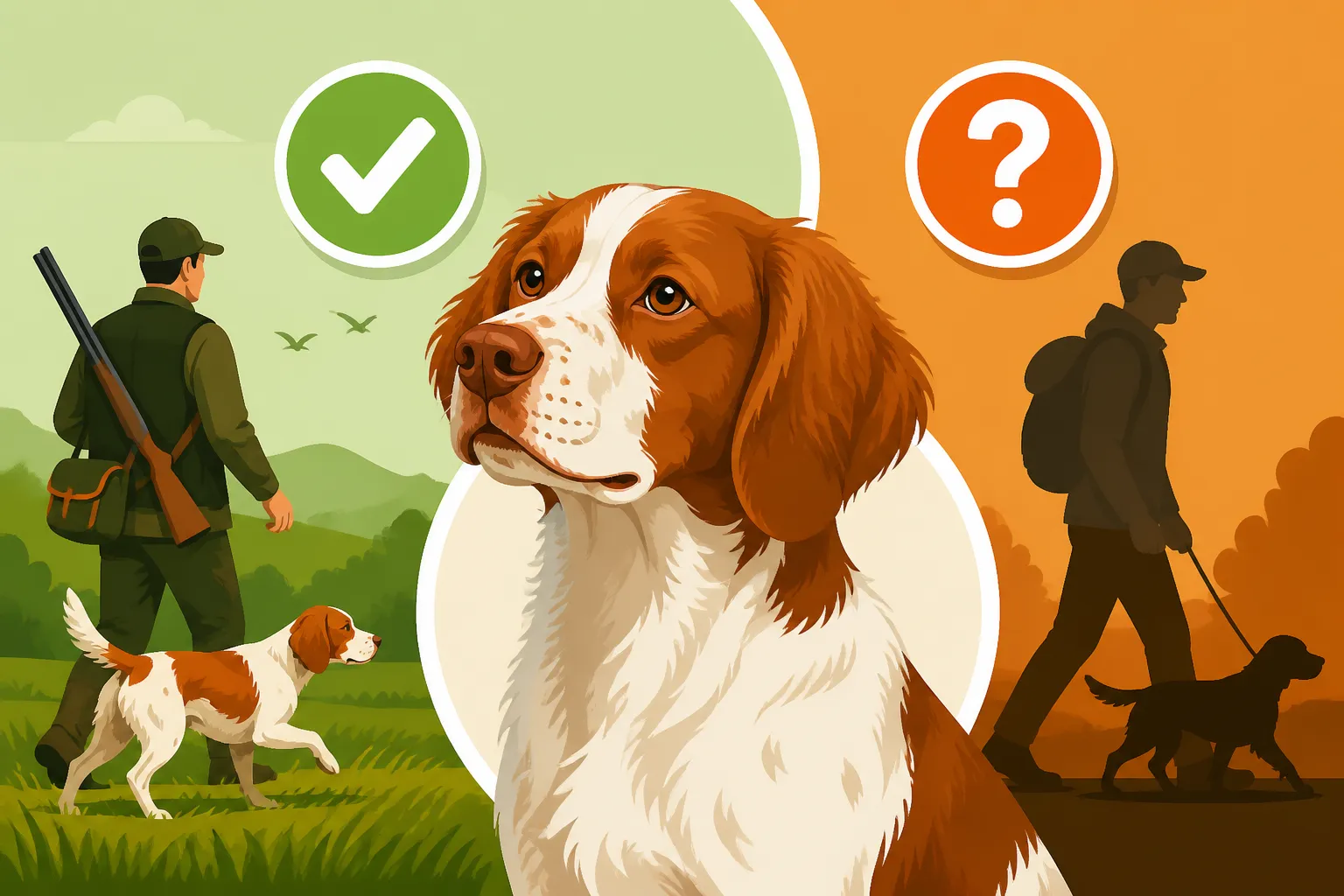
For a walking hunter who prioritizes a dog that stays close, frequently checks in, and is a joy to manage on foot without needing vast open spaces, the French Brittany is generally the more suitable choice. They embody the historical purpose of a bird dog that truly hunts with its human partner. An American Brittany Ranges Wide and a French One Stays Close The French Brittany offers a hunting experience that is collaborative and deeply satisfying for those who prefer to traverse the landscape on their own two feet.
Disclaimer
This article is for general informational purposes only and does not constitute professional advice. Laws, prices and regulations vary by location and change over time. Consult a qualified professional for guidance on your specific situation.