Signs a Brittany Puppy Is Shy
Bringing home a Brittany puppy is such an exciting time, full of dreams of adventures in the field and cozy evenings by the fire. But sometimes, you might notice your little bundle of orange and white fur isn't quite as boisterous or outgoing as you expected. It's truly disheartening to see a puppy retreat or cower, and it leaves you wondering if something is wrong. This guide aims to help you recognize the subtle and overt signs that your Brittany puppy might be leaning towards shyness, and what you can do to help them build confidence.
Distinguishing Normal Puppy Stages from True Shyness
It’s easy to confuse normal puppy jitters with genuine shyness, especially if you're a new dog owner or accustomed to more rambunctious breeds. Every puppy goes through developmental phases, some of which involve heightened sensitivity or caution. Understanding these stages is the first step in assessing your Brittany's behavior accurately.
The "Fear Periods" and Developmental Stages
Puppies, much like human children, don't develop in a straight line. They have distinct growth spurts and phases, and among these are what are often called "fear periods." There's typically a period around 8-10 weeks of age, right around when many puppies go to their new homes, where they might suddenly become more wary of new experiences or people. This is a natural evolutionary response, helping them learn caution in a vulnerable stage. Another significant fear period can occur during adolescence, usually between 6 and 14 months, as they mature and their hormones start to shift.
During these times, your normally confident Brittany puppy might suddenly flinch at a loud noise, or hesitate to approach a friendly stranger they've met before. They might stick closer to you, or react with a startled jump to something that previously didn't bother them. It's crucial not to inadvertently reinforce this fear by coddling them excessively or, conversely, by forcing them into situations they find overwhelming. The goal is gentle reassurance and continued positive exposure, recognizing that these are temporary, but impactful, windows of development. Understanding these natural periods helps you approach their behavior with empathy rather than immediate concern that you have a "shy" dog.
Typical Brittany Temperament: Outgoing vs. Reserved
Brittanys are generally known for their lively, intelligent, and eager-to-please dispositions. They're often described as enthusiastic, friendly, and quite biddable, with a strong desire to be involved in family activities. They are typically quite social and enjoy interaction with both people and other dogs. This inherent temperament is a huge part of What a Brittany's temperament is really like. However, even within a breed known for its outgoing nature, there's a spectrum. Some Brittanys will naturally be the life of the party, rushing to greet every new person, while others might be a bit more reserved, preferring to observe from a slight distance before deciding to engage.
A reserved Brittany isn't necessarily shy. They might simply be more thoughtful, taking in their surroundings before committing to an interaction. The key difference lies in their comfort level once they've assessed the situation. A reserved Brittany will eventually relax and engage, perhaps a little more slowly than their boisterous siblings, but with genuine curiosity. A truly shy Brittany, on the other hand, might remain withdrawn, exhibit avoidance behaviors, or even show signs of anxiety long after the initial introduction. It’s about the underlying emotional state and how they recover, not just the initial reaction.
Observable Signs of a Shy Brittany Puppy
When you're trying to figure out if your Brittany puppy is genuinely shy, pay close attention to their body language and how they react to various stimuli. These aren't always dramatic displays; sometimes the most telling signs are quite subtle.
Subtle Cues in Body Language
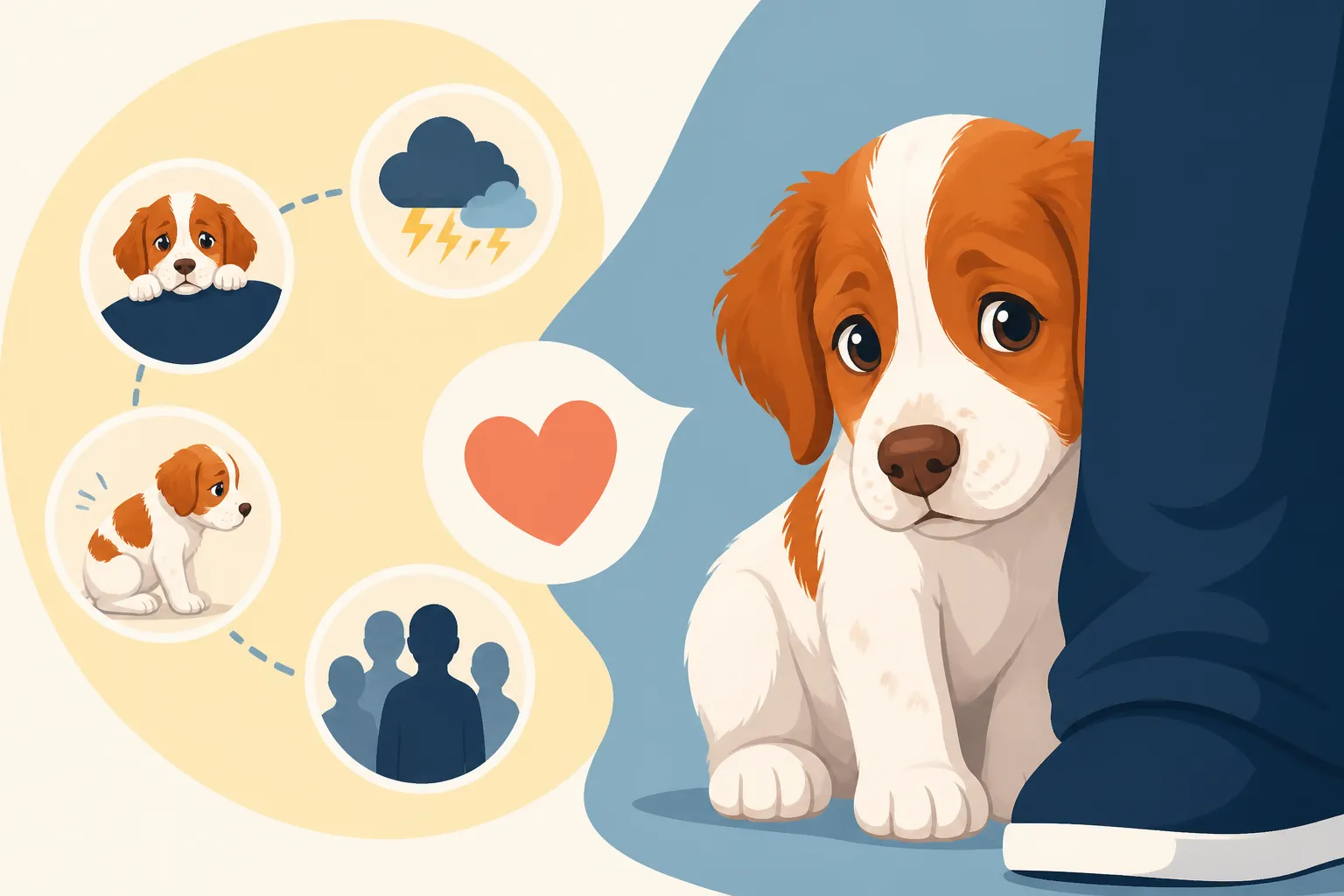
A shy Brittany puppy often communicates its discomfort long before it vocalizes or tries to escape. Learning to read these subtle cues is invaluable. You might notice your puppy:
- Lip licking or yawning: These are often "calming signals" indicating stress or discomfort, even when no food or tiredness is present.
- Averted gaze or "whale eye": The puppy might turn their head away, avoiding direct eye contact, or show the whites of their eyes (whale eye) while looking sideways at something that makes them uneasy.
- Low body posture: They might hunch their back, tuck their tail tightly between their legs, or even try to make themselves smaller by crouching low to the ground.
- Trembling or shivering: Even in a warm environment, a shy puppy might tremble, especially if approached by a stranger or introduced to a new noise.
- Excessive shedding or panting: These can be physiological stress responses. If your puppy is panting heavily but hasn't been exercising, or you notice more hair coming off than usual during a stressful encounter, it's a red flag.
- Stiffening or freezing: Instead of running away, some shy puppies will simply freeze in place, becoming rigid and still, hoping that if they don't move, the perceived threat will pass.
Imagine a scenario: you've invited a new friend over. Your Brittany puppy, instead of bounding over, might slowly back up behind your legs, licking its lips repeatedly and watching the newcomer from the corner of its eye, its tail tucked low. This isn't just polite; it's a clear sign of unease. Recognizing these early signals allows you to intervene gently, before the puppy feels overwhelmed. Whether a Brittany reads your mood is very true, and your calm, confident demeanor can help alleviate their stress.
Reaction to New People and Situations
This is often where shyness becomes most evident. A confident Brittany puppy will typically approach new people with wagging tail and an eager sniff, perhaps a playful nip or a bouncy greeting. A shy puppy, however, will display quite different behavior. They might:
- Retreat or hide: Instead of approaching, they might actively try to get away, seeking refuge under furniture, behind your legs, or in another room.
- Barking or growling from a distance: This isn't necessarily aggression, but often a "keep away" signal born out of fear. They're trying to make themselves seem bigger or scarier because they feel vulnerable.
- Refusal to take treats: Even high-value treats might be ignored if the puppy is too stressed or fearful to eat in the presence of something new.
- Urinating or defecating: In extreme cases of fear, particularly in very young or sensitive puppies, they might lose bladder or bowel control as an involuntary stress response. This is called submissive urination and is a clear indicator of extreme discomfort.
- Avoidance of touch: If a new person tries to pet them, they might flinch, pull away sharply, or duck their head.
Consider a walk in the park where you encounter a friendly jogger. A shy Brittany might immediately pull back on the leash, trying to disappear into your side, or even let out a small, nervous growl if the jogger speaks directly to them. This isn't about being "naughty," but about feeling threatened and overwhelmed. Providing opportunities for your puppy to meet new people in a controlled and positive way is crucial for Whether a Brittany puppy should be socialized heavily.
Interaction with Other Dogs and Animals
Socialization isn't just about people; it's also about comfortable interactions with other animals. A shy Brittany puppy might struggle in a dog park or even with a well-meaning neighbor's dog. Look for these signs:
- Excessive sniffing from a distance: While all dogs sniff, a shy puppy might spend an inordinate amount of time sniffing the ground or objects around another dog, using it as a displacement behavior to avoid direct interaction.
- Cowering or trying to hide behind you: Similar to their reaction to people, they might use you as a shield from other dogs.
- Avoiding play invitations: If another dog tries to initiate play by bowing or wagging its tail, a shy puppy might ignore it, turn its back, or even run away.
- Overly submissive postures: Rolling onto their back and exposing their belly might seem friendly, but if it's done excessively, immediately upon seeing another dog, and accompanied by a tucked tail or urination, it's a sign of extreme submission and fear, not playfulness.
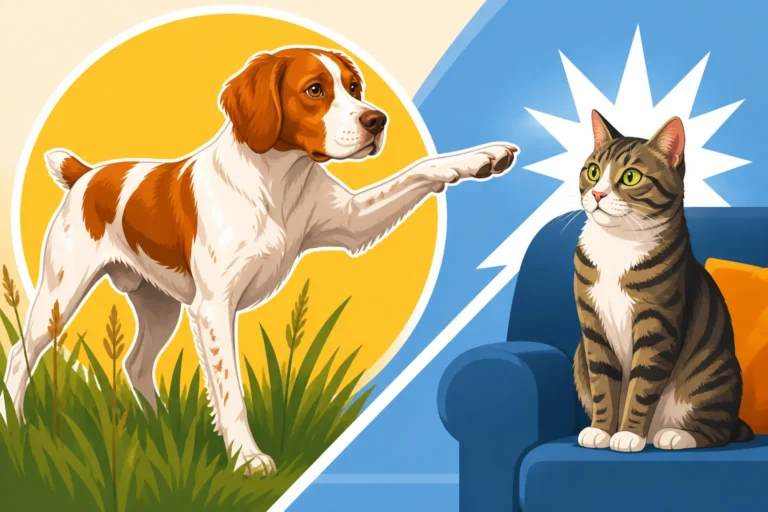
- Stiff body language around cats or other small animals: Instead of curiosity, they might exhibit rigid posture, wide eyes, and a reluctance to move, indicating apprehension rather than predatory interest.
For example, if you take your Brittany puppy to a reputable puppy class, and they consistently stand at the edge of the group, refusing to engage with the playful puppies, or constantly seeking solace under a chair, it suggests shyness. A well-run puppy class should foster positive experiences, and if your puppy isn't thriving there, it's a sign. Whether a Brittany should live with another dog or Whether two Brittanys are easier than one can also depend heavily on the individual dog's temperament and confidence.
Environmental and Early Life Factors Contributing to Shyness
It's natural to wonder why a puppy might be shy. Often, it's a combination of genetics and environmental factors, especially during critical developmental windows. A puppy's early experiences, or lack thereof, can profoundly shape its worldview.
The Impact of Early Socialization
The period from roughly 3 to 16 weeks of age is a crucial socialization window for puppies. During this time, they are most open to new experiences, sights, sounds, people, and other friendly dogs. Positive exposure to a wide variety of these stimuli helps them build confidence and view the world as a safe and interesting place. If a Brittany puppy misses out on this vital period, perhaps due to being kept in isolation, having a nervous mother, or living in a quiet environment without much variety, they are at a much higher risk of developing shyness or fear-based behaviors later on.
A puppy that hasn't seen children, heard traffic noises, met various friendly strangers, or played appropriately with other puppies during this time can find these everyday occurrences genuinely terrifying. Their brain simply hasn't developed the neural pathways to process these as normal parts of life. Even a short period of negative experience during this sensitive time can have a lasting impact; for example, a rough interaction with an overly boisterous dog could make them wary of all dogs. This is why good breeders emphasize early, gentle exposure and why puppy classes are so highly recommended. A lack of proper socialization can be a significant factor in Whether a shy Brittany grows out of it – it's less about "growing out" and more about active intervention.
Overwhelm and Sensory Overload
Sometimes, it's not a lack of exposure, but an overload of it, or exposure that is too intense, that can lead to shyness. Imagine a puppy, barely eight weeks old, being taken to a bustling street fair, or a loud, crowded dog park on its first outing. For a sensitive Brittany puppy, this can be incredibly overwhelming. They don't have the coping mechanisms to process so much new information all at once, and their natural instinct might be to shut down or panic. This can create negative associations, teaching them that new experiences are scary and to be avoided.
Signs of sensory overload often mirror signs of shyness: excessive panting, lip licking, cowering, trying to hide, or even snapping out of fear. It's important to introduce new things gradually, in a controlled and positive manner, always allowing the puppy to approach at their own pace and retreat if needed. Short, positive experiences are far more valuable than long, overwhelming ones. For instance, rather than throwing them into a noisy household, introduce new sounds via YouTube or recordings at a low volume, gradually increasing it as they show comfort. This mindful approach helps prevent a puppy from becoming timid or exhibiting behaviors like Whether a Brittany gets separation anxiety due to underlying insecurity.
Steps to Help a Shy Brittany Puppy Build Confidence
If you suspect your Brittany puppy is shy, don't despair! There's a lot you can do to help them develop into a confident, well-adjusted companion. It takes patience, consistency, and a deep understanding of positive reinforcement.
Creating a Safe and Predictable Environment
A shy puppy thrives on predictability and a sense of security. Their world can feel like a big, scary place, so your primary goal is to make their immediate surroundings a haven. This means:
- Establish a routine: Consistent feeding times, potty breaks, play sessions, and rest periods help a puppy understand what to expect, reducing anxiety.
- Provide a safe den: A comfortable crate or dog bed in a quiet corner of the house serves as their personal sanctuary. This is where they can retreat when feeling overwhelmed, and it should always be a positive, never a punitive, space. You can find excellent, durable crates and comfy beds on Amazon.
- Control interactions: Don't let every visitor rush up to your puppy. Politely ask guests to ignore the puppy initially, letting the puppy approach them on their own terms. If the puppy is willing to approach, ask guests to offer a gentle scratch under the chin rather than reaching over the head, which can be perceived as threatening.
- Avoid forcing interactions: Never drag a shy puppy towards something or someone new. This only increases their fear and breaks their trust in you. Let them observe from a distance, rewarding any brave steps they take forward.
Remember, your home should be the place where your Brittany feels most secure. If they feel safe with you, they're more likely to venture out and explore the world with growing confidence. The Brittany is the softest of the pointing breeds, meaning harshness or force will only exacerbate their shyness.
Gentle Exposure and Positive Reinforcement
Building confidence in a shy puppy is a marathon, not a sprint. It requires careful, gradual exposure to new things, always paired with positive experiences. This technique is often called desensitization and counter-conditioning.
- Start small and at a distance: If your puppy is afraid of new people, start by having a friend sit quietly in a chair across the room, far enough away that your puppy doesn't show signs of stress. Reward your puppy with high-value treats (like small pieces of cooked chicken or cheese) simply for existing calmly in the same room. As they become comfortable, the friend can gradually move closer over many sessions.
- Pair scary things with good things: If your puppy is afraid of certain noises (e.g., the vacuum cleaner), play the sound at a very low volume while simultaneously feeding them their favorite treats or engaging in a fun game. Gradually increase the volume over time, always staying below the threshold where your puppy shows fear.
- Enroll in positive-reinforcement training: A good puppy class focused on positive methods, rather than harsh corrections, can be incredibly beneficial. It provides structured, positive socialization opportunities. Programs like BAXTER & Bella offer online resources that guide you through socialization exercises at home, which can be perfect for a puppy too shy for a traditional class initially. They offer step-by-step guidance on how to introduce new experiences in a safe way.
- Use long lines for exploration: In a safe, enclosed outdoor area, a long line (15-30 feet) allows your puppy to explore new scents and textures at their own pace while still giving you control and the ability to intervene if they get into trouble or become too fearful. This can be purchased on Amazon.
When practicing gentle exposure, always watch your puppy for those subtle signs of stress mentioned earlier. If you see them, you've gone too far, too fast. Retreat to a comfortable distance and try again later, taking smaller steps. The goal is to create positive associations, so every new experience needs to end on a high note. How long a Brittany remembers a bad session is a reminder that one negative experience can undo weeks of progress.
When to Seek Professional Guidance
While much can be done at home, there are times when professional help is truly invaluable. If your Brittany puppy's shyness is severe, doesn't improve with your efforts, or escalates into fear-based aggression (growling, snapping, biting when cornered), it's time to bring in the experts.
- Consult your veterinarian: Rule out any underlying medical conditions that might be contributing to your puppy's anxiety or pain. Sometimes, discomfort can manifest as shyness or irritability. Your vet can also recommend appropriate behavior professionals.
- Certified professional dog trainer (CPDT-KA): Look for a trainer who specializes in positive reinforcement and fear-based behaviors. Avoid any trainer who advocates for dominance theory, harsh corrections, or "flooding" a puppy with fear. A good trainer can provide personalized strategies and help you interpret your puppy's body language more effectively.
- Veterinary behaviorist (DACVB): This is a veterinarian who has specialized in animal behavior. They are qualified to diagnose and treat behavioral disorders, including severe anxiety and phobias, and can prescribe medication if necessary to help manage extreme fear while behavioral modification is implemented.
Don't wait until the problem becomes entrenched. Early intervention is key for shy puppies. A professional can provide an objective assessment and tailored plan, offering invaluable support on your journey to helping your Brittany puppy blossom.
| Behavior Trait | Confident/Curious Puppy | Shy/Fearful Puppy |
|---|---|---|
| Approach to New People | Wagging tail, eager sniffing, bouncy greeting | Retreats, hides, observes from a distance, barks from afar |
| Body Language | Loose, relaxed, high tail wag, direct eye contact | Tucked tail, lowered body, averted gaze, lip licking, yawning |
| Interaction with Dogs | Initiates play, responds to play bows, appropriate sniffing | Avoids eye contact, excessive sniffing ground, ignores play bids |
| Reaction to Loud Noises | Brief startle, quick recovery, curiosity | Jumps, trembles, seeks cover, prolonged anxiety |
| Taking Treats | Eagerly accepts treats in most situations | Refuses treats when stressed, difficulty focusing on food |
| Exploration of New Places | Head held high, sniffs around, investigates | Clings to owner, hesitant movement, stays close to known areas |
Understanding the difference between a naturally reserved temperament and true shyness is crucial for any Brittany owner. With patience, understanding, and consistent positive reinforcement, most shy Brittany puppies can learn to navigate the world with greater confidence and joy, growing into the wonderful, enthusiastic companions they are meant to be.
Disclaimer
This article is for general informational purposes only and does not constitute professional advice. Laws, prices and regulations vary by location and change over time. Consult a qualified professional for guidance on your specific situation.