How Long a Brittany Remembers a Bad Session
It's a moment every dog owner dreads: a training session that goes completely off the rails. Maybe you lost your temper, or perhaps your Brittany had an unexpected negative reaction to something new, leaving both of you feeling frustrated, defeated, and worried about lasting damage. If you're wondering how long that "bad session" will stick in your Brittany's mind, you've come to the right place. This guide will delve into the Brittany's unique temperament and cognitive abilities to help you understand how they process negative experiences, how to recover, and most importantly, how to prevent them in the future.
The Brittany's Sensitive Nature and Memory
Brittanys are renowned for their intelligence, eagerness to please, and generally biddable nature. These traits make them fantastic partners in the field and wonderful companions at home. However, this same sensitivity that makes them so attuned to your wishes also means they can be deeply affected by negative experiences, sometimes more than other, harder breeds. It's a double-edged sword that requires a thoughtful approach to training.
Why Brittanys Are Prone to Remembering Negativity
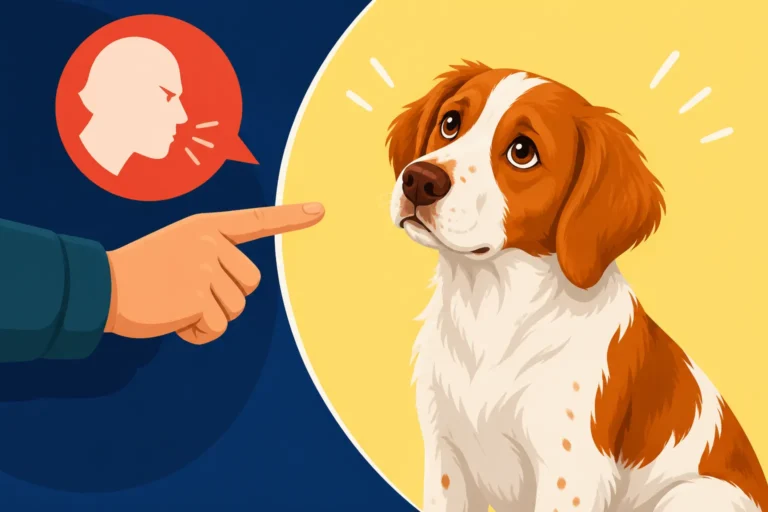
Our beloved Brittanys are often described as "soft" dogs, and this isn't a criticism, but rather a descriptor of their highly responsive and impressionable personalities. They absorb information, both good and bad, like sponges. A harsh word, a sudden loud noise that spooks them, or a physical correction that is too firm can resonate much longer than you might expect. For a breed so eager to work with you, a negative interaction can feel like a breach of trust. They don't just forget and move on; they process it, and it can shape their future reactions. If you've ever wondered Why a Brittany Is Called Soft, this sensitivity is a big part of it. It means that while they're fantastic to train with positive methods, they can also be easy to "ruin" if approached too roughly.
Think about it from their perspective. They live to please you, to be out there doing what they're bred for. When something goes wrong, and they perceive you as the source of discomfort or fear, it can create a strong, lasting association. This isn't them being stubborn or manipulative; it's a genuine emotional response. For example, if you introduce a gun too quickly and too loudly, your Brittany might develop gun shyness not just for that specific gun, but for all loud noises associated with hunting, even the sound of your truck starting up for a field trip. This deep emotional memory is why managing their experiences carefully is so crucial.
The Difference Between Forgetting and Forgiving
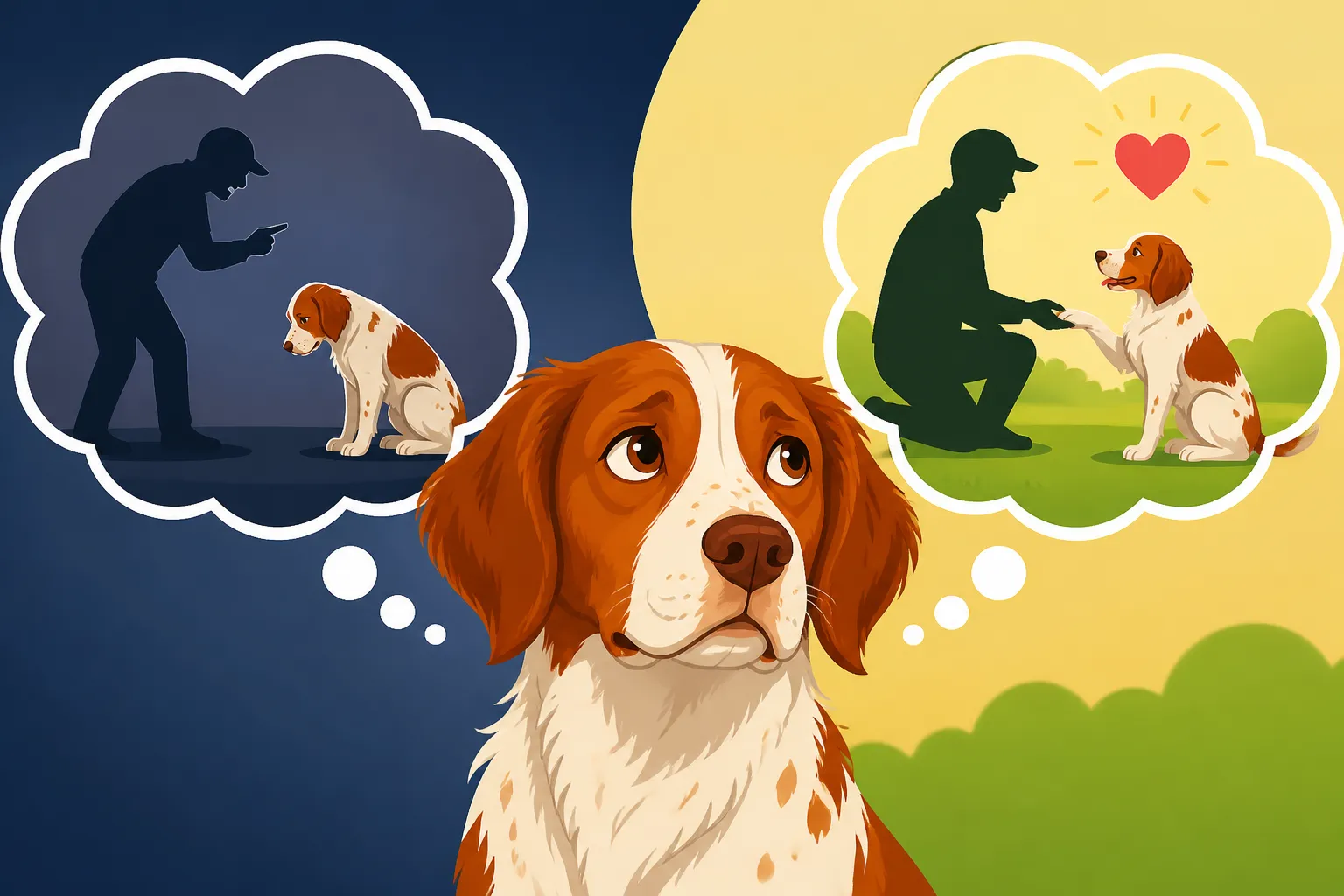
It's tempting to think that after a few days, your Brittany will have simply "forgotten" the bad session. While the immediate sting might fade, the memory of the event, particularly if it was traumatic or repeated, can linger as an underlying aversion or anxiety. Brittanys are intelligent enough to remember specific situations and environments. They might not consciously recall every detail, but their body language and hesitant behavior will tell you they haven't forgotten the feeling associated with that memory.
Instead, what we aim for is forgiveness and a re-establishment of trust. A Brittany might not forget that you once shouted at them, but they can forgive it through consistent, positive, and patient interactions afterwards. They learn to associate you with safety and positive reinforcement again. This process is about rebuilding their confidence in you as their leader and ensuring they feel secure enough to try again. If your Brittany seems distant or reserved after a negative interaction, it's not sulking in a human sense, but more likely a sign that they're processing discomfort or a feeling of being wronged. Understanding What a Brittany Does When It Is Corrected Too Hard can give you insight into their coping mechanisms. They might withdraw or become hesitant, which isn't the same as truly forgetting.
Factors Influencing Memory and Recovery Time
The duration and impact of a bad training session on your Brittany aren't a one-size-fits-all equation. Several factors play a significant role, ranging from the nature of the incident itself to your dog's individual personality and your subsequent actions.
Type and Severity of the Negative Experience
Not all bad sessions are created equal. There's a vast difference between a mildly frustrating session where your Brittany just wasn't "getting it" and you ended it a little exasperated, versus a truly traumatic event like an accidental injury, an overly harsh physical correction, or a terrifying experience with a loud noise.
- Mildly Negative Experiences: If it was a session where you felt impatient or gave a slightly sharper command than usual, your Brittany might pick up on your mood or tone, leading to a temporary dip in enthusiasm. They might be a bit more hesitant the next day, but with positive follow-up, this typically resolves quickly. These are often more about correcting our behavior as handlers.
- Harsh Corrections: A truly harsh verbal correction, like yelling, or an improper use of a training collar, can leave a more significant mark. Brittanys can be deeply affected by What Happens When You Shout at a Brittany; they often shut down, become worried, or even develop an aversion to the training setup itself. This can take days or even weeks of careful, positive work to undo.
- Traumatic Events: The most severe impact comes from traumatic experiences. An extreme example would be if your Brittany had an adverse reaction to its first gunshot, leading to severe gun shyness. How to Rebuild a Gun Shy Brittany is a long, slow process, demonstrating how deeply such fears can embed themselves. Similarly, a painful injury during training, or being truly terrified by something unexpected, can create phobias that require extensive desensitization and counter-conditioning, potentially taking months or even years to fully address.
The more intense the fear or pain associated with the event, the stronger the memory and the longer it will take to mitigate. Consistency in a negative approach, rather than isolated incidents, also compounds the problem, creating a generalized fear of training or even of you.
The Individual Brittany's Personality
Just like people, every Brittany is an individual with a unique temperament. Some Brittanys are naturally bolder, more resilient, and quicker to bounce back from minor setbacks. Others are inherently more sensitive, cautious, or anxious, and a negative experience will hit them much harder and linger longer.
- Genetics and Early Socialization: A Brittany's inherent temperament is partly genetic. A puppy from confident, well-adjusted parents, raised with excellent early socialization, is likely to have a stronger foundational confidence. Conversely, a puppy from shy parents or one that lacked proper socialization may be naturally more prone to anxiety and longer-lasting negative associations. If you notice Signs a Brittany Puppy Is Shy, addressing it early is crucial, as these traits can make them more vulnerable to training setbacks later on.
- Past Experiences: For rescue Brittanys, or those with previous owners, their past experiences are a huge factor. A dog that has endured neglect or harsh handling might carry those memories as a deep-seated distrust or fear, making recovery from any new negative experience much more challenging. They might already be on high alert, and even a mild correction could trigger past anxieties. Understanding their history, if possible, is vital.
- Overall Confidence Level: A Brittany with a strong foundation of positive training, good socialization, and a generally happy disposition will likely recover faster from a single bad session. Their overall confidence acts as a buffer. However, a dog that already lacks confidence or is generally anxious will be more deeply affected, and the recovery period will be extended. Whether a Brittany Reads Your Mood is also a factor here; if you're consistently anxious or frustrated, they will pick up on that and it can exacerbate their own anxieties, making recovery harder.
Your Reaction and Subsequent Training Approach
Perhaps the most crucial factor in determining how long a Brittany remembers a bad session, and how quickly they recover, is your reaction and the steps you take afterwards. You hold the key to rebuilding trust and reshaping their associations.
- Immediate Post-Session Actions: What you do right after a negative interaction can significantly influence its lasting impact. Did you end the session on a low note, or did you manage to squeeze in one easy, successful command and lavish praise, even if brief? Ending on a positive, no-pressure note helps to mitigate the negativity. Giving them space to decompress, perhaps a quiet walk or some cuddle time, can also help.
- Consistent Positive Reinforcement: This is paramount for recovery. If you continue with harsh methods, the negative memory will only deepen. You need to actively work to create new, overwhelmingly positive associations with training. This means using high-value treats, enthusiastic praise, and playful interactions. Focus on success and reward heavily. A structured online program, like the one offered by BAXTER & Bella, can provide excellent guidance on positive reinforcement methods, helping you to systematically rebuild trust and enthusiasm. They emphasize building a strong bond and positive habits from puppyhood, which is key to preventing deep-seated aversions.
- Patience and Understanding: Rushing the recovery process or getting frustrated when your Brittany is hesitant will only set you back further. Patience is a virtue when dealing with a sensitive breed. You need to understand that your Brittany isn't being stubborn; they are reacting from a place of memory and emotion. Celebrate small victories and be prepared for the process to take time, especially if the initial negative experience was severe. Over time, consistent positive interactions can help your Brittany to not necessarily forget the bad session, but to overcome it, replacing the negative association with a new, positive one. This requires dedication and a willingness to adjust your own approach.
| Factor | Impact on Memory & Recovery | Example Scenario |
|---|---|---|
| Severity of Event | More severe/traumatic events lead to stronger, longer-lasting negative memories. | A single harsh verbal correction vs. becoming gun-shy after a loud, unexpected shot. |
| Individual Temperament | Naturally sensitive/shy Brittanys are more deeply affected and take longer to recover. | A bold, confident Brittany might shrug off a minor mishap, while a timid one might become withdrawn. |
| Consistency of Negativity | Repeated negative interactions deepen the aversion and extend recovery time. | Occasional frustration vs. a handler who consistently uses harsh methods. |
| Owner's Reaction | Calm, understanding, and positive follow-up accelerates recovery; further frustration hinders it. | Ending a bad session with a gentle play session vs. putting the dog away in anger. |
| Rebuilding Efforts | Consistent positive reinforcement and trust-building gradually replaces negative associations. | Focused, fun training sessions with high rewards vs. ignoring the problem or continuing old habits. |
Strategies for Recovering from a Bad Session
It's easy to beat yourself up after a less-than-ideal training session. But dwelling on it won't help your Brittany. The most important thing is to take proactive steps to mend any damage and move forward positively. Recovery is absolutely possible, and often, it makes your bond even stronger.
Immediate Steps After a Negative Interaction
When a training session goes sour, your first priority is to prevent further damage and begin the repair work right away.
- Cool Down, for Both of You: If you lost your cool, take a deep breath. Your Brittany is highly attuned to your emotions. If you're still agitated, they'll pick up on it. Step away for a few minutes if you need to, allowing yourself to calm down. The same goes for your dog; if they're stressed, excited, or scared, trying to push through will only make things worse.
- End on an Easy Win: Even if the entire session felt like a failure, try to end it with one incredibly simple, no-fail command that your Brittany knows backward and forward. Ask for a "sit" or "down," and when they do it, praise them lavishly and give them their favorite treat. The goal isn't to fix the problem, but to create a final, positive memory for the session. This helps offset the bad taste and ensures the last interaction wasn't negative.
- Change the Environment: Get out of the specific training spot that might now hold negative associations. Go for a casual walk, play a game of fetch in the yard, or simply offer some gentle petting and reassurance on the couch. The idea is to break the negative thought pattern and show your Brittany that not all interactions, even after a tough moment, are difficult. This is about emotional reset, not further training.
You might find that your Brittany is a little reserved or seems to "sulk" after a hard session. Remember, Whether a Brittany Sulks is more about their sensitivity and processing emotions rather than intentional defiance. Giving them space and then rebuilding with positive, easy interactions is key.
Rebuilding Trust and Positive Associations
Once the immediate aftermath is handled, the real work of rebuilding trust and reshaping positive associations begins. This isn't a quick fix, but a consistent, patient effort.
- Return to Basics with a Twist: Go back to very easy, well-known commands. But this time, supercharge your rewards. Use the highest value treats your Brittany loves, or their absolute favorite toy. Make your praise enthusiastic and genuine. Keep sessions incredibly short – just 3-5 minutes – and always end on a high note. The goal is to make training feel like a fun game, not a chore or a source of pressure. For excellent resources on positive reinforcement and structured training, platforms like BAXTER & Bella offer comprehensive online puppy and dog training programs that emphasize building a strong, trust-based relationship, which is exactly what you need.
- Desensitization and Counter-Conditioning (If Applicable): If the bad session involved a specific trigger (e.g., a loud noise, a particular piece of equipment, or even a specific field location), you'll need to slowly reintroduce it in a positive way. Start at a distance where your Brittany isn't reacting negatively, and pair the trigger with high-value treats or play. Gradually decrease the distance or increase the intensity over many sessions, always staying below their threshold for fear or discomfort. For example, if your Brittany got tangled in a check cord and became scared of it, start by simply having the check cord on the ground while you play with them, slowly moving it closer, then briefly touching it to them, always rewarding calm behavior.
- Focus on Fun and Play: Sometimes, the best way to mend a relationship is through pure, unadulterated fun. Engage in activities your Brittany absolutely loves that have no pressure associated with them. A hike, a game of hide-and-seek, or even just some quality cuddle time can reinforce your bond and remind them that you are a source of joy and security. Consider incorporating new, engaging toys or puzzle feeders found on sites like Amazon, which can mentally stimulate your Brittany in a low-stress environment and further build positive associations.
- Consistency is Your Superpower: Sporadic efforts won't cut it. You need to be consistent in your positive approach every single day. Brittanys thrive on routine and clear expectations. If they see that you are reliably kind, patient, and rewarding, they will quickly regain their confidence and trust. Remember, Whether a Brittany Forgives a Mistake largely depends on your sustained commitment to positive interactions.
Knowing When to Seek Professional Help
There are times when a negative training experience can create issues that are too complex or deeply rooted for an owner to resolve on their own. This is not a failure on your part; it's recognizing when your Brittany needs specialized guidance.
- Persistent Fear or Aggression: If your Brittany exhibits prolonged fear (e.g., refusing to enter the training area, extreme trembling, refusing food) or, in rare cases, develops aggression (growling, snapping) after a bad session, it's a clear sign you need professional intervention. These behaviors indicate deep distress that requires an expert.
- Lack of Progress: You've been diligently working on rebuilding trust and positive associations for several weeks, but you're just not seeing significant improvement. Your Brittany remains hesitant, unwilling to engage, or continues to avoid the problematic trigger. This often means the problem is more ingrained, or your methods, though well-intentioned, aren't quite hitting the mark.
- Complex Issues Like Gun Shyness: As mentioned earlier, severe gun shyness can be incredibly challenging to overcome. A professional gun dog trainer experienced in rehabilitating fearful dogs will have the specialized knowledge and proven techniques to slowly and safely reintroduce sounds and environments, often employing very specific desensitization protocols. If you're struggling with this, finding an experienced mentor or pro is invaluable.
- Finding the Right Professional: Look for trainers who use positive reinforcement methods and have a deep understanding of canine behavior, particularly with sensitive sporting breeds like Brittanys. Avoid anyone who advocates for harsh physical corrections or dominance theory, as these approaches will only exacerbate the problem. A certified professional dog trainer (CPDT-KA) or a certified behaviorist (CBCC-KA) or even an experienced gun dog handler who prioritizes positive, force-free methods, would be excellent resources. They can assess your specific situation, pinpoint the underlying issues, and develop a tailored recovery plan.
Preventing Future Negative Experiences
The best defense against a bad training session is a good offense – by which I mean a thoughtful, positive, and proactive approach to training your Brittany from the very beginning.
Understanding Your Brittany's Limits
Brittanys are bright, but they aren't robots. They have their off days, their moments of distraction, and their learning curves. Pushing them too hard, too fast, or for too long is a surefire way to create frustration and potential negative associations.
- Keep Training Sessions Short and Sweet: This cannot be stressed enough, especially for puppies and young dogs. Brittanys have a decent attention span, but they learn best in short, focused bursts. Aim for 5-10 minute sessions, a few times a day, rather than one long, arduous hour. This keeps them engaged, enthusiastic, and prevents mental fatigue. Plus, you'll find they retain information better. You can read more about How Long a Brittany's Training Session Should Be for detailed guidance.
- Recognize Stress Signals: Learn to read your Brittany's body language. Signs of stress or discomfort include yawning, lip-licking, averting their gaze, panting excessively when not hot, low tail carriage, or stiffness in their body. If you see these signals, ease up. Take a break, switch to an easier command, or end the session. Pushing a stressed dog will only create negative memories and make them resent training.
- Avoid Over-Correction: Because Brittanys are so soft and eager to please, heavy-handed corrections are rarely necessary and often counterproductive. A firm but fair voice is usually all that's required for a verbal correction. If you're struggling with a behavior, instead of trying to "correct" it harder, step back and rethink your training plan. Could you manage the environment better? Could you teach an incompatible behavior? A Brittany owner needs to understand How Sensitive a Brittany Is to Correction to avoid causing undue stress or fear.
The Power of Positive Reinforcement
Positive reinforcement is not just a nice-to-have; it's the most effective and humane way to train a Brittany. It builds enthusiasm, strengthens your bond, and makes training a joy for both of you.
- Build Enthusiasm, Not Fear: When training is always associated with rewards, praise, and fun, your Brittany will want to participate. They'll look forward to sessions, knowing they're opportunities for treats, toys, and quality time with you. This creates a resilient, confident dog that is more likely to try new things and less likely to shut down when things get challenging. Using methods that punish or instill fear might get a quick result in some situations, but the long-term emotional cost to a Brittany is simply not worth it.
- Variety in Rewards: Don't just stick to one type of treat. Rotate between different high-value treats (cheese, cooked meat, peanut butter), favorite toys, enthusiastic praise, and even short bursts of playtime as rewards. This keeps your Brittany guessing and highly motivated. For field training, the opportunity to hunt or retrieve can be the ultimate reward.
- Catch Them Being Good: Don't just reward perfect performance. Look for opportunities to reward small steps in the right direction. If your Brittany offers a moment of calm during a difficult situation, reward it. If they glance at you for guidance, reward it. These tiny positive reinforcement moments build confidence and reinforce desired behaviors before a problem even arises. Whether a Brittany Suits a First Time Owner often comes down to the owner's commitment to patience and positive reinforcement.
Consistency and Patience Are Key
Training a Brittany, especially a gun dog, is a journey, not a destination. It requires an unwavering commitment to consistency and a deep well of patience.
- Daily, Short Sessions Outperform Infrequent Long Ones: A few minutes of focused training every day will yield far better results than one marathon session once a week. Daily interaction reinforces learning, keeps skills sharp, and maintains your Brittany's engagement. It also means that if one session isn't perfect, it's just a small blip in a consistent pattern of success.
- Set Realistic Expectations: Your Brittany won't learn everything overnight. Some concepts take longer than others, and there will be plateaus and regressions. Understand that this is normal. Celebrate progress, no matter how small, and don't get discouraged by setbacks. Every dog learns at its own pace.
- The Long Game in Training: For a breed like the Brittany, especially if you plan to hunt with them, training is a lifelong endeavor. It's about building a partnership based on mutual trust and understanding. By being consistent with your positive methods and patient through the inevitable bumps in the road, you'll not only prevent lasting negative memories but also foster a truly exceptional companion and hunting partner. After all, the ultimate goal is a dog that eagerly works alongside you, trusting your guidance implicitly, regardless of past imperfections.
Disclaimer
This article is for general informational purposes only and does not constitute professional advice. Laws, prices and regulations vary by location and change over time. Consult a qualified professional for guidance on your specific situation.