Teaching a Brittany to Hold Point Until You Arrive
One of the most rewarding sights for any bird dog owner is a Brittany spaniel locked on point, nose twitching, tail rigid, completely focused on the game hidden just yards away. But getting your enthusiastic, often bouncy Brittany to hold that point steadfastly until you arrive and give the command can feel like trying to nail jelly to a tree, especially when their natural inclination is to get right in there and flush. This guide is all about helping you understand your Brittany's instincts and providing a clear, step-by-step path to achieving that rock-solid, patient point every time.
Understanding the Brittany's Natural Pointing Instinct
Your Brittany was quite literally born to point. It's an ingrained behavior, a natural instinct passed down through generations. However, there's a big difference between a momentary "flash point" and a sustained, steady stand. Learning to harness and refine this instinct is key to a successful hunting partnership.
What "Point" Means for a Brittany
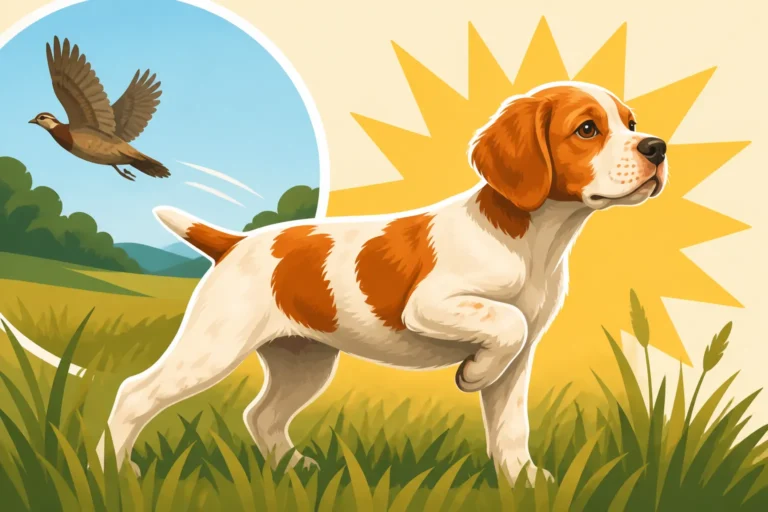
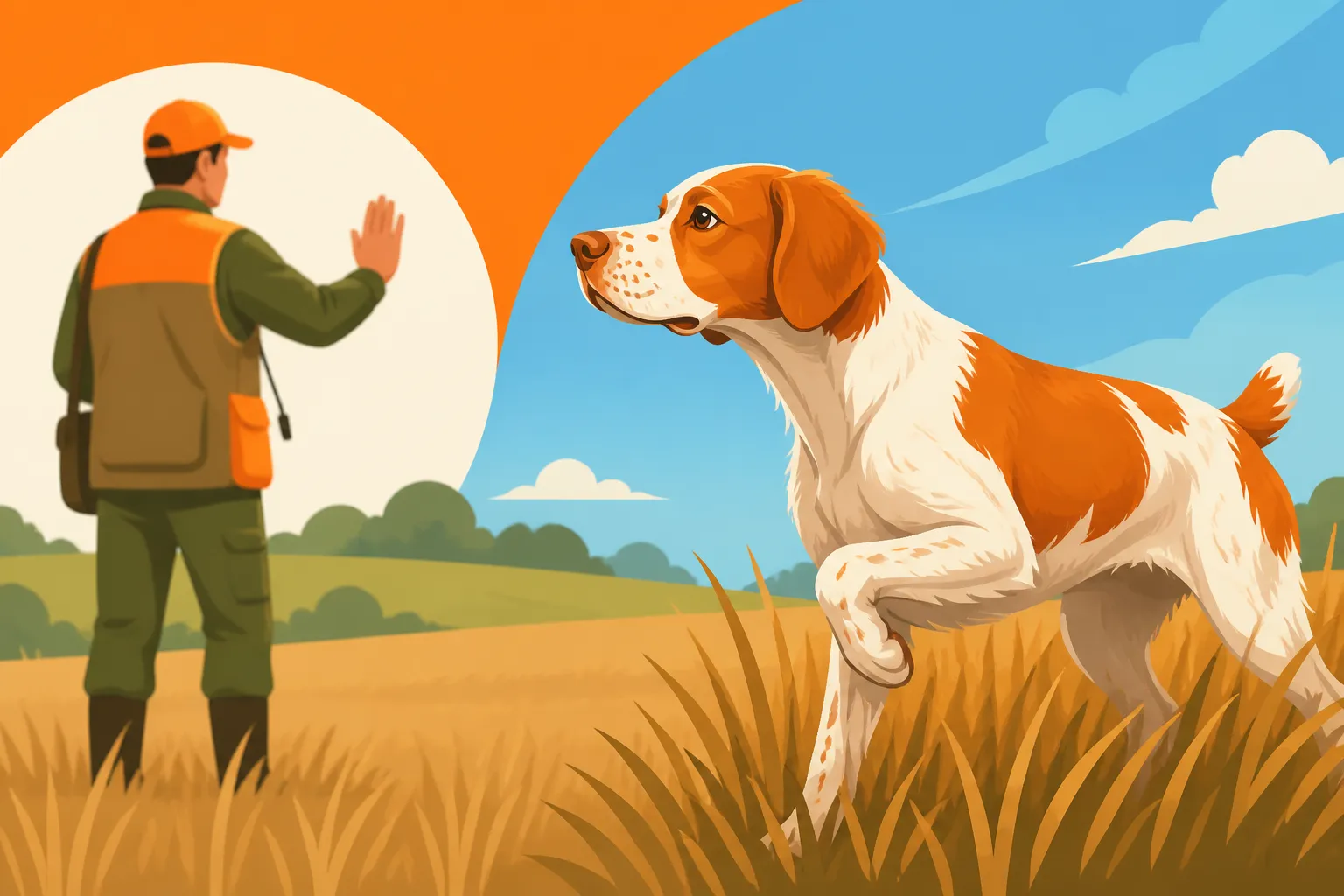
At its core, pointing is the dog's way of silently telling you, "Hey! Birds are right here!" It's a freeze response, a moment of intense concentration that geneticists believe is an interruption of the predator's chase sequence. For a Brittany, this usually manifests as standing motionless, head and nose directed towards the scent, one front leg often cocked, and the tail held high and stiff or slightly quivering with excitement. It’s a beautiful thing to witness.
What we want to achieve, though, is not just any point, but a reliable point that holds until you are in position. This means moving beyond the initial instinctual freeze to a conscious, trained hold. Your Brittany isn't just reacting; they're actively choosing to wait for you, understanding that this patience leads to the reward of the flush and retrieve. It's a sophisticated communication between dog and handler.
The Drive to Move vs. the Instinct to Hold
This is where the challenge often comes in. While the pointing instinct is strong, so is the prey drive – the urge to rush in, flush the bird, and give chase. Many young Brittanys, especially when first encountering live game, will flash point for a second, then immediately break and bust the birds. It’s not that they’re being disobedient; they’re simply following a more primitive, less refined instinct. Whether a Brittany Points Naturally is a good question to explore, as some dogs will show more natural inclination than others.
Our job as trainers is to help them understand that by holding the point, they are actually increasing their chances of a successful hunt, and yours. It's about teaching them that patience, not immediate gratification, is the ultimate key to unlocking those birds. This requires a delicate balance of encouragement and firm, consistent expectation. You're essentially asking them to override one powerful instinct with another, more refined one.
Recognizing Early Signs of Point
Even before your Brittany is fully trained, you'll start to see glimpses of their pointing prowess. A young puppy might point a butterfly, a falling leaf, or even a dust bunny in the house. In the field, look for a sudden halt in their stride, a raised head, and an intense focus in a particular direction. Their body language will shift from playful curiosity to laser-sharp concentration.
These early, often fleeting, points are incredibly important. They are opportunities to praise your dog and build positive associations with the act of pointing. Don't worry if they break quickly at first. Just acknowledge it, praise them, and perhaps gently guide them back to the area to reinforce the idea of scent. This positive reinforcement, even for a short point, lays the groundwork for the more advanced steadiness you'll be working towards. Remember, Brittanys are notoriously How Sensitive a Brittany Is to Correction, so positive methods work best.
Laying the Foundation: Obedience and Steadiness
Before you can expect your Brittany to hold a point like a seasoned pro, you need to establish a solid foundation of obedience. Steadiness, particularly on point, is an advanced application of basic commands like "whoa" and "stay," combined with excellent recall. Without these basics, you'll constantly be battling their natural exuberance.
The Critical "Whoa" Command
The "whoa" command is arguably the single most important tool in teaching a Brittany to hold point. It means "stop right there, freeze, and don't move a muscle until I release you." This isn't just about stopping; it's about steadiness. You want them to be able to stand completely still, even when a bird flushes or a gun goes off. This is a skill you'll want to teach long before any live birds are involved. You can read more about Teaching a Brittany Whoa for detailed steps on this crucial command.
Start teaching "whoa" on a leash, then graduate to a check cord. Walk with your dog, say "whoa" in a firm but calm voice, and gently apply upward pressure on the leash or cord to stop them. Praise them immediately when they stand still, even if it's just for a second. Gradually increase the duration they must hold the "whoa" before you release them with a word like "okay" or "free." Consistency is key here; "whoa" should always mean absolute stillness.
Building Control with a Check Cord
A long check cord is your best friend when teaching steadiness. It allows you to introduce distance and simulate field conditions while maintaining control. A 30-foot or even 50-foot cord, easily found on platforms like Amazon, gives your Brittany enough freedom to range a bit but ensures you can enforce the "whoa" command.
Once your Brittany is solid on "whoa" on a short leash, move to the check cord in an open field. Let them roam a bit, then give the "whoa" command. If they break, gently but firmly guide them back to the exact spot they were supposed to "whoa" and make them hold it. This teaches them that "whoa" applies regardless of what they're doing. The cord is not for jerking; it's a communication line to reinforce the command and prevent them from blowing past the lesson.
Introducing Live Birds in a Controlled Setting
When your Brittany has a reliable "whoa" on a check cord, it's time to introduce birds in a controlled environment. This usually means using training pigeons or quail in a bird launcher. The goal here is to pair the "whoa" command with the scent and sight of a bird, teaching them to hold that excitement.
Set up your launcher with a bird, walk your Brittany into the scent cone on a check cord, and as they get birdy and start to point, give your "whoa" command. If they move, correct them back to the spot. Praise heavily for holding. The ideal scenario is that they point, you give "whoa," they hold, you approach, release the bird with the launcher, and then release your dog for the retrieve (if you're teaching retrieve). This sequence reinforces that holding point is what makes the bird fly. Many people wonder When a Brittany Puppy Should Meet Its First Bird; typically, this phase begins once basic obedience is solid, often around 6-12 months of age, depending on the individual dog.
The Art of Steadiness: Extending the Point
Once your Brittany understands the concept of holding "whoa" around birds, the next step is to extend that hold and make it reliable in increasingly distracting situations. This moves beyond basic compliance to true steadiness, where the dog maintains its composure even with intense bird scent.
Gradual Introduction to Pressure
You can't expect a Brittany to hold point for five minutes on the first try. You need to build up the duration and distraction gradually. Start by asking for just a few seconds, then release and praise. Slowly increase the time, working up to where you can walk around your dog, approach the bird, and even pause for a moment before the flush.
Another form of pressure is environmental distraction. Begin in quiet, controlled fields, then move to areas with more natural cover, wind, or other scents. Each new challenge is an opportunity to reinforce the "whoa" and build confidence in your dog's ability to hold steady. Remember that Brittanys thrive on success, so set them up to win more often than not during this phase.
Encouraging Patience and Focus
Patience is a virtue, both for you and your Brittany. To encourage this, consider using a pointing dummy or even a frozen bird planted in the grass. This allows your dog to find the "bird" and point it without the immediate excitement of a live flush. You can then walk in, praise them, and reward them for their patience.
Some trainers use a "steadying stake" or a post with a short lead to physically keep the dog in place while they develop the mental discipline. While I prefer to avoid physical restraints once the initial "whoa" is understood, for some dogs, a brief period with a steadying stake can help reinforce the feeling of being locked down on point. The goal is always for the dog to choose to hold, not just be forced to.
Troubleshooting Common Pointing Challenges
Even with the best intentions, you might run into some common issues. Here’s a quick overview of what often trips people up:
| Challenge | Description | Common Cause | Solution |
|---|---|---|---|
| Creeping | Dog slowly moves forward while on point. | Overexcitement, anticipation of flush, insufficient "whoa" | Re-establish firm "whoa" command. Use check cord. Practice backing dog up. |
| Bumping Birds | Dog flushes bird before handler arrives. | Lack of "whoa" control, too much prey drive, impatience | Go back to controlled bird work with check cord. Prevent premature flushes. |
| Breaking Point | Dog completely leaves point and chases a flushed bird. | Poor recall, lack of steadiness to wing/shot | Reinforce "whoa" heavily. Work on steady to wing and shot separately. |
| False Pointing | Dog points scent that isn't a bird (e.g., old scent, rabbit). | Inexperience, over-eagerness | More exposure to live birds. Reward for true points only. |
| Lack of Enthusiasm | Dog doesn't show strong interest in pointing. | Too much pressure, poor bird exposure, genetic predisposition | Make bird work fun. Ensure birds are strong flyers. Consider different birds. |
Consistency in your commands and expectations is paramount. If you let them get away with creeping one day, they'll try it again tomorrow.
Integrating the Gun and Handler Presence
The ultimate goal of teaching a Brittany to hold point is to allow the handler to walk in, flush the bird, and take the shot. This requires not only a steady dog but one that is comfortable with all aspects of the hunting environment, including the sound of the gun and the process of the handler moving in.
Moving to the Dog on Point
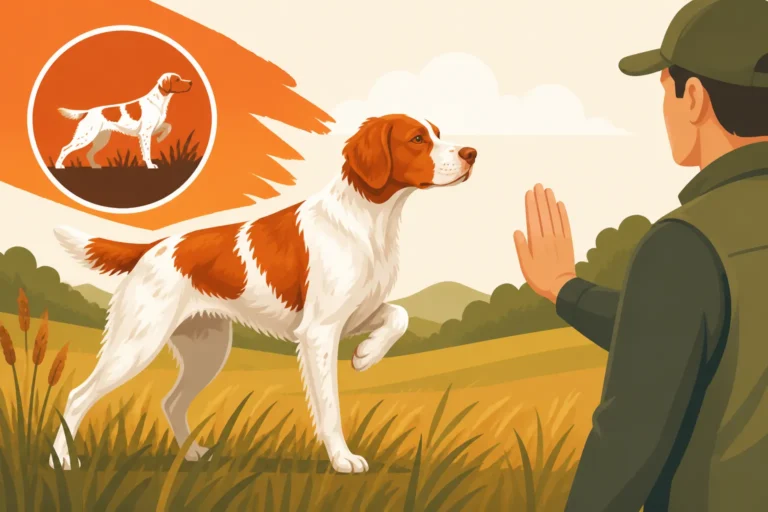
When your Brittany locks on point in the field, your approach should be calm, deliberate, and consistent. Walk directly to your dog, praising them quietly for holding. Avoid rushing or yelling, as this can break their concentration or make them nervous. As you approach, you're reinforcing the idea that you are part of this process, and your presence signals that the action is about to happen, but not yet.
Some handlers like to walk past their dog, circle around, or even give a gentle pat. The key is to have a routine that your dog learns to expect. This predictable behavior from you helps them maintain their steadiness, as they know what comes next. Take your time; the bird isn't going anywhere if your Brittany is holding it tight.
The Release Command and Flush
Once you are in position, and you've given your Brittany praise for holding, you'll need to decide on your flush method. You can kick up the bird yourself, or you can give your dog a specific release command, like "get in" or "flush," to send them in to put the bird into the air. If you're hunting with a partner, they might walk in for the flush. The choice is yours, but again, consistency is critical.
After the bird flushes, your dog should remain steady. This is known as "steady to wing." They should not break point and chase. If they do, they need more work on the check cord in controlled bird scenarios. Only after the shot is fired, and ideally the bird is down, should you give a retrieve command, if that's part of your program.
Maintaining Steadiness Through Shot and Fall
This is the peak of steadiness training. Your Brittany needs to hold point as the bird flushes, remain still as the shot is fired ("steady to shot"), and even hold still as the bird falls to the ground ("steady to fall"). This level of control requires a significant amount of training and a very composed dog. You can explore Teaching a Brittany Steady to Shot in more detail.
Start introducing gunshots far away from your dog, gradually decreasing the distance over many sessions. Pair the gun sound with positive experiences, never corrections. For dogs that are naturally soft, like many Brittanys, gun introduction needs to be handled with extreme care to avoid creating a Signs a Brittany Is Becoming Gun Shy. A good resource for understanding proper gun introduction techniques and avoiding gun shyness is provided by trainers like those at BAXTER & Bella, who often emphasize positive, gradual exposure in their online puppy programs. Once the dog is comfortable with the gun, practice the steady to wing, shot, and fall sequence with controlled bird flushes. Many Brittanys are natural retrievers, but teaching them to wait for the command after the shot is crucial for safety and successful hunting.
Common Pitfalls and Advanced Considerations
As you progress in your Brittany's training, you'll encounter nuanced situations and perhaps some setbacks. Understanding these challenges and knowing how to adapt your approach will lead to a more polished, reliable hunting partner.
Avoiding "Creeping" and Bumping Birds
Creeping, where a dog slowly advances on point, is a common issue that undermines steadiness. It often happens because the dog is either too excited, anticipates the flush, or hasn't fully internalized the "whoa" command to mean absolute stillness. To combat creeping, you must immediately correct the behavior. If your dog creeps, gently but firmly put them back exactly where they were initially, make them "whoa," and hold it longer. This tells them that moving forward actually delays the reward, not speeds it up.
Bumping birds (flushing them prematurely) is another big problem. This usually means the dog's prey drive is overriding their training. Go back to basics: put the dog on a long check cord with a bird in a launcher. As they point, enforce "whoa." If they move, they do not get the flush or the retrieve. This takes patience, but it teaches them that you control the flush. Over time, they'll learn that a steady point is rewarded, and breaking point is not.
The Role of E-Collars in Reinforcement
E-collars, or electronic collars, can be a valuable tool for reinforcing steadiness, especially at a distance or in high-distraction environments. However, they are never a substitute for foundational training. The e-collar should only be used to reinforce commands your Brittany already understands, never to teach a new concept. Whether a Brittany Needs an E Collar is a question many owners ponder, and the answer is often found in how consistently and correctly it's applied.
When using an e-collar for steadiness, start with very low levels of stimulation, just enough to get your dog's attention. Pair the stimulation with your "whoa" command and a gentle pull on a check cord initially, so the dog understands the correlation. Over time, you can use the e-collar to "nick" your dog if they break point or creep, followed by your verbal "whoa." The goal is for the dog to associate the sensation with the command, not with punishment, and to choose to comply to avoid the stimulation. Always introduce e-collars with the guidance of an experienced trainer.
Field Scenarios and Real-World Application
Once your Brittany is performing well in controlled environments, it's time to test their skills in real hunting scenarios. This is where all your hard work comes together. Start with planted birds in a field that simulates hunting conditions, then move to wild birds. Each successful point, hold, flush, and shot will build your dog's confidence and solidify their training.
Be prepared for setbacks. Wild birds behave differently than planted birds, scent conditions vary, and there will be more distractions. When your dog makes a mistake, don't get angry. Instead, calmly assess what went wrong and go back to a more controlled setting to reinforce that specific lesson. Remember, your Brittany wants to please you, and they thrive on a positive, encouraging training environment. How Biddable a Brittany Is often depends on the consistent, fair approach of their handler.
Teaching a Brittany to hold point until you arrive is a journey, not a destination. It requires patience, consistency, and a deep understanding of your dog's natural instincts. But the reward – a reliable, steady hunting partner who works seamlessly with you in the field – is truly priceless.
Disclaimer
This article is for general informational purposes only and does not constitute professional advice. Laws, prices and regulations vary by location and change over time. Consult a qualified professional for guidance on your specific situation.