How Long a Brittany’s Training Session Should Be
It's a common dilemma we all face as Brittany owners: you know your spirited companion needs training, but how much is too much? You want to make progress, teach them good manners, and prepare them for the field, but you're also acutely aware of their boundless energy and sometimes fleeting attention span. The truth is, getting the session length just right is crucial for success, preventing frustration for both you and your dog, and ensuring that training remains a joyful and productive experience. This guide will walk you through how to tailor your Brittany's training sessions to their age, personality, and the specific goals you have, helping you build a strong, positive foundation for a lifetime of learning.
Understanding the Brittany's Unique Learning Style
Brittanys are truly special dogs, known for their incredible athleticism and sharp minds. But their unique blend of intelligence and sensitivity means that their learning style isn't always a "one size fits all" approach. Understanding these core traits is the first step to crafting effective training sessions.
The Brittany's Intelligence and Sensitivity
Our Brittanys are intelligent creatures, often quick to pick up new commands and problem-solve. This is a huge asset in training, as they genuinely enjoy engaging their minds. However, this intelligence is often paired with a remarkable sensitivity. They are known as a "soft" breed, meaning they respond far better to gentle guidance and positive reinforcement than to harsh corrections or heavy-handed methods. If you raise your voice too often or use physical reprimands, you risk shutting down their desire to work with you. A Brittany can quickly become timid or reluctant if training feels like a scolding session. This is why many experienced Brittany owners will tell you Why a Brittany Is Called Soft – it's not a weakness, but a trait that requires a different, more nuanced approach to training.
Because they are so sensitive, a negative training experience can stick with them. They're not dogs that just "shake it off." If a session becomes too long, too frustrating, or too harsh, your Brittany might remember that feeling and approach future sessions with apprehension. We want them to associate training with fun, rewards, and connection, not with stress or confusion. Their willingness to please is immense, but it can be easily dampened if they feel misunderstood or pressured.
High Energy and Attention Spans
Anyone who lives with a Brittany knows they are bundles of energy. They were bred to cover ground all day, tirelessly searching for birds. This incredible drive means they have a lot of physical stamina, but it doesn't always translate to a long attention span for structured, repetitive tasks, especially when they're young. They're always looking for the next exciting thing, and holding their focus in one spot can be a challenge. How Much Exercise a Brittany Needs Off Season is a great example of this; they thrive on activity.
Their high energy can sometimes manifest as a short attention span in formal training settings. While they might be able to run for hours, sitting still and focusing on "sit" or "stay" for more than a few minutes can be a real mental hurdle, particularly for puppies and adolescents. They get bored easily if tasks are too repetitive or if they aren't seeing a clear reward. This doesn't mean they aren't smart enough; it simply means their minds are constantly seeking stimulation, and they need training to be dynamic and engaging to hold their interest. Shorter, more frequent sessions that incorporate movement and variety often yield much better results than trying to force them to focus for extended periods.
Optimal Training Session Lengths for Different Stages
Just like with human children, a Brittany's ability to focus and learn changes dramatically as they grow. What works for a bouncy puppy will likely bore or overwhelm an adult dog, and vice versa. Tailoring your session length to their age and developmental stage is key to fostering a positive learning experience.
Puppy Training: Short and Sweet Bursts
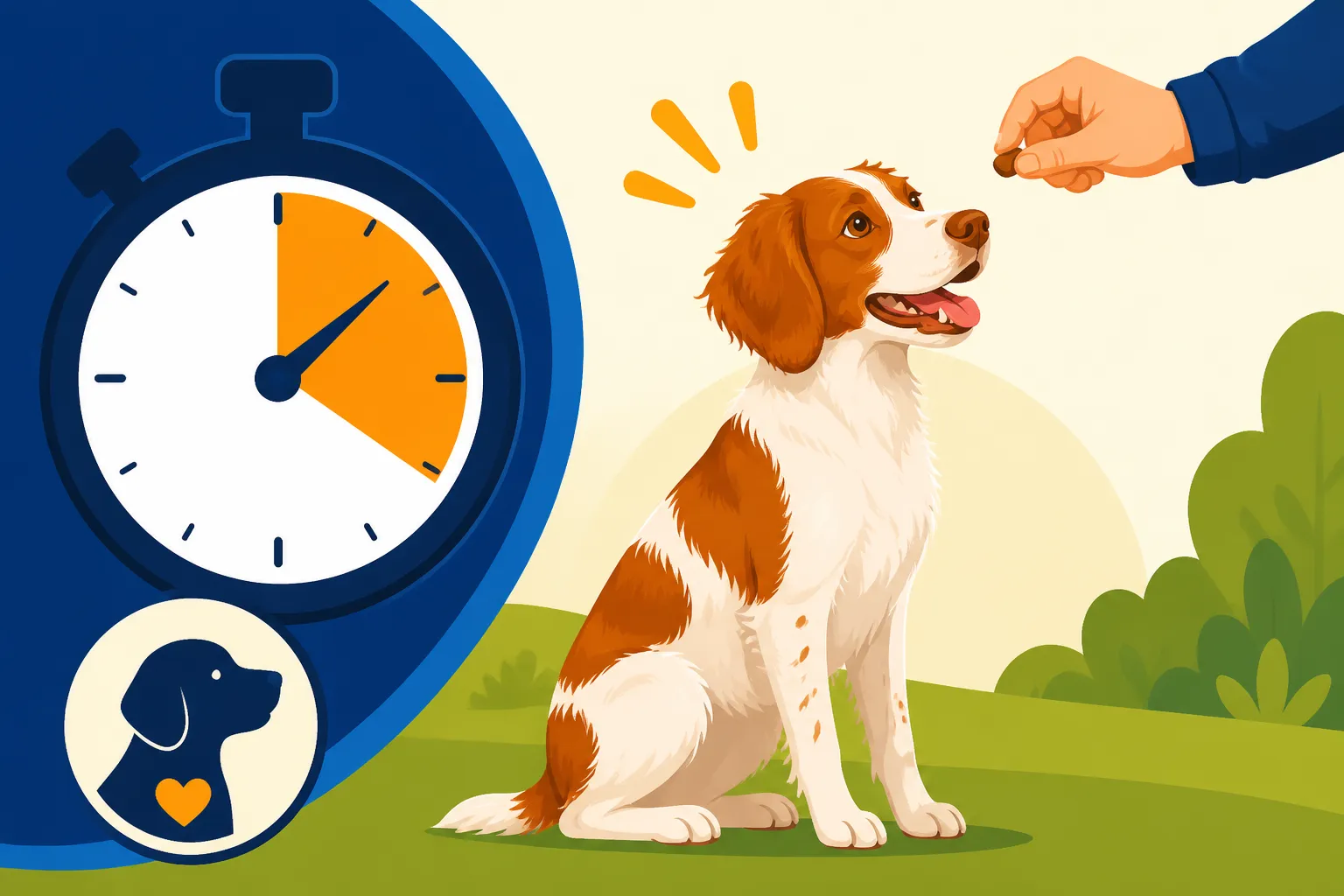
When you bring home that adorable Brittany puppy, their world is all about exploration, play, and naps. Their brains are sponges, soaking up everything, but their attention spans are incredibly fleeting. For puppies (typically 8 to 16 weeks old), training sessions should be remarkably short. Think 2 to 5 minutes, perhaps even less if you notice them losing interest. These aren't long, formal lessons; they're quick, fun interactions. You might do one minute of "sit," one minute of "come," and then release them to play or nap. The goal here is to introduce concepts, build positive associations with you and training, and prevent them from getting bored or frustrated.
These micro-sessions can happen multiple times a day—five or six times is not too many! The repetition of positive experiences is what builds muscle memory and understanding. For example, during a 2-minute session, you might practice calling their name and rewarding them when they look at you, or teaching a very basic "sit." Then, you end it before they get bored, always on a successful note. This teaches them that training is fun and something to look forward to. Many owners find value in structured puppy classes to guide them through this stage; for example, Whether a Brittany Needs Puppy Class can provide excellent foundational socialization and basic obedience.
Adolescent Brittanys: Building Stamina and Focus
Ah, adolescence! This is the phase (roughly 4 to 18 months) where your Brittany might test boundaries, discover their vocal cords (How Much a Brittany Barks can increase with boredom!), and have an abundance of energy. Their physical and mental capabilities are growing, but so are distractions. You can start to gradually increase training sessions to about 5 to 10 minutes, perhaps two or three times a day. The key word here is gradually. Don't jump from 5 minutes to 20 overnight.
During adolescence, you're building on basic commands and introducing more complex ones, like "stay," "heel," or even beginning bird work. This is also the time to start working on focus in the presence of mild distractions. Because their hormones are kicking in and their world is expanding, they might be more easily distracted by sights, sounds, and smells. Keep it engaging with lots of rewards, varying your location, and mixing known commands with new challenges. It’s a delicate balance: you want to challenge them without overwhelming them, always aiming to end the session successfully.
Adult and Working Brittanys: Purpose-Driven Training
Once your Brittany reaches adulthood (typically after 18 months to 2 years), their attention span for specific tasks will have matured considerably. They understand the routine, they're more physically and mentally developed, and they can handle longer, more focused sessions, especially if it involves activities they love, like hunting. For an adult Brittany, a training session might range from 10 to 20 minutes for formal obedience or specific skill work. If you're working on something complex, like a multi-step retrieve or specific field commands, you might extend it to 20-30 minutes, broken up with short play breaks.
For working Brittanys, field training can naturally involve longer periods out in the field, but even then, specific drills should still be treated as focused, shorter tasks within that larger outing. For example, you might spend 15 minutes on quartering, then take a water break, then 15 minutes on steadiness to wing, and so on. They have the stamina, but their mental focus for intense learning still benefits from structured intervals. The goal for an adult Brittany is often to refine skills and generalize them across different environments. You're preparing them for things like What a Brittany Needs to Earn a Junior Hunter Title or maintaining their skills for hunting season. Even seasoned dogs benefit from variety and positive reinforcement to keep them sharp and eager.
| Age / Stage | Recommended Session Length | Frequency Per Day | Key Focus |
|---|---|---|---|
| Puppy (8-16 weeks) | 2-5 minutes | 5-8 times | Basic commands (sit, come, name recognition), potty training, socialization, building positive associations with training. Always end on a high note. |
| Adolescent (4-18 months) | 5-10 minutes | 2-3 times | Building on basics (stay, heel), introducing more complex skills, working with mild distractions, refining recall. Managing increasing energy and potential "teenage" rebellion. |
| Adult (18 months+) | 10-20 minutes | 1-2 times | Refining advanced obedience, specific field drills (pointing, retrieving), proofing commands in varied environments, maintaining learned skills. Can handle longer duration for desired behaviors. Field sessions may be longer overall, but still benefit from segmented drills. |
| Senior (10+ years) | 5-10 minutes | 1-2 times | Gentle mental engagement, maintaining cognitive function, reinforcing basic manners. Focus on comfort and positive interaction. Adjust for physical limitations or reduced stamina. |
Recognizing When Your Brittany Needs a Break
One of the most valuable skills a dog owner can develop is the ability to read their dog. Brittanys are incredibly expressive, and they'll give you plenty of signals when they're starting to get overwhelmed, tired, or simply need a mental break. Pushing past these signals can lead to frustration, mistakes, and a breakdown in the training relationship.
Signs of Mental Fatigue
Your Brittany might not verbally tell you they're tired, but their body language will speak volumes. When a Brittany is mentally fatigued, they'll often start displaying a range of subtle (and sometimes not-so-subtle) cues. One common sign is a sudden increase in sniffing or intense interest in their surroundings, often away from you. They might start yawning excessively, not because they're physically sleepy, but as a stress-relieving behavior. Another indicator is if they suddenly "forget" commands they knew perfectly just moments before, or start making repeated mistakes. They might look away, avoid eye contact, or offer displacement behaviors like scratching, licking paws, or shaking their body as if wet.
Sometimes, they might simply walk away, or offer a weak, half-hearted attempt at a command, clearly lacking the enthusiasm they started with. It's crucial to understand that these aren't signs of defiance or stubbornness; they're signs that their brain is overloaded, and they can no longer process information effectively. Continuing to push them when they're showing these signs can lead to frustration, not learning. It's like trying to make a child do complex math after they've been studying for hours – their brain just can't take it in anymore. Ending the session at this point, even if you haven't achieved your ultimate goal, is often the best course of action.
Physical Cues of Over-training
While mental fatigue is more common in training, physical cues can also emerge, especially if the training involves a lot of physical activity or if the dog is being asked to perform under stress. Beyond general tiredness like lying down or seeking shade, a Brittany might show signs of over-training physically through a general reluctance to move or engage. If you notice them pacing nervously, or their body language becomes stiff or hesitant when you ask for a known command, it might be a sign they're physically drained or just generally stressed by the duration or intensity of the session.
Excessive panting, especially if it's not hot or they haven't been running extensively, can also be a stress signal. Some Brittanys might start to whine or vocalize more (Whether a Brittany Whines in the Crate can be a related issue, often stemming from anxiety or frustration) if they feel overwhelmed. The key is to be proactive. Always aim to end your training session on a positive note, with your Brittany feeling successful and still wanting more. This means wrapping things up before these obvious signs of fatigue or stress appear. A good rule of thumb is to watch for the slightest hint of disengagement or error and take that as your cue to end the session, perhaps with a super easy command and a big reward, then transition to playtime or relaxation.
Structuring Effective Training Sessions
Knowing how long to train is only half the battle; how you structure those sessions is equally important. An effectively structured session keeps your Brittany engaged, motivated, and learning, maximizing the impact of every minute you spend together.
The Power of Positive Reinforcement and Play
Brittanys thrive on positive reinforcement. Their eager-to-please nature means they respond incredibly well to rewards like high-value treats, praise, and exciting play. When structuring your sessions, make positive reinforcement the cornerstone. Every correct response, no matter how small, should be acknowledged immediately. This "mark and reward" system (using a clicker or a verbal marker like "yes!") helps your Brittany understand exactly what they did right. Don't be shy with the treats in the early stages – they are your communication tools.
Integrating play throughout your training is also hugely beneficial. For a Brittany, a quick game of fetch, a tug session, or even just some energetic praise and petting can serve as a fantastic reward or a short, refreshing break. Ending a training session with a burst of play leaves your dog happy and eager for the next one. Companies like BAXTER & Bella, known for their online puppy training programs, heavily emphasize positive, reward-based methods, which align perfectly with the Brittany's sensitive and intelligent nature. These approaches ensure that training isn't just about commands, but about strengthening your bond and making learning enjoyable.
Varying Location, Distractions, and Skills
Imagine trying to learn to drive only in one parking lot – you'd be lost on the open road! The same applies to your Brittany. Once a command is solid in a quiet, familiar environment, it's time to generalize it. Varying your training location is crucial. Practice "sit" in the living room, then in the yard, then on a walk down the street, and eventually in a busy park. Each new environment adds a layer of distraction that your dog needs to learn to work through. Start small: a quiet corner of your yard, then near a mild distraction like a distant bird, before moving to truly challenging spots.
Similarly, vary the level of distractions. Begin with no distractions, then introduce very low-level ones (a family member walking by), and gradually build up to more significant distractions (other dogs, children playing). Always set your dog up for success, only increasing distractions when they're consistently performing well at the current level. Mix up the skills you practice within a session, too. Don't just drill "sit" twenty times. Alternate between "sit," "down," "come," and a bit of "stay." This keeps their mind active and prevents boredom. If you find your Brittany struggling with focus, go back to basics in a less distracting environment.
Incorporating Breaks and Mental Games
Even within a short, 10-minute training session, strategic breaks can be incredibly effective. A break doesn't mean stopping training entirely; it might mean a 30-second free sniff break, a quick run around the yard, or a moment to play with a favorite toy. These brief interruptions allow your Brittany to reset mentally, burn off a little excess energy, and come back to the task refreshed. Remember, their high drive means they need outlets for that energy, even during structured learning.
Beyond formal training sessions, incorporating mental games and puzzle toys throughout their day is invaluable. These activities challenge your Brittany's problem-solving skills and provide mental stimulation, which can be just as tiring as physical exercise. Items from stores like Amazon offer a wide variety of interactive toys and food puzzles that can keep your Brittany engaged and happy, especially on days when weather limits outdoor activity. A snuffle mat for their dinner, a KONG stuffed with treats, or a puzzle feeder all provide excellent mental workouts. This kind of "passive" training reinforces their natural intelligence and keeps them keen for more structured learning.
Common Mistakes and How to Avoid Them
Even with the best intentions, it's easy to fall into common training pitfalls that can hinder your Brittany's progress and even damage your relationship. Being aware of these mistakes can help you navigate the training journey more effectively.
Pushing Too Hard, Too Fast
One of the most frequent mistakes owners make, especially with eager-to-please breeds like the Brittany, is pushing too hard, too fast. We get excited when they learn something new quickly, and we're tempted to keep going, adding more commands or extending the session length. However, this often leads to a steep drop-off in performance, frustration for both of you, and can even make your Brittany reluctant to engage in future training. When a dog consistently makes mistakes because they're being pushed beyond their current capacity, they learn to fail, which is demotivating.
Trying to "cram" training, much like cramming for an exam, rarely leads to long-term retention. Brittanys are sensitive, and if they feel constant pressure or confusion, they can become withdrawn or even start to offer "avoidance" behaviors. It's much better to have many short, successful sessions than a few long, frustrating ones. Think of it as building a house brick by brick; each brick needs to be solid before you add the next layer. If you rush, the foundation will be weak. Remember that How Long a Brittany Remembers a Bad Session can be quite a while, especially if the experience was particularly negative or confusing for them. Always prioritize quality over quantity.
Lack of Consistency and Clear Communication
Imagine trying to follow rules that change every day, or when different people tell you different things. That's what it feels like to a dog when there's a lack of consistency in training. If "sit" means one thing to you and another to your partner, or if you only enforce a command sometimes, your Brittany will become confused. This makes learning much slower and can lead to selective hearing on their part. For a Brittany, who thrives on clear guidance, inconsistency is a recipe for frustration.
Clear communication is also vital. This means using consistent commands, hand signals, and rewards. Everyone in the household should be on the same page regarding training rules and expectations. For example, if "off" means don't jump on guests to one person, but another person allows jumping, your Brittany will learn that the rule is optional. Before starting any training, make sure all family members understand the commands, how to reward, and what the ultimate goal is. Brittanys are smart enough to figure out who enforces what, and they'll take advantage of any loopholes.
Ignoring the Brittany's Individual Personality
While there are general breed traits, every Brittany is an individual. Some might be bolder, some more timid, some highly food-motivated, others prefer toys or praise. Some Brittanys are incredibly "soft" and barely tolerate a raised voice, while others might be a bit more resilient. How Sensitive a Brittany Is to Correction can vary from dog to dog, even within the same litter. Trying to apply a generic training template without considering your specific dog's personality is another common error.
A shy Brittany might need more patience and a slower introduction to new environments or commands, while a very confident dog might thrive on more complex challenges sooner. Pay close attention to your dog's reactions. Are they excited when you grab the treat pouch? Do they perk up when you say a certain command? Do they shut down if you get frustrated? Tailor your approach, your rewards, and your session length to what motivates and encourages your Brittany. What works for one dog might not work for another, and being flexible and observant will yield far better results. This breed is known for being The Brittany Is the Pointing Breed You Can Live With, and adapting your training to their personality only strengthens that bond.
Training for Specific Skills: Field Work & Advanced Obedience
As your Brittany matures, your training goals might expand beyond basic manners to include specific skills, especially if you plan to hunt or participate in dog sports. While these advanced endeavors often require more time and dedication, the principles of effective session length and structure remain vital.
Field Training Considerations
Field training for a Brittany is a whole different ballgame compared to practicing "sit" in the living room. It often involves longer outings, covering vast amounts of ground, and working through distractions that are inherent to the natural environment. However, even within a multi-hour field session, it's crucial to break down the specific skills you're working on into manageable, focused segments. For instance, you might spend 15-20 minutes focused purely on quartering patterns, then take a water break, followed by 10-15 minutes on practicing "whoa" with planted birds. You might then transition to working on Teaching a Brittany Steady to Wing, which involves its own set of focused repetitions.
The intensity of field work means that both mental and physical fatigue can set in. Your Brittany's physical conditioning is paramount here; they need to be fit enough to sustain the activity. But even a supremely fit dog can become mentally drained from making countless decisions, processing new scents, and responding to commands in high-stimulus environments. Always ensure your dog gets adequate rest and hydration during and after field sessions. Avoid pushing them to the point of exhaustion or frustration, as this can create negative associations with the field. The goal is to build their stamina and skill gradually, ensuring they always view hunting and field work as an exciting, rewarding partnership with you. Also, remember the importance of their "check-ins" – How Often a Brittany Should Check In demonstrates their focus and connection with you even at a distance.
Advanced Obedience and Competition
If your ambitions extend to advanced obedience titles, rally, agility, or Canine Good Citizen (CGC) certification, you'll be building on the foundational skills learned earlier. These disciplines require precision, focus, and often a longer duration for specific behaviors. For example, a "stay" might need to last for minutes rather than seconds, or your dog might need to perform a complex sequence of commands. While the overall goal might be a longer duration, the training process still benefits immensely from short, focused intervals.
To build duration for a "stay," you start with a few seconds, reward, then a few more. Gradually, you increase the time, always ensuring success before adding more time or distance. If your Brittany breaks a stay, it means you've progressed too quickly. Similarly, for complex sequences, break them down into individual components, perfect each one, and then link them together in short, focused drills. You'll likely do several 10-15 minute sessions throughout the day, each dedicated to a different aspect of their advanced training. For instance, one session might focus on long-distance recall, while another targets precise heeling. Whether it's working towards What a Brittany Needs to Earn a Junior Hunter Title or a Canine Good Citizen certificate, the principle remains: short, positive, successful repetitions build mastery. Even in competitive environments, the aim is to keep the training joyful and engaging, fostering a dog that loves to work with you.
Conclusion
Finding the sweet spot for your Brittany's training session length is an ongoing conversation between you and your dog. It's about being observant, patient, and flexible, always prioritizing their mental and emotional well-being alongside their physical conditioning. By understanding their unique blend of intelligence and sensitivity, and by tailoring your approach to their age and the demands of the task, you can create a training routine that is not only effective but also deeply enriching for both of you. Remember, every successful, positive session, no matter how brief, strengthens your bond and builds a more confident, well-adjusted companion. It's not about how long you train, but how well you connect and communicate, making every moment count in your Brittany's incredible journey.
Disclaimer
This article is for general informational purposes only and does not constitute professional advice. Laws, prices and regulations vary by location and change over time. Consult a qualified professional for guidance on your specific situation.