What a Snake Bite Vaccine Costs for a Brittany
The thought of your spirited Brittany Spaniel encountering a venomous snake in the field is enough to send a shiver down any bird dog owner's spine. It's a terrifying scenario, and one that, unfortunately, many hunters or even rural homeowners face. This guide aims to shed some light on what a snake bite vaccine entails for your beloved companion, specifically focusing on the financial aspects and why it might be a worthwhile consideration for your active Brittany.
What is the Snake Bite Vaccine, and Why Consider It for Your Brittany?
Let's be honest, no one wants to think about their dog getting bitten by a snake. But for those of us with active Brittanys, especially if you live in or frequent areas where venomous snakes are common, it's a very real concern. The snake bite vaccine isn't a magical shield, but it offers a crucial layer of protection that can make a huge difference in an emergency.
Understanding the Threat: Why Brittanys are at Risk
Brittanys are natural-born adventurers. Their keen noses and boundless energy mean they're often plunging through tall grasses, dense cover, and rocky terrain—precisely the kind of places where snakes like to hide. Whether it's a rattler coiled under a sagebrush or a copperhead lurking near a fallen log, our dogs often stumble upon these dangers before we even see them. A Brittany's inquisitive nature, coupled with their hunting instincts, puts them at a higher risk compared to a leash-bound city dog. They’re bred to search and point, which can unfortunately lead them right into harm's way. The speed and intensity with which they work the field means they might not even register the threat until it's too late. It’s not just in the field either; even a backyard can harbor unexpected dangers if you live in an endemic area.
How the Vaccine Works: A Shield, Not a Cure
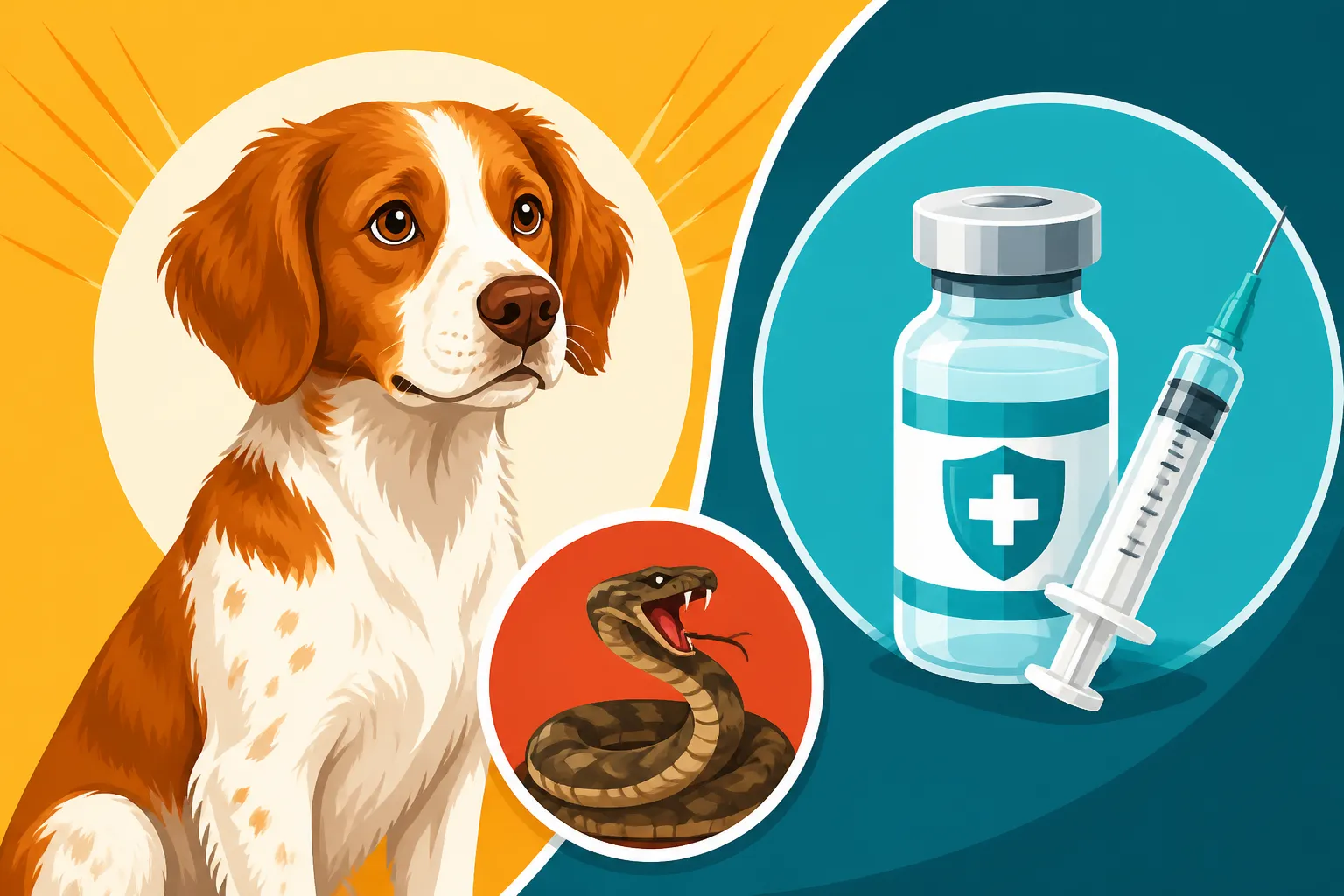
It's important to clarify that the snake bite vaccine isn't a preventative measure in the way, say, a rabies vaccine prevents rabies. Think of it more like an emergency buffer. This vaccine works by introducing inactivated venom components to your dog's system, allowing their body to produce antibodies. If your Brittany does get bitten, these antibodies can help neutralize some of the venom, buying precious time and potentially reducing the severity of the reaction. This means less tissue damage, a milder systemic response, and often, a better prognosis. It doesn't mean your dog won't need veterinary attention, but it can turn a critical, life-threatening situation into one that's still serious but more manageable. For dogs like Brittanys that are The Injuries a Brittany Picks Up in the Field, any tool that can mitigate those risks is worth exploring.
The Financial Reality: What to Expect for the Vaccine Itself
When you start looking into the snake bite vaccine for your Brittany, you'll quickly find that the cost isn't a fixed number you can just pluck from thin air. It varies quite a bit, much like the cost of other specialized veterinary services. It's not usually one of those standard shots given at every annual check-up, so it might require a specific appointment or discussion with your vet.
Beyond the Shot: Associated Veterinary Costs
The price you pay for the snake bite vaccine isn't just for the vial of serum. It typically includes the veterinary consultation fee for the visit itself. Some clinics might bundle this, while others will itemize it separately. There's also the administration fee for the actual injection. Your Brittany will need an initial series of two doses, usually spaced a few weeks apart, and then annual boosters. Each of these visits will incur costs. So, while the vaccine itself might have a particular price point, remember to factor in the full veterinary visit for each injection. It’s not just a quick stop; it’s a professional medical service. Many owners also consider other preventative measures during these visits, such as What a Brittany's Tick Prevention Costs a Year, which can add to the overall bill.
Geographical and Clinic Variations
Just like real estate or groceries, veterinary service costs aren't uniform across the board. Where you live plays a significant role in what you'll pay for the snake bite vaccine. Clinics in metropolitan areas with higher overheads might charge more than those in rural settings. Similarly, a specialty clinic with state-of-the-art equipment might have different pricing than a smaller, local practice. It’s always a good idea to call a few local veterinary offices and inquire about their pricing for the vaccine series and subsequent boosters. Don't be shy about asking for an itemized estimate. You might find that driving a little further to a different town could save you a noticeable amount over time, especially with a series of shots and yearly boosters.
Protecting Your Brittany: Vaccine vs. Emergency Treatment Costs
This is where the rubber meets the road. Investing in the snake bite vaccine is a proactive step, but many owners wonder if the cost truly justifies the benefit, especially when compared to the potentially staggering bills for emergency treatment after an actual bite. Let's look at this comparison.
The Price of a Bite: Emergency Care Expenses
A venomous snake bite is an emergency, plain and simple. If your Brittany gets bitten, you're not just looking at a vet visit; you're looking at emergency care, potentially hospitalization, pain management, antibiotics, and critically, antivenin. Antivenin is usually the most expensive component of treatment, and a dog the size of a Brittany might need multiple vials, depending on the snake species, the amount of venom injected, and the severity of the reaction.
The costs can quickly climb into the thousands. Consider the scenario: You're out hunting, and your Brittany comes back with a swollen muzzle or leg. A frantic drive to the nearest emergency veterinary clinic, diagnostic tests, overnight stays, and the antivenin itself. This is often an astronomical bill that hits you without warning. The vaccine, while an upfront cost, is generally a fraction of what a severe bite treatment can cost. As an owner, you want to be prepared, whether it’s with a well-stocked What a First Aid Kit for a Brittany Should Hold or preventative health measures. For a more detailed understanding of the emergency expenses, you might want to look into What Antivenin Costs If a Brittany Is Bitten.
Considering Pet Insurance
This is where pet insurance providers like Healthy Paws can truly make a difference. Many policies offer coverage for accidental injuries, which would include snake bites. While routine vaccinations, like the snake bite vaccine, might not always be covered by basic accident-only plans, the treatment for a snake bite definitely would be. Having pet insurance can turn a multi-thousand-dollar emergency into a manageable deductible and co-pay. Before you commit to any policy, it's vital to read the fine print regarding "preventative care" versus "accident treatment" and any exclusions for hunting-related incidents, although most reputable insurers understand that active dogs will encounter these risks. Investing in a good pet insurance plan can ease the financial burden if the worst happens, allowing you to focus on your Brittany's recovery rather than the bill. Knowing Whether Insurance Covers a Brittany's Hunting Injuries is critical for active dogs.
Here's a simplified comparison to help visualize the difference:
| Cost Factor | Snake Bite Vaccine (Preventative) | Emergency Snake Bite Treatment (Reactive) |
|---|---|---|
| Initial Investment | Moderate, spread over a few visits | Potentially very high, immediate |
| Ongoing Investment | Annual boosters, generally predictable | Unpredictable, can escalate rapidly |
| Vet Visits | Scheduled, routine checks | Emergency, often after-hours, specialized |
| Medications | Potentially none, or minor anti-inflammatory | Extensive (antivenin, pain meds, antibiotics) |
| Hospitalization | Not required for vaccine | Often required, possibly for days |
| Severity of Outcome | Mitigates severity, improves prognosis | Highly dependent on bite, can be fatal |
| Emotional Stress | Low, planned | Extremely high, immediate crisis |
When you're feeding your Brittany high-quality food, whether it's from a reputable brand you pick up at Chewy or a specialized subscription like Ollie, you're already investing in their long-term health. The snake bite vaccine can be seen as another layer of that comprehensive care, especially for a dog so driven by instinct to explore.
Is the Snake Bite Vaccine Right for Your Brittany?
Deciding whether to vaccinate your Brittany against snake bites is a personal choice, but it’s one that should be made with careful consideration of your lifestyle, your dog's activity levels, and your geographical location. There's no one-size-fits-all answer, but thinking through the pros and cons can help you reach the best decision for your family.
Weighing the Pros and Cons
On the "pro" side, the biggest advantage is peace of mind and the potential to save your Brittany's life or reduce severe suffering. If you regularly hunt in areas known for venomous snakes, live in a rural area, or even hike extensively with your dog, the vaccine offers a significant layer of protection. It can reduce the amount of antivenin needed, shorten recovery time, and lessen the risk of permanent tissue damage or secondary infections. For owners who are already mindful of their Brittany's well-being and might be considering Whether a Brittany Should Be Neutered Late or ensuring they get How Much a Brittany Should Drink on a Hunt, adding a snake bite vaccine fits right into that proactive care philosophy.
However, there are "cons" to consider. The vaccine isn't 100% effective and doesn't eliminate the need for immediate veterinary care after a bite. There's also the financial commitment of the initial series and annual boosters. Some dogs may experience mild vaccine reactions, such as lethargy, soreness at the injection site, or a low-grade fever, though serious reactions are uncommon. For a Brittany, the softest of the pointing breeds (The Brittany Is the Softest of the Pointing Breeds), any discomfort can be a concern, but typically, these reactions are minor and pass quickly.
Consulting Your Veterinarian
Ultimately, the best person to advise you on the snake bite vaccine is your veterinarian. They know your Brittany's medical history, your local area's snake population, and your dog's specific risks. During your annual wellness exam or a preseason check-up, bring up your concerns about snake bites. Your vet can discuss the prevalence of venomous snakes in your specific hunting grounds or backyard, explain the different types of venom and how the vaccine addresses them, and help you understand the potential benefits and risks tailored to your dog. They can also provide an accurate estimate of the costs involved, including the initial series and yearly boosters. Don't hesitate to ask all your questions, no matter how small they seem. A good conversation with your vet can provide clarity and confidence in your decision to either proceed with vaccination or explore other preventative strategies.
Disclaimer
This article is for general informational purposes only and does not constitute professional advice. Laws, prices and regulations vary by location and change over time. Consult a qualified professional for guidance on your specific situation.