What Removing a Foxtail From a Brittany’s Ear Costs
Finding a foxtail lodged in your beloved Brittany's ear canal can send a chill down any owner's spine. That tiny, barbed seed, designed by nature to burrow forward, can cause immense pain, serious infection, and potentially long-term damage if not removed promptly. This guide will walk you through the various costs associated with foxtail removal from a Brittany's ear, from initial vet visits to potential follow-up care, helping you prepare for this common yet troubling field hazard.
The Immediate Vet Visit: Assessment and Diagnosis Costs
When you suspect a foxtail in your Brittany's ear, the first step is always an emergency vet visit. This isn't something you can safely tackle at home with a pair of tweezers, especially with the delicate structures inside a dog's ear. The costs for this initial assessment can vary widely depending on your location, the time of day (emergency hours often incur higher fees), and the specific procedures needed to confirm the presence and location of the foxtail.
The Initial Examination Fee
Every vet visit starts with an examination fee. For a suspected foxtail, your veterinarian will conduct a thorough physical exam, paying close attention to your Brittany's ears. They'll look for signs of pain, redness, swelling, discharge, and any visible foreign bodies. Brittanys, with their beautiful drop ears and abundant feathering, are particularly susceptible to trapping these pesky seeds, which can easily slip past the outer ear flap and begin their relentless journey inward. The vet will use an otoscope to look deep into the ear canal, but a very painful or anxious dog, or one with a deeply embedded foxtail, might make a clear visual difficult.
Often, if a foxtail is suspected, the vet might also recommend some basic diagnostics right then and there. They might take a swab for cytology to check for infection, or even suggest an immediate pain medication or anti-inflammatory injection to make your dog more comfortable before proceeding with any removal attempts. These initial steps are crucial for understanding the severity of the situation and planning the next course of action. It's a foundational cost that sets the stage for everything else.
Sedation for a Thorough Ear Exam
Let's be real: a Brittany in pain can be squirmy, even with the most gentle touch. When a foxtail has started to irritate the sensitive ear canal, even a simple otoscopic examination can be excruciating for your dog. For this reason, many veterinarians will recommend light sedation to properly examine the ear. This isn't just for the vet's convenience; it's about making the process less traumatic for your Brittany and allowing for a much more thorough and safe examination.
Sedation costs can include the medication itself, the time for administration, and monitoring during the procedure. It's a necessary expense to ensure the vet can get a clear view, assess the extent of the damage, and confirm if a foxtail is truly present and where it's located. Without it, you risk a partial view, further injury from your dog struggling, or simply not finding the foxtail at all if it's hidden behind swelling or debris. This initial sedation often makes all the difference in a successful diagnosis and sets the stage for effective removal.
Foxtail Removal Procedures and Associated Costs
Once the foxtail is confirmed and its location is assessed, the vet will discuss removal options. The cost here will depend heavily on how deeply the foxtail has burrowed and whether it has caused any secondary complications.
Manual Removal Under Sedation
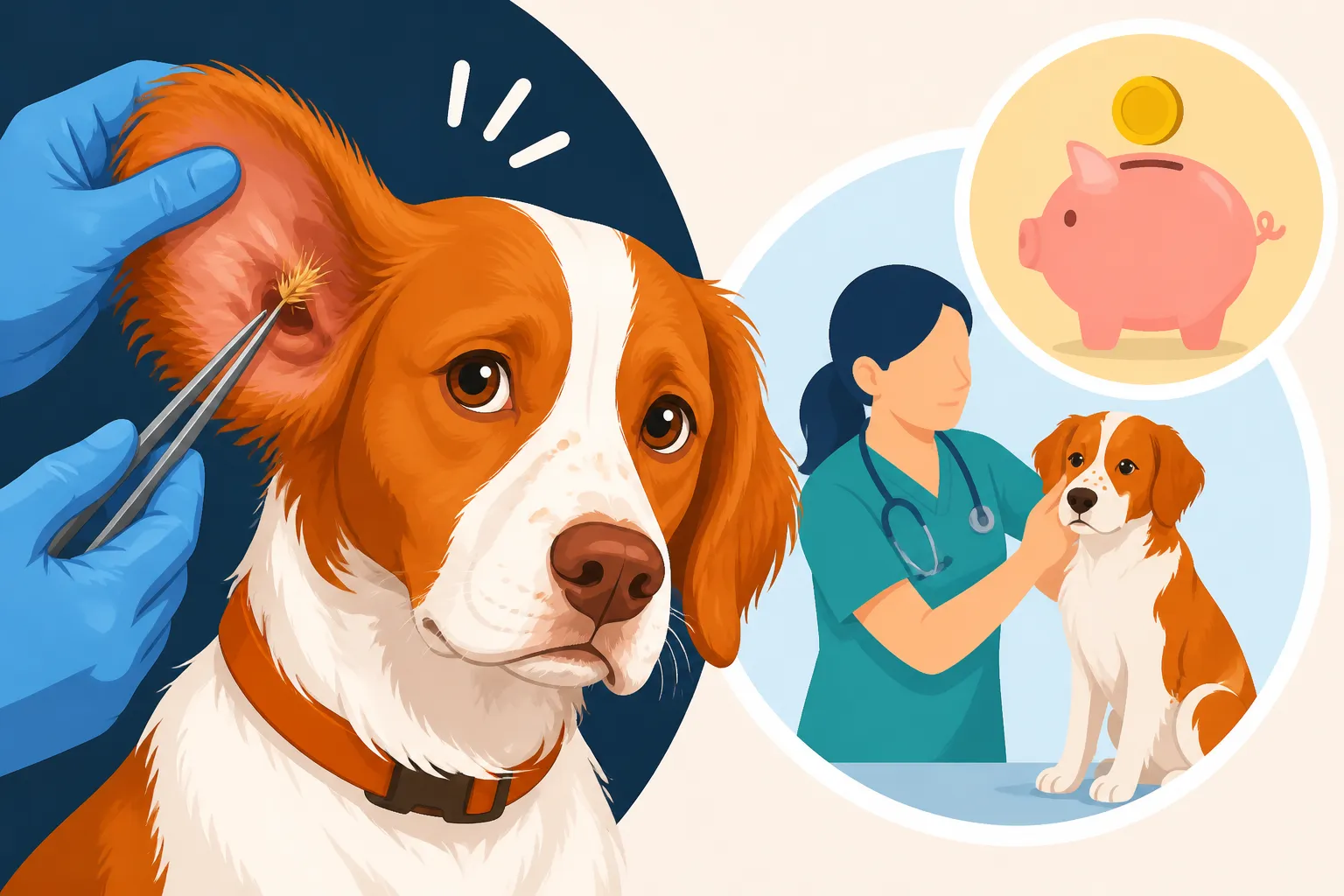
If the foxtail is still relatively superficial in the ear canal and hasn't yet ruptured the eardrum, your vet might attempt a manual removal under sedation. This usually involves using specialized otoscopic instruments, such as alligator forceps, to carefully grasp and extract the foxtail. This is the "best-case scenario" for removal in terms of complexity and cost. It's still a delicate procedure, requiring skill and precision, as the goal is to get the entire foxtail out without breaking it or pushing it deeper.
The costs for this type of removal typically include the sedation, the vet's time for the procedure, and any post-removal medications like antibiotics or anti-inflammatory drugs. You might also have a follow-up visit scheduled to ensure the ear is healing well and no infection is brewing. It's important to remember that even a "simple" manual removal is still a medical procedure with associated fees, and you should always follow your vet's aftercare instructions to prevent a relapse. Checking your Brittany after every outing, especially around their ears, can help catch these issues early. Many owners find a good quality ear cleaner and tweezers, perhaps from a reliable online retailer like Chewy, are helpful for routine post-hunt checks.
Advanced Removal: Endoscopy or Surgery
Sometimes, a foxtail has burrowed too deeply to be removed manually, or it's caused significant damage to the ear canal or eardrum. In these more complex cases, more advanced procedures might be necessary, significantly increasing the cost. An otoscope with a camera, or even a full endoscopic procedure, might be used to visualize and retrieve the foxtail with greater precision. Endoscopy allows for a magnified view and specialized instruments to navigate the intricate ear canal.
In the most severe situations, if the foxtail has perforated the eardrum and entered the middle ear, or if it's caused a deep abscess, surgical intervention might be required. This would be a much more involved procedure, performed under general anesthesia, and could include specialized instruments, surgical staff time, longer recovery, and more extensive post-operative care. These cases are less common but highlight the serious nature of foxtail migration. The costs for these advanced procedures can climb substantially, making it crucial to act quickly at the first sign of trouble. How Grass Seeds Get Into a Brittany's Ear explains how these tiny seeds can cause such a big problem.
Potential Complications and Their Financial Impact
The cost of removing the foxtail itself is often just the beginning. The longer a foxtail remains lodged, the greater the chance of secondary complications, which can lead to additional, sometimes substantial, veterinary expenses.
Ear Infections and Treatment
A foxtail acts as a foreign body, irritating the sensitive tissues of the ear canal and often introducing bacteria. This almost inevitably leads to an ear infection, which can be bacterial or fungal. Symptoms include increased discharge (often foul-smelling), redness, swelling, and intensified pain. Your vet will likely perform cytology to identify the type of infection and prescribe appropriate ear drops or oral antibiotics.
Treating an ear infection can involve weeks of medication, repeat vet visits to ensure the infection is clearing, and potentially further diagnostic tests if the infection is persistent or unusual. Chronic or recurrent ear infections can become very expensive to manage over time. For Brittanys, whose drop ears are already prone to infections due to poor air circulation, a foxtail can be the catalyst for a difficult cycle. You might also want to review Why a Brittany's Ears Get Infected Every Season for more background on this common issue.
Eardrum Damage and Hearing Loss
One of the most concerning complications of a migrating foxtail is damage to the eardrum (tympanic membrane). As the foxtail burrows deeper, it can perforate the eardrum, allowing bacteria to enter the middle and inner ear. This can lead to more severe infections, pain, and even permanent hearing loss in the affected ear. Diagnosing a perforated eardrum usually requires careful otoscopic examination, often under sedation.
Treatment for eardrum damage can involve specialized antibiotics, pain management, and sometimes even referral to a veterinary dermatologist or ENT specialist. The healing process can be slow, and in some cases, the hearing loss might be irreversible. The costs for specialist consultations, advanced imaging (like CT scans), and long-term medication can add up significantly. It's a stark reminder of why early intervention is so critical when you suspect a foxtail.
Abscess Formation and Systemic Issues
In rare but severe cases, a foxtail can continue to migrate beyond the ear canal, creating an abscess under the skin or even deeper. These abscesses are pockets of pus and can be incredibly painful. If the foxtail burrows into the deeper tissues of the head or neck, it can lead to more widespread inflammation and even systemic infection, requiring aggressive medical or surgical treatment.
An abscess would necessitate draining, flushing, and often surgical removal of the foxtail and surrounding infected tissue. This is a major medical event, involving general anesthesia, extensive wound care, and prolonged antibiotic therapy. The financial burden in such extreme cases can be very high, easily reaching into the thousands of dollars. While thankfully uncommon, it highlights the potential for a seemingly small problem to escalate into a life-threatening one without prompt care. This is where having pet insurance, like policies from Healthy Paws, can be a real lifesaver, helping to cover unexpected and substantial veterinary bills.
Preventing Future Foxtail Headaches and Related Expenses
While accidents happen, there's a lot you can do as a Brittany owner to reduce the risk of foxtails, and thereby the associated costs, in the future. Prevention truly is key when it comes to these insidious seeds.
Thorough Post-Hunt Checks and Grooming
After every single outing, especially if your Brittany has been in fields, tall grasses, or areas known for foxtails, you must perform a meticulous check of their entire body. Pay particular attention to the ears – inside the ear flaps, around the opening of the ear canal, and in the feathering. Foxtails are incredibly sneaky and can lodge anywhere. You should also check between their toes, in their armpits, groin, and around their eyes and nose. What to Do With a Brittany After Every Hunt offers a comprehensive guide to this essential routine.
Regular grooming helps too. While a Brittany's coat is generally low-maintenance, keeping the feathering around their ears and legs trimmed can reduce the surface area where foxtails can latch on. You don't need to shave them, but a light trim can make it easier for these seeds to slide off rather than burrow in. Brushing out their coat diligently, perhaps after every hunt, will also help dislodge any hitchhikers before they become a serious problem. Knowing How Often a Brittany Needs Brushing is a good baseline for general care.
Protective Gear and Environmental Awareness
For Brittanys that spend a lot of time in heavy cover, investing in protective gear can be a wise choice. Close-fitting neck gaiters or snoods can help cover their ears and prevent foxtails from getting in. While not always practical for hunting, they can be useful during walks in risky areas. Boots can also protect their sensitive paw pads from foxtails and other field injuries. Whether a Brittany Needs Boots in the Field discusses this in more detail.
Beyond gear, being aware of your hunting environment is crucial. Learn to identify foxtail plants in your area and try to avoid them, especially when they are dry and brittle and the seeds are ready to detach. If you can't avoid them, ensure your dog is thoroughly checked immediately after passing through such areas. Some owners even carry a small, portable vacuum cleaner to quickly remove seeds from their dog's coat and ears before they have a chance to burrow.
Ear Care and Monitoring
Consistent ear hygiene is paramount for Brittanys. Their floppy ears create a warm, moist environment that is a breeding ground for yeast and bacteria, even without a foxtail. Regularly cleaning their ears with a veterinarian-approved ear cleaner can help remove debris and maintain a healthy ear environment. If you're unsure how often or how to clean your Brittany's ears, How Often a Brittany's Ears Need Cleaning offers great advice.
More importantly, get into the habit of checking your Brittany's ears daily, especially during foxtail season. Look for any signs of discomfort – head shaking, scratching, holding an ear down, or any unusual discharge or odor. Early detection of a foxtail can mean the difference between a simple, inexpensive removal and a complex, costly medical emergency. If you notice any of Signs a Brittany's Ear Is Infected, don't hesitate to contact your vet.
Here's a breakdown of potential costs you might encounter:
| Service/Procedure | General Cost Implications | When It Occurs |
|---|---|---|
| Emergency Vet Visit/Exam Fee | Moderate | Initial visit upon suspicion of foxtail |
| Sedation for Ear Examination | Moderate | If dog is painful or uncooperative for exam |
| Manual Foxtail Removal | Moderate to High | Foxtail is visible and accessible in ear canal |
| Ear Flushing/Cleaning | Low to Moderate | Often done during removal or if ear is very dirty |
| Otoscopic/Endoscopic Removal | High | Foxtail is deep or hard to visualize |
| Surgical Removal (rare) | Very High | Foxtail migrated beyond eardrum, deep abscess |
| Antibiotics (oral/topical) | Low to Moderate (per course) | If infection is present or suspected post-removal |
| Anti-inflammatory Medication | Low to Moderate (per course) | For pain and swelling |
| Follow-up Vet Visits | Moderate (per visit) | To monitor healing and check for recurrence |
| Cytology/Culture (for infection) | Moderate | To diagnose type of ear infection |
| Specialist Referral | Very High (plus specialist fees) | For severe eardrum damage or complex cases |
Please remember that these are general cost implications. Actual prices will vary significantly based on your veterinarian, location, the specific services rendered, and your dog's individual needs.
Ultimately, the cost of removing a foxtail from your Brittany's ear can range from a few hundred dollars for a straightforward manual extraction to several thousand for complex surgical cases with complications. Being vigilant, performing thorough checks after every outdoor adventure, and seeking immediate veterinary attention at the first sign of a problem are your best defenses against both the physical suffering for your dog and the unexpected financial strain on your wallet.
Disclaimer
This article is for general informational purposes only and does not constitute professional advice. Laws, prices and regulations vary by location and change over time. Consult a qualified professional for guidance on your specific situation.