What Boots Cost for a Brittany
Every Brittany owner knows the feeling: that moment after a long, exhilarating hunt when you finally get your trusty companion back to the truck, and as you start your post-hunt inspection, you spot it. A nasty gash on a paw pad, a thorn deeply embedded between the toes, or raw, chapped skin from icy snow. Our Brittanys live for the field, but the very environments they thrive in can be brutal on their feet. This guide is here to help you navigate the world of protective paw wear, breaking down why boots are often a necessity, what types are out there, and what the various options might mean for your wallet.
Why Your Brittany Might Need Boots in the First Place
Let's face it, our Brittanys are athletes. They run, they point, they retrieve, covering miles of varied terrain with boundless energy. But all that glorious activity takes a serious toll on their most fundamental tools: their paws. Too many owners have experienced the heartbreak and expense of a debilitating paw injury. Understanding the risks is the first step toward proactive protection.
The Harsh Realities of Hunting Terrain
Think about where your Brittany hunts. It's rarely manicured lawn. We're talking stubble fields full of sharp corn stalks, rocky creek beds, dense briar patches, and thorny bushes. Each step can be a minefield. Common culprits include sharp rocks that can cause deep cuts, hidden pieces of glass or metal, and the ever-present danger of thorns and burrs that pierce the delicate skin between pads. Even just rough, abrasive ground can wear down paw pads over a long day, leading to painful abrasions or cracks. These aren't just minor annoyances; a deep cut can sideline your dog for weeks, requiring stitches and careful recovery time. Many of us have seen firsthand The Injuries a Brittany Picks Up in the Field and know how quickly a great day afield can turn into an emergency vet visit.
Protecting Paws from Extreme Weather
Beyond the physical hazards, weather conditions pose significant threats to unprotected paws. In the depths of winter, icy ground and hardened snow can cause frostbite, while chemical de-icers on sidewalks or frozen crust can be corrosive and painful. Even worse are those pesky ice balls that form between pads, causing discomfort, lameness, and sometimes even tearing the skin as they expand. On the flip side, early season hunts can expose your Brittany to dangerously hot surfaces. Imagine running across asphalt or dark rocks on a sunny day – those surfaces can reach scorching temperatures, leading to severe burns on sensitive paw pads. Preventing these kinds of injuries is paramount, and boots offer a crucial barrier. This consideration often brings up the question of Whether a Brittany Needs Boots in the Field at all. For active dogs, especially those working in varied conditions, the answer is often a resounding yes.
Recovery and Rehabilitation Support
Sometimes, despite our best efforts, injuries happen. A torn pad, a deep cut, or even post-surgical recovery can make a Brittany's paw vulnerable. This is where boots truly shine as a supportive tool. They act as a protective bandage, keeping wounds clean, preventing licking or chewing that can exacerbate the injury, and shielding the delicate healing tissue from further trauma during supervised outdoor potty breaks. Think of it: a recovering paw needs time to mend, and the last thing you want is for your Brittany to re-injure itself by stepping on a twig or scraping a healing cut. Boots provide that vital layer of security, allowing your dog to move more comfortably and safely through its recovery period. They can be a real game-changer in helping a dog heal, preventing setbacks that add to both discomfort and veterinary bills.
Understanding the Types of Brittany Boots and Their Features
Just like human footwear, dog boots come in a wide array of styles, each designed for specific purposes and environments. Choosing the right pair for your Brittany means understanding the differences in construction, materials, and intended use. What works for a quick walk on pavement might not cut it for a full day chasing birds in rough cover.
Basic Disposable or Lightweight Boots
At the entry-level, you'll find lightweight and sometimes disposable options. These are often made from thinner rubber or flexible, breathable fabrics with minimal sole protection. They're typically easy to put on and take off, and they're designed for short-term use or mild conditions.
- Materials and Durability: Think thin rubber dipped boots or simple fabric booties. They're not built for rugged, sustained abuse. The primary goal is usually to provide a barrier against minor irritants, keep a bandage dry, or offer a slight grip on slippery indoor surfaces. Their durability is, as expected, limited. They might last a few outings, but they're not intended for season-long wear in challenging environments.
- Common Uses: These are great for quick trips outside when your dog has a minor paw injury, for protecting indoor flooring from muddy paws after a rainy walk, or for providing a very basic barrier against cold pavement. They're less suited for an intense hunt where sharp debris and continuous friction are the norm. They serve a purpose, but it's important to have realistic expectations about their longevity in the field.
All-Purpose Hunting and Trail Boots
This category is where most serious Brittany owners will focus their attention. These boots are built to withstand the rigors of hunting, hiking, and extensive outdoor activity. They represent a significant step up in durability and protective features.
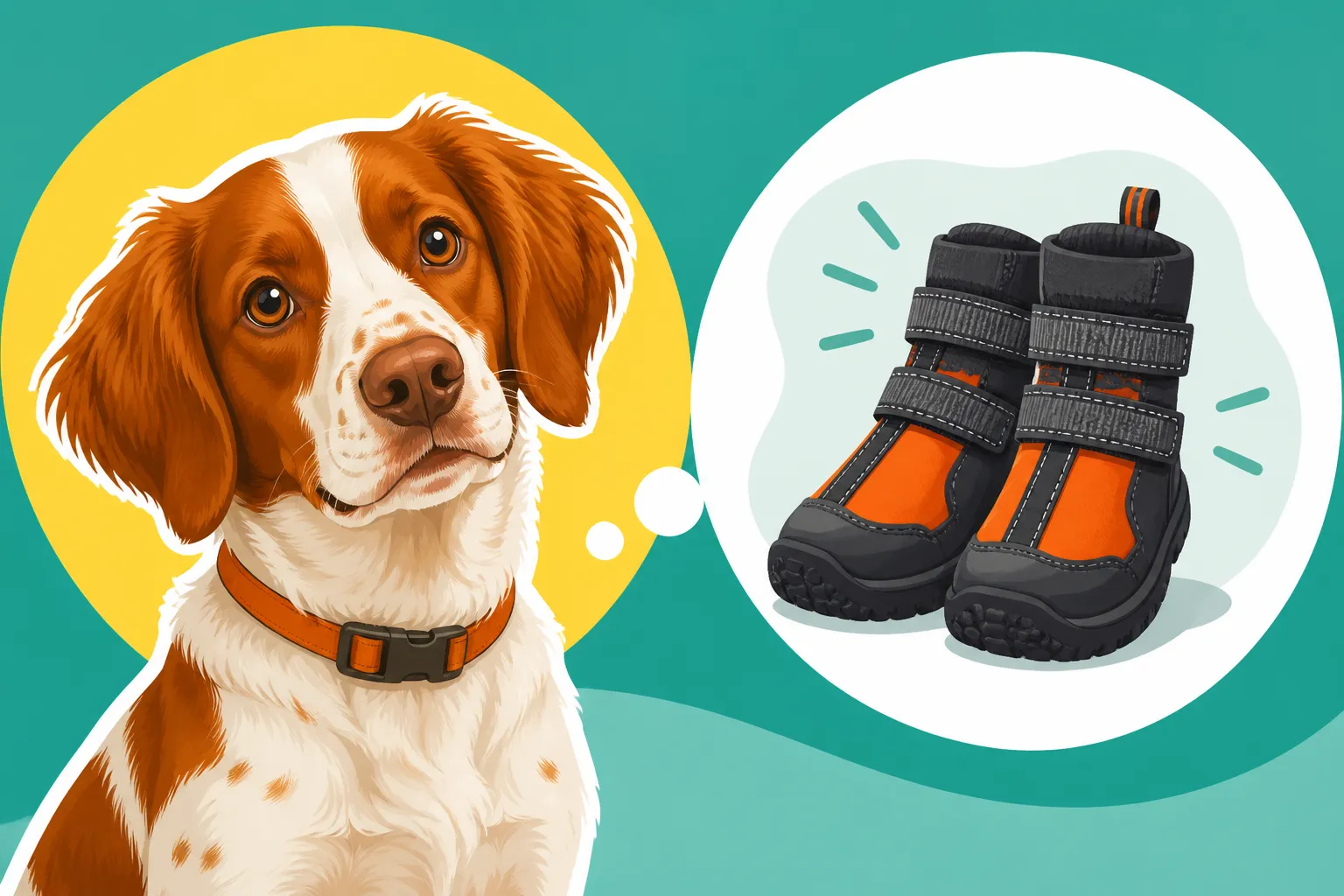
- Robust Materials and Traction: Look for materials like tough Cordura nylon, durable synthetic leathers, and thick, multi-layered rubber soles with aggressive tread patterns. The soles are often similar to human hiking boots, designed to offer excellent traction on varied surfaces – from slippery mud to rocky trails. These materials are chosen for their abrasion resistance, puncture protection, and longevity. Many brands, including popular options like Ruffwear or Ultra Paws, offer robust designs that prioritize both protection and comfort.
- Essential Features: Beyond material, consider features like secure closure systems. Velcro straps are common, but look for multiple points of adjustment or longer straps that wrap around the ankle to prevent the boots from spinning or falling off, especially when your Brittany is tearing through cover. Breathability is also key to prevent paw sweat and discomfort, while some boots incorporate waterproof or water-resistant membranes to keep paws dry in wet conditions. Reflective accents can be a nice bonus for visibility in low light. These boots are designed to be an integral part of your hunting gear, much like your own durable hiking boots.
- Durability and Performance: These boots are designed to last a season or more of regular use, assuming proper fit and maintenance. They're engineered to protect against thorns, sharp rocks, abrasive ground, and extreme temperatures, allowing your Brittany to focus on the birds without worrying about its feet. When considering How Often a Brittany Tears a Pad, investing in quality boots can drastically reduce incidents and vet visits.
Specialized Extreme Weather Boots
For those who hunt in truly extreme conditions, specialized boots offer enhanced protection against severe cold or heat.
- Insulated Boots for Cold: These are designed for deep snow, ice, and freezing temperatures. They feature insulation layers (like fleece or synthetic fibers) to keep paws warm and dry, often combined with water-resistant or waterproof outer shells. The soles are typically robust and offer excellent grip on icy surfaces. The primary goal here is to prevent frostbite and keep sensitive paw pads from cracking in the cold.
- Cooling Boots for Heat: While less common, some specialized boots are designed with mesh or highly breathable materials to allow for maximum airflow, sometimes even designed to be soaked in water to provide evaporative cooling. These are aimed at preventing burns on extremely hot surfaces like asphalt or desert sand, or for dogs that generate a lot of heat in their paws during intense activity.
- Specific Design Considerations: These specialized boots prioritize their core function (insulation or cooling) above all else, often making them bulkier or less flexible than all-purpose options. They are for specific, challenging conditions rather than everyday wear.
What Factors Influence the Cost of Brittany Boots
It’s natural to wonder why some paw boots cost significantly more than others. The price tag isn't just arbitrary; it's a reflection of several key factors that contribute to the boot's quality, performance, and longevity. Understanding these can help you decide where to invest your hard-earned money.
Material Quality and Construction
This is perhaps the biggest driver of cost. Cheap boots often use basic nylon fabrics and thin, unreinforced soles. While they might offer minimal protection, they won't stand up to a Brittany's enthusiastic charge through briars or miles of rocky terrain.
- Premium Materials: Higher-priced boots utilize advanced materials like abrasion-resistant Cordura, durable synthetic leathers, and high-performance rubber compounds for soles. These materials are chosen for their tear resistance, puncture protection, and ability to maintain integrity in varied temperatures and moisture conditions. For instance, boots designed to keep a Brittany's feet dry will often incorporate waterproof membranes, a feature that adds to the manufacturing cost but offers significant benefits in the field. Think about the difference between a cheap plastic rain poncho and a high-quality Gore-Tex jacket; both keep water out, but the material quality, breathability, and durability are worlds apart.
- Superior Construction: It’s not just the materials, but how they’re put together. Higher-end boots feature reinforced stitching, sometimes double or triple stitching in high-stress areas, and carefully designed patterns to ensure a snug, comfortable fit that won't chafe. They often have more complex designs with multiple layers for protection and breathability, and better attachment systems that stay secure. This attention to detail in construction means the boots are less likely to fall apart after a few outings, making them a more reliable investment for your active Brittany.
Brand Recognition and Features
You'll often find that well-known brands command a higher price, and there's usually a good reason for it. These brands have invested in research, development, and extensive testing to ensure their products perform as advertised.
- Reputation and Reliability: Established brands like Ruffwear, Muttluks, or Neo-Paws have built reputations for producing durable, effective dog gear. This means you're often paying for proven performance, reliable quality control, and typically better customer support if an issue arises. They also tend to innovate, incorporating new materials and designs to improve boot functionality and dog comfort. When you're searching for options on platforms like Chewy, you'll see a range of brands, and often the price differences directly correlate with their established reputation and the features they offer.
- Advanced Features: The more features a boot boasts, the higher its likely cost. Beyond basic protection, higher-priced boots might include:
- Waterproofing: Essential for wet hunting conditions, keeping paws dry and comfortable.
- Enhanced Traction: Specialized sole designs for grip on ice, rocks, or slippery terrain.
- Breathability: Vents or breathable fabrics to prevent overheating and moisture buildup.
- Reflective Elements: For visibility and safety during low-light conditions.
- Ergonomic Fit: Contoured designs that conform better to a dog's paw anatomy, reducing rubbing and increasing comfort.
- Superior Fastening Systems: More robust Velcro straps, elastic cords, or multiple closure points to ensure the boots stay on, even during vigorous activity. Each added feature, while beneficial, increases the complexity and cost of manufacturing.
Durability and Longevity
The upfront cost of a pair of boots needs to be weighed against how long they will actually last. This is the concept of value.
- Long-Term Value: A cheaper pair of boots might seem like a bargain initially, but if they tear or wear out after just a few hunts, you'll find yourself buying replacements frequently. This can quickly add up, making the initial "saving" a false economy. A higher-quality boot, though more expensive upfront, can last much longer, potentially for multiple seasons, ultimately costing you less over time. Think about the investment in What a Hunting Season Costs a Brittany Owner; durable boots can be a small but significant part of that overall expenditure.
- Resistance to Wear and Tear: Brittanys are hard on their gear. They run through brush, dig, and often drag their feet. Durable boots are designed to withstand this constant abuse. Their reinforced construction and tougher materials mean they're less susceptible to punctures, abrasions, and seam failures. This longevity translates directly into fewer purchases and less hassle for you, the owner.
Beyond the Purchase Price: Long-Term Boot Costs and Considerations
Buying a pair of boots for your Brittany isn't just a one-time transaction. There are ongoing considerations that can impact the true cost of paw protection over your dog's active life. Thinking about these factors proactively can save you headaches and unexpected expenses down the line.
Replacement Frequency and Maintenance
Even the toughest boots won't last forever, especially with a highly active Brittany. Their tireless energy in the field means constant wear and tear.
- When to Replace: You'll need to keep an eye on the condition of your Brittany's boots. Worn-down treads, tears in the fabric, stretched-out straps, or holes in the sole are all signs that it's time for a new pair. For a working Brittany, replacing boots annually or even mid-season isn't uncommon, depending on how frequently and intensely they're used. Just like your own hiking boots, their performance diminishes with wear.
- Extending Boot Life: Proper care can help maximize the lifespan of your investment. After every outing, clean the boots thoroughly to remove dirt, mud, burrs, and any chemical residues. Let them air dry completely before storing them, as dampness can lead to material degradation or mildew. Regularly check the stitching and straps for signs of wear and tear, and address minor issues promptly if possible. While not every boot needs meticulous maintenance, a little care goes a long way. This is part of the general care and nutrition of an active hunting dog.
Accessories and Sizing Challenges
Finding the perfect fit for paw boots can be surprisingly tricky, and these challenges can indirectly add to your overall cost.
- The Sizing Saga: Dogs' paws aren't all uniform. A Brittany might have wider front paws and narrower back paws, or one paw might be slightly larger due to an old injury. This means you might need to buy different sizes for front and back, or even purchase multiple sets from different brands to find a combination that works. This trial-and-error process can involve return shipping costs, wasted time, and the frustration of having boots that just don't stay on or cause chafing. It’s a common complaint among dog owners, and it's a real factor to budget for.
- Helpful Accessories: Sometimes, extra accessories are needed to make boots work effectively. Paw liners, for example, can add a layer of comfort, prevent rubbing, and wick away moisture, but they are an additional purchase. Some owners also find that supplemental straps or wraps are necessary to keep particularly stubborn boots in place, especially on a dog as athletic as a Brittany. These aren't always included with the initial boot purchase.
The Cost of Not Using Boots
Perhaps the most significant long-term "cost" to consider is what happens if you don't protect your Brittany's paws. The financial implications of paw injuries can far outweigh the cost of even the most expensive boots.
- Veterinary Expenses: A torn pad, a deep puncture wound from a thorn or sharp object, or severe frostbite can quickly lead to substantial vet bills. These can include examination fees, wound cleaning, stitching, antibiotics, pain medication, and follow-up appointments. In severe cases, extensive bandaging or even surgery might be required. When you look at How to Treat a Brittany's Torn Pad, you'll see that treatments can range from simple cleaning to complex medical interventions. Pet insurance, like that offered by Healthy Paws, can certainly help mitigate some of these costs, but a deductible and copay will still apply, and prevention is always the best approach.
- Lost Hunting Days and Discomfort: Beyond the financial aspect, there's the emotional toll. A paw injury means your Brittany is sidelined, unable to join you in the field. This not only disrupts your hunting season but also causes significant discomfort and frustration for your dog, who lives to work. Protecting their paws means ensuring they remain healthy, happy, and ready to do what they love, season after season. It's an investment in their well-being and your shared adventures.
Ultimately, the cost of boots for a Brittany is more than just a price tag; it's an investment in their health, comfort, and ability to do the job they were bred for. While finding the right pair might take some research and perhaps a bit of trial and error, the benefits of protecting those precious paws far outweigh the initial outlay.
| Boot Type | Key Features | Durability | Typical Cost Range (per set of 4) | Best Use Case |
|---|---|---|---|---|
| Basic/Disposable | Thin rubber or fabric, minimal sole, simple closure | Very Low (1-5 uses) | Lower | Temporary protection, indoor traction, bandage cover |
| All-Purpose Hunting/Trail | Durable fabrics (Cordura), robust rubber sole, secure straps, good traction, often water-resistant | Medium (1-2 seasons) | Mid-range | Hunting, hiking, varied terrain, moderate weather |
| Extreme Weather (Insulated) | Insulated lining, waterproof outer, thick grippy sole, often bulkier | Medium (1-2 seasons) | Higher | Deep snow, ice, extreme cold |
| Extreme Weather (Cooling) | Breathable mesh, designed for wetting, light sole | Low-Medium | Mid-range | Hot pavement, sand, cooling purposes |
Disclaimer
This article is for general informational purposes only and does not constitute professional advice. Laws, prices and regulations vary by location and change over time. Consult a qualified professional for guidance on your specific situation.