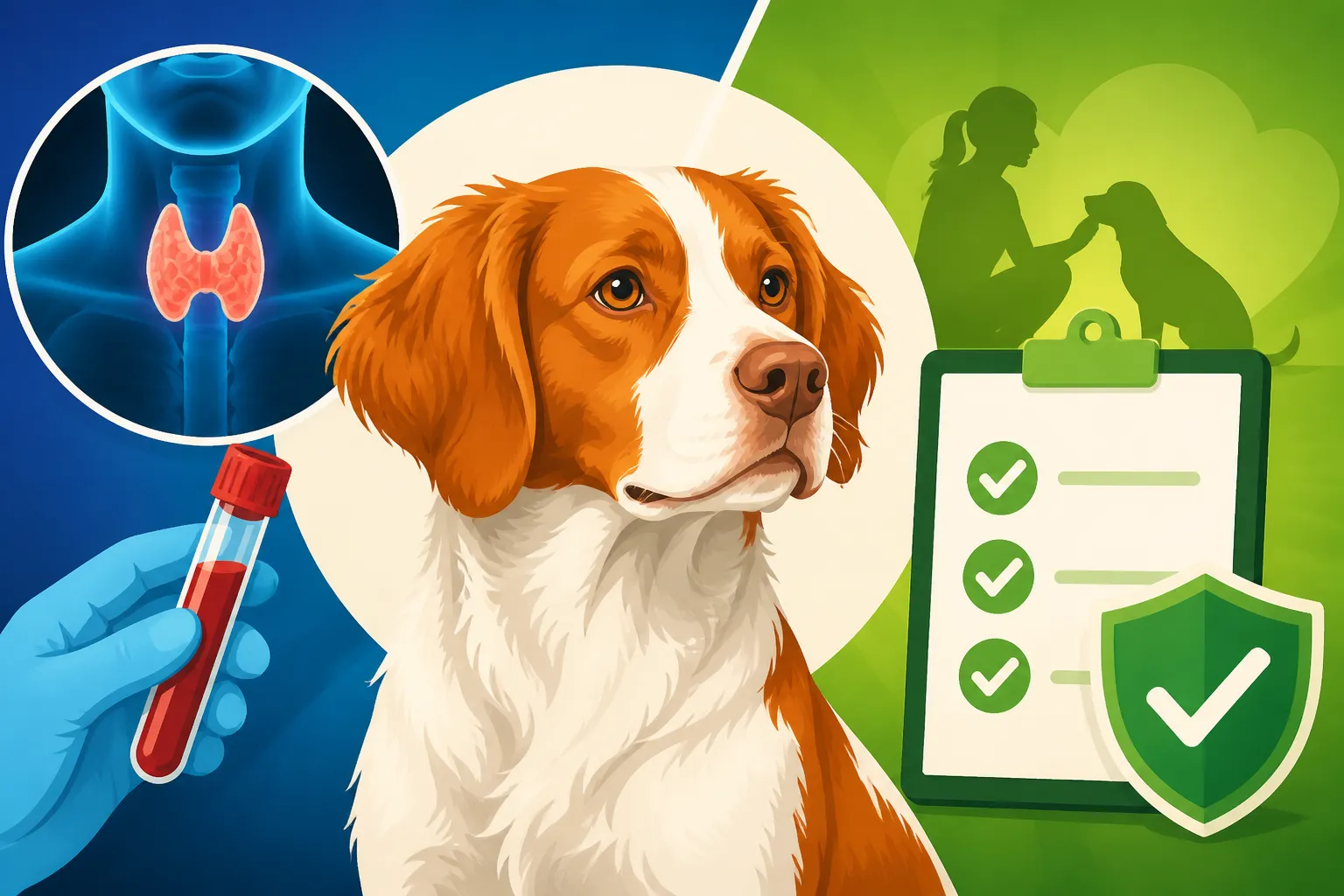
Whether a Brittany Breeder Screens Thyroid
The moment you start thinking about bringing a Brittany Spaniel into your life, your mind probably jumps to endless energy, enthusiastic pointing in the field, and a loyal companion snuggled up on the couch. But as a responsible prospective owner, a big question often looms: what about their health? It's a completely valid concern, especially when you hear about various genetic conditions in different breeds. Thyroid issues, specifically hypothyroidism, can be a hidden challenge, and understanding whether a Brittany breeder screens for this is crucial for making an informed choice. This guide is here to shed light on hypothyroidism in Brittanys, why screening matters, and what to look for in a reputable breeder.
Understanding Hypothyroidism in Brittanys
Hypothyroidism is a condition where a dog's thyroid gland doesn't produce enough thyroid hormones. These hormones are absolutely vital, governing everything from metabolism and body temperature to coat health and energy levels. When a dog, especially an active breed like the Brittany, doesn't have enough of them, it can lead to a whole host of problems that might initially be dismissed as something else.
What Hypothyroidism Does to a Brittany
Imagine a dog that's usually a whirlwind of activity suddenly seeming lethargic. Or a Brittany with a beautiful, vibrant coat starting to develop dry, brittle fur, perhaps with patchy hair loss, especially along the flanks and tail. These are classic signs. But it's not just about appearances or energy. Hypothyroidism can cause a range of symptoms that affect a dog's overall quality of life and even its performance in the field.
A Brittany's thyroid gland, located in its neck, secretes hormones that are like the body's internal thermostat and accelerator pedal. When these levels drop, everything slows down. You might see a noticeable weight gain, even if your dog hasn't been eating more. They might become intolerant to cold, seeking out warm spots more often. Reproductive issues can arise in breeding animals. Some owners report changes in temperament, with their once-eager dog becoming more subdued or even irritable. It's a systemic issue, meaning it impacts almost every part of their body. If you notice Signs a Brittany's Thyroid Is Low, it's definitely time for a vet visit.
Why It's a Concern for Sporting Breeds
For a high-energy, driven hunting dog like the Brittany, adequate thyroid function is non-negotiable. A hypothyroid Brittany simply won't have the stamina or mental focus needed for a full day in the field. Their metabolism will be sluggish, making them tire easily and struggle to regulate their body temperature during strenuous activity. A lack of energy can also translate into a lack of enthusiasm for training and hunting, which is heartbreaking for both dog and owner. Think about trying to perform at your peak when you feel constantly drained and cold—it's just not possible.
Beyond performance, the general health implications are serious. An untreated hypothyroid dog can suffer from secondary skin infections due to poor coat and skin health, and in some cases, it can even affect heart function. While not typically a life-threatening emergency if managed, What Hypothyroidism Does to a Brittany makes it clear that early detection and treatment are key to maintaining a good quality of life and allowing your Brittany to thrive.
The Importance of Thyroid Screening for Brittany Breeders
Responsible breeding is about more than just producing cute puppies; it's about ensuring the health and longevity of the breed. This means actively screening prospective breeding dogs for known genetic and inheritable conditions, and thyroid disease is certainly on that list. While hypothyroidism can have environmental causes, there's a strong genetic component, especially in breeds like the Brittany, making breeder screening indispensable.
What Thyroid Screening Entails
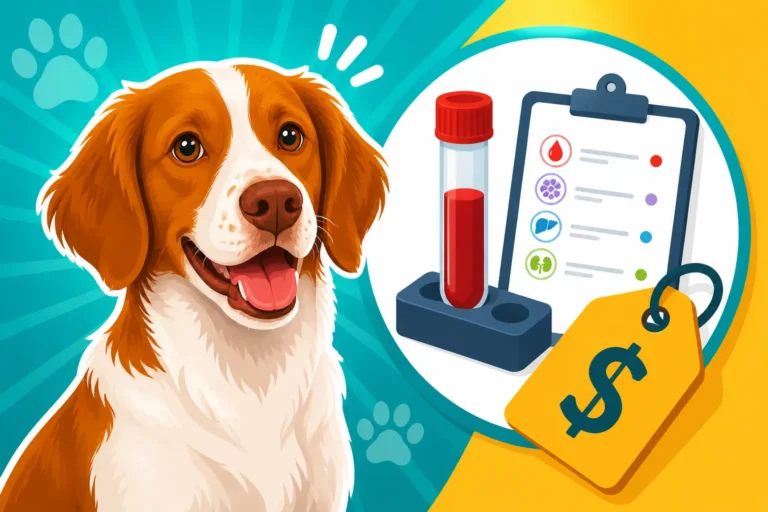
Thyroid screening isn't a single, simple test, but rather a panel of blood tests that give a comprehensive picture of thyroid function. The most common tests include:
- Total T4 (TT4): Measures the total amount of thyroxine (a thyroid hormone) in the blood.
- Free T4 (FT4): Measures the amount of unbound or active thyroxine. This is often a more accurate indicator than TT4 as it's not influenced by proteins that can bind the hormone.
- Total T3 (TT3) and Free T3 (FT3): Similar to T4 tests but for triiodothyronine, another thyroid hormone.
- Thyroid Stimulating Hormone (TSH): Produced by the pituitary gland, TSH tells the thyroid to make more hormones. High TSH in conjunction with low T4/T3 usually indicates hypothyroidism.
- Thyroid Autoantibodies (TgAA): This test checks for antibodies that attack the thyroid gland itself, indicating an autoimmune form of thyroiditis, which is a common cause of hypothyroidism in dogs.
A reputable breeder should be able to provide results for these tests for both the sire and dam of any litter. Ideally, these tests are performed regularly, often annually, as thyroid levels can change over time. Many breeders will utilize specialized labs that focus on canine thyroid diagnostics. What a Brittany's Thyroid Panel Costs can vary, but it's an investment well worth making for the health of future generations.
Why Breeders Should Screen
For responsible Brittany breeders, thyroid screening is a non-negotiable part of their health protocol. Here's why:
- Identifying Affected Dogs: Screening helps identify breeding dogs that are overtly hypothyroid, allowing them to be treated and, often, removed from breeding programs to prevent passing on the genetic predisposition.
- Detecting Autoimmune Thyroiditis: The TgAA test is particularly important. A positive result for TgAA indicates autoimmune thyroiditis, even if the dog isn't overtly hypothyroid yet. This condition is known to be heritable, and dogs testing positive for TgAA should ideally not be bred, or at least only to dogs that are TgAA negative and from lines free of the condition. This is a significant step in reducing the incidence of the disease in the breed.
- Making Informed Breeding Decisions: By knowing the thyroid status of their breeding stock and their ancestors, breeders can make more informed choices about pairings, aiming to produce puppies with the lowest possible risk of developing hypothyroidism. It's part of the comprehensive approach that includes What a Brittany Spaniel Breeder Should Have Tested for a well-rounded health strategy.
| Thyroid Test Parameter | What it Measures | What High Levels Might Indicate | What Low Levels Might Indicate | Importance for Breeders |
|---|---|---|---|---|
| Total T4 (TT4) | Total thyroxine in blood | Hyperthyroidism (rare in dogs); medication influence | Hypothyroidism; non-thyroidal illness; certain drugs | Initial screening, but can be influenced by other factors |
| Free T4 (FT4) | Unbound, active thyroxine | Hyperthyroidism; medication influence | Hypothyroidism (more reliable indicator) | Better indicator of true thyroid function |
| TSH | Thyroid Stimulating Hormone | Hypothyroidism (high TSH with low T4/T3) | Hyperthyroidism (low TSH with high T4/T3 – rare in dogs) | Confirms hypothyroidism when T4/T3 are low |
| TgAA | Thyroglobulin Autoantibodies | Autoimmune thyroiditis (precursor to hypothyroidism) | Normal | Crucial for identifying hereditary autoimmune thyroiditis |
Beyond Individual Dogs: Breed Health
The efforts of individual breeders contribute to the broader health of the Brittany breed. By consistently screening and making responsible breeding choices, the overall prevalence of inheritable diseases like hypothyroidism can be reduced over generations. This benefits every Brittany owner down the line, increasing the chances of having a healthy, long-lived companion. The Brittany Is One of the Healthiest Sporting Breeds overall, but this status is maintained through diligent health screening practices across the breeding community.
Finding a Brittany Breeder Who Prioritizes Thyroid Health
It can feel overwhelming to navigate the world of dog breeders, especially when you’re trying to ensure you’re getting a healthy puppy. But with a condition like hypothyroidism, asking the right questions about thyroid screening is paramount. A responsible breeder will not only perform these tests but will be eager and transparent in sharing the results.
Questions to Ask a Prospective Breeder
When you connect with a potential breeder, be prepared with a list of questions. Don't be shy; a good breeder will appreciate your thoroughness.
- "Do you screen your breeding dogs for thyroid health, and if so, which tests do you use?" Listen for answers that include a full panel (T4, T3, TSH, TgAA). If they only mention one or two, ask why.
- "Can I see the thyroid test results for both the sire and dam of the litter?" A breeder should readily provide copies of these results, ideally from a recognized veterinary diagnostic lab. Look for dates to ensure they are current.
- "At what age were these tests performed, and how often are they retested?" Thyroid levels can change, so annual testing for breeding dogs is a good practice.
- "Do you have any history of hypothyroidism in your lines, and how do you manage that?" No line is entirely free of potential issues, but an honest breeder will acknowledge challenges and explain their strategy for minimizing risk. They might mention pairing a dog from a line with a history of hypothyroidism with a dog from a completely clear line, for example.
- "Are your dogs certified through any health registries, like the Orthopedic Foundation for Animals (OFA), which includes a thyroid database?" The OFA maintains a public registry of thyroid test results. A breeder participating in this program demonstrates a commitment to transparency and breed health. This kind of due diligence is essential, just like looking for breeders who understand What a Brittany Spaniel Breeder Should Have Tested in general.
What to Expect and What Red Flags to Watch For
A reputable breeder will not only provide documentation but will also be knowledgeable about thyroid health and able to discuss it clearly. They should understand the implications of autoimmune thyroiditis (TgAA positive) and how it influences their breeding decisions. They'll emphasize a holistic approach to their dogs' health, which includes regular veterinary care, quality nutrition, and appropriate exercise.
Red flags include:
- "We don't test for that, it's not common in our lines." While some lines may have a lower incidence, genetic predisposition exists across the breed. A blanket refusal to test is concerning.
- "I tested them once when they were young, and they were fine." As mentioned, thyroid levels can change, and autoimmune thyroiditis can develop over time. Regular testing is best.
- Refusal to show documentation. Verbal assurances are not enough. You need to see the actual lab reports.
- Breeder seems uninformed about the specifics of thyroid disease. If they can't explain why certain tests are important or what the results mean, it suggests a lack of understanding or commitment.
Remember, finding a puppy from a responsible breeder is an investment—not just financially, but emotionally. Doing your homework on health screening, including thyroid testing, is one of the most powerful steps you can take to bring home a healthy, happy Brittany. It's part of the broader conversation about What a Brittany Costs Over Its Lifetime, where preventative health measures at the start can save significant heartbreak and expense down the road.
Living with a Brittany with Hypothyroidism
Even with the most diligent screening, no health guarantee is absolute, and sometimes a Brittany may still develop hypothyroidism. This is not a reason to despair! Hypothyroidism is a manageable condition, and with proper veterinary care, your Brittany can still live a full, happy, and active life.
Diagnosis and Treatment
If your Brittany starts showing symptoms of hypothyroidism, your veterinarian will conduct blood tests similar to those used for breeder screening to get a definitive diagnosis. Once diagnosed, the treatment is typically straightforward: daily oral thyroid hormone replacement medication. This medication is usually given for the rest of your dog's life.
- Medication: The dosage will be carefully determined by your vet and may need adjustment over time. Regular follow-up blood tests (often every 6-12 months after stabilization) will be necessary to ensure the dosage remains correct.
- Patience: It can take several weeks or even a couple of months to see a significant improvement in symptoms like lethargy and coat quality. Be patient and consistent with the medication.
- Holistic Care: While medication is key, supporting your dog's overall health with a good diet and regular exercise is always important. Some owners choose to explore fresh food diets, like those offered by Ollie, or supplements recommended by their vet, though these are complementary and not a replacement for prescribed medication.
The cost of medication can be an ongoing expense. What a Brittany's Yearly Bloodwork Should Cover will include checking these thyroid levels during routine wellness exams. Many pet insurance plans, such as those from Healthy Paws, can help cover the costs of diagnostic tests, medication, and ongoing veterinary visits for chronic conditions like hypothyroidism, so it’s worth looking into.
Prognosis and Quality of Life
The prognosis for a Brittany diagnosed with hypothyroidism is generally excellent, provided the condition is managed consistently. With the correct dosage of medication, most dogs return to their normal energy levels, their coats improve, and any other symptoms resolve. They can continue to hunt, play, and enjoy their lives to the fullest.
It's a testament to modern veterinary medicine that a condition that once might have severely impacted a dog's life is now so easily managed. Your role as an owner becomes one of vigilance: watching for any recurring symptoms, ensuring medication is given consistently, and keeping up with those routine vet appointments. How Often a Brittany Needs a Wellness Exam becomes even more critical for a dog on long-term medication.
Supporting a Hypothyroid Brittany
Beyond medication, think about how you can best support your Brittany:
- Nutrition: While no special "hypothyroidism diet" exists, a high-quality, balanced diet is always beneficial. Discuss options with your vet, and perhaps consider reputable brands like Chewy for a wide selection of foods that cater to different needs, including those with sensitive stomachs or specific ingredient requirements.
- Temperature Regulation: If your dog struggles with cold intolerance, provide warm bedding, especially in cooler months, and consider a dog coat for outdoor excursions during cold weather.
- Exercise: Once medication stabilizes their energy, ensure they get plenty of appropriate exercise. Hypothyroidism can lead to weight gain, so maintaining a healthy weight through activity is important for joint health and overall well-being as they approach Caring for a Brittany Past Ten and beyond.
Living with a dog with a chronic condition can feel daunting, but with hypothyroidism, it truly is a case where treatment makes a world of difference. Your Brittany can still be that tireless hunter and cherished family member you always dreamed of, even with a little daily pill. The key is responsible breeding practices at the start and committed care throughout their The Twelve to Fourteen Years a Brittany Gets.
Disclaimer
This article is for general informational purposes only and does not constitute professional advice. Laws, prices and regulations vary by location and change over time. Consult a qualified professional for guidance on your specific situation.