What a Brittany’s Preseason Bloodwork Costs
As a Brittany owner, there's nothing quite like the excitement of preseason, getting your bird dog ready for those crisp mornings in the field. But let's be honest, that excitement can quickly turn to worry when you start thinking about all the preparations, and particularly the financial hit that often comes with ensuring your four-legged hunting partner is in peak condition. One of those critical, yet sometimes opaque, costs is preseason bloodwork. It's not just a fancy add-on; it's a vital step in safeguarding your Brittany's health and performance, and this guide will break down exactly why it's so important, what to expect, and how much it might cost.
Why Preseason Bloodwork Matters for Your Brittany
It's easy to look at your vibrant, energetic Brittany and think they're invincible, especially if they've been running and playing all off-season. But even the healthiest-looking dog can be harboring subtle issues that only a deeper dive into their system can reveal. For our active, driven Brittanys, who give their all in the field, this kind of proactive health check isn't just a good idea – it's essential.
Catching Underlying Health Issues Early
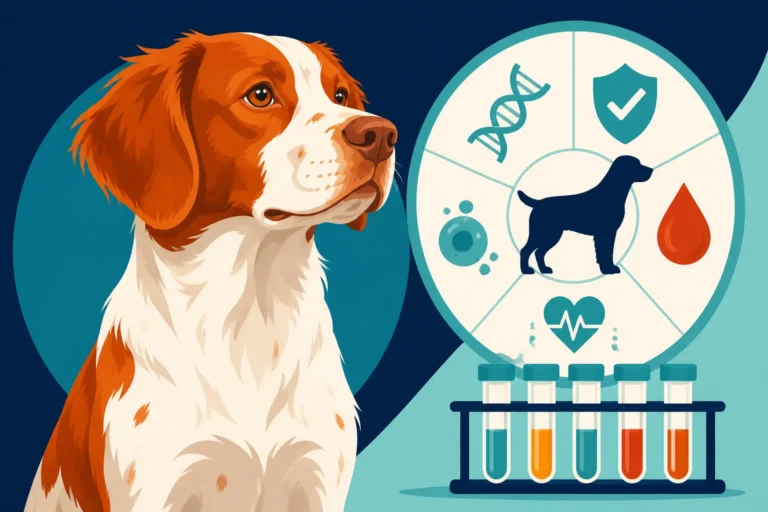
Think of preseason bloodwork as your Brittany's internal report card. It gives your veterinarian a snapshot of what's happening inside, long before any outward symptoms might appear. Our Brittanys are notoriously stoic; they're bred to work and often hide discomfort until an issue is quite advanced. A comprehensive blood panel can flag early signs of kidney or liver dysfunction, anemia, inflammation, or even certain metabolic disorders. Catching these problems when they're just starting can mean the difference between simple dietary adjustments or medication, and a full-blown medical emergency down the line. It's about being proactive, not reactive, which can save not just money, but also potential heartache and unnecessary suffering for your beloved dog. Early detection also means you can address concerns before the hunting season puts additional stress on their system. You certainly don't want to be dealing with health woes when your dog should be focused on birds.
Tailoring Your Brittany's Conditioning and Nutrition
A healthy Brittany isn't just about avoiding illness; it's about optimizing performance. Bloodwork provides crucial insights that can help you fine-tune your dog's conditioning program and diet. For instance, if certain enzyme levels are slightly off, it might indicate a need for a different nutritional balance. Or, perhaps their red blood cell count, while within normal range, could benefit from specific supplements to boost endurance for those long days trailing birds. Knowing these details allows you to work with your vet to create a tailored plan. You might decide to look into specialized performance foods, perhaps even exploring options like those offered by Ollie, which creates custom meal plans. Similarly, if your vet recommends specific supplements based on bloodwork, stores like Chewy can be a convenient source. It’s all about giving your Brittany every advantage for a successful and safe hunting season, ensuring they have the stamina and recovery they need without overstressing their body. This personalized approach means you can keep your Brittany strong and ready for anything the field throws at them, season after season. Whether a Working Brittany Needs a Performance Food
Establishing a Baseline for Future Reference
One of the most valuable aspects of preseason bloodwork, especially when done annually, is establishing a baseline. Every dog is an individual, and what's "normal" for one Brittany might be slightly different for another. By having a record of your dog's typical blood values when they are healthy and performing well, your vet has a critical reference point for future examinations. If your Brittany ever seems off, or if a routine check-up reveals an abnormality, your vet can compare current results to their personal baseline. This helps distinguish between a minor fluctuation that's normal for your dog and a genuine cause for concern. Without this baseline, changes can be harder to interpret, potentially leading to more extensive and costly diagnostic tests. It’s a bit like having a "control" in a scientific experiment; it helps isolate what's truly new or problematic. This record-keeping is a cornerstone of responsible pet ownership, helping your vet track your Brittany's health trajectory over its The Twelve to Fourteen Years a Brittany Gets.
What's Typically Included in Preseason Bloodwork and the Cost Factors
When you talk to your vet about preseason bloodwork, it's helpful to understand what tests they're usually recommending and why. Not all "bloodwork" is created equal, and the comprehensiveness of the panel will directly impact the cost.
Common Bloodwork Components
Most vets will suggest a core set of tests for a healthy, active dog getting ready for intense physical activity.
- Complete Blood Count (CBC): This is a foundational test. A CBC gives your vet a detailed look at your Brittany's red blood cells, white blood cells, and platelets. Red blood cells are crucial for carrying oxygen to muscles, which is vital for stamina in the field. Abnormalities here could indicate anemia, which would severely impact your dog's ability to hunt. White blood cells are the body's defenders against infection and inflammation. An elevated count might signal an infection that needs attention before the season starts, or a low count could point to a weakened immune system. Platelets are essential for blood clotting, which is particularly important for a dog that might encounter minor scrapes or The Injuries a Brittany Picks Up in the Field.
- Chemistry Panel (or Serum Biochemistry Profile): This panel assesses organ function and overall metabolic health. It includes tests for kidney function (BUN, creatinine), liver function (ALT, ALP), blood glucose (for diabetes screening), and electrolyte levels (sodium, potassium, chloride), which are vital for proper hydration and muscle function. For a hard-working Brittany, ensuring these organs are functioning optimally is paramount. Any indication of stress or early disease here means you can intervene with diet, medication, or adjusted activity levels.
- Thyroid Panel: While not always part of a basic preseason panel, a thyroid check is often recommended for Brittanys, especially as they get older or if there are any signs of sluggishness or coat changes. Hypothyroidism, or an underactive thyroid, can lead to lethargy, weight gain, and poor coat quality, all of which would negatively impact a hunting dog's performance and comfort. If you notice Signs a Brittany's Thyroid Is Low, this test becomes even more important. A full thyroid panel usually costs more than a basic T4 test but provides a more complete picture.
- Heartworm and Tick-Borne Disease Tests: For any dog spending time outdoors, especially in areas with high mosquito and tick populations, annual screening for heartworm disease and common tick-borne illnesses (like Lyme, Anaplasmosis, and Ehrlichiosis) is absolutely non-negotiable. These diseases can severely compromise a Brittany's health and can be life-threatening if left untreated. Many states have specific endemic risks, and your vet will know what to test for in your region. This isn't just about preseason; it's about year-round vigilance for dogs that spend so much time in nature.
Factors Influencing the Cost
The cost of your Brittany's preseason bloodwork isn't a fixed number; it can vary quite a bit.
- Geographic Location: Just like human healthcare, veterinary costs can differ significantly depending on where you live. Clinics in major metropolitan areas or affluent suburbs typically have higher overheads, which translates to higher prices for services compared to those in more rural settings. A vet in, say, rural Kansas might charge less for a full panel than one in coastal California.
- Veterinary Clinic Pricing Structure: The type of clinic also plays a role. A large, multi-doctor animal hospital with state-of-the-art equipment and specialized services might charge more than a smaller, independent general practice. Some clinics offer "wellness packages" that bundle routine exams, vaccinations, and bloodwork at a slightly reduced rate, which can be a smart way to manage these yearly expenses.
- Specific Tests Requested: As we discussed, a basic CBC and chemistry panel will be less expensive than adding a full thyroid panel, a urinalysis, or comprehensive tick-borne disease screenings. If your vet has specific concerns about your Brittany or if you want a more thorough check-up, the cost will increase with each additional test.
- Additional Diagnostics: If the initial bloodwork reveals an abnormality, your vet might recommend follow-up tests, which could include more specialized blood tests, ultrasounds, or X-rays. While these aren't part of the initial "preseason bloodwork," they are a direct consequence if something concerning is found. This is where having pet insurance, like a plan from Healthy Paws, can really make a difference, helping to cover unexpected diagnostic and treatment costs if a serious issue is uncovered.
Typically, for a comprehensive preseason blood panel (CBC, chemistry, heartworm/tick panel), you might expect the cost to vary. It's best to call your specific clinic for an accurate estimate, as prices fluctuate based on all these factors.
Navigating the Costs and Making Informed Decisions
Understanding what goes into the cost is one thing, but actually managing it and feeling confident in your decisions is another. It's totally normal to feel a pinch in your wallet when gearing up for a hunting season, but cutting corners on health is rarely the answer.
Getting Estimates and Comparing Clinics
Don't be shy about calling different veterinary clinics in your area to inquire about their pricing for a "preseason blood panel" or the individual tests you're interested in. Make sure you're comparing apples to apples – ask precisely what tests are included in their quoted price. Some clinics might offer a basic package, while others include a more extensive range. You might find that one clinic offers a better value for a truly comprehensive screen. Also, inquire about any wellness plans they might have. These plans often bundle routine care, including physical exams, vaccinations, and bloodwork, into monthly payments, which can make budgeting easier and sometimes provide a slight discount over paying for each service separately. While the primary goal is excellent care, being an educated consumer can help you stretch your dollar further. How Often a Brittany Needs a Wellness Exam
The Value of Proactive Health Management
It's tempting to skip preseason bloodwork, especially if your Brittany looks perfectly healthy. However, the cost of proactive care pales in comparison to the expenses associated with emergency treatments or managing a chronic illness that could have been caught earlier. Imagine the scenario: you're weeks into the season, your Brittany starts showing signs of lethargy, and a trip to the emergency vet reveals advanced kidney disease. The diagnostics, hospitalization, and ongoing treatment for such a condition would far exceed the cost of an annual blood panel. Proactive testing not only catches problems early, potentially saving your dog's life, but it also helps ensure your Brittany is truly ready for the demands of hunting. A dog performing at its best is a safer, happier, and more effective hunting partner. This preventative mindset contributes significantly to their overall longevity and quality of life, maximizing The Twelve to Fourteen Years a Brittany Gets you have together.
Budgeting for Your Brittany's Health
Integrating veterinary costs into your annual budget for your Brittany is a smart move. Beyond the initial purchase price, a Brittany requires ongoing financial commitment for food, gear, training, and, of course, healthcare. Consider setting aside a dedicated amount each month for unexpected vet visits, medications, and routine check-ups like preseason bloodwork. Many owners find it helpful to calculate What a Brittany Costs Per Month to get a realistic picture. Some vets offer payment plans or accept third-party financing options like CareCredit, which can help spread out larger, unexpected veterinary bills. Remember, investing in your Brittany's health is investing in your shared future and countless more seasons in the field together.
Other Preseason Health Checks to Consider
While bloodwork gives us a fantastic internal view, it's just one piece of the puzzle for your Brittany's preseason health assessment. A thorough physical exam and other preventative measures are equally crucial to ensure they're ready for the rigors of the hunting season.
Physical Exam and Vaccinations
Every preseason bloodwork appointment should be paired with a comprehensive physical examination by your veterinarian. Your vet will check your Brittany from nose to tail, assessing their weight, body condition, coat quality, eyes, ears (Brittanys are prone to ear infections, so this is key!), teeth, heart, lungs, and abdomen. They'll also perform an orthopedic exam, manipulating joints to check for pain, stiffness, or signs of conditions like The Age a Brittany Gets Arthritis. This hands-on assessment catches external issues that bloodwork won't.
Equally important is ensuring your Brittany's vaccinations are up to date. For a hunting dog, core vaccines (distemper, parvovirus, adenovirus, rabies) are essential, but your vet might also recommend non-core vaccines based on your dog's lifestyle and exposure risks. For instance, the leptospirosis vaccine is highly recommended for dogs that wade in ponds, drink from puddles, or interact with wildlife, as these are common sources of the bacteria. Discuss with your vet whether Whether a Brittany Needs a Leptospirosis Shot is right for your hunting areas. Getting all these preventative measures in place well before opening day allows time for your dog's immune system to respond effectively.
Parasite Prevention
For a Brittany that spends significant time in tall grass, dense cover, and marshy areas, robust parasite prevention is non-negotiable. Ticks, fleas, and internal parasites like worms are constant threats. During your preseason vet visit, discuss the most effective flea and tick prevention products for your region and your dog's activity level. There are many options – oral medications, topical treatments, and collars – and your vet can help you choose the best fit. Remember that What a Brittany's Tick Prevention Costs a Year is a small price to pay compared to treating Lyme disease or Ehrlichiosis. Your vet will also likely recommend a fecal examination to check for intestinal parasites and prescribe appropriate deworming medication if needed. Heartworm prevention, typically a monthly oral medication, is also crucial and should be continued year-round. These preventative measures protect your Brittany from uncomfortable, debilitating, and potentially life-threatening diseases that are rampant in the environments where we hunt.
Joint Health Assessment
Brittanys are agile and athletic, but all that running, jumping, and stopping puts stress on their joints. A preseason joint health assessment is particularly important, especially as your Brittany ages. Your vet will carefully palpate their hips, knees, and elbows, checking for any signs of pain, instability, or reduced range of motion. If there are any concerns, they might recommend X-rays to get a clearer picture. Conditions like hip or elbow dysplasia, even if mild, can worsen with intense activity. If your Brittany has previous joint issues, or if your vet detects something new, they might suggest joint supplements (like glucosamine and chondroitin), anti-inflammatory medications, or adjustments to their conditioning routine. This proactive approach to joint health helps keep your Brittany comfortable, agile, and able to perform in the field for many years to come. If you've ever had What a Brittany's Hip Radiographs Cost you know how important it is to protect those joints.
Preseason Bloodwork Overview for Your Brittany
| Test Category | Specific Tests (Common) | Why It Matters for a Brittany |
|---|---|---|
| Complete Blood Count (CBC) | Red Blood Cells, White Blood Cells, Platelets | Stamina, oxygen transport, infection fighting, clotting ability |
| Chemistry Panel | Kidney, Liver Enzymes, Glucose, Electrolytes | Organ function, metabolic health, hydration, energy levels |
| Heartworm & Tick Panel | Heartworm Antigen, Lyme, Anaplasmosis, Ehrlichiosis | Detects common field-acquired diseases that impact performance and health |
| Thyroid Panel (Optional) | T4, Free T4, TSH | Regulates metabolism, energy, coat health; crucial for overall vigor |
| Urinalysis (Optional) | pH, Specific Gravity, Protein, Glucose, Crystals | Kidney function, hydration status, urinary tract health |
Disclaimer
This article is for general informational purposes only and does not constitute professional advice. Laws, prices and regulations vary by location and change over time. Consult a qualified professional for guidance on your specific situation.