What an E Collar Costs a Brittany Owner
Oh, the E-collar! It's one of those topics that can really stir up a conversation in the Brittany world, isn't it? As Brittany owners, we're always looking for the best ways to train and manage our energetic, intelligent companions, especially when they're out doing what they love best – hunting. But let's be honest, trying to figure out what an E-collar costs for a Brittany owner, not just in terms of money, but in time and commitment, can feel like a maze. This guide is here to walk you through all the ins and outs of E-collar expenses, both upfront and long-term, so you can make an informed decision for your beloved Brittany.
Understanding E-Collars for Your Brittany
Before we dive into the numbers, let’s clear up what we’re actually talking about. The term "E-collar" often conjures up images of harshness or punishment, but in the right hands, these tools are about communication and safety. For a Brittany owner, understanding their function and purpose is the first step toward evaluating their true cost.
What Exactly is an E-Collar, Anyway?
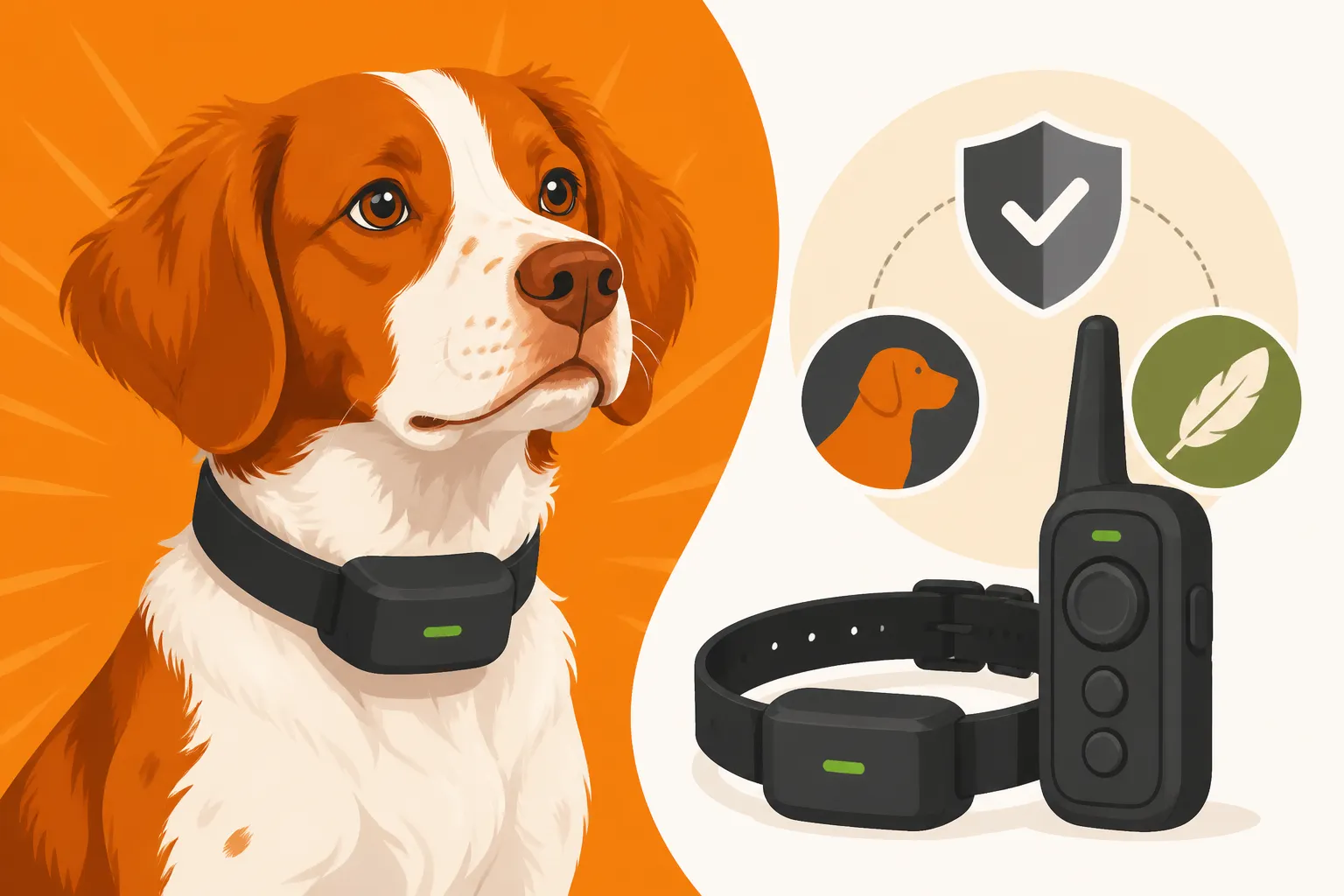
An E-collar, short for electronic collar, is a training device used to deliver various forms of stimulation to a dog, most commonly through a remote handheld transmitter. While the initial versions were indeed quite primitive, modern E-collars offer a wide range of stimulation levels, from mild vibrations and tones to gentle static pulses that are more akin to a "tap" than a "shock." The idea isn't to punish, but to get your Brittany's attention when they're distracted or too far away to hear your verbal commands. It's an extension of your voice, helping reinforce known commands at a distance. Think of it like a silent, long-distance tap on the shoulder.
Many owners who swear by them describe them as game-changers for off-leash control, especially with breeds like Brittanys who have a strong prey drive and a tendency to range. They enable consistent communication, which is the cornerstone of effective training. Without this understanding, the cost of an E-collar just looks like an expense for a gadget, rather than an investment in a powerful training tool.
Why a Brittany Owner Might Consider an E-Collar
Brittanys are renowned for their incredible bird drive, stamina, and wide-ranging search patterns in the field. This is fantastic for hunting, but it can present significant challenges for safety and control, especially if you're hunting in areas with roads, private property, or other hazards. A Brittany's instinct to follow scent can easily lead them out of earshot, no matter how well-trained they are on a check cord. This is where an E-collar often comes into play.
Consider a scenario: your Brittany, "Rusty," is working a field, nose to the ground, completely engrossed in a scent trail. You see him heading towards a busy road in the distance, and your frantic "COME!" command is lost on the wind, or perhaps his focus on the scent is just too intense. A properly conditioned E-collar can provide an immediate, undeniable cue that cuts through that distraction, reminding Rusty of his recall command. This added layer of communication is invaluable for safety and maintaining control over a dog bred to run and hunt independently. It gives owners peace of mind, knowing they have a reliable way to get their dog's attention, even at hundreds of yards away. This can be particularly useful if you are trying to How to Bring a Wide Running Brittany In or How to Shorten a Brittany's Range without constant shouting.
The Different Types of E-Collars Available
Just like cars, E-collars come in a range of styles and functionalities, each with its own price point and intended use. The basic models typically offer static stimulation and a limited range, perfect for basic yard training or closer work. As you move up in sophistication, you'll find features like longer range capabilities (essential for a wide-ranging Brittany), vibration-only modes, tone-only options, waterproof designs, and even GPS tracking integrated into the collar. Some systems are designed for multi-dog households, allowing you to control several collars from a single transmitter.
There are also specific E-collars tailored for hunting dogs, often featuring higher stimulation levels for high-drive dogs in demanding environments, durable construction to withstand tough terrain, and easily accessible buttons for quick corrections. Brands like Garmin and SportDOG are popular among bird dog enthusiasts for their robust features and reliability in the field. Understanding these differences helps you determine which type of E-collar is truly necessary for your Brittany's needs and your training goals, directly impacting the initial cost.
Breaking Down the Initial Purchase Cost
When you first decide to look into an E-collar for your Brittany, the price tags can vary wildly. It's not just about picking any collar; it's about picking the right collar that will stand up to the rigors of Brittany life and training.
Entry-Level vs. Advanced E-Collar Systems
The market for E-collars spans a broad spectrum, starting with basic entry-level models and climbing to highly advanced, feature-rich systems.
- Entry-Level Systems: These collars typically offer fundamental functions: static stimulation (usually with a few intensity levels), a tone option, and a relatively short range (think a few hundred yards). They might not be fully waterproof, or their battery life might be shorter. These are often chosen by owners new to E-collar training or those who only need it for basic obedience in a contained environment, like a backyard. While they represent a lower initial financial outlay, they might not meet the demands of a working Brittany. For instance, if your Brittany is known for its wide-ranging search patterns, a 300-yard range simply won't cut it.
- Advanced Systems: These are the workhorses preferred by many Brittany owners and professional trainers. They boast impressive ranges (often up to a mile or more), multiple stimulation types (static, vibration, tone), fine-grained intensity adjustments, and superior waterproofing. Many advanced models come with rechargeable batteries and robust, field-ready construction. Some even integrate GPS tracking, which can be an absolute godsend when your Brittany disappears into heavy cover. These higher-end systems are a more significant investment upfront but offer the reliability, durability, and functionality required for serious hunting or advanced off-leash work.
Choosing between these often comes down to your specific needs and how you plan to use the collar. If you're a serious bird hunter, an entry-level model might feel like throwing money away because it won't perform when you really need it.
Factors Influencing E-Collar Price Tags
Several key factors contribute to the varying costs of E-collars. Understanding these helps you see why some models are considerably more expensive than others:
- Range: This is a huge one for Brittany owners. The further your dog can go while still receiving a reliable signal, the more expensive the unit tends to be. Since Brittanys often cover a lot of ground, a good range is crucial.
- Features: Beyond basic stimulation, extra features add to the cost. Think about vibration modes, tone-only options, multiple stimulation levels (often 100+ for precise control), instantaneous "boost" buttons, or even training different dogs from the same remote.
- Durability and Waterproofing: Hunting dogs, especially Brittanys, are exposed to all sorts of weather and terrain. A truly waterproof and robust collar and transmitter that can withstand mud, rain, snow, and rough brush will naturally cost more. You don't want your investment failing halfway through a hunt because it got wet.
- Battery Life and Type: Rechargeable lithium-ion batteries that offer long life and quick charging are a common feature in higher-end models, adding to their value and price.
- Brand Reputation and Warranty: Established brands with a track record for reliability and good customer service often command higher prices. They usually back their products with better warranties, which can save you money in the long run if something goes wrong.
When considering the cost, it's wise to think about the lifespan of the device and whether a cheaper model will truly meet your needs or just end up being replaced sooner. Sometimes, paying more upfront saves you frustration and expense down the line.
Where to Buy a Quality E-Collar for Your Brittany
Once you’ve decided on the type of E-collar that suits your Brittany, the next question is where to find it. You have a few main avenues, each with its own benefits and potential drawbacks regarding cost and selection.
- Specialty Pet Stores and Hunting Supply Retailers: Stores that cater specifically to hunting dog owners or offer a wide range of pet training equipment often have knowledgeable staff who can guide you. They might have a smaller selection than online retailers but can provide hands-on advice and immediate availability. Prices might be a little higher due to overhead, but the expertise can be invaluable, especially for a first-time E-collar buyer.
- Online Retailers: Websites like Chewy, Amazon, or dedicated sporting dog supply sites generally offer the widest selection and often the most competitive prices. You can easily compare models, read reviews, and find exactly what you're looking for. However, you miss out on the in-person guidance, and returns can be a hassle if you pick the wrong unit. Always ensure you're buying from a reputable seller to avoid counterfeit products or poor customer service.
- Direct from Manufacturer Websites: Many E-collar brands, such as Dogtra, SportDOG, and Garmin, sell directly from their own websites. This can sometimes offer access to exclusive bundles or better warranty support. Prices are usually standard retail, but you're guaranteed authenticity and direct access to the manufacturer's support team.
The initial cost of an E-collar for a Brittany owner can range from roughly a couple of hundred dollars for a decent basic model to many hundreds for a top-tier system with GPS tracking and multi-dog capabilities. It’s an investment, so research is key.
Beyond the Sticker Price: Ongoing Costs and Accessories
The sticker price of an E-collar is just the beginning. Like any piece of equipment, there can be ongoing costs and accessories that enhance its functionality or simply keep it running smoothly. Ignoring these can lead to unexpected expenses down the road.
Replacement Parts and Maintenance
E-collars, especially those used regularly with active hunting dogs like Brittanys, are subject to wear and tear. Antennas can get bent, contact points can wear down, and straps can fray or break. It's not uncommon to need replacement parts over the lifespan of the collar.
- Collar Straps: Your Brittany's adventures through brush, briars, and water can be tough on the collar strap. Many owners opt for replacement straps that are more durable, easily cleaned, or reflective for added safety. These are usually not expensive, but they are a recurring cost.
- Contact Points: These are the small metal probes that touch your dog's skin to deliver stimulation. They come in different lengths for different coat types, and over time, they can corrode or wear down, requiring replacement. Ensuring the right fit is crucial for the collar to work effectively and comfortably.
- Antennas: If your transmitter or receiver has an external antenna, it can be vulnerable to damage. Replacing a broken antenna is often cheaper than buying a whole new unit, but it's still an added expense.
- General Cleaning and Care: While not a direct monetary cost, regular cleaning and inspection of your E-collar are essential maintenance tasks. Mud, dirt, and water can impact its functionality. Taking the time to wipe it down, check for cracks, and ensure all parts are secure will extend its life and prevent more costly repairs or replacements.
Thinking about these small, periodic expenses helps paint a more complete picture of the long-term cost of an E-collar.
Batteries, Chargers, and Power Needs
Modern E-collars largely use rechargeable batteries, which is a huge convenience compared to older models that required constant disposable battery purchases. However, even rechargeable systems have ongoing power needs.
- Battery Life and Replacement: While rechargeable batteries save money over time, they don't last forever. After several years of heavy use, you might find the battery life diminishing significantly. Some manufacturers offer replacement battery packs that can be installed by the user or by a service center, which is generally less expensive than buying a whole new unit. Understanding The Twelve to Fourteen Years a Brittany Gets, knowing that an E-collar will likely need battery replacements at some point during your dog's life is a realistic expectation.
- Chargers: E-collars come with proprietary chargers for both the transmitter and receiver. It's not uncommon for these small cords or charging blocks to get misplaced or damaged. A replacement charger will be an additional cost. For those who travel or hunt in remote areas, having a car charger or a portable power bank specifically for their E-collar can be a smart investment.
- Power Consumption: The more frequently you use your E-collar, and the more features (like GPS tracking) are active, the more often you'll need to charge it. While the electricity cost is negligible, the inconvenience of a dead collar in the field is not. Many owners invest in multi-port chargers or charging stations to keep all their hunting electronics topped up simultaneously.
These power considerations are part of the hidden, recurring costs that aren't immediately apparent when you purchase the E-collar.
Accessories That Enhance E-Collar Use
Beyond the basic E-collar unit, there's a world of accessories designed to improve safety, comfort, and usability for both you and your Brittany. These are optional but often prove invaluable.
- Beeper/Locator Collars: While some E-collars integrate beeper functionality, many owners opt for separate beeper collars. These emit an audible tone, helping you locate your wide-ranging Brittany in dense cover or when it's on point and out of sight. A good beeper collar can be invaluable for a Brittany that might run out of sight, and is a separate purchase from the E-collar itself, adding another layer to your total investment.
- Training Dummies and Launchers: To effectively train with an E-collar, you need situations where you can reinforce commands. Training dummies (like canvas bumpers or Dokkens) are crucial for retrieve work, and bird launchers can help simulate real-life bird encounters, allowing you to control the scenario and deliver precise E-collar cues. These are fundamental training tools that work hand-in-hand with an E-collar.
- Protective Gear: For a Brittany that spends hours in thick cover, protecting the E-collar receiver is a smart move. Protective skins or covers can shield the unit from scratches and impacts, extending its life. Some owners also use an orange protective vest for their Brittany, which can not only increase visibility but also offer some protection for the E-collar itself from briars.
- Watering Devices and First Aid Kits: While not directly E-collar accessories, these are crucial for any hunting dog, and their cost should be factored into the overall budget for taking your Brittany afield. A portable water bottle and bowl are essential, as is a well-stocked first aid kit for treating minor scrapes or cuts that are common during hunts. Knowing how to use these items can prevent a small issue from becoming a major, expensive vet visit.
These accessories contribute to the overall experience and effectiveness of using an E-collar, pushing the total investment higher but often providing significant returns in terms of safety and training success.
| E-Collar System Type | Typical Initial Cost Range | Key Features | Best For | Potential Downsides |
|---|---|---|---|---|
| Basic Entry-Level | Lower end of the cost spectrum | Limited range (300-600 yards), few stimulation levels, basic waterproofing, tone/vibration. | Backyard training, close-range obedience, new E-collar users. | May lack power/range for wide-ranging Brittanys, less durable. |
| Mid-Range | Middle of the cost spectrum | Better range (up to 3/4 mile), more stimulation levels, better waterproofing, durable design, rechargeable batteries. | General hunting use, advanced obedience, solid off-leash control. | May not have multi-dog or GPS capabilities. |
| Advanced/Pro-Grade | Higher end of the cost spectrum | Long range (1 mile+), many stimulation levels, top-tier waterproofing, rugged construction, GPS tracking, multi-dog options, remote beeper control. | Serious bird hunting, field trials, large properties, high-drive Brittanys, professional trainers. | Significant upfront investment. |
The Hidden Costs: Training and Professional Guidance
Simply buying an E-collar isn't enough; the real "cost" comes in how you learn to use it. Improper use can be detrimental to your Brittany, while correct application can open up new avenues for training and enjoyment. This often means investing time, and potentially money, in proper training.
DIY E-Collar Training: Time and Potential Pitfalls
Many Brittany owners choose to embark on E-collar training themselves. This path certainly saves on professional fees, but it comes with its own set of "costs" in terms of time, research, and the potential for mistakes.
- Time Investment: Learning to properly introduce and use an E-collar is not a quick process. It requires daily, consistent training sessions, starting in low-distraction environments and gradually building up. You need to spend hours understanding the theory, watching instructional videos, and then patiently working with your dog. For busy individuals, this time commitment can be substantial. For a high-drive breed like a Brittany, a proper foundation is critical, and rushing can undo weeks of work.
- Research and Education: Before you even put the collar on your Brittany, you need to educate yourself thoroughly. This means reading books, watching reputable trainers online, and understanding dog behavior. There's a learning curve, and the quality of your self-education directly impacts your success. Not every piece of information online is reliable, and sifting through it all takes effort.
- Potential for Misuse: This is the biggest pitfall and a significant "cost" if it happens. Using an E-collar incorrectly, either by applying too much stimulation, using it as punishment, or failing to properly condition your dog to understand the cues, can create fear, anxiety, or even aggression in your Brittany. This can damage your relationship with your dog and lead to serious behavioral problems that are far more expensive and time-consuming to fix than simply paying for professional help upfront. A Brittany is a sensitive breed, and What Happens When You Shout at a Brittany can give you an idea of how easily they can shut down if corrected too harshly. Starting with a clear understanding of How Sensitive a Brittany Is to Correction is vital.
The cost of DIY training isn't always monetary, but it's a real investment of effort and comes with the inherent risk of doing more harm than good if not approached diligently.
Investing in Professional E-Collar Training for Your Brittany
For many Brittany owners, especially those who are new to E-collars or want the best possible results, investing in professional training is a wise decision. While it's an upfront financial cost, it can save a great deal of time, stress, and potential behavioral issues.
- Expert Guidance: A professional gun dog trainer or behaviorist experienced with E-collars can provide invaluable guidance. They understand dog behavior, how to properly introduce the collar, and how to build a strong association between the stimulation and known commands. They can help you select the right collar, set appropriate levels, and develop a training plan tailored to your Brittany's individual temperament and your specific goals.
- Board-and-Train Programs: Some owners opt for "board-and-train" programs, where their Brittany spends several weeks with a professional trainer who incorporates E-collar conditioning into a comprehensive program. This is often the most expensive option, but it offers intensive, consistent training, laying a solid foundation. After the program, the trainer will usually spend time teaching you how to maintain the training. The cost for What a Professional Gun Dog Trainer Charges for a Brittany can vary significantly based on the program's length and the trainer's reputation.
- Private Lessons: A more affordable option might be a series of private lessons where you and your Brittany work directly with a trainer. This allows you to learn the techniques yourself and apply them with your dog under expert supervision. It's a great way to gain confidence and ensure you're using the tool effectively.
The monetary cost of professional E-collar training can range from a few hundred dollars for a handful of private lessons to thousands for an extensive board-and-train program. However, many owners view this as an investment in a lifetime of reliable off-leash control and a safer, more enjoyable partnership with their Brittany.
When an E-Collar Might Not Be the Right Solution
It's important to acknowledge that E-collars aren't a magic bullet, nor are they appropriate for every dog or every situation. Recognizing when an E-collar might not be the right solution is a critical part of the overall cost assessment, as pursuing an unsuitable tool can lead to wasted money and negative outcomes.
- Fear or Anxiety Issues: For Brittanys (or any dog) with significant fear, anxiety, or reactivity issues, an E-collar can exacerbate these problems. If your dog is already prone to fear-based behaviors, adding a novel form of stimulation can be counterproductive and harmful. In these cases, a different approach, often involving a veterinary behaviorist, is necessary. The cost of addressing severe behavioral problems can quickly dwarf the price of an E-collar.
- Lack of Foundation Training: An E-collar is an amplification tool, not a teaching tool. It reinforces commands your Brittany already knows on a leash or in a low-distraction environment. If your Brittany doesn't reliably come when called on a long line, an E-collar won't teach it; it will only confuse and potentially frighten your dog if used without that crucial foundation. Trying to skip fundamental obedience training with an E-collar is a recipe for failure and a waste of money.
- Owner Commitment: E-collar training requires commitment, consistency, and a calm, clear approach from the owner. If you're not prepared to put in the time to learn and apply the techniques correctly, or if you're prone to frustration, an E-collar might not be the right choice for you. The "cost" here is the potential for damaging your relationship with your dog and creating new behavioral challenges.
Before investing in an E-collar, consider if it truly aligns with your Brittany's temperament, your training goals, and your own commitment level. Sometimes, simpler training tools or different methods are more appropriate and ultimately more cost-effective.
Weighing the Benefits Against the Financial Outlay
So, we've talked about the various costs associated with E-collars for Brittany owners. Now, let's flip the coin and consider the benefits. For many, the advantages of a well-trained Brittany with reliable off-leash control far outweigh the financial and time investment.
The Value of Reliable Recall and Control
One of the most significant benefits of proper E-collar training is achieving a truly reliable recall. For a breed like the Brittany, known for its intelligence and independent hunting spirit, this is invaluable.
- Safety First: Imagine your Brittany, "Daisy," is 500 yards out, locked on point, and you suddenly spot another hunter, or worse, a barbed wire fence you didn't see. A reliable recall, reinforced by an E-collar, allows you to get her back to you instantly, preventing potential injury or conflict. The cost of a vet bill for a serious injury, or the emotional distress of a lost dog, can be far greater than the price of any E-collar or training program. Knowing your dog will come back to you, even when highly distracted, offers immense peace of mind. For a working dog, this means safer retrieves and fewer dangerous situations in the field.
- Freedom and Enjoyment: With reliable recall, your Brittany can enjoy more freedom in appropriate off-leash areas. This means more vigorous exercise, more mental stimulation, and a happier, healthier dog. Brittanys thrive on covering ground and exploring. Limiting them to a leash can restrict their natural instincts. An E-collar, used correctly, provides the freedom for your dog to be a dog, while still giving you the control you need. This enhances the quality of life for both you and your Brittany, which is a return on investment that's hard to quantify in dollars.
- Reinforcing Good Habits: An E-collar allows for consistent and immediate reinforcement of good behaviors, not just recall. It can be used to interrupt undesirable behaviors like chasing deer or counter surfing at home. The consistency it provides speeds up the learning process and creates a dog that is more attuned to your commands, leading to a more harmonious household.
The value of control and safety for a beloved pet, especially one with a strong prey drive, is often considered priceless by Brittany owners.
Safety and Peace of Mind in the Field
For Brittany owners who hunt, the E-collar is often seen as an indispensable tool that directly contributes to the safety and success of every outing. It’s not just about control; it’s about responsible dog ownership in the field.
- Navigating Hazards: Hunting environments are full of potential dangers: roads, livestock, other hunters, venomous snakes, steep drops, or bodies of water. A Brittany, with its intense focus on scent, can easily become oblivious to these surroundings. The E-collar provides a crucial line of communication to steer your dog away from trouble. For instance, being able to stop your dog from running onto a frozen pond or into a thicket you know harbors ticks, means the E-collar is actively protecting them from harm. The cost of a major veterinary emergency can be substantial, making the E-collar a preventive measure. In the worst case, What a Brittany's Field Injuries Cost in a Season can be a significant burden.
- Efficient Hunting: Beyond safety, the E-collar enhances hunting efficiency. It allows you to direct your Brittany, call them back to a new area, or keep them from running into another dog's point. This ensures a smoother, more productive hunt for everyone involved. Without it, you might spend valuable hunting time trying to wrangle your dog, or worse, lose out on opportunities because your dog isn't responding.
- Compliance and Etiquette: In many hunting situations, demonstrating reliable control over your dog is a matter of etiquette and safety for others. Whether you're hunting on public land or with a group, having an E-collar ensures your Brittany remains focused on your commands, preventing interference with other dogs or hunters. This also helps maintain a positive image for hunting dog owners.
The peace of mind that comes with knowing you have effective control over your Brittany in challenging field conditions is a major advantage that most experienced hunters would argue is worth the investment.
Long-Term Cost-Effectiveness of a Good E-Collar System
While the initial and ongoing costs of an E-collar and associated training might seem high, it’s worth considering the long-term cost-effectiveness. A quality E-collar system, when used properly, can actually save you money and headaches over the years.
- Reduced Vet Bills: As mentioned, preventing a run-in with a car, a run-through a barbed wire fence, or a dangerous encounter with wildlife can save you thousands in emergency vet care. A dog that is safely under control is less likely to sustain injuries common to active hunting breeds. Pet insurance, such as that offered by Healthy Paws, can certainly help with unexpected vet costs, but prevention is always the best approach.
- Avoiding Behavioral Corrections: An E-collar, when used as part of a balanced training program, can help prevent or correct problematic behaviors before they become entrenched. Addressing issues like excessive chasing, bolting, or ignoring commands early on can save you the future cost of more intensive behavioral modification or professional intervention.
- Durability and Longevity: Investing in a high-quality, durable E-collar means it will likely last for many years, potentially through the entire lifespan of your Brittany, or even be passed down to another dog. Cheaper, less robust models might fail prematurely, leading to repeated purchases. Think of it as buying a reliable vehicle versus a cheap car that breaks down every year. While the initial cost is higher, the total cost of ownership over time can be lower.
- Enhanced Bonding: While not a monetary saving, the enhanced communication and trust built through effective E-collar training can lead to a deeper bond between you and your Brittany. This intangible benefit is perhaps the most valuable of all, fostering a happier and more connected relationship, allowing you to enjoy activities like hunting or hiking together with confidence.
When viewed through a long-term lens, the investment in a good E-collar system and proper training often proves to be a cost-effective choice for dedicated Brittany owners.
Alternatives to E-Collars and Their Associated Costs
It's important to remember that E-collars are just one tool in a vast training toolbox. For owners who prefer not to use E-collars, or for situations where they aren't appropriate, there are other methods and tools, each with its own costs and considerations.
Traditional Training Tools and Their Price Points
Before E-collars became widespread, traditional training tools were the standard for achieving off-leash control. Many of these are still highly effective and might be a better fit for some Brittanys or owners.
- Long Lines/Check Cords: A long line, or check cord, is an indispensable tool for teaching and reinforcing recall without an E-collar. These can range from 20 to 50 feet or even longer. They allow your Brittany to experience some freedom while still giving you physical control. The cost of a good quality nylon or biothane check cord is relatively low. However, the "cost" comes in the form of physical effort and time spent practicing. You have to be actively engaged, monitoring the line, and reeling your dog in when they fail to respond. This can be challenging with a fast-moving, wide-ranging Brittany.
- Whistles: A dog whistle is another traditional tool, especially useful for hunting dogs. It provides a consistent, distinct sound that carries further than your voice, and different whistle patterns can be used for various commands (come, sit, hunt up). The initial cost of a quality whistle is minimal. The "cost" here is in conditioning your dog to the whistle commands, which requires consistent, dedicated training, often over a long period. But once established, it's a reliable communication method, especially in windy conditions or over long distances.
- Halter/Front-Clip Harnesses: For leash manners, especially with a strong-pulling Brittany, a halter (like a Gentle Leader) or a front-clip harness can be very effective. These tools gently redirect your dog's momentum without causing pain or discomfort. Their cost is similar to a regular collar, perhaps a bit more, but they are generally less expensive than an E-collar. The "cost" is that they are not designed for off-leash control, meaning your Brittany will still be tethered.
These tools represent a lower monetary investment upfront, but often demand a greater physical and temporal commitment from the owner to achieve similar levels of control, especially when dealing with a high-drive Brittany's desire to range.
Positive Reinforcement and Behavior Modification
Positive reinforcement is the foundation of all good dog training, regardless of whether other tools are used. It focuses on rewarding desirable behaviors to make them more likely to occur again. For some, this is the exclusive training method.
- Treats and Toys: The "cost" here is largely in the form of high-value treats and engaging toys. You'll need a steady supply to reward your Brittany for good choices. Quality treats, especially for a working Brittany, can add up over time, similar to What a Brittany Eats in a Month. The investment in high-quality food, perhaps from a brand like Ollie, or nutritious training treats, ensures your dog is motivated.
- Time and Consistency: Positive reinforcement is incredibly effective, but it requires patience and unwavering consistency. For behaviors like reliable recall in distracting environments, it can take much longer to build the same level of reliability compared to using an E-collar. The "cost" is the extended time commitment and the need to manage your dog's environment carefully to prevent them from practicing undesirable behaviors.
- Specialized Classes: Investing in puppy classes and obedience classes can be a valuable way to learn positive reinforcement techniques from a professional. The cost of these classes varies but provides structured learning and socialization opportunities. This is a recurring investment if you continue with advanced classes.
- Clicker Training: A clicker is a small, inexpensive device used to precisely mark desired behaviors, followed immediately by a reward. The clicker itself costs very little, but the "cost" is in the owner's commitment to learning and implementing the technique correctly.
While positive reinforcement is foundational and generally less expensive in terms of upfront tool purchase, it demands a significant and ongoing investment of time, patience, and creative problem-solving from the owner, particularly when dealing with the high drive and independence of a Brittany.
The Cost of Not Having Effective Control
Finally, let's consider a scenario that often isn't discussed as a "cost" but is arguably the most significant: the consequences of not having effective control over your Brittany, whether through an E-collar or alternative methods.
- Lost Dog: This is every dog owner's worst nightmare. A Brittany with a strong prey drive, if not under reliable control, can easily chase a scent too far and get lost. The emotional toll of a lost pet is immeasurable, and the monetary costs can include rewards, advertising, and even vet bills if they are found injured.
- Injuries and Accidents: An uncontrolled Brittany is at a higher risk of injury from cars, fights with other animals, falls, or encounters with harmful plants or chemicals. The cost of emergency veterinary care for these incidents can be astronomical, potentially running into thousands of dollars for diagnostics, surgery, and aftercare. Even with pet insurance from providers like Healthy Paws, there's still a deductible and potential limitations on coverage.
- Damage to Property or Reputation: An uncontrolled dog might damage property, harass livestock, or disturb wildlife, leading to fines, legal action, or damage to your reputation as a responsible dog owner. In hunting contexts, it can ruin a hunt for others or result in losing access to hunting grounds.
- Limited Freedom: If you cannot trust your Brittany off-leash, they will be confined to a leash or a fenced yard for much of their life. This is a significant "cost" to their quality of life, as an under-exercised Brittany can develop behavioral problems like destructive chewing, excessive barking, or anxiety. What an Under Exercised Brittany Does at Home can be a real headache. They thrive on activity, and without the ability to safely run and explore, they simply won't be as happy or fulfilled.
Considering these potential negative "costs" can help put the investment in an E-collar or comprehensive training into perspective. For many Brittany owners, the peace of mind and safety that come with effective control make the financial outlay a worthwhile, even essential, investment in their dog's well-being and their shared enjoyment of life.
Disclaimer
This article is for general informational purposes only and does not constitute professional advice. Laws, prices and regulations vary by location and change over time. Consult a qualified professional for guidance on your specific situation.