Whether a Brittany Gets Lymphoma
It’s a heart-wrenching moment for any dog owner when you start noticing something isn't quite right with your beloved Brittany Spaniel. Perhaps you’ve felt a lump, or maybe your usually energetic companion seems a little subdued, and a terrifying thought crosses your mind: "Could this be cancer?" Unfortunately, just like humans, our canine friends are susceptible to various forms of cancer, and lymphoma is one that many Brittany owners find themselves facing. This guide aims to shed light on lymphoma in Brittany Spaniels, helping you understand what it is, how to recognize its signs, and the steps you can take if you ever find yourself navigating this challenging diagnosis.
Understanding Lymphoma in Brittany Spaniels
When we talk about cancer in dogs, it can feel like a vast, overwhelming topic. But focusing on specific types, like lymphoma, helps us understand what we’re up against. It’s a common and serious cancer that often raises a lot of questions and fears among Brittany owners.
What is Lymphoma?
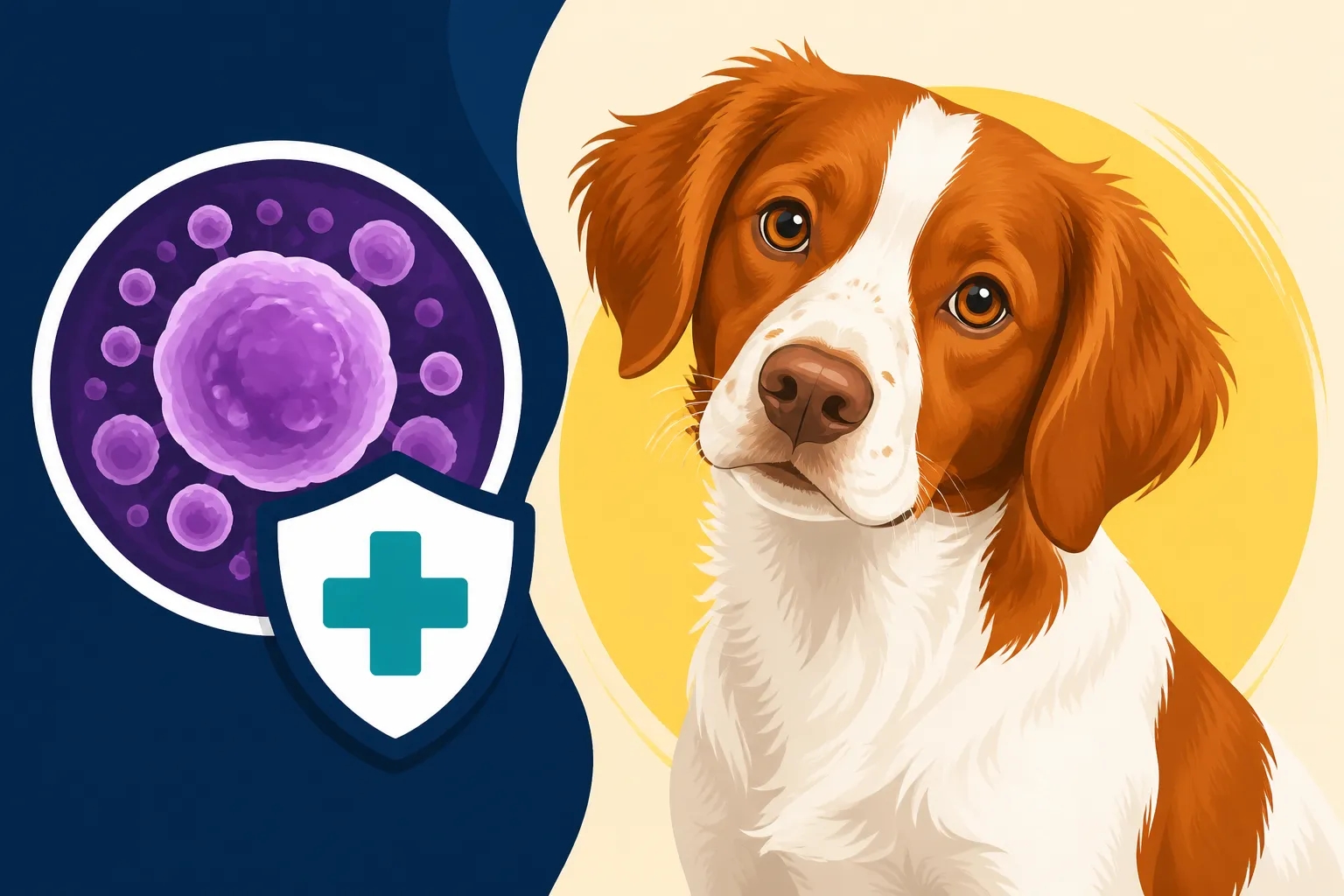
At its core, lymphoma is a cancer of the lymphocytes, which are a type of white blood cell that plays a crucial role in the immune system. These cells are found throughout the body, but they're particularly concentrated in lymph nodes, the spleen, bone marrow, and other lymphoid tissues. When these lymphocytes become cancerous, they can multiply uncontrollably, leading to the enlargement of lymph nodes and impacting various organs.
There isn’t just one type of lymphoma; it's more like a group of cancers with similar characteristics. The most common form seen in dogs, including our Brittanys, is multicentric lymphoma, where multiple lymph nodes throughout the body become enlarged. You might feel these as firm, non-painful lumps under your dog’s jaw, in their armpits, or behind their knees. Other forms include alimentary lymphoma, affecting the gastrointestinal tract; mediastinal lymphoma, impacting lymph nodes in the chest; and extranodal lymphoma, which can show up in unusual places like the skin, eyes, or central nervous system. Each type presents its own unique set of challenges and symptoms, making a precise diagnosis critical for proper treatment.
Why Brittanys and Cancer?
It's natural to wonder, "Why my Brittany?" While no breed is entirely immune to cancer, some breeds do seem to have a higher predisposition to certain types. When considering Whether the Brittany Is a Healthy Breed, it's important to acknowledge that like many purebred dogs, Brittanys can be susceptible to various health issues, including cancers. Studies on canine cancers have shown that while lymphoma can affect any dog, some breeds, such as Golden Retrievers, Boxers, and even some Setters, are noted for a higher incidence. For Brittanys, while they might not be at the very top of the list for lymphoma prevalence, they are certainly not exempt. It's one of the Which Cancers a Brittany Spaniel Gets, and it's a concern that every owner should be aware of.
The exact reasons for breed-specific cancer tendencies are complex and often involve a combination of genetics, environmental factors, and even lifestyle. While researchers are continually working to unravel these connections, it means that for Brittany owners, vigilance and regular veterinary check-ups are incredibly important. The genetic lineage of Brittanys, with their long history as dedicated hunting dogs, might contribute to certain genetic markers that could influence cancer risk, but definitive links specifically for lymphoma in Brittanys are still an area of ongoing research. What we do know is that a healthy lifestyle and proactive care can go a long way in supporting your dog’s overall well-being and potentially mitigating some risks.
Recognizing the Signs of Lymphoma in Your Brittany
Catching cancer early is often key to better outcomes. This means being intimately familiar with your Brittany and diligently checking for any changes. It can be easy to dismiss subtle signs, especially if your dog is usually robust and active, but knowing what to look for can make all the difference.
Common Symptoms and Where to Look
The most recognizable sign of multicentric lymphoma is the sudden, non-painful enlargement of superficial lymph nodes. These are like little sentinel stations of the immune system scattered throughout your dog’s body. Learning How to Check a Brittany for Lumps regularly can be incredibly empowering. Start by gently feeling under your Brittany's jaw, behind their ears, in their armpits, in the groin area, and behind their knees. These nodes, when healthy, are usually small, soft, and difficult to pinpoint. However, with lymphoma, they can swell to the size of marbles or even golf balls, feeling firm and distinct.
Beyond palpable lumps, other common symptoms can include:
- Lethargy and decreased activity: Your typically energetic Brittany might seem less enthusiastic about walks, playing, or hunting. They might sleep more than usual or just seem generally "off."
- Weight loss: This can occur even if your dog is eating normally, or it might be accompanied by a decreased appetite.
- Swelling in the face or legs: If lymph nodes in certain areas are severely enlarged, they can sometimes cause localized swelling.
- Increased thirst and urination: While not exclusive to lymphoma, these can be signs of underlying health issues that warrant investigation.
- Changes in breathing or coughing: If lymphoma affects lymph nodes in the chest, it can put pressure on the airways, leading to respiratory issues.
It's crucial to remember that these symptoms can also indicate other, less serious conditions. However, any persistent or unusual changes should always prompt a visit to your veterinarian. When you consider How Often a Brittany Needs a Wellness Exam, these routine check-ups are precisely when a veterinarian might notice these subtle changes.
Less Obvious Indicators
Sometimes, lymphoma doesn't present with the classic swollen lymph nodes right away, or it might be a less common form that affects internal organs first. These subtle, less obvious indicators can be tricky to spot but are equally important to heed.
For instance, if your Brittany has alimentary lymphoma, symptoms might be primarily gastrointestinal. You could see:
- Vomiting: Frequent or persistent vomiting that doesn't resolve with typical dietary adjustments.
- Diarrhea: Chronic diarrhea, sometimes with blood or mucus, can be a sign.
- Loss of appetite: Your dog might start refusing meals or eating significantly less.
- Abdominal discomfort or bloating: They might resist touch around their belly or appear generally uncomfortable.
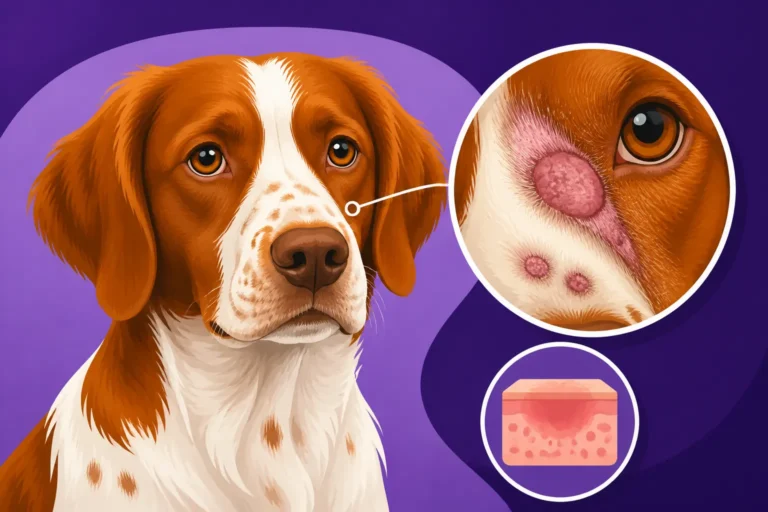
With extranodal lymphoma affecting the skin, you might notice skin lesions that don't heal, unusual bumps, or patches of redness and scaling. Ocular lymphoma can cause changes in eye appearance, redness, or vision problems. A sudden, unexplained lameness could even be a sign if lymphoma has spread to the bone.
Behavioral changes can also be a red flag. A normally affectionate Brittany might become withdrawn, or an outgoing one might seem anxious. These kinds of shifts in What a Brittany's Temperament Is Really Like often signal that something deeper is affecting their well-being. Keeping a journal of your dog's eating habits, energy levels, and any unusual observations can be incredibly helpful for your vet in piecing together the puzzle. Don't underestimate your intuition; if you feel like something isn't right with your Brittany, trust that feeling and seek professional advice.
Diagnosis and Treatment Options for Brittany Lymphoma
Hearing the word "cancer" for your beloved Brittany is devastating. But understanding the diagnostic process and available treatment options can help you feel more in control and make informed decisions for your dog’s care.
The Diagnostic Journey
If your vet suspects lymphoma based on your Brittany's symptoms and physical exam, they will recommend a series of tests to confirm the diagnosis and determine the extent of the disease. This journey typically begins with fine needle aspirates (FNAs) of any enlarged lymph nodes. This quick, minimally invasive procedure involves using a small needle to collect cells from the node, which are then examined under a microscope. While FNAs can often provide a presumptive diagnosis, a surgical biopsy, where a larger piece of tissue is removed, offers a more definitive diagnosis and helps classify the specific type and grade of lymphoma, which is crucial for prognosis and treatment planning.
Further diagnostic steps may include:
- Blood work: A complete blood count (CBC) and biochemistry panel can assess overall health, detect abnormalities in blood cell counts (which lymphoma can cause), and evaluate organ function. What a Brittany's Yearly Bloodwork Should Cover often includes these tests, so your vet will have a baseline.
- Urinalysis: To check kidney function and rule out other issues.
- Imaging: X-rays of the chest and abdomen can help determine if the disease has spread to the lungs or other internal organs, like the spleen or liver. An abdominal ultrasound can provide more detailed images of these organs.
- Bone marrow aspirate: In some cases, to check for lymphoma cells in the bone marrow.
These tests help veterinarians "stage" the cancer, which means determining how far it has spread throughout the body. Staging is vital because it guides treatment decisions and helps predict your Brittany’s prognosis.
Navigating Treatment Paths
Once lymphoma is diagnosed and staged, your veterinary oncologist will discuss treatment options. For most types of canine lymphoma, chemotherapy is the cornerstone of treatment. While the idea of chemotherapy for your dog might sound frightening, it’s often very different from human chemotherapy. Dogs generally tolerate it much better, experiencing fewer and less severe side effects. The goal is to induce remission and improve your dog's quality of life.
A common chemotherapy protocol for multicentric lymphoma is the CHOP protocol, a multi-drug regimen that has shown good success rates in many dogs. This usually involves a series of intravenous and oral medications administered over several weeks or months. Other treatment options, depending on the type and location of the lymphoma, might include:
- Radiation therapy: This can be effective for localized forms of lymphoma or as an add-on to chemotherapy in specific cases.
- Surgery: Rarely curative for multicentric lymphoma, but may be used to remove a single, isolated tumor (e.g., in extranodal lymphoma) or to remove an affected spleen.
- Immunotherapy: Newer treatments that aim to boost the dog’s immune system to fight cancer cells.
- Palliative care: For some dogs, especially those with advanced disease or if owners opt against aggressive treatment, palliative care focuses on managing symptoms and maintaining comfort and quality of life.
The prognosis for Brittanys with lymphoma varies widely depending on the type, stage, and grade of the cancer, as well as how well they respond to treatment. Some dogs can achieve remission for a year or more, while others may have a shorter response. It’s a journey that requires close collaboration with your veterinary team and a clear understanding of the goals for your particular Brittany.
Living with a Brittany Diagnosed with Lymphoma
A lymphoma diagnosis doesn't mean the end of the road. Many Brittanys go on to live fulfilling lives for months, and sometimes years, with proper care and management. It’s about focusing on their quality of life and providing the best possible support.
Supporting Your Dog Through Treatment
If your Brittany undergoes chemotherapy, your role in supporting them at home becomes paramount. While dogs generally tolerate chemo well, they can still experience side effects. These might include temporary loss of appetite, mild nausea, vomiting, or diarrhea. Your vet will provide anti-nausea medications and specific instructions on how to manage these symptoms. Keeping a close eye on your dog's appetite and energy levels and reporting any concerns to your vet immediately is crucial.
During this time, ensuring your Brittany is comfortable, well-hydrated, and eating nutritious meals is vital. You might need to adjust their feeding schedule or offer bland, easy-to-digest foods if their stomach is upset. Make sure they have a quiet, comfortable place to rest, and keep their exercise gentle and enjoyable. Remember, the goal of treatment is not just to extend life, but to preserve a good quality of life. Don't push them too hard, especially on hunting trips; an Aging Brittany Should Still Be Hunted but adjustments are often necessary. Enjoy quiet walks and cuddle time, cherishing every moment.
This is also where considering pet insurance, such as through a provider like Healthy Paws, can be incredibly helpful. Cancer treatments, especially chemotherapy and advanced diagnostics, can be very expensive. Having a plan like Healthy Paws in place can significantly alleviate the financial burden, allowing you to focus on your Brittany's care without the added stress of overwhelming bills.
The Emotional Toll on Owners
Let’s be honest, having a dog diagnosed with cancer is emotionally draining. It's perfectly normal to feel a whirlwind of emotions: shock, sadness, fear, anger, and even guilt. Many owners feel isolated, struggling with difficult decisions about treatment paths, finances, and ultimately, quality of life. You are not alone in these feelings.
It’s important to give yourself grace and seek support if you need it. Talk to your veterinary team; they can offer resources, answer your questions, and provide guidance. Connecting with other dog owners who have gone through similar experiences can also be incredibly comforting. Online forums, support groups, or even local meet-ups can provide a safe space to share your feelings and gather insights.
Focusing on the positive aspects of your Brittany’s life and enjoying the time you have together can also be healing. Make new memories, capture photos, and simply revel in their companionship. And when the difficult decisions inevitably arise, remember that you are doing your best for your beloved companion. The financial implications can be significant, as reflected in What a Brittany's Final Illness Costs, and knowing you’ve explored all options and made choices with love is what truly matters.
Prevention and Early Detection Strategies
While we can't completely prevent cancer in our beloved Brittanys, there are certainly steps we can take to promote their overall health and increase the chances of early detection, which often leads to better prognoses.
General Wellness and Lifestyle
A strong foundation of general wellness is crucial for any dog. For a Brittany, this means a balanced diet, consistent exercise, and regular veterinary care.
- Nutrition: Feed your Brittany a high-quality, nutritionally complete dog food appropriate for their age, activity level, and any specific health needs. Brands like Purina Pro Plan Sport or Eukanuba Premium Performance are often recommended for active breeds, providing the energy and nutrients a Brittany needs. Avoid excessive treats and human food scraps, which can lead to obesity and other health issues. Understanding How Much an Adult Brittany Eats can help you maintain a healthy weight.
- Exercise: Brittanys are energetic dogs that need a significant amount of physical activity to thrive. Regular walks, runs, and opportunities to explore safely off-leash in appropriate environments are essential. A well-exercised Brittany is generally a healthier and happier Brittany. However, avoid over-exercising young dogs, and adjust activity levels for senior Brittanys or those undergoing treatment.
- Weight Management: Maintaining a healthy weight is critical. Obesity is linked to numerous health problems, including an increased risk of certain cancers. Regularly assess your Brittany's body condition score – you should be able to easily feel their ribs but not see them prominently, and they should have a discernible waist.
- Vaccinations and Parasite Control: Keep your Brittany up-to-date on all recommended vaccinations and maintain a consistent schedule for flea, tick, and heartworm prevention. While these don't directly prevent lymphoma, they contribute to overall immune health and prevent other diseases that could weaken your dog.
- Environmental Factors: Minimize exposure to known carcinogens where possible. This might include avoiding certain lawn chemicals, herbicides, or excessive secondhand smoke.
These holistic approaches contribute to your Brittany’s resilience and long-term health, potentially bolstering their ability to ward off diseases.
The Importance of Proactive Monitoring
Beyond general wellness, proactive monitoring is your best defense against serious diseases like lymphoma. You are your Brittany's first and most important advocate.
- Regular At-Home Checks: Make it a habit to perform regular "lump checks" on your Brittany, perhaps once a month, as described in How to Check a Brittany for Lumps. This familiarizes you with their normal body topography, making it easier to spot any new or unusual lumps or bumps. Pay attention to the lymph nodes, but also feel over their entire body, including their belly, chest, and legs.
- Observe Behavior and Habits: Be observant of any changes in your Brittany's energy levels, appetite, water intake, bathroom habits, or general demeanor. A sudden decrease in enthusiasm for their favorite activities, unexplained weight loss, or persistent gastrointestinal upset should never be ignored.
- Annual Veterinary Exams: Even if your Brittany seems perfectly healthy, annual (or even twice-yearly for older dogs) veterinary check-ups are non-negotiable. These visits allow your vet to perform a thorough physical examination, including palpating lymph nodes, listening to their heart and lungs, and performing routine blood work. Early detection through these routine exams can be life-saving. Remember the importance of Caring for an Old Brittany as they age; these check-ups become even more critical.
- Open Communication with Your Vet: Don't hesitate to discuss any concerns, no matter how minor they seem, with your veterinarian. They are your partner in your Brittany’s health journey and can provide expert guidance and peace of mind.
By combining a healthy lifestyle with diligent at-home monitoring and professional veterinary care, you are giving your Brittany the best possible chance at a long, healthy, and happy life, maximizing their The Twelve to Fourteen Years a Brittany Gets. This proactive approach is a testament to the deep bond you share with your faithful companion.
Disclaimer
The information provided in this article is for educational purposes only and should not be considered a substitute for professional veterinary advice. Always consult with your veterinarian for any health concerns or before making any decisions related to your Brittany's medical care.