When a Brittany’s Thyroid Should Be Tested
It’s a crushing feeling when your usually vibrant, indefatigable Brittany starts to slow down, gain weight, or develops a dull coat, leaving you wondering what on earth could be wrong. Many of us attribute these subtle shifts to age, a less active season, or even just a phase, but sometimes, these changes whisper of an underlying health issue: an underactive thyroid. This guide is here to shed light on when and why thyroid testing becomes a crucial part of ensuring your beloved Brittany maintains its hallmark zest for life.
Understanding Hypothyroidism in Brittanys
When you think of a Brittany, you probably picture a blur of orange and white tearing through the fields, an unstoppable force of nature with endless energy and a keen nose. So, when that energy starts to wane, or their sleek coat begins to look a bit off, it can be truly perplexing. Hypothyroidism, a condition where the thyroid gland doesn't produce enough hormones, is more common in dogs than many owners realize, and it can significantly impact your Brittany's overall health and performance.
Why Thyroid Health Matters for an Active Brittany
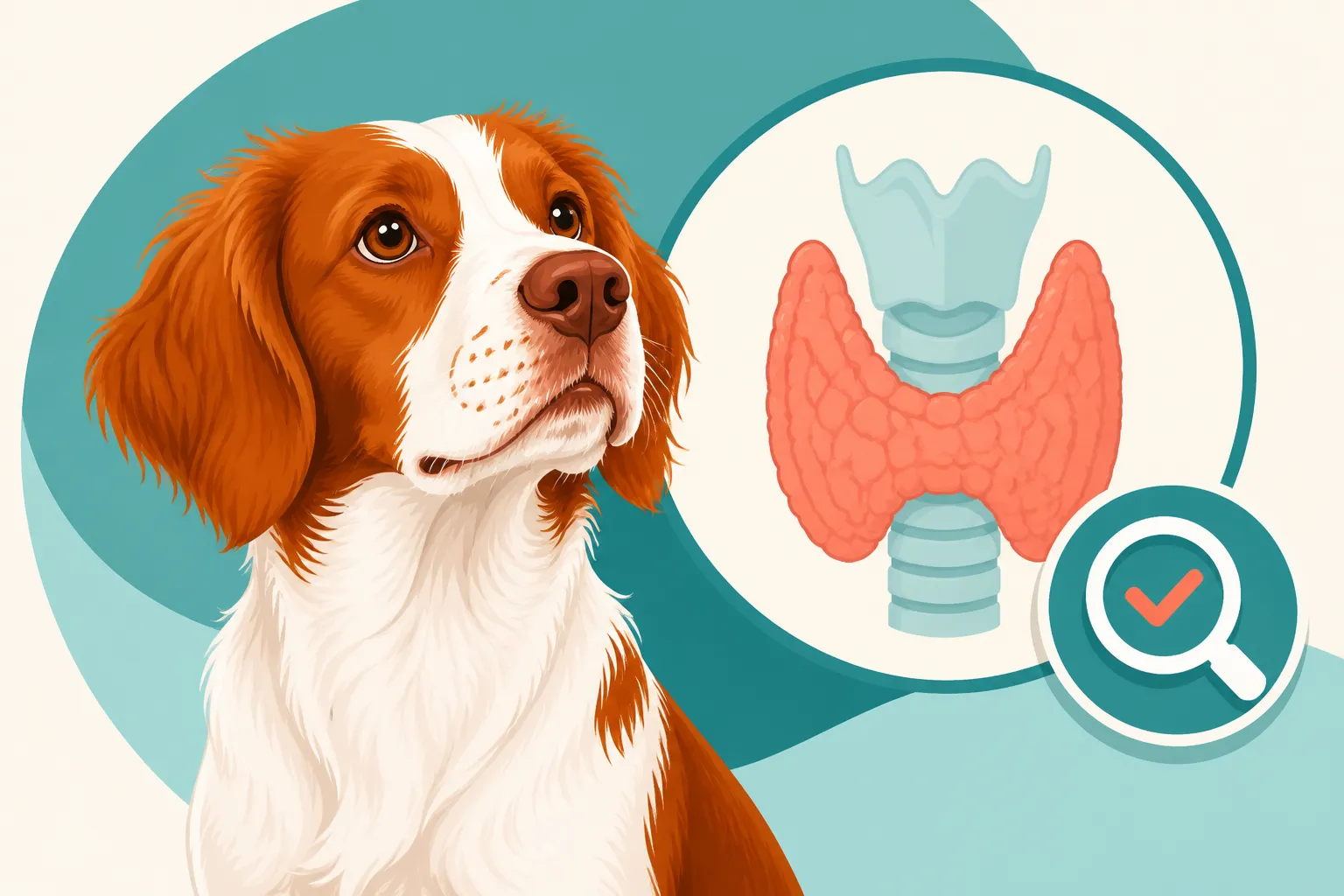
The thyroid gland, located in your dog's neck, acts like the body's internal thermostat and energy regulator. It produces hormones that control metabolism, influencing everything from heart rate and body temperature to digestion and skin health. For a Brittany, a breed renowned for its athletic prowess and stamina in the field, a properly functioning thyroid is absolutely non-negotiable. Imagine trying to run a marathon with faulty engine parts – that's essentially what a hypothyroid Brittany is facing.
A slow thyroid means a slow metabolism. This can translate into a noticeable dip in energy levels, making your Brittany less eager to train or hunt, and recovering much more slowly after exercise. Owners might mistakenly attribute this lethargy to a lack of drive or simply an off day, leading to frustration for both dog and human. When your dog is truly struggling with a medical issue, it’s heartbreaking to realize you’ve been misinterpreting their signals. Their beautiful, hard-working bodies depend on that finely tuned system, and when it's out of whack, their passion for the field can suffer immensely.
Common Symptoms That Might Signal a Problem
The tricky part about hypothyroidism is that its symptoms are often subtle, varied, and can easily mimic other conditions or simply the natural progression of aging. This is why many owners don't immediately suspect a thyroid issue. One of the most common signs is unexplained weight gain, even if your Brittany's diet hasn't changed or their activity level has only slightly decreased. They might start looking a bit pudgy, especially around the midsection, which for a lean, athletic Brittany, is certainly out of character.
Another frequent complaint revolves around changes in their coat and skin. You might notice their fur becoming dry, brittle, or thinning out, especially along their flanks or tail. Some dogs develop "rat tail," where the tail hair thins significantly. Chronic skin infections, excessive dandruff, or even a dull, lifeless coat can also be indicators. Beyond these, general lethargy, increased intolerance to cold temperatures (they might seek out warm spots more often), and even changes in temperament like increased irritability or nervousness can point towards a low thyroid. It’s not always a dramatic shift; sometimes it’s just a gradual decline in their usual sparkle that, over time, becomes impossible to ignore. For a deep dive into these indicators, check out our guide on Signs a Brittany's Thyroid Is Low.
Recommended Testing Timelines and Triggers
Given the subtle nature of hypothyroidism, knowing when to test your Brittany's thyroid is key to early detection and effective management. It's not always about waiting for obvious signs of illness; proactive screening can be incredibly beneficial, especially for a breed as active and predisposed to certain conditions as the Brittany.
Routine Wellness Checks and Age-Related Screening
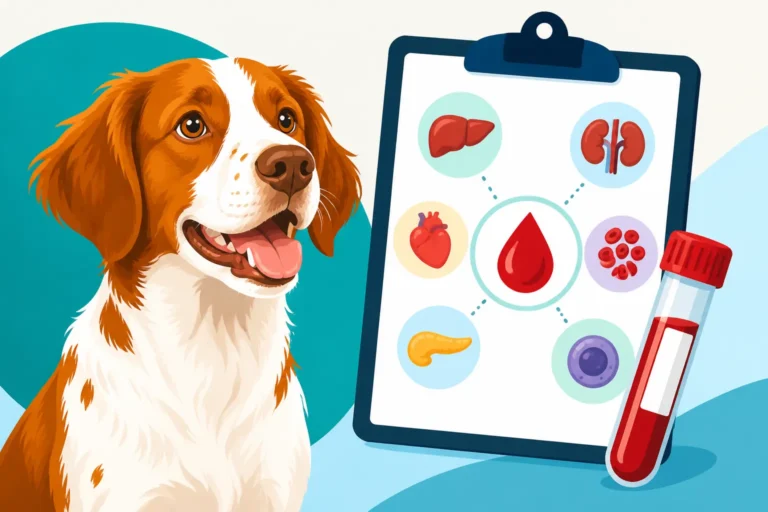
For most healthy Brittanys, your veterinarian will likely recommend routine bloodwork as part of their annual wellness exams, especially once they reach middle age. While there isn't a universally mandated "thyroid age" for all breeds, many vets suggest including a baseline thyroid panel in the bloodwork around 5-7 years of age. This initial test provides a crucial reference point for your dog's normal thyroid hormone levels. If levels begin to fluctuate in subsequent years, you'll have their individual baseline to compare against, making it much easier to spot a trend.
As your Brittany progresses into their senior years, which typically begins around 8-10 for a dog of their size, more frequent thyroid screening becomes even more important. Just like humans, older dogs are more prone to developing hormonal imbalances. Regular testing can catch conditions like hypothyroidism before they significantly impact your dog's quality of life. For more on caring for older dogs, consider our article The Age a Brittany Is Considered Senior and Caring for a Brittany Past Ten. These routine checks are a cornerstone of preventative care, allowing your vet to monitor overall health, including organ function and hormone levels, before a problem becomes severe. It’s all part of the essential care outlined in What a Brittany's Yearly Bloodwork Should Cover.
When Symptoms Dictate Immediate Testing
While routine screening is great, sometimes symptoms pop up that warrant immediate attention regardless of your Brittany's age or last check-up. If you observe a combination of the signs we discussed earlier—unexplained weight gain, a dull or thinning coat, chronic skin issues that don't respond to typical treatments, or a noticeable and persistent drop in energy levels—it's time to talk to your vet about a thyroid panel right away. Even if your Brittany is generally considered The Brittany Is One of the Healthiest Sporting Breeds, these symptoms should not be ignored.
Think about it: your Brittany is usually a high-octane dog. If they suddenly become a couch potato, struggle to keep up on walks, or seem constantly tired even after a good night's sleep, these are significant red flags. Don't dismiss these changes as just "laziness" or "getting old too fast." Brittanys are notoriously stoic and can often How a Brittany Hides Pain, so by the time you notice overt symptoms, the condition may have been progressing for a while. A thorough examination and comprehensive bloodwork, including a full thyroid panel, can quickly rule out or confirm hypothyroidism, allowing for prompt treatment. Remember, your regular How Often a Brittany Needs a Wellness Exam is the perfect opportunity to bring up any new or lingering concerns.
Pre-Breeding Screening and Inherited Tendencies
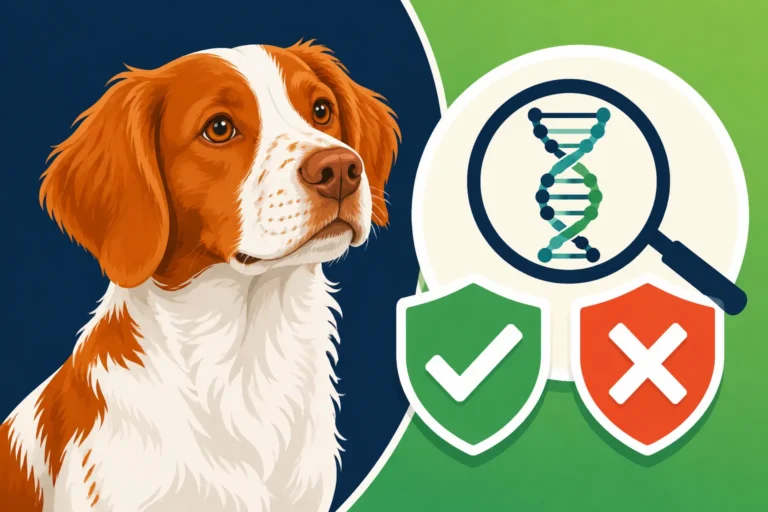
For those involved in breeding Brittanys, health testing goes beyond routine care and becomes a vital responsibility. While hypothyroidism isn't typically listed as a primary genetic disease for Brittanys in the same way hip dysplasia or C3 deficiency might be, responsible breeders still include thyroid panels as part of their comprehensive health screening. This helps ensure that breeding stock is robust and healthy, reducing the likelihood of passing on predispositions to any health issues, even if the genetic link for hypothyroidism is complex and not fully understood.
Reputable breeding organizations and health registries often recommend a full panel of tests for breeding animals to ensure the health of future generations. Organizations like the Orthopedic Foundation for Animals (OFA) also provide avenues for thyroid certification. Screening breeding dogs provides valuable insight into their overall health and helps breeders make informed decisions. It's an essential component of the thorough health checks detailed in What a Brittany Spaniel Breeder Should Have Tested, ensuring that the admirable qualities of the Brittany are preserved and enhanced through healthy lineage.
Here's a quick reference table for common thyroid symptoms and when to consider testing:
| Symptom Category | Specific Observations | When to Consider Testing | Importance for Brittany Owners |
|---|---|---|---|
| Energy & Activity | Lethargy, reduced stamina, decreased interest in play | Any sudden or persistent drop in typical energy | Directly impacts hunting performance and quality of life |
| Weight | Unexplained weight gain despite diet/exercise | Persistent weight increase, difficulty losing weight | Can lead to obesity and related health issues |
| Coat & Skin | Dry, brittle, thinning coat; dandruff, chronic infections | Persistent skin issues, dull coat, "rat tail" | Affects comfort, appearance, and skin barrier function |
| Temperature | Increased cold intolerance, seeking warm spots | Noticeable change in comfort in cooler temperatures | Indicates metabolic slowdown |
| Behavior | Increased irritability, nervousness, mental dullness | Changes in temperament, uncharacteristic behavior | Can impact trainability and household harmony |
| Routine Care | No symptoms present | Annually after age 5-7, or per vet recommendation | Baseline monitoring, early detection |
| Breeding | Healthy adults | Pre-breeding health panel | Responsible breeding practices, genetic health |
The Testing Process and What to Expect
Once you and your vet decide that a thyroid panel is warranted for your Brittany, understanding the testing process can help alleviate any concerns. It's a relatively straightforward procedure, but knowing what's involved and what the results mean is crucial for appropriate follow-up.
The Different Types of Thyroid Tests
When your vet talks about a "thyroid panel," they're not just looking at one number. Several different blood tests give a comprehensive picture of your Brittany's thyroid function. The most common include:
- Total T4 (Thyroxine): This measures the total amount of thyroid hormone circulating in the blood, both bound to proteins and free. It's often the first screening test, but it can be influenced by many factors like other illnesses, certain medications (e.g., steroids, phenobarbital for epilepsy), or even diet.
- Free T4 (FT4): This measures only the unbound, active form of thyroxine. Because it's less affected by non-thyroidal illnesses or medications, it's considered a more accurate indicator of actual thyroid function. If the total T4 is low, your vet will almost certainly recommend a free T4 test to get a clearer picture.
- TSH (Thyroid-Stimulating Hormone): This hormone is produced by the pituitary gland in the brain. If the thyroid isn't producing enough T4, the pituitary gland tries to stimulate it by cranking out more TSH. So, a high TSH level, combined with low T4/FT4, is a classic sign of primary hypothyroidism.
- Thyroid Autoantibodies (TgAA): These tests look for antibodies that attack the thyroid gland itself. Their presence indicates an autoimmune thyroiditis, which is a common cause of hypothyroidism in dogs. Detecting these antibodies can help confirm an autoimmune origin for the disease.
A full thyroid panel usually includes all these components. It's important to discuss with your vet which tests are most appropriate for your Brittany's specific situation, especially if they are on any long-term medications, as these can impact results. For example, if your Brittany is receiving treatment for Epilepsy in a Brittany Spaniel, the medication could affect thyroid test accuracy.
Interpreting the Results and Next Steps
Once the blood samples are analyzed, your vet will interpret the results. Typically, a diagnosis of hypothyroidism is made when your Brittany has low levels of T4 and/or free T4, combined with a high TSH level. The presence of thyroid autoantibodies further strengthens the diagnosis of autoimmune thyroiditis. However, interpretation isn't always black and white. Sometimes a dog might have low T4 due to another illness or medication (known as "euthyroid sick syndrome"), even if their thyroid is healthy. This is why a full panel and clinical signs are so important.
If hypothyroidism is diagnosed, the next step is straightforward: starting medication. Your vet will prescribe synthetic thyroid hormone, usually levothyroxine, which is given orally, typically once or twice a day. The dosage will be carefully calculated based on your Brittany's weight and the severity of their condition. It's not uncommon for the vet to start with a standard dose and then re-test blood levels a few weeks or months later to ensure the dosage is optimal. This fine-tuning process is crucial to get your Brittany feeling their best again. What a Brittany's Yearly Bloodwork Should Cover will typically include these follow-up checks.
Managing Hypothyroidism and Living a Full Life
Receiving a diagnosis of hypothyroidism for your Brittany can initially feel daunting, but the good news is that it’s a highly treatable and manageable condition. With proper care, your Brittany can absolutely return to their energetic, field-loving self and enjoy a long, full life.
Treatment Options and Long-Term Management
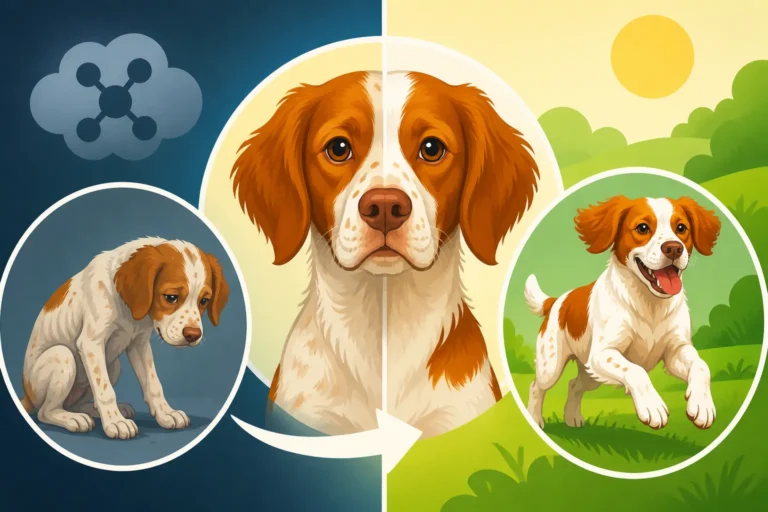
The standard treatment for canine hypothyroidism is remarkably effective: a daily oral medication called levothyroxine (synthetic thyroid hormone). It’s essentially replacing the hormones your Brittany’s body isn’t producing enough of. The transformation after starting medication can be truly amazing. Owners often report seeing a dramatic improvement in their dog's energy levels, a return of their sparkling personality, healthy weight loss (if that was an issue – Whether a Brittany Gets Hypothyroid Weight Gain is a common problem), and a significant improvement in coat and skin condition within a few weeks to a couple of months.
Because hypothyroidism is a lifelong condition, consistent medication is key. Missing doses can lead to a return of symptoms. Your vet will schedule follow-up blood tests, typically within 4-8 weeks of starting medication, to ensure the dosage is correct and the thyroid hormone levels are within the normal range. These check-ups will continue periodically, often every 6-12 months, to monitor your Brittany's response and make any necessary dosage adjustments. It’s an ongoing partnership with your vet, but one that yields incredible rewards in terms of your dog's health and happiness. When considering the long-term costs of chronic medication, having pet insurance like Healthy Paws can provide significant financial relief, making consistent care more accessible. They offer robust coverage that can assist with managing ongoing conditions.
Lifestyle Adjustments and Prognosis
The wonderful news is that a Brittany with properly managed hypothyroidism can absolutely continue to live an active, fulfilling life, including participating in hunting and field activities. You won't need to drastically change their lifestyle. In fact, as their energy levels return, they’ll likely be more eager than ever to hit the field! The key is consistency with their medication and adherence to their veterinary check-ups. Maintaining a healthy weight and a balanced diet will also support their overall well-being.
The prognosis for dogs diagnosed with hypothyroidism and treated with levothyroxine is excellent. They typically go on to lead normal lifespans, full of the vigor and enthusiasm that Brittanys are known for. Early detection, often facilitated by thoughtful and timely testing during routine What a Brittany's Yearly Bloodwork Should Cover or when symptoms first appear, plays a huge role in preventing the condition from severely impacting your dog's health. It allows for quick intervention, restoring their health and ensuring they get to enjoy every one of The Twelve to Fourteen Years a Brittany Gets to the fullest. Thinking ahead about pet insurance can be a smart move, and companies like Healthy Paws often highlight the value of covering chronic conditions once a diagnosis is made, helping you manage unexpected or ongoing medical expenses.
Disclaimer
Please remember that this article provides general information and is not a substitute for professional veterinary advice. Always consult with your veterinarian for any health concerns or before making any decisions about your Brittany's care, diet, or treatment plans. They can provide personalized advice based on your dog's specific health history and needs.