Whether a Brittany Gets Barbed Wire Cuts
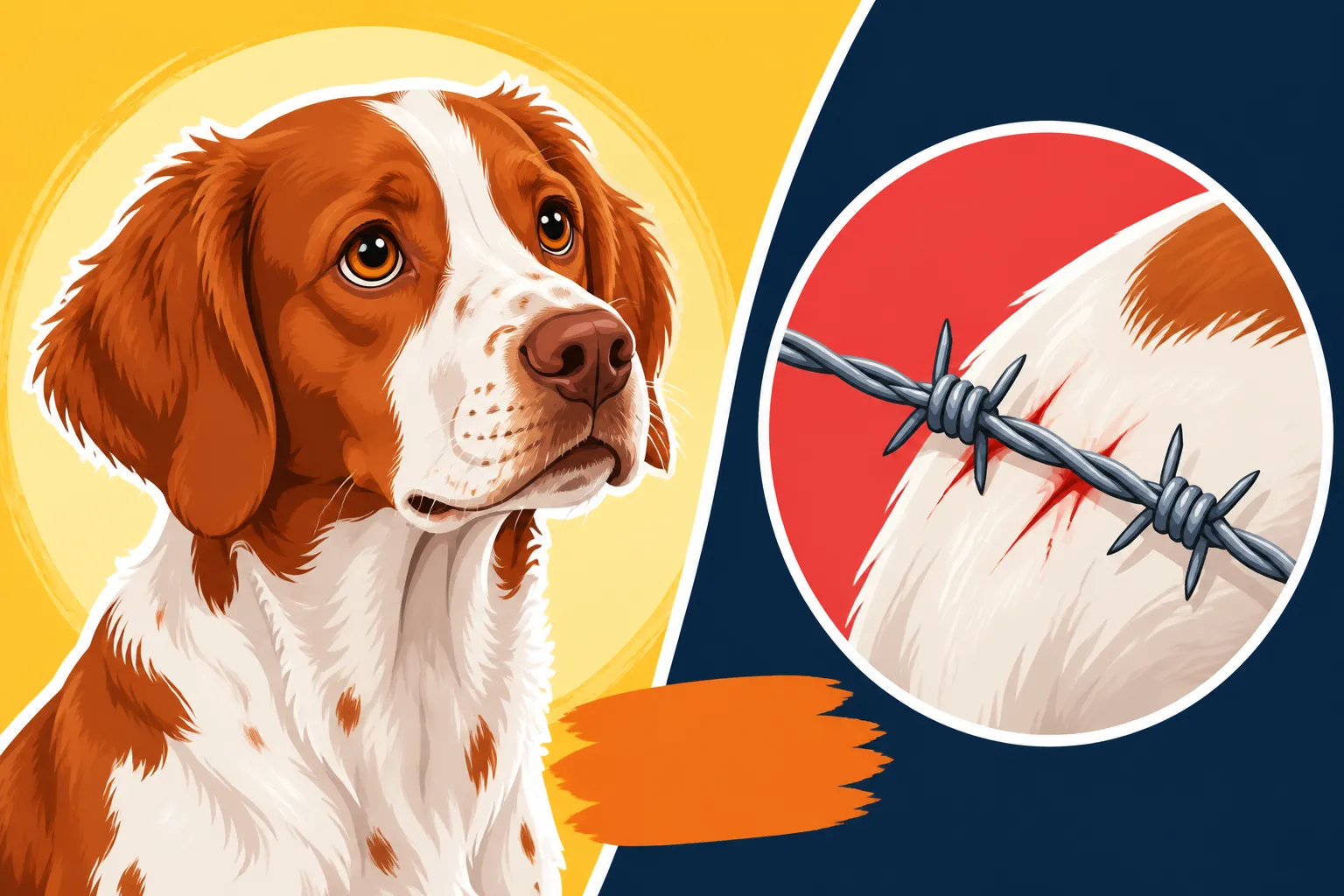
There’s almost nothing more heart-stopping for a Brittany owner than seeing your dog, full of drive and focused on a scent, suddenly yelp and pull back, bleeding from a barbed wire entanglement. It’s a gut-wrenching moment that many of us have faced or live in fear of. This guide is here to walk you through understanding why these injuries happen, how to try and prevent them, what immediate steps to take if your beloved hunting companion gets cut, and what to expect during their recovery.
The Inevitable Encounter: Why Barbed Wire is a Constant Threat for Brittanys
Let's be honest, our Brittanys live for the thrill of the hunt. They're bred for boundless energy, an incredible nose, and the determination to push through any cover to find birds. This very enthusiasm, while admirable in the field, is precisely what makes them so vulnerable to hazards like barbed wire. It's not a matter of if, but often when, they might encounter such a danger, especially when working in less-than-groomed terrain.
The Brittany's Drive and Dense Cover
Imagine your Brittany, nose to the ground, locked onto a scent. Their world narrows to that bird. They're moving fast, crashing through thick briar patches, tall grass, and dense brush – the very places where old, forgotten fence lines or fallen barbed wire might be lurking. They aren't looking for obstacles; they're looking for game. Their focus is so intense that they often don't see the danger until they're already entangled. This intense focus, combined with their athletic build and eagerness, means they're not picking their way through cautiously like a person might. They are simply driven to find the bird, and that can lead them straight into trouble.
Vulnerability of Feathering and Body Parts
A Brittany's beautiful feathering, especially on their legs, belly, and ears, is a double-edged sword when it comes to barbed wire. While it looks magnificent, it's also incredibly easy for the sharp barbs to snag. Once caught, the dog's natural instinct to pull away can tear the skin much more severely than if their coat was shorter and tighter. We've all seen how easily burrs cling to that feathering; imagine something far more unforgiving.
The most common spots for these painful cuts are the legs and paws, as they are the first parts to impact the wire. Often, you'll find cuts on the chest and belly as they push through, or on the ears if they're caught while turning their head. A snagged ear can result in a frantic thrashing that causes significant damage. Even their pads, as tough as they are, can get sliced if they step directly onto a barb. If you've ever dealt with a dog cutting its pads on stubble, you know the frustration; barbed wire is a whole different level of injury.
Prevention and Preparedness: Minimizing Risk in the Field
While we can't eliminate every risk our adventurous Brittanys face, we can certainly take proactive steps to reduce the likelihood and severity of barbed wire injuries. It's all about being prepared and constantly vigilant, traits that serve any serious bird hunter well.
Scouting and Situational Awareness
The absolute best defense is a good offense: know your hunting grounds. Before letting your Brittany loose, especially in new areas or at the start of a season, take the time to walk the perimeter. Look for old fence lines, discarded wire, and any other potential hazards. Often, these dangers are hidden under overgrown vegetation. Even if you think you know a spot like the back of your hand, conditions change. Fences fall, property lines shift, and new dangers can appear overnight.
During the hunt itself, maintain constant situational awareness. Keep an eye not just on your dog, but on the landscape ahead of them. Use your knowledge of the terrain to anticipate where an old fence might run. If you see your dog heading towards a suspicious thicket or area where barbed wire might be, use your recall command. A strong recall is paramount for preventing accidents. Remember, the goal is to intervene before they get tangled, not after.
Protective Gear for Your Working Dog
Just like you wear appropriate gear for hunting, your Brittany can benefit from protective equipment. While no gear is foolproof against every hazard, it can significantly reduce the risk and severity of injuries.
- Vests: A durable protective vest can shield your Brittany's chest and belly, which are frequently exposed to barbs as they push through cover. These vests come in various materials, from tough canvas to waterproof neoprene. Neoprene vests are particularly useful if your hunt involves water, as they also offer thermal protection. While they might slightly restrict movement, the trade-off in injury prevention is often worth it. Make sure the vest fits snugly but allows for full range of motion, and check for chafing regularly, especially on long hunting days.
- Boots: Paw pads are surprisingly vulnerable. Whether a Brittany Needs Boots in the Field is a common question among owners. While some dogs tolerate them better than others, boots can protect against cuts, abrasions, and even ice balls in colder weather. If your hunting grounds are known for sharp stubble, rocks, or potential wire, boots can be invaluable. Introduce them slowly during training sessions so your dog gets accustomed to wearing them before a real hunt. Always check inside the boots for debris and ensure they aren't rubbing uncomfortably.
The Essential Field First Aid Kit
You simply cannot head into the field without a well-stocked first aid kit specifically for your dog. This isn't just a suggestion; it's a necessity. Injuries happen, and being able to address them immediately can make a huge difference in your Brittany's outcome and comfort.
| Item | Purpose |
|---|---|
| Non-stick gauze pads | Covering wounds, absorbing blood |
| Self-adhering bandage | Securing gauze, providing light compression (e.g., VetWrap) |
| Antiseptic wipes/spray | Cleaning minor cuts (e.g., Betadine, chlorhexidine) |
| Saline solution | Flushing wounds to remove dirt and debris |
| Blunt-nosed scissors | Cutting bandages, trimming fur around wound (carefully!) |
| Tweezers/Hemostats | Removing thorns, small splinters, or shallow barbs (use extreme caution) |
| Medical tape | Securing bandages |
| Clean towel | Drying, applying pressure |
| Muzzle (soft) | For safety during treatment if dog is in pain |
| Liquid bandage | Sealing minor cracks/scrapes on pads |
What a First Aid Kit for a Brittany Should Hold goes into even greater detail, but this table gives you a strong starting point. Regularly check and replenish your kit to ensure everything is fresh and readily available. This kit will also come in handy for other common field injuries, such as How to Treat a Brittany's Torn Pad or even removing troublesome Where a Foxtail Lodges in a Brittany.
Immediate Action and Field First Aid for Barbed Wire Injuries
Despite all precautions, sometimes a barbed wire cut is unavoidable. When it happens, your calm and swift action can be crucial for your Brittany's well-being. Panic helps no one, so take a deep breath and follow these steps.
Securing Your Dog and Assessing the Wound
The moment you realize your Brittany is injured, your first priority is to get them safely under control. Use your recall or lead them gently back to you. If they're in pain, they might be disoriented or even snap, which is a natural reaction, not an attack. A soft muzzle from your first aid kit can be invaluable here, protecting both of you during examination and treatment.
Once secured, carefully assess the wound.
- Location: Where is the cut? Is it on a joint, near an eye, or in a fleshy area? Cuts on joints or the head are often more serious.
- Depth: Is it just a superficial scratch, or is it a deep laceration? Can you see muscle or bone?
- Bleeding: How much blood is there? Is it a steady ooze, or is it spurting (indicating arterial bleeding, which is a severe emergency)?
- Debris: Are there any bits of wire, dirt, or plant matter embedded in the wound?
Remember, your Brittany might hide pain, so a thorough, gentle check is important.
Cleaning and Controlling Bleeding
With your dog calm and secured, it's time to address the wound.
- Stop Bleeding: For most cuts, applying direct, firm pressure with a clean gauze pad or towel for several minutes will help control bleeding. Don't lift the pad to check; just keep the pressure steady. If blood soaks through, add another pad on top without removing the first.
- Clean the Wound: Once bleeding is under control, the next critical step is cleaning. Use saline solution (which should be in your first aid kit) or clean water to thoroughly flush the wound. This helps remove dirt, debris, and any potential bacteria. Gently pat the area dry around the wound with clean gauze. If you have antiseptic wipes or spray, you can use them around the wound, but avoid getting harsh chemicals directly into deep tissue.
- Remove Debris: If there are any loose pieces of wire, thorns, or easily visible foreign objects, you can gently try to remove them with tweezers or hemostats. Never dig for embedded objects, especially deeply, as you could cause more damage or introduce infection. Leave deeply embedded items for a veterinarian.
Temporary Bandaging and Transport
After cleaning, apply a clean, non-stick gauze pad over the wound. Then, use a self-adhering bandage (like VetWrap) or medical tape to secure the gauze. The goal of this field bandage is to protect the wound from further contamination, keep it clean, and provide light pressure to discourage further bleeding during transport. Do not wrap it too tightly, as this can cut off circulation. You should be able to slip two fingers under the bandage easily.
Once the wound is dressed, transport your Brittany to a veterinary clinic as soon as possible. Even seemingly minor cuts can become infected, and deep lacerations almost always require professional closure. If you have pet insurance, calling your provider, like Healthy Paws, on the way to the clinic can help you understand your coverage and what to expect regarding costs. This preparedness can significantly reduce stress when facing unexpected emergencies like How to Close a Brittany's Field Laceration.
Veterinary Care, Healing, and Long-Term Recovery
Even with the best field first aid, a barbed wire cut usually warrants a trip to the vet. These injuries are often deeper and more contaminated than they appear, and professional care is essential for proper healing and to prevent complications.
When to Seek Professional Help
Frankly, assume any barbed wire cut requires veterinary attention. While a tiny superficial scratch might be okay to monitor, it's always safer to err on the side of caution. Definitely head to the vet if your Brittany has:
- A deep cut where muscle or fat is visible.
- A wound that continues to bleed heavily despite pressure.
- A cut near a joint, tendon, eye, or major blood vessel.
- Signs of lameness or difficulty bearing weight after the injury.
- Embedded foreign objects you couldn't safely remove.
- Any wound that is wide open and gaping.
- Cuts on the ear, as these tend to bleed profusely and are difficult to bandage at home.
Veterinary Procedures and Healing Process
At the clinic, your vet will thoroughly examine your Brittany and the wound. This often involves:
- Sedation or Anesthesia: Depending on the dog's pain level and the wound's location, sedation or light anesthesia might be necessary for a complete and thorough cleaning.
- Clipping and Cleaning: Hair around the wound will be clipped to prevent contamination, and the area will be meticulously cleaned and disinfected.
- Debridement: The vet may need to remove any dead or damaged tissue from the wound edges to promote healthy healing. This is a crucial step that prevents infection and allows for cleaner closure.
- Suturing: For deeper or gaping wounds, the vet will carefully stitch the layers of tissue and skin back together.
- Antibiotics and Pain Management: Almost all barbed wire cuts warrant a course of antibiotics to prevent or treat bacterial infections. Pain medication will also be prescribed to keep your Brittany comfortable during recovery.
- Wound Care Instructions: You'll receive detailed instructions for at-home wound care, which might include cleaning the wound daily, applying topical ointments, and changing bandages.
The healing process will take time. Your Brittany will likely need to wear an Elizabethan collar (the dreaded "cone of shame") to prevent them from licking or chewing at the stitches, which can pull them out and introduce infection. Restricting activity is also vital; no running, jumping, or strenuous exercise until the vet gives the all-clear. This helps prevent stitches from tearing and allows the tissue to mend properly.
Potential Complications and Long-Term Impact
While most barbed wire cuts heal successfully, complications can arise:
- Infection: This is the most common complication, especially if the wound was dirty or not properly cleaned. Signs include redness, swelling, pus, and fever.
- Abscess Formation: Pockets of infection can form under the skin.
- Seroma: A collection of fluid under the skin that isn't infected but can delay healing.
- Nerve Damage: If the cut was deep and in a sensitive area, nerve damage can occur, potentially leading to numbness or weakness in the affected limb.
- Excessive Scarring: Some wounds, especially those with significant tissue loss, may heal with noticeable scarring.
- Tetanus: While rare in dogs due to their natural resistance, deep, contaminated puncture wounds from rusty metal can carry a risk of tetanus.
On the financial side, these injuries can be costly. What Stitching a Brittany's Field Cut Costs can range from a few hundred dollars to well over a thousand, depending on the severity, location, and whether emergency services are required. This is where pet insurance, like a policy from Healthy Paws, truly shines. Many policies cover accident-related injuries, including those sustained during hunting. Checking Whether Insurance Covers a Brittany's Hunting Injuries specifically with your provider can provide peace of mind. Investing in a good plan from a provider like Healthy Paws can make those unexpected vet bills much less of a burden, allowing you to focus on your Brittany's recovery.
In the long term, healed scars are typically only cosmetic. However, a significant scar on a joint might slightly reduce flexibility, or a deeply traumatized area could be more prone to reinjury. Your vet will advise you on post-recovery exercises or therapies if needed to ensure your Brittany gets back to full strength. While the experience is never pleasant, with prompt and proper care, your Brittany should be back in the field, eager as ever, after a good recovery.
Disclaimer
This article is intended for informational purposes only and is not a substitute for professional veterinary advice, diagnosis, or treatment. Always seek the advice of your veterinarian or other qualified health provider with any questions you may have regarding a medical condition.