Why a Brittany’s Drop Ear Traps Water
If you're a Brittany owner, you've probably faced the frustration of dealing with damp, itchy, or even infected ears. It’s a common complaint, and it often feels like you’re constantly battling moisture in those adorable drop ears. This guide will dive deep into why your Brittany’s ears are so prone to trapping water, explore the scenarios where it happens most, and, most importantly, provide actionable steps to prevent and manage these all-too-frequent issues.
The Unique Anatomy of a Brittany's Ear
It's not just bad luck; there's a very good reason why your Brittany's ears seem to act like little water traps. Their ear structure, while charming, is inherently designed in a way that makes them particularly susceptible to moisture retention and subsequent problems. Understanding this anatomy is the first step to effective prevention.
The Pendulous Pinna and Its Role
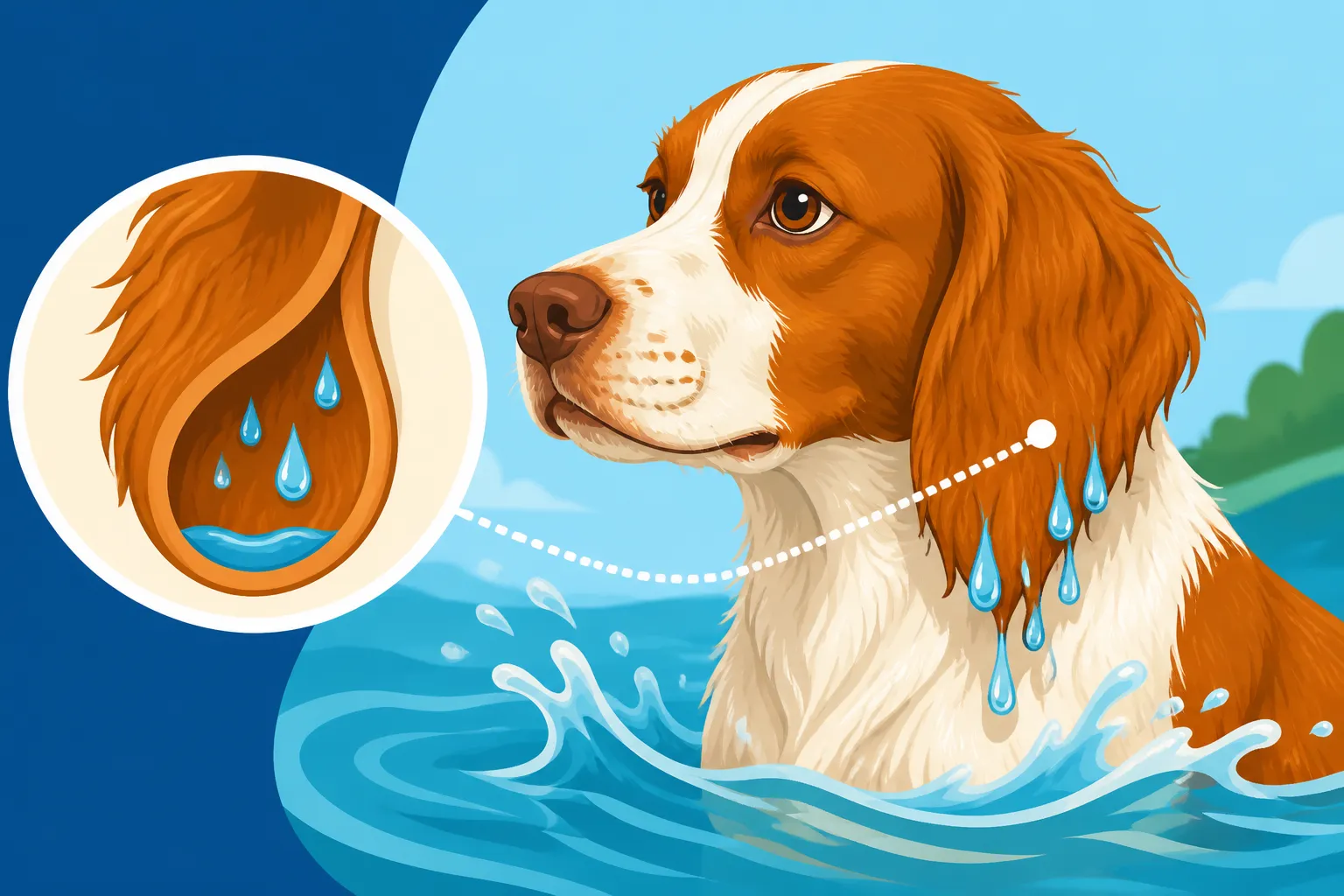
The most obvious feature contributing to your Brittany's ear woes is its characteristic drop ear, or "pendulous pinna." Unlike breeds with erect, open ears, a Brittany’s ear leather hangs down, covering the ear canal opening. This creates a warm, dark, and often humid microclimate underneath, which is an ideal breeding ground for bacteria and yeast, especially when moisture is introduced.
Imagine trying to dry a towel that’s folded in half and tucked under something else – it just won’t dry as quickly as one hanging freely in the breeze. That’s essentially what’s happening with your Brittany’s ear canal. The weight and coverage of the ear flap itself, often with a good amount of feathering, further restricts vital airflow, trapping any water that gets in. This isn't a design flaw, but rather a characteristic that requires diligent care, especially for a breed as active and water-loving as the Brittany.
The L-Shaped Ear Canal
Beyond the external flap, the internal structure of a Brittany’s ear canal adds another layer of complexity. Canine ear canals aren't straight tubes like human ones. Instead, they have a distinct L-shape, starting with a vertical canal that then takes a sharp turn into a horizontal canal before reaching the eardrum.
For a Brittany, with its pendulous pinna already covering the entrance, this L-shape becomes a significant obstacle for drainage. When water enters, it has to navigate this bend, and gravity, which would normally help drain a straight canal, is far less effective here. Water can easily pool at the bottom of the vertical canal or even in the horizontal section, sitting there and macerating the delicate skin lining the ear. This trapped moisture irritates the skin and disrupts its natural protective barrier, making it easier for opportunistic pathogens to take hold. This unique design is a major reason why Why a Brittany's Drop Ear Traps Water is such a relevant concern for owners.
Hair Growth Within the Ear Canal
Adding to the anatomical challenges, many Brittanys also have a good amount of hair growing inside their ear canals. While not as profuse as in some other sporting breeds, this hair acts like tiny sponges and additional barriers. It can absorb moisture, holding it deep within the canal, and it also traps debris, wax, and dead skin cells.
This combination of hair, moisture, and debris creates a perfect storm. The trapped water isn't just sitting on bare skin; it's clinging to hairs, further prolonging the dampness. This dense internal hair can also block airflow even more, exacerbating the humid environment created by the drop ear. It’s a subtle but significant factor in why ear infections are so common, making regular checks and proper grooming absolutely essential.
Activities and Environments That Worsen Water Trapping
Your Brittany's active lifestyle, especially their love for the outdoors and water, often puts them right into situations where their ears are most vulnerable to trapping water. It’s important to be aware of these common scenarios so you can be proactive.
Hunting and Training in Wet Conditions
Brittanys are bred for the field, and that often means navigating through environments that are far from dry. Picture this: your Brittany is enthusiastically quartering through tall, dewy grass on an early morning hunt. Each swipe of their head against the wet foliage sends tiny droplets into their ears. Or perhaps they're retrieving a downed bird from a pond or stream, plunging their head underwater with gusto. These are precisely the moments when water infiltrates those L-shaped canals and gets trapped by the ear flap and internal hair.
Even on a rainy day, a Brittany working hard in the field is constantly exposing its ears to moisture. The excitement and focus of the hunt mean they aren't thinking about ear care, and you, as the owner, might not immediately notice the saturation until later. These repeated exposures, day after day during hunting season, can quickly lead to irritation or worse. This is why paying attention to What to Check on a Brittany After Every Outing is crucial for their long-term ear health.
Bathing and Swimming for Recreation
It’s not just field work that poses a risk. Regular bathing at home, whether it’s a quick rinse after a muddy adventure or a full shampoo session, can easily introduce water into your Brittany’s ears. Even if you're careful, water can run down the side of their head and trickle into the canal. Similarly, many Brittanys adore swimming, whether it's in a backyard pool, a lake, or even the ocean. Their natural inclination to jump in and splash around means their ears are almost guaranteed to get wet.
While swimming is fantastic exercise and mental stimulation for a Brittany, it's also a prime opportunity for water to become trapped. Unlike field work, where water might be a gradual accumulation, a swim can drench the ear canals instantly. If you have a Brittany that loves to take a dip, you need to be extra vigilant about drying their ears immediately afterward to prevent a wet environment from lingering for hours, leading to problems like those discussed in Why a Brittany Gets Ear Infections.
High Humidity Climates
Beyond direct water exposure, the ambient environment can play a significant role in how well your Brittany's ears stay dry. If you live in a region with consistently high humidity, especially during warmer months, your Brittany's drop ears are working against them even when they haven't been near water. The lack of airflow beneath the ear flap, combined with moisture in the air, creates a perpetually damp environment within the ear canal.
This humid condition isn't as dramatic as a full dunk in a pond, but it's a constant, low-level stressor on the ear canal's delicate skin. It prevents the natural evaporation of any minor moisture that might accumulate and keeps the skin from "breathing." Over time, this constant dampness can weaken the ear's natural defenses, making it more susceptible to bacterial or yeast overgrowth even without explicit water ingress. Think of it like a perpetually damp basement – eventually, mold will thrive.
Preventative Measures and Immediate Post-Exposure Care
The good news is that with a little proactive effort, you can significantly reduce the risk of water-related ear problems for your Brittany. It's all about consistent care and making smart choices before and after potential exposure.
Regular Ear Cleaning and Drying Protocols
This is arguably the most critical step in preventing ear issues. After any activity where your Brittany’s ears might have gotten wet – a hunt, a swim, a bath – immediate and thorough drying is paramount. Use a soft, absorbent cloth or cotton ball to gently wipe the visible parts of the ear, including the underside of the ear flap and the entrance to the ear canal. Do not use cotton swabs down the canal, as this can push debris further in or even damage the eardrum.
For deeper drying and to help acidify the ear canal (which discourages yeast growth), use a veterinarian-approved ear drying solution. Many excellent products are available, often containing ingredients like boric acid or salicylic acid, which help dry and clean the ear gently. Simply apply the recommended amount into the ear canal, gently massage the base of the ear for 30 seconds to distribute the solution, and then let your Brittany shake its head. Finish by wiping away any loosened debris or excess liquid from the visible parts of the ear. This routine, especially after water exposure, can make a huge difference, as outlined in Whether a Brittany's Ears Should Be Dried After Water.
Strategic Hair Trimming
While deeply plucking hair from a Brittany's ear canal is generally not recommended by most veterinarians (as it can irritate the skin and lead to more problems), strategic trimming can be very beneficial. Focus on carefully trimming the hair that grows around the opening of the ear canal and on the underside of the ear flap. The goal is to improve airflow to the canal, not to remove all hair from within.
Using blunt-nosed scissors or a small electric trimmer designed for pets, gently trim the longer strands that might be obstructing the ear canal entrance or collecting moisture. This allows air to circulate more freely, helping the ear canal dry out faster and reducing the humid environment. If you're unsure how to do this safely, ask your groomer or vet for a demonstration. A little bit of careful trimming can go a long way in ventilation.
Protective Gear for Water Work
For Brittanys who spend a lot of time in the water, whether for hunting or recreation, protective gear can be an option, though it comes with practical considerations. Ear wraps or "snoods" can cover the ears and keep them from getting soaking wet during swims or baths. These are essentially fabric tubes that slide over your dog's head, holding the ears snugly against their head.
However, for a working Brittany in the field, a snood might catch on brush, restrict hearing, or simply be impractical. For those situations, focus intensely on the immediate post-activity drying routine. For recreational swimming or bathing, though, a snood can be a great way to keep ears drier. If you notice your Brittany frequently getting wet in the field, even when not swimming, consider if a Whether a Brittany Needs a Neoprene Vest in Cold Water might also benefit them by providing general warmth and protection in damp conditions.
Recognizing and Addressing Ear Problems
Even with the best preventative care, sometimes ear issues can still arise. Brittanys are notoriously stoic, and they might not always make it obvious when they're in discomfort. Knowing the early signs and understanding when to seek professional help is vital.
Early Signs of an Ear Infection
Catching an ear infection early is key to preventing it from becoming a chronic, painful problem. Pay close attention to your Brittany's behavior and the condition of their ears. Common signs include:
- Head shaking: This is often one of the first and most noticeable signs. They might shake their head vigorously or repeatedly.
- Ear scratching: Frequent or intense scratching at one or both ears, often with a paw.
- Odor: A distinct, often pungent or sweet smell emanating from the ear. This is a tell-tale sign of bacterial or yeast overgrowth.
- Discharge: Waxy, dark brown, yellow, or greenish discharge visible at the ear canal opening.
- Redness and swelling: The skin inside the ear flap and around the ear canal may appear red, inflamed, or swollen.
- Pain or sensitivity: Your Brittany might yelp, pull away, or show aggression when you try to touch their ear.
- Rubbing ears: They might rub their head along furniture or the ground to alleviate itching.
- Holding head to one side: If one ear is more affected, they might tilt their head consistently.
If you observe any of these symptoms, don't wait for them to get worse. Early intervention is always better. For more specific visual cues, consult Signs a Brittany's Ear Is Infected.
When to Consult Your Veterinarian
If you notice any of the early signs of an ear infection, especially if they persist for more than a day or two despite gentle cleaning and drying, it's absolutely time to call your veterinarian. Attempting to self-diagnose or treat an infection with over-the-counter remedies without knowing the underlying cause can worsen the problem or delay proper treatment.
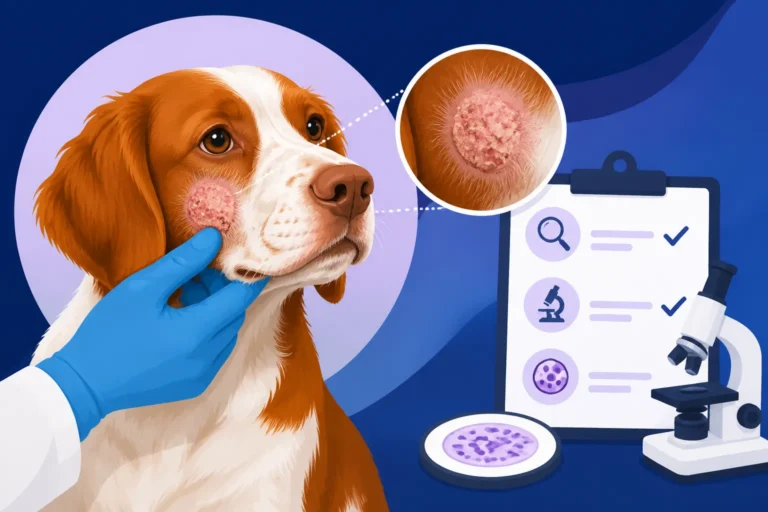
A veterinarian will use an otoscope to examine the ear canal and eardrum, checking for foreign bodies, inflammation, or damage. They'll likely take a swab of the ear discharge to look at under a microscope, identifying whether the infection is bacterial, yeast-based, or a combination. This crucial step determines the correct medication. Ignoring an ear infection can lead to chronic pain, hearing loss, or even spread to the middle or inner ear, causing more severe neurological issues. Don't underestimate the complexity of ear infections; professional diagnosis is always the safest route. And if these vet visits become frequent, a pet insurance plan like Healthy Paws can really help manage the costs.
Treatment Options for Ear Infections
Once your veterinarian has diagnosed the type of ear infection, they will prescribe a targeted treatment plan. This typically involves:
- Ear Drops or Ointments: These are topical medications that usually contain a combination of antibiotics, antifungals, and anti-inflammatory steroids to combat infection and reduce swelling and pain. It's crucial to administer these exactly as prescribed for the full duration, even if symptoms improve quickly.
- Oral Medications: In more severe cases, or if the infection has spread, oral antibiotics or antifungals may be necessary. Oral anti-inflammatory drugs might also be prescribed to manage pain and swelling.
- Professional Cleaning: Sometimes, the ear canal can be so packed with debris and discharge that the topical medications can't reach the infection effectively. In these cases, your vet may perform a thorough, deep ear cleaning, sometimes requiring sedation.
- Addressing Underlying Causes: Your vet will also look for any contributing factors, such as allergies (food or environmental), which might require separate treatment. Managing allergies, for instance, could involve special diets or allergy medications to prevent recurrent ear infections.
Remember, patience and adherence to your vet's instructions are vital for successful treatment and preventing recurrence. Recurring ear infections can be incredibly frustrating and expensive, and this is where something like Healthy Paws pet insurance can provide peace of mind by covering eligible vet visits and medications for these persistent issues.
Disclaimer
This article is intended for informational purposes only and does not constitute veterinary advice. Always consult with a qualified veterinarian for any health concerns or before making any decisions about your Brittany's medical care.