Whether a Brittany Should Have an MRI
It's a terrifying moment when your energetic Brittany, usually full of boundless enthusiasm for the field, starts showing signs that something isn't quite right with their brain or spine. Maybe it's a sudden seizure, a strange limp, or a change in behavior that makes your heart sink. Deciding on advanced diagnostics like an MRI can feel overwhelming, both emotionally and financially. This guide aims to help you understand when an MRI might be recommended for your beloved Brittany and what that process entails.
Understanding Why an MRI Might Be Recommended for Your Brittany
When your Brittany isn't acting like their usual self, especially when the symptoms point to something neurological, it's natural to feel a mix of fear and confusion. Our loyal companions can't tell us what's wrong, which makes deciphering their signals even more challenging. A thorough veterinary exam is always the first step, but sometimes, those initial findings suggest a deeper issue that requires advanced imaging to truly understand.
Common Symptoms Pointing to Neurological Issues
Brittanys, with their lively nature and inherent drive, can sometimes mask early signs of discomfort, but neurological issues often present more starkly and are difficult to ignore. You might first notice subtle changes, like your dog seeming a little off-balance when they walk, or perhaps they start stumbling occasionally, especially after exercise. A dragging limb, an unusual head tilt, or difficulty coordinating their movements are all red flags that warrant immediate veterinary attention. It's not uncommon for owners to first realize there's a problem when their Brittany experiences a seizure. These can range from a few seconds of zoning out to full-body convulsions with paddling limbs, and witnessing one is truly alarming for any pet parent. For a deeper dive into what these episodes can look like, you might want to read What a Brittany's Seizure Looks Like.
Other concerning signs could include changes in behavior – sudden aggression, increased anxiety, or disorientation that seems out of character. Your dog might stare blankly into space, pace endlessly through the house, or even press their head against a wall, a behavior known as "head pressing." Weakness in the legs, a tremor that wasn't there before, or even an uncharacteristic reluctance to jump onto the couch or use stairs can also point towards a spinal or brain problem. Don't dismiss these subtle shifts, thinking your Brittany is just having an off day; they are tough dogs, but they aren't immune to these issues, and early detection can make a world of difference in their prognosis and quality of life.
Sometimes, these symptoms can be intermittent, which makes them even harder to pinpoint and incredibly frustrating for you, the owner. One day your Brittany seems fine, chasing squirrels with gusto, and the next they're off-balance or seem withdrawn. Keeping a detailed journal of when symptoms appear, how long they last, what they look like, and any potential triggers can be incredibly helpful for your veterinarian. This comprehensive information provides crucial clues that guide the diagnostic process and helps your vet determine if an MRI is the appropriate next step to unravel the mystery.
What an MRI Can Diagnose
An MRI, or Magnetic Resonance Imaging, is a powerful diagnostic tool that creates incredibly detailed images of soft tissues like the brain, spinal cord, nerves, and even muscles and ligaments. Unlike traditional X-rays, which are fantastic for visualizing bones, an MRI excels at showing structures that might be inflamed, compressed, or abnormal in ways that other imaging modalities simply can't capture. For a Brittany, this means your vet can get an amazingly clear, three-dimensional picture of what might be causing those worrying neurological signs that have been keeping you up at night.
Specifically, an MRI can detect a wide range of conditions within the central nervous system. In the brain, it can reveal various types of tumors, evidence of strokes, inflammation (such as encephalitis or meningitis), fluid build-up (known as hydrocephalus), or even congenital abnormalities that your Brittany may have been born with. If your beloved Brittany is experiencing seizures, an MRI can be instrumental in identifying the underlying cause, which is absolutely crucial for determining the most effective and targeted treatment plan. For more on this, check out Epilepsy in a Brittany Spaniel.
In the spine, an MRI is invaluable for diagnosing painful and debilitating conditions like intervertebral disc disease (IVDD), spinal cord compression due to injury or degeneration, tumors, cysts, or inflammation along the vertebral column. It can clearly show nerve impingement that might be causing lameness, weakness, or even paralysis in your dog's limbs. Conditions like What Spinal Muscular Atrophy Does to a Brittany might also benefit from MRI to assess the extent of muscle and nerve degeneration, though genetic tests are primary for diagnosis. Essentially, if a problem is hiding within the complex, intricate structures of your dog's central nervous system, an MRI is often the gold standard for finding it, providing answers that no other test can.
The MRI Process for Dogs: What to Expect
Once your veterinarian recommends an MRI, it's natural to have a lot of questions and some apprehension. It's a significant procedure, and understanding each step can help alleviate some of that worry. The process is a little different for dogs than for humans, primarily because our canine companions can't simply lie still on command for an extended period.
Anesthesia and Preparation
The thought of your dog undergoing general anesthesia for an MRI can be one of the most stressful parts of the entire process for any pet owner. Unlike humans, dogs can't be asked to lie perfectly still for an extended period inside a noisy machine, so anesthesia is absolutely necessary to ensure both their safety and the quality of the images. Your veterinary team, particularly if they are at a specialty neurology center, will take every precaution to ensure your Brittany's safety. This usually starts with a thorough physical exam, comprehensive pre-anesthetic blood tests, and sometimes even a chest X-ray to assess their overall health and identify any potential anesthetic risks before they even go under.
Prior to the procedure, you'll likely be instructed to withhold food and water for a specific period, typically 8-12 hours, to prevent aspiration (inhaling stomach contents) during anesthesia. When you arrive at the clinic, the veterinary staff will take the time to explain the entire process, answer all your questions, and have you sign necessary consent forms. They'll place an IV catheter to administer fluids and medications during the procedure, and your Brittany will be intubated to protect their airway once sedated. Throughout the entire procedure, most clinics use advanced monitoring equipment to keep a close eye on your dog's heart rate, breathing, blood pressure, oxygen saturation, and body temperature.
It's a big day for both of you, filled with anxiety and hope, but remember that the veterinary staff are highly trained professionals dedicated to animal care and comfort. They understand your concerns and will do their best to keep you informed every step of the way. Don't hesitate to ask about their specific anesthetic protocols, the experience level of the veterinarians and technicians monitoring your dog, or anything else that might put your mind at ease during what is undoubtedly a difficult wait.
The Scan Itself and Recovery
Once your Brittany is safely under anesthesia and carefully positioned, they'll be gently moved into the MRI machine. The machine itself is a large, tunnel-like structure, and while it doesn't emit harmful radiation like X-rays or CT scans, it does use powerful magnetic fields and radio waves to create those incredibly detailed images. The scanning process is completely silent to humans outside the room, but the machine can be quite loud inside, producing repetitive knocking and whirring sounds, which is another significant reason why general anesthesia is so vital for your dog. A board-certified veterinary radiologist or a highly trained technician will acquire multiple sequences of images from different angles to get a comprehensive view of the affected area of concern.
The actual scanning time can vary quite a bit, but typically an MRI procedure takes anywhere from 45 minutes to several hours, depending on the area being scanned, the specific protocols used, and the complexity of the case. After the necessary images are acquired, your Brittany will be carefully woken up from anesthesia by the veterinary team. The recovery period is usually closely monitored in a warm, quiet environment, and they might be a bit groggy, disoriented, or wobbly as the anesthetic agents wear off. Most Brittanys recover relatively quickly, though, and many are able to go home the same day once they are fully alert, stable, and able to walk without significant assistance.
When you pick them up, the vet team will provide you with detailed post-care instructions, which might include monitoring for residual grogginess, offering small, frequent meals, and limiting strenuous activity for a day or two to allow for full recovery. The radiologist will then meticulously interpret the images, and your primary veterinarian will typically contact you within a day or two to discuss the definitive findings and outline a clear treatment plan based on the MRI results. This post-scan conversation is crucial for understanding the diagnosis and moving forward with the best possible care for your beloved companion.
Weighing the Costs and Benefits
Deciding whether to pursue an MRI for your Brittany involves a careful balance of factors. It's not just about the clinical information the scan provides; it's also about the financial implications and the emotional journey you and your dog will go through.
Financial Considerations and Insurance
Let's be realistic: an MRI is a significant financial investment, and this is often one of the biggest hurdles for pet owners. The cost can vary widely depending on your geographic location, the specific veterinary specialty clinic (e.g., a university hospital versus a private practice), and the area of the body being scanned. You could be looking at anywhere from $2,000 to $5,000 or even more, which for many pet owners, is a substantial, unplanned expense that can cause considerable stress. This can be one of the most frustrating aspects of advanced veterinary care, making you feel terribly torn between your budget and your dog's well-being. Thinking about What a Brittany Costs Over Its Lifetime can sometimes help put these larger, unexpected bills into perspective, but it's still a big hit.
However, don't despair without exploring all options. This is where pet insurance, from providers like Healthy Paws, can truly ease the burden. Many reputable companies offer plans that can cover a significant portion of diagnostic costs, including MRIs, especially if the policy was in place well before the onset of symptoms. Always review your specific policy details carefully or call your provider directly to understand what is covered and what your deductible or reimbursement rate will be. Many specialty clinics also work with third-party financing options like CareCredit, which allows you to pay off the cost over time with low or no interest if paid within a certain promotional period.
Before committing to an MRI, have an open and honest conversation with your veterinarian about the estimated total cost and explore all potential payment avenues available to you. Sometimes, a definitive diagnosis from an MRI might actually lead to a more effective, and perhaps even less costly, long-term treatment plan by avoiding weeks or months of trial-and-error treatments that prove ineffective. It's about weighing the upfront cost against the potential for a definitive diagnosis and a vastly improved quality of life for your Brittany. Consider the overall picture, including potential ongoing medication costs like for What a Brittany's Seizure Medication Costs if epilepsy is ultimately diagnosed. Even if an MRI leads to ongoing treatment, such as daily medication, a good insurance plan from a company like Healthy Paws can help make it manageable over the years.
The Emotional Toll and Prognosis
Beyond the financial strain, the emotional toll of having a sick dog, especially one facing complex neurological issues, is immense. The worry, the uncertainty, the guilt, and the constant observation of your dog's symptoms can be emotionally exhausting. Deciding whether to proceed with an MRI means confronting the possibility of a very serious diagnosis, which can be heartbreaking and terrifying. It’s natural to feel overwhelmed, anxious, and even helpless, and it's absolutely okay to lean on your support system – family, friends, and your trusted veterinary team – during this incredibly challenging time.
The undeniable benefit of an MRI, however, is often the profound clarity it provides. A definitive diagnosis, even if it's not the news you hoped for, allows you and your vet to understand precisely what you're dealing with and to create a targeted and effective treatment plan. Without this clarity, you might be left with educated guesses and treatments that may not be effective, prolonging your Brittany's discomfort and your own anxiety. Understanding the exact nature of the problem can also help you make informed decisions about your dog's quality of life, future care, and what to expect moving forward.
Knowing the prognosis is invaluable information that an MRI can often provide. For some conditions, an MRI can reveal a treatable issue with a good to excellent prognosis, offering immense relief and hope. For others, it might reveal an untreatable or progressively debilitating condition, allowing you to shift your focus to palliative care and making your Brittany as comfortable and happy as possible for their remaining time. Ultimately, the MRI provides knowledge, and with knowledge comes the power to make the best, most compassionate decisions for your beloved companion, no matter how difficult those decisions may be.
Alternatives and Next Steps
While an MRI offers unparalleled detail for neurological issues, it's just one tool in your veterinarian's diagnostic arsenal. It's important to understand what other options exist and when an MRI might not be the most appropriate choice for your Brittany.
Other Diagnostic Tools Your Vet Might Suggest
An MRI is indeed the gold standard for many complex neurological issues, but it's important to remember that it's not always the first or only test your veterinarian will recommend. Often, they'll start with less invasive and more affordable diagnostics to rule out common conditions or pinpoint a general area of concern. Blood tests are almost always part of the initial workup, as they can identify systemic infections, inflammatory markers, metabolic imbalances, or even signs of What Hypothyroidism Does to a Brittany, which can sometimes mimic neurological symptoms like lethargy or weakness. Urine tests and spinal taps (cerebrospinal fluid analysis) can also provide crucial information, especially for inflammatory or infectious conditions affecting the central nervous system.
X-rays, or radiographs, are excellent for evaluating bones, so if the primary concern is a visible spinal injury, severe arthritis that might be impinging on nerves, or bone tumors, they might be done first. While helpful for skeletal structures, X-rays won't show the intricate soft tissues of the spinal cord or brain in any significant detail. CT scans (Computed Tomography) offer more detailed images of bone and some soft tissue compared to X-rays and are often performed faster than MRIs. However, they still don't provide the same level of soft tissue contrast as an MRI, particularly for subtle brain lesions or soft tissue inflammation.
Electromyography (EMG) and nerve conduction velocity (NCV) tests might be used to assess nerve and muscle function, which can help differentiate between primary nerve damage and muscle disease. Your vet will meticulously piece together all these results, along with a thorough neurological examination, to build a complete clinical picture. It’s a process, and the MRI is usually reserved for when these initial tests suggest a specific neurological problem that only an advanced image can fully characterize, or when a definitive diagnosis is crucial for guiding a specific surgical or medical intervention. For some issues, like identifying the cause of Signs a Brittany's Hips Hurt, X-rays are usually the primary diagnostic tool, so it's all about matching the right test to the suspected problem.
When an MRI Isn't the Right Choice
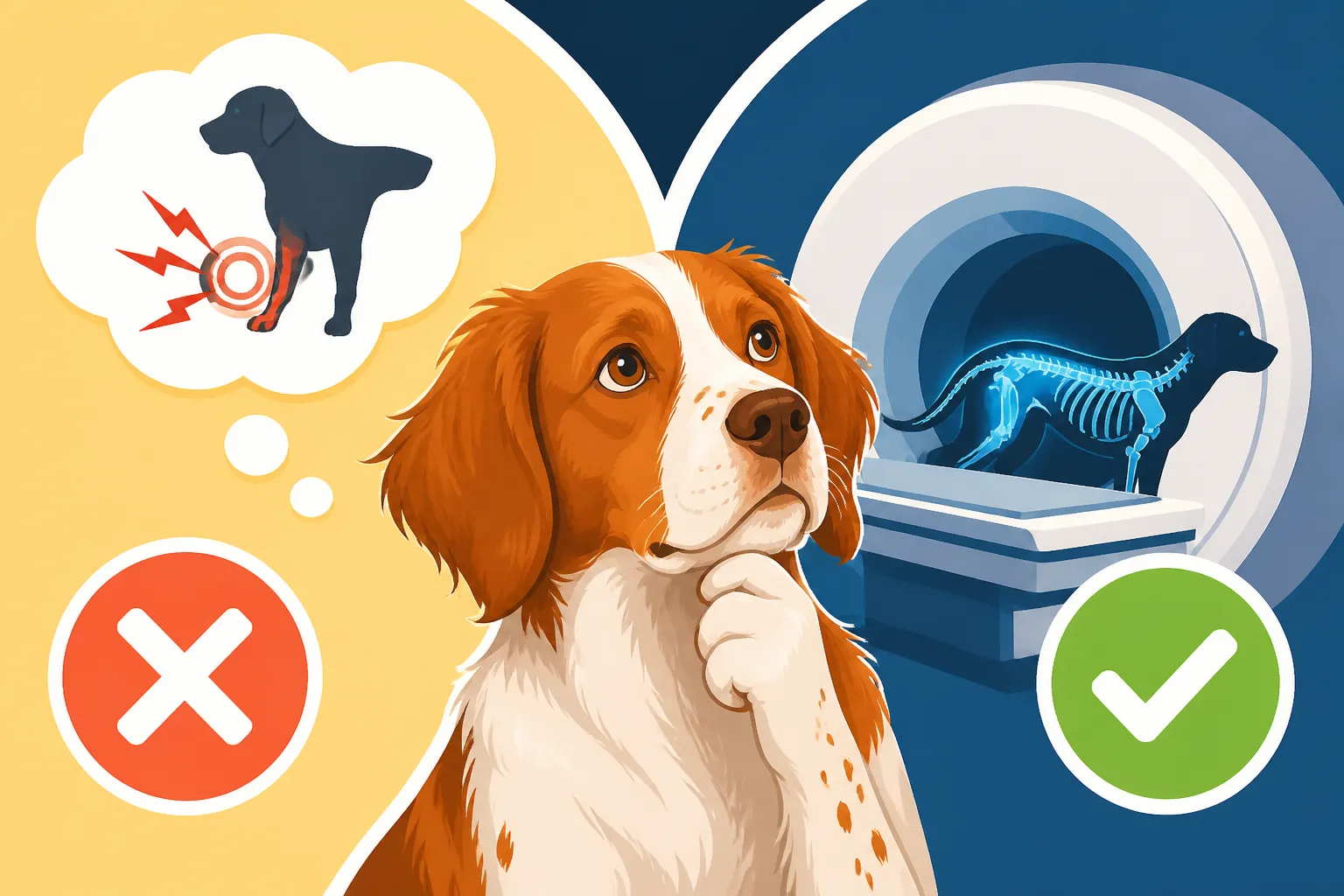
While an MRI is an incredibly powerful diagnostic tool, it's essential to understand that it's not always the appropriate or even necessary step for every Brittany facing health issues. There are times when your veterinarian might advise against it, or when it genuinely isn't the best course of action for your beloved companion. For instance, if a less expensive and less invasive test, like a routine blood panel, a simple X-ray, or a trial of medication, can definitively diagnose and effectively guide treatment for your Brittany's symptoms, then an MRI might be considered an unnecessary over-investment in terms of both cost and putting your dog under general anesthesia. You wouldn't want to subject your dog to a significant procedure if a simpler, equally effective solution is readily available.
Furthermore, if your Brittany has a known severe underlying health condition that makes general anesthesia exceptionally risky, or if their overall prognosis is already very poor due to advanced age or another debilitating illness (such as considering What a Brittany's Final Illness Costs), the potential diagnostic benefits of an MRI might not outweigh the inherent risks and stress of the procedure. This is a difficult, often heart-wrenching conversation to have with your veterinary team, but it’s an incredibly important one that centers on your dog's current comfort, dignity, and overall quality of life rather than merely seeking a definitive label for their condition. Sometimes, pursuing an exhaustive diagnosis, no matter how definitive, might not ultimately change the outcome or significantly improve their well-being.
Lastly, pragmatic financial constraints are a very real factor for many families, and it’s okay to acknowledge that. If the considerable cost of an MRI is simply prohibitive and there are no suitable pet insurance or financing options, then alternative management strategies may need to be explored with your veterinarian. This might involve a cautious trial of medication based on the most likely clinical diagnosis, or focusing purely on supportive care to manage symptoms and ensure your Brittany remains as comfortable as possible. It's a deeply personal decision, and your vet can help you navigate these tough choices, always with your Brittany's best interests, and your family's circumstances, at heart.
Comparing Diagnostic Options for Your Brittany
When faced with neurological symptoms in your Brittany, understanding the various diagnostic tools available can help you and your vet make informed decisions. Here's a quick comparison of some common options:
| Feature | MRI (Magnetic Resonance Imaging) | CT Scan (Computed Tomography) | X-ray (Radiography) | Blood/Urine Tests |
|---|---|---|---|---|
| Primary Use | Detailed soft tissue (brain, spinal cord, nerves, ligaments, muscles) | Bones, some soft tissue (tumors, internal organs) | Bones (fractures, arthritis), large internal organ shapes | Systemic health, organ function, infections, metabolic issues |
| Radiation Exposure | None | Yes (higher than standard X-ray) | Yes (low dose) | None |
| Detail Level | Excellent for soft tissue, highly detailed 3D images | Good for bone structure, fair for some soft tissue lesions | Low detail for soft tissue, good for gross bone changes | Indirect indicators, not imaging |
| Anesthesia Required | Yes, absolutely (for complete stillness) | Often, but can be performed faster than MRI (less anesthetic time) | Rarely (unless positioning is painful or dog is uncooperative) | No |
| Cost Range (Estimated) | High ($2,000 – $5,000+) | Moderate to High ($1,000 – $3,000) | Low to Moderate ($100 – $500 per region) | Low to Moderate ($50 – $300+) |
| What it Detects | Tumors, IVDD, inflammation, stroke, congenital abnormalities, nerve compression | Tumors, fractures, organ enlargement, some disc herniations, acute trauma | Fractures, severe arthritis, foreign objects, large masses, lung changes | Infection, organ failure, endocrine disorders (e.g., thyroid disease) |
| Best For | Neurological issues, complex soft tissue injuries, brain/spinal cord pathologies | Trauma, complex fractures, rapid assessment of internal organs, lung disease | Initial screening for bone issues, gross abnormalities, foreign bodies | Baseline health, ruling out systemic causes of illness |
Disclaimer
The information provided in this article is for general informational and educational purposes only, and is not a substitute for professional veterinary advice. Always consult with a qualified veterinarian regarding any medical condition or treatment for your Brittany.