Whether Brittany Epilepsy Is Inherited
Watching your beloved Brittany suddenly collapse, seize, and then slowly come out of it is one of the most terrifying experiences a dog owner can face. The panic, the helplessness, and the immediate worry about their future are overwhelming. This guide is here to shed light on a common and heartbreaking question many Brittany owners grapple with: whether canine epilepsy, specifically in our spunky sporting companions, is an inherited condition that can be passed down through generations.
Understanding Canine Epilepsy in Brittanys
Epilepsy is a neurological disorder that results in recurrent, unprovoked seizures. For Brittany owners, this can be particularly distressing because our dogs are often so full of life, energy, and a keen desire to work. When a seizure strikes, it's a stark reminder of their vulnerability.
The Genetic Link to Brittany Epilepsy
It's a tough pill to swallow, but yes, epilepsy in Brittanys often has a strong genetic component. Unlike some health issues that might be purely environmental, many cases of epilepsy in our breed are categorized as "idiopathic," meaning there's no identifiable cause like a brain tumor or injury. When a vet diagnoses idiopathic epilepsy, it points heavily towards a genetic predisposition. This isn't just hearsay among breeders; extensive research has confirmed that certain breeds, including Brittanys, have a higher incidence due to inherited factors. The frustration for owners and breeders alike stems from the fact that it's not always a straightforward "dominant" or "recessive" gene that's easy to pinpoint and test for, though some progress has been made in understanding complex inheritance patterns. It feels unfair, especially when you've done everything right in choosing a puppy, only for this devastating condition to emerge later in life.
Identifying the Types of Seizures
When we talk about seizures, it's not a one-size-fits-all event. In Brittanys, just like in humans, seizures can manifest in different ways, which can be confusing and frightening for an owner. Understanding the types can help you communicate better with your vet about what you’re observing.
- Generalized Seizures (Grand Mal): These are perhaps what most people envision when they think of a seizure. Your Brittany might suddenly fall to their side, paddle all four limbs frantically, drool excessively, vocalize, and lose bladder or bowel control. These episodes typically last from a few seconds to several minutes, and the post-ictal phase (the period right after the seizure) can leave your dog disoriented, unsteady, and even temporarily blind for minutes to hours. It's truly shocking to witness, and you might feel utterly helpless during this time. To learn more about exactly what a seizure in your Brittany might look like, you can read our detailed guide on What a Brittany's Seizure Looks Like.
- Focal Seizures (Partial Seizures): These are often much subtler and can sometimes go unnoticed or be misinterpreted. They stem from abnormal electrical activity in only a localized part of the brain. Your Brittany might exhibit twitching in one limb or one side of the face, snapping at invisible flies, lip-licking, or staring blankly. They might seem "off" or confused, but without the dramatic loss of consciousness seen in generalized seizures. These can sometimes progress into generalized seizures.
No matter the type, documenting what you see—how long it lasts, what specific behaviors occur, and how your dog recovers—is crucial for your veterinarian.
The Typical Age of Onset
One of the most disheartening aspects of epilepsy in Brittanys is that it often doesn't show its face until well past puppyhood, sometimes after you've already formed an unbreakable bond and invested so much into their training and well-being. Typically, the first seizure in genetically predisposed Brittanys occurs between six months and three years of age. However, it’s not unheard of for it to manifest a little earlier or later. Imagine the hopes you have for your energetic young dog, perhaps a future hunting companion, only to have this shadow fall over their health. This delayed onset makes it incredibly challenging for breeders to identify affected lines early on and for new owners to realize they might be bringing home a puppy with this hidden genetic risk. If you're curious about the general age range, we have an article dedicated to The Age Epilepsy Appears in a Brittany.
The Inheritance Pattern and Breeding Responsibilities
Given the significant genetic component, understanding how epilepsy is inherited is paramount for responsible breeding and for future owners trying to make informed decisions. It's not just about one dog; it's about the health of the entire breed.
Autosomal Recessive Inheritance in Brittanys
While research is ongoing and epilepsy can be complex, many cases of idiopathic epilepsy in Brittanys are believed to follow an autosomal recessive inheritance pattern. What does this mean in plain language?
- Two Copies: For a Brittany to be affected and show symptoms of epilepsy, it generally needs to inherit two copies of the "epilepsy gene" – one from each parent.
- Carriers: Dogs that inherit only one copy of the gene are called "carriers." They typically do not show any symptoms themselves. They live perfectly normal, healthy lives and you'd never know they carry the gene just by looking at them. This is where the frustration really hits home, because these seemingly healthy carriers can still pass the gene on to their offspring.
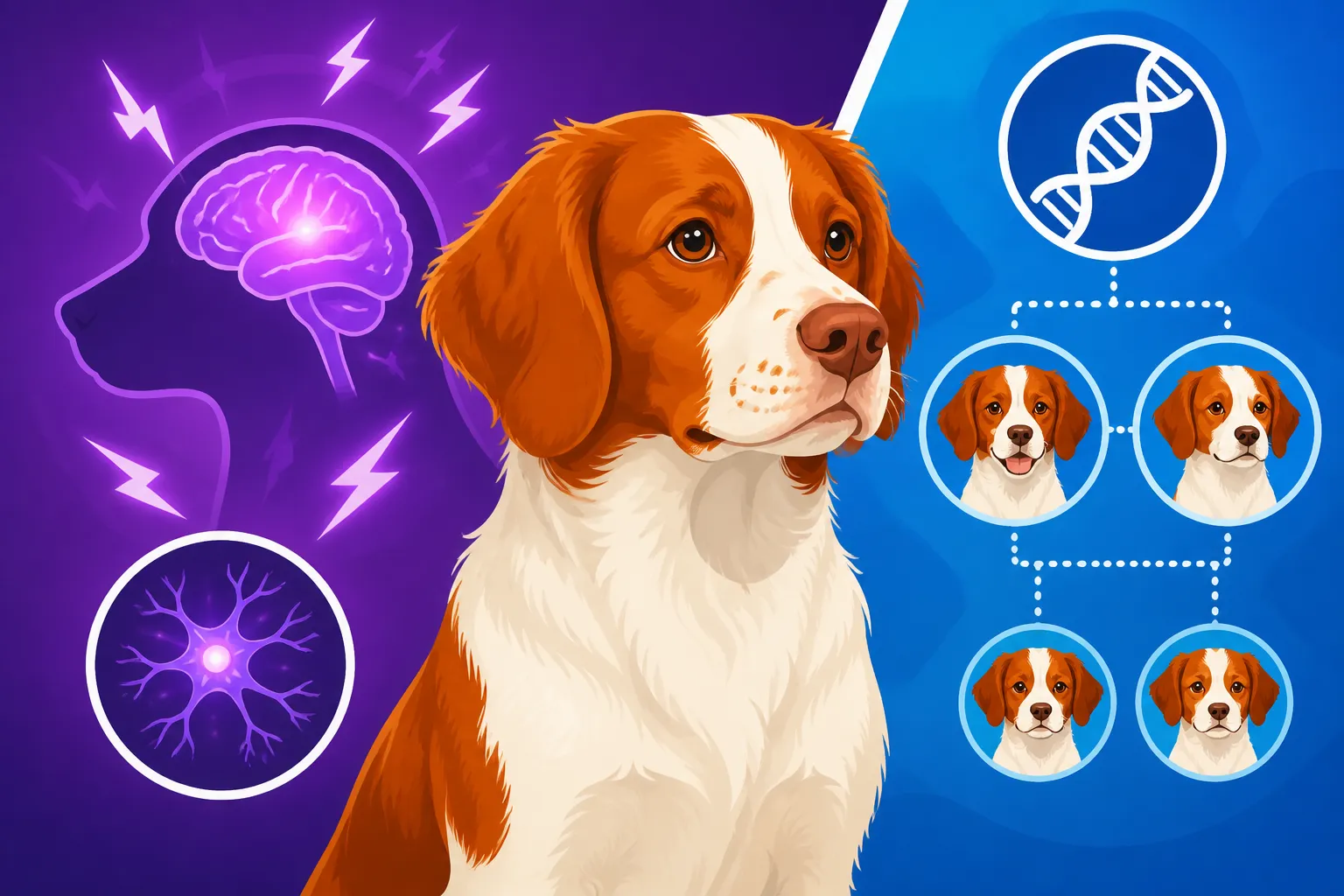
- Affected Offspring: If two carrier Brittanys are bred together, there's a statistical chance that 25% of their puppies will be affected by epilepsy, 50% will be carriers, and 25% will be clear. This is why the condition can pop up seemingly out of nowhere in a litter, even if both parents appear completely healthy.
The existence of carriers makes responsible breeding a continuous puzzle, highlighting why pedigree research and open communication about family health history are so critical. It's a heavy burden on breeders trying to preserve the best qualities of the breed while battling hidden genetic issues.
Breeding Considerations for Affected Dogs and Carriers
When a Brittany is diagnosed with epilepsy, especially idiopathic epilepsy, it carries significant implications for breeding. It's a tough conversation, but responsible breeders have a moral obligation to consider the future health of the breed.
- Affected Dogs: Any Brittany diagnosed with idiopathic epilepsy should absolutely be removed from a breeding program. Breeding an affected dog guarantees that all offspring will receive at least one copy of the gene, if not two, furthering the spread of the condition. While it's hard to make such a decision, especially if the dog has other outstanding qualities, the long-term health of the breed must come first.
- Carrier Dogs: This is where it gets more complicated. Since carriers appear healthy, they might have excellent temperaments, strong bird drive, and great conformation. However, breeding two carriers together significantly increases the risk of producing affected puppies. The most responsible approach is to avoid breeding known carriers to other known carriers. If a carrier must be bred to preserve valuable genetic lines (e.g., if there's very limited genetic diversity), they should only be bred to a dog that is known to be clear of the epilepsy gene. All offspring from such a pairing would then need to be tested before being considered for breeding themselves. This requires diligent tracking and a deep commitment to transparency within the breeding community. Owners often ask Whether an Epileptic Brittany Should Be Bred, and the answer is a resounding no when it comes to safeguarding the breed's future.
Tools for Responsible Breeding
The challenges of genetic diseases like epilepsy push the breeding community to seek solutions. Thankfully, science is slowly catching up to provide better tools, though a definitive DNA test for all forms of Brittany epilepsy remains elusive.
- Pedigree Analysis: This is one of the most fundamental tools. Diligent breeders meticulously research the health history of every dog in a pedigree, looking for any incidence of epilepsy in siblings, parents, grandparents, and even great-grandparents. This information, often shared openly among dedicated breeders, helps identify potentially carrier lines.
- Open Communication: Transparency is vital. Breeders should be willing to discuss any health issues that have appeared in their lines and encourage puppy buyers to report back any diagnoses. This collective data is invaluable for understanding prevalence and patterns.
- Genetic Testing (Future Directions): While a direct DNA test for the specific gene(s) causing idiopathic epilepsy in Brittanys isn't widely available yet, ongoing research holds promise. Geneticists are working tirelessly to identify markers for complex diseases. In the meantime, screening for other genetic conditions, as outlined in What a Brittany Spaniel Breeder Should Have Tested, remains important for overall breed health.
- OFA/CHIC Programs: The Orthopedic Foundation for Animals (OFA) and the Canine Health Information Center (CHIC) work to establish health screening protocols for various breeds. While epilepsy isn't a direct "pass/fail" OFA certification like hips or elbows, these programs encourage comprehensive health testing, which indirectly aids in overall health management and breeder transparency.
Living with an Epileptic Brittany
A diagnosis of epilepsy is certainly a setback, but it's not a death sentence. Many Brittanys with epilepsy live full, happy lives with proper management, though it does require commitment and vigilance from their owners.
Managing Seizures and Treatment Options
Once your Brittany is diagnosed with epilepsy, the focus shifts to management. This usually involves medication and close monitoring to minimize the frequency and severity of seizures.
- Anticonvulsant Medication: The most common approach is daily anticonvulsant medication. Your vet will work with you to find the right drug and dosage, which can take some trial and error. Common medications include phenobarbital, potassium bromide, zonisamide, and levetiracetam (Keppra). The goal is to reduce seizure activity to a manageable level, not necessarily to eliminate them entirely, which can be a difficult reality to accept. Consistency is key; missing a dose can trigger a seizure. Owners need to understand that this is a lifelong commitment. We also have detailed information on How an Epileptic Brittany Is Treated.
- Regular Vet Check-ups and Bloodwork: Your epileptic Brittany will need regular veterinary visits to monitor medication levels in their blood and assess organ function, as some anticonvulsants can affect the liver or kidneys over time. This ongoing care ensures your dog stays as healthy as possible. You might find our article on What a Brittany's Yearly Bloodwork Should Cover helpful for understanding routine tests.
- Identifying Triggers: While idiopathic epilepsy is unprovoked, some owners find certain triggers exacerbate seizures in their dogs, such as stress, extreme excitement, changes in routine, certain foods, or even loud noises like fireworks. Keeping a seizure diary can help you identify these patterns and potentially mitigate them. Our article What Triggers a Brittany's Seizure offers more insights into this.
The ongoing cost of medication and vet visits can be substantial, which is why many owners consider pet insurance from providers like Healthy Paws to help manage these unforeseen expenses. It's a proactive step that can alleviate some of the financial stress during a difficult time.
The Impact on a Working Brittany
Brittanys are renowned for their incredible drive and athleticism in the field. The thought of epilepsy impacting their ability to hunt or perform is a deep concern for many owners. The reality is, it depends on the individual dog and the severity of their condition.
- Severity and Control: If your Brittany's seizures are infrequent, mild, and well-controlled with medication, they may still be able to enjoy limited fieldwork or even continue hunting. However, the intensity and duration of their work might need to be adjusted. A seizure in the middle of a hunt, especially in dense cover or near water, poses significant safety risks.
- Medication Side Effects: Some anticonvulsants can cause side effects like lethargy, increased thirst, or incoordination, which can certainly affect a Brittany's performance and stamina. Finding the right balance between seizure control and minimal side effects is crucial, but it's not always easy.
- Owner's Responsibility: The owner bears the responsibility of assessing their dog's safety and well-being. Pushing an epileptic Brittany too hard in the field could be detrimental. It’s a heartbreaking decision to limit what your dog loves to do, but their health has to be the priority. For more on this difficult topic, consider reading Whether an Epileptic Brittany Can Still Hunt.
- Insurance Considerations: If you rely on your Brittany for hunting or field trials, understanding how pet insurance like Healthy Paws handles pre-existing conditions and ongoing care for conditions like epilepsy is important. It's best to look into coverage before any symptoms appear.
Long-Term Outlook and Quality of Life
Living with an epileptic Brittany is a journey of ups and downs, but with dedicated care, many dogs maintain a good quality of life for years.
- Commitment is Key: The commitment from the owner is perhaps the biggest factor in determining an epileptic Brittany's quality of life. This includes consistent medication, regular vet visits, vigilant observation, and providing a stable, low-stress environment.
- Bond Reinforcement: Despite the challenges, the bond with an epileptic Brittany can become incredibly strong. You become their most important advocate and caregiver, and their resilience and spirit through it all are truly inspiring.
- Average Lifespan: While epilepsy is a serious condition, it typically doesn't directly shorten a Brittany's lifespan if managed effectively. Many epileptic Brittanys live to their average lifespan, which can be around How Long a Brittany Spaniel Lives on Average. However, severe, uncontrolled seizures or complications from medication could impact their overall health. Regular check-ups help mitigate these risks, and a solid pet insurance plan from a company like Healthy Paws can help cover the costs of managing these conditions throughout their life.
| Factor | Description | Impact on Brittany |
|---|---|---|
| Genetic Predisposition | Idiopathic epilepsy often has an autosomal recessive inheritance pattern. | Higher risk of offspring being affected or carriers if parents are carriers. |
| Age of Onset | Typically 6 months to 3 years, but can vary. | Diagnosis often occurs after puppyhood, making early identification in breeding lines challenging. |
| Seizure Types | Generalized (grand mal) or focal (partial) seizures. | Generalized seizures are more severe; focal seizures are subtler. Both require management. |
| Breeding Decisions | Affected dogs should not be bred. Carriers should be bred cautiously (only to clear mates) or not at all. | Critical for reducing the prevalence of epilepsy in future generations of Brittanys. |
| Treatment | Lifelong anticonvulsant medication, monitoring, and identifying triggers. | Improves quality of life, reduces seizure frequency/severity, but requires significant owner commitment and financial resources. |
| Working Ability | Can be affected by seizure frequency, severity, and medication side effects. | May require adjustments to hunting/field work, with safety as the top priority. |
Coping with epilepsy in your Brittany is undoubtedly tough, but remember, you're not alone. Many owners navigate this path, and with love, patience, and good veterinary care, your Brittany can continue to bring immense joy to your life.
Disclaimer
The information provided in this article is for general informational purposes only and is not a substitute for professional veterinary advice. Always consult with a qualified veterinarian for any health concerns or before making any decisions about your Brittany's medical care, treatment, or breeding.