Patellar Luxation in a Brittany
It’s a heart-stopping moment for any Brittany owner: your usually vibrant, go-go-go companion suddenly lets out a yelp, favors a leg, or starts bunny hopping as if one of their back legs isn’t quite cooperating. This alarming shift in their typically tireless gait can be incredibly frustrating and worrying, leaving you wondering what in the world happened. This guide aims to shed light on patellar luxation in Brittanys, a common orthopedic issue, helping you understand, identify, and manage this condition so your beloved dog can continue to live their best, most active life.
Understanding Patellar Luxation in Brittanys
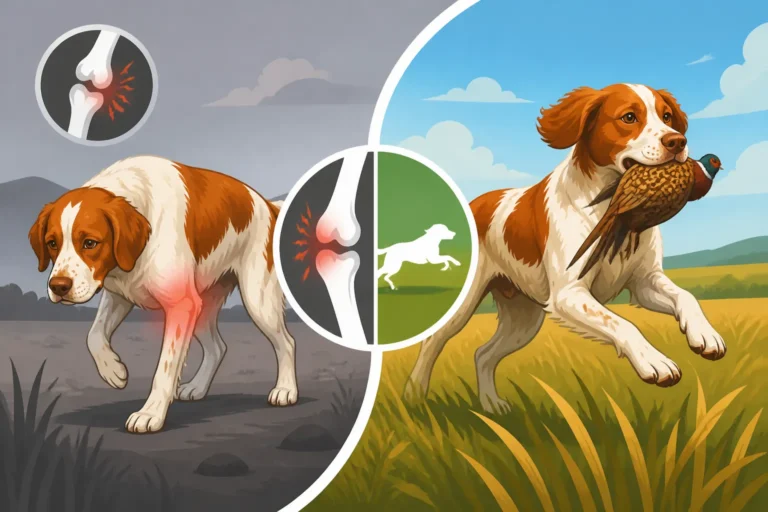
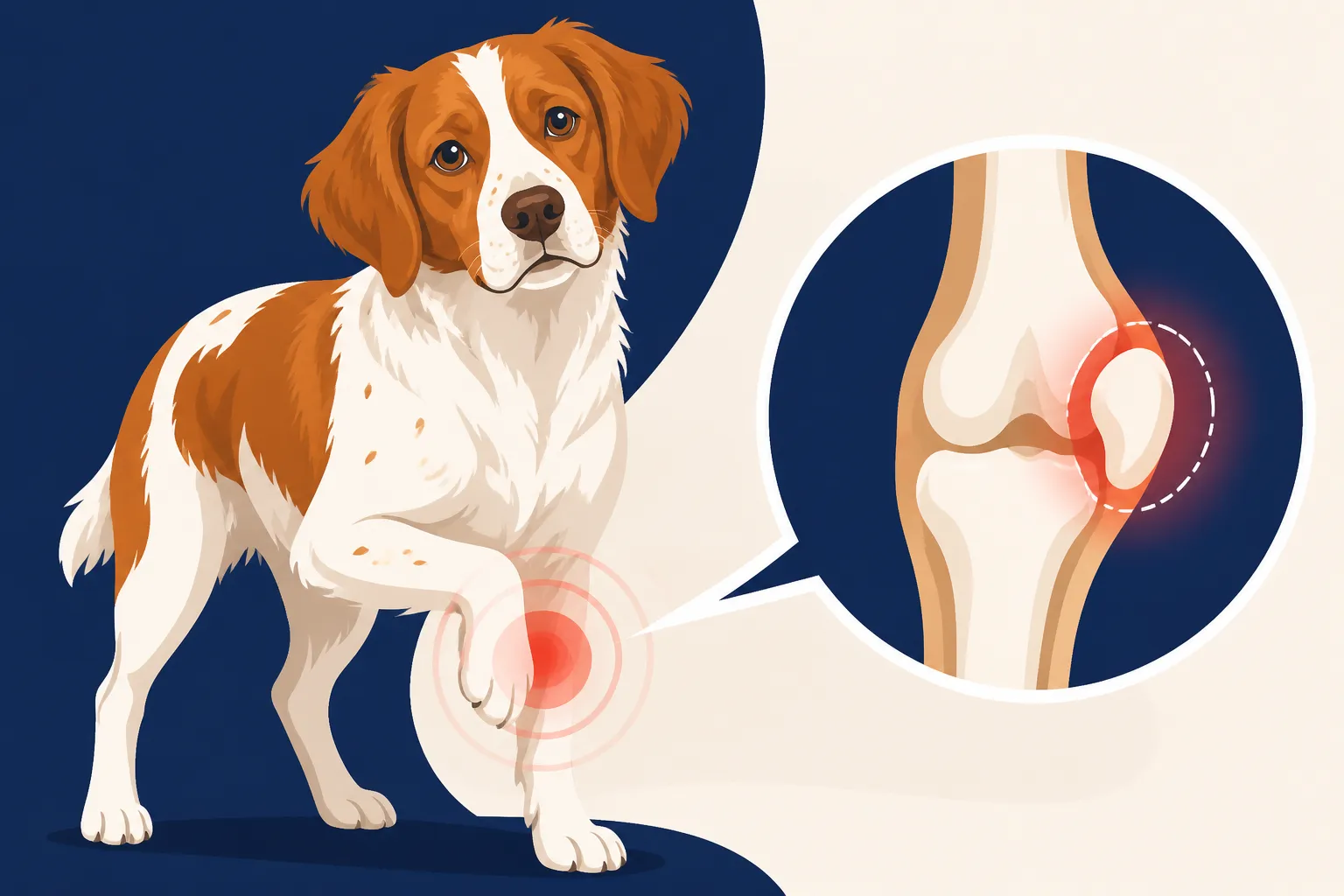
Patellar luxation might sound intimidating, but it simply means that your dog's kneecap (the patella) has slipped out of its normal groove on the thigh bone (femur). For an active breed like the Brittany, whose lives revolve around movement, this can be a significant setback, causing discomfort and hindering their ability to run, jump, and, most importantly, hunt.
What Is Patellar Luxation, Exactly?
Imagine your kneecap, or patella, sitting snugly in a track-like groove at the end of your thigh bone. This groove, called the trochlear groove, is where the patella should glide smoothly as your knee bends and straightens. In a dog with patellar luxation, this kneecap periodically (or sometimes constantly) pops out of this groove. This can happen to the inside of the leg (medial luxation, which is more common, especially in smaller breeds, but can affect Brittanys too) or to the outside (lateral luxation).
When the patella luxates, it can cause the leg to temporarily lock up or the dog to skip a step, holding their leg up until the kneecap either slips back into place on its own or they manipulate it back with a shake or kick. It’s not just a minor inconvenience; repeated luxation can wear down the cartilage, leading to pain, inflammation, and degenerative joint disease over time. While Brittanys are known for being resilient and active, often described as one of The Brittany Is One of the Healthiest Sporting Breeds, this particular condition can unfortunately impact their long-term soundness if not addressed.
Why Are Brittanys Susceptible to Patellar Luxation?
While patellar luxation is more commonly associated with toy breeds, Brittanys, as medium-sized, highly athletic dogs, are not entirely immune. Their active nature and the demands placed on their joints, especially those used for powerful running, jumping, and sudden stops in the field, can certainly highlight or exacerbate any underlying predisposition.
Genetic factors play a significant role in patellar luxation. The condition is often inherited, meaning if a Brittany's parents or close relatives have had luxating patellas, the puppy has a higher chance of developing it. This predisposition usually involves anatomical abnormalities, such as a shallow trochlear groove, weak ligaments, or a misaligned quadriceps muscle group. These subtle structural differences mean the kneecap doesn't sit as securely as it should, making it prone to slipping out under stress, during vigorous activity, or even from a simple wrong step. It’s a common frustration for breeders and owners alike when genetic predispositions surface, especially in breeds celebrated for their robust health.
Recognizing the Signs and Getting a Diagnosis
One of the challenges with active, stoic dogs like Brittanys is their incredible ability to mask pain or discomfort. They're often so driven by their instincts to hunt and play that they'll push through mild issues, making it harder for owners to spot problems early. However, being observant of subtle changes in gait or behavior can make all the difference in catching patellar luxation before it progresses.
Subtle Clues and Obvious Limps
The earliest signs of patellar luxation can be incredibly subtle. You might notice your Brittany occasionally skipping a step, almost like they're momentarily hopping on three legs, only to put the affected leg down a second later as if nothing happened. This "skip" occurs when the patella slips out and then quickly pops back in. Other signs can include:
- Intermittent Lameness: One moment they're fine, the next they're holding up a back leg. This is particularly noticeable after periods of rest or strenuous activity.
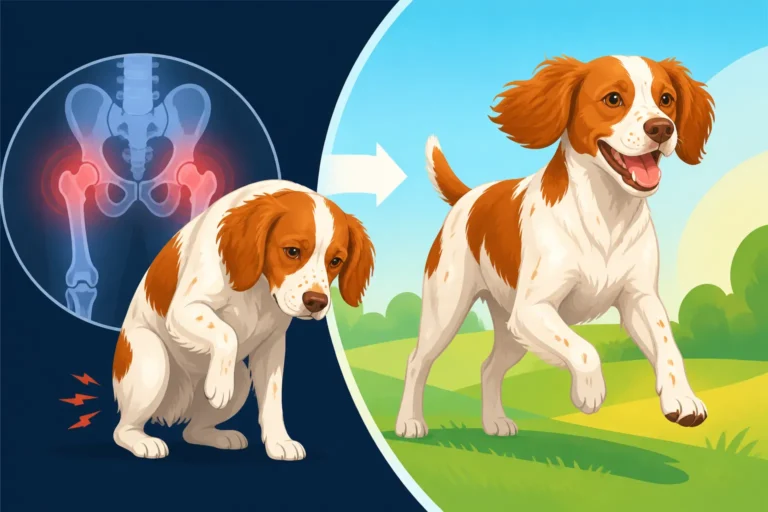
- "Bunny Hopping": Running with both back legs moving together, rather than independently, especially when accelerating or going up stairs. This can be a compensatory mechanism to avoid bending the knee joint that causes the kneecap to luxate.
- Reluctance to Jump: Hesitation before jumping into the car or onto furniture, or even unwillingness to take stairs.
- Pain or Discomfort: While Brittanys are tough, some dogs will vocalize pain with a yelp or whimper when the kneecap luxates. Others might just stiffen up or seem generally uncomfortable. If you notice any of these signs, it's wise to get a professional opinion; early intervention can significantly improve outcomes. You might also want to look for Signs a Brittany's Hips Hurt, as some symptoms can overlap with hip issues.
- Swelling or Joint Instability: In more severe or chronic cases, you might observe a noticeable swelling around the knee joint or feel instability when gently examining the leg.
It's important to remember that these symptoms can fluctuate. Your dog might have a good day with no skipping and then a bad day with frequent episodes. Keeping a journal of when you observe these signs can be incredibly helpful for your veterinarian.
The Vet Visit and Grading System
When you bring your Brittany to the vet with concerns about their gait, the diagnostic process usually begins with a thorough physical examination. Your vet will palpate the knee joint, gently manipulating the patella to see if it can be manually luxated. They'll assess the stability of the joint, listen for any clicking or grinding, and observe your dog's gait.
To get a clearer picture and rule out other orthopedic issues like Cruciate Tears in a Brittany or hip dysplasia, X-rays are usually recommended. While X-rays don't directly show the patella moving, they can reveal the depth of the trochlear groove, any bony abnormalities, and the overall alignment of the limb, which are crucial for determining the severity and cause of the luxation. X-rays also help identify any secondary arthritis that might have developed due to the instability.
Based on the physical exam and X-ray findings, your vet will assign a "grade" to the patellar luxation. This grading system helps categorize the severity of the condition and guides treatment decisions. It's a four-grade scale, typically ranging from Grade 1 to Grade 4:
Grade Description Clinical Signs to your Brittany's well-being and longevity, but the associated costs can be a real concern. This is where pet insurance, like a plan from Healthy Paws, can offer invaluable support. By covering a significant portion of unexpected vet bills—from diagnostics to surgery and rehabilitation—it allows you to make decisions based on what's best for your dog's health, rather than your immediate financial limitations. Getting your dog insured early is always a smart move.
Living with Patellar Luxation: Long-Term Care and Prevention
For many Brittanys, especially those with lower-grade luxations or those who have undergone successful surgery, a high quality of life is absolutely attainable. The key lies in consistent, thoughtful long-term care and proactive management strategies. The goal is always to keep them comfortable, active, and minimize the risk of future complications.
Keeping Your Brittany Active and Comfortable
Your Brittany is a powerhouse of energy and intelligence, bred to cover ground and hunt birds. Simply stopping all activity isn't a sustainable or healthy solution for their physical or mental well-being. The trick is to manage their exercise smartly. This means:
- Controlled Exercise: Instead of unpredictable, high-impact activities, focus on controlled, consistent exercise. Leashed walks, swimming, and carefully supervised off-leash play on even ground are excellent. Avoid activities involving sudden starts, stops, sharp turns, or jumping from heights. If you're a hunter, you might need to adjust your approach or consider how much impact Whether a Working Brittany Wears Its Joints Out from repeated seasons.
- Weight Management: Keeping your Brittany at an ideal weight is paramount. Extra pounds put immense stress on all joints, including the knees, worsening discomfort and accelerating joint degeneration. Talk to your vet about the right diet and portion sizes to keep them lean.
- Physical Therapy: A veterinary physical therapist can be a game-changer. They can design exercises to strengthen the muscles surrounding the knee, improve range of motion, and maintain flexibility. This not only aids in recovery but also helps stabilize the joint long-term.
- Joint Supplements: Many vets recommend joint supplements containing ingredients like glucosamine, chondroitin, and MSM. While they won't fix structural issues, they can support cartilage health, reduce inflammation, and improve overall joint comfort. Omega-3 fatty acids are also beneficial for their anti-inflammatory properties.
- Comfortable Living: Provide soft bedding and consider ramps for getting into cars or onto furniture to reduce jumping impact. Ensuring their living environment supports their joint health is part of Caring for a Brittany Past Ten, as older dogs are more prone to joint issues.
The Road Ahead: Potential Complications and Ongoing Care
Even with the best management, patellar luxation can sometimes lead to secondary complications. The most common is the development of arthritis. The abnormal rubbing and movement of the kneecap in and out of its groove can cause irreversible damage to the joint cartilage, leading to The Age a Brittany Gets Arthritis. This is why early intervention and ongoing monitoring are so crucial. Regular check-ups, even if your dog seems fine, can help catch these developments early.
Another significant complication, especially with higher-grade luxations, is an increased risk of a cruciate ligament tear. When the kneecap is unstable, it puts additional strain on the other structures of the knee, making the anterior cruciate ligament (ACL) more vulnerable to injury. This is why a thorough examination by your vet is so important – they'll be checking the integrity of all knee structures.
Ongoing care means staying vigilant. Continue to monitor your Brittany for any signs of discomfort, lameness, or changes in their activity level. Regular vet visits are essential, not just for vaccinations or general wellness, but specifically for orthopedic check-ups. How Often a Brittany Needs a Wellness Exam should ideally include a thorough joint assessment. If surgery was performed, adherence to post-operative rehabilitation instructions is key to a successful outcome. Even if your Brittany is an avid hunter, managing their condition allows them to enjoy the field. You'll want to carefully consider Whether an Aging Brittany Still Wants to Hunt if their patellar luxation leads to significant arthritis in their later years.
While the thought of patellar luxation in your active Brittany can be daunting, remember that many dogs live full, happy lives with this condition, especially with appropriate care. Being informed, working closely with your veterinarian, and providing consistent support are the best tools you have to ensure your beloved companion continues to thrive. Pet insurance, such as a comprehensive plan from Healthy Paws, can be a financial lifeline, allowing you to prioritize the best medical treatments without the added stress of unexpected costs, which can become substantial over What a Brittany Costs Over Its Lifetime.
Disclaimer
This article is for general informational purposes only and does not constitute professional advice. Laws, prices and regulations vary by location and change over time. Consult a qualified professional for guidance on your specific situation.