What Most Brittany Spaniels Die Of
It's an incredibly tough moment, isn't it? The thought of losing our beloved Brittanys is something no dog owner wants to dwell on, but it's a reality we all eventually face. We invest so much love, time, and care into these energetic, loyal companions, and when their time comes, we often wonder if there was anything more we could have done, or simply, what caused their passing. This guide is here to shed some light on the most common causes of death in Brittany Spaniels, not to create fear, but to empower you with knowledge. By understanding these challenges, we can be more proactive in their care, identify potential issues earlier, and hopefully, give our wonderful Brittanys the longest, happiest lives possible.
Understanding the Brittany's Lifespan
When we bring a Brittany into our lives, we often dream of many years of adventures, hunts, and cuddles on the couch. It’s a harsh reality that their time with us is finite, but understanding their typical lifespan and the factors that influence it can help us appreciate every moment and prepare for the natural course of life.
The Average Years We Get With Our Brittanys
Most Brittany Spaniel owners can expect their furry family members to grace their lives for a good stretch, usually between 12 to 14 years. It’s a decent run for a medium-sized breed, especially one as active as a Brittany, but let's be honest, it never feels like enough, does it? We constantly wish for just one more year, one more hunt, one more sunset walk. This range, while typical, isn't set in stone. Some Brittanys, with good genes and diligent care, can absolutely push past that 14-year mark, becoming cherished seniors who defy their age with surprising gusto. Conversely, others might face unforeseen challenges that shorten their journey. It's a bittersweet truth that every dog is an individual, and while averages give us a benchmark, they don't define the entirety of any single dog's story. If you're curious about the specifics, you might find more insight in our article on How Long a Brittany Spaniel Lives on Average.
Many factors feed into this average, from the moment they’re conceived to their daily diet and exercise routines. It’s a delicate balance, and as responsible owners, we strive to tip that balance in favor of a longer, healthier life. Knowing the common ailments that often cut short these precious years can equip us to be better advocates for their health, leading to earlier interventions and more informed decisions. It’s all about trying to make those 12 to 14 years, or hopefully more, as vibrant and full of life as possible, recognizing that sometimes, despite our best efforts, nature takes its course.
How Genetics and Lifestyle Play a Role
The blueprint for your Brittany's life begins with its genetics. Just like in humans, certain genetic predispositions can make a dog more susceptible to particular diseases. A reputable breeder will go to great lengths to screen their breeding stock for known genetic conditions, aiming to produce puppies with the strongest possible genetic foundation. However, genetics are just one piece of the puzzle. The environment and lifestyle we provide play an equally crucial role in how those genes express themselves throughout a Brittany's life. A dog with excellent genetics but a poor diet, insufficient exercise, and infrequent veterinary care might still face health struggles earlier than expected.
Conversely, a dog with a slightly less-than-perfect genetic background can thrive with optimal care. This includes a high-quality, balanced diet tailored to their age and activity level, consistent exercise that keeps their minds sharp and their bodies lean, and perhaps most importantly, regular veterinary check-ups. These routine visits aren't just for vaccinations; they're vital for early detection of subtle changes that could signal an emerging health issue. Lifestyle choices, from avoiding obesity to providing adequate mental stimulation, collectively contribute to a Brittany's overall resilience and ability to ward off illness or manage chronic conditions effectively as they age.
Cancer: The Leading Cause of Loss
It's a heartbreaking statistic, but one that sadly rings true for many dog breeds, including our beloved Brittanys: cancer is often the primary reason we say goodbye. It's a cruel disease that manifests in countless ways, making it particularly insidious and challenging to predict.
The Prevalence of Cancer in Brittanys
Cancer looms large as the leading cause of death in Brittany Spaniels, accounting for a significant percentage of senior dog losses. It's a diagnosis that strikes fear into the hearts of owners, and for good reason. Our active, energetic Brittanys, who often seem invincible in the field, can be just as vulnerable to this complex group of diseases. Common types of cancer seen in Brittanys include lymphoma, which affects the lymphatic system; mast cell tumors, which can appear on or under the skin and can be aggressive; and hemangiosarcoma, a highly malignant cancer of the blood vessel lining that often affects the spleen or heart. The challenge with cancer is its variability; it can appear subtly, progress rapidly, or linger for years, making each case unique and often unpredictable.
The insidious nature of cancer means it often works silently, sometimes only showing obvious signs when it has already progressed significantly. This is why vigilance and early detection are so incredibly important for Brittany owners. What might seem like a harmless lump, a slight decrease in appetite, or a touch of lethargy could be the first whisper of something more serious. It’s a tough reality to face, but understanding this prevalence can help us be more attentive to our dogs' health, knowing that this particular battle is one many Brittanys will face in their later years. For more details on specific types, you might want to read Which Cancers a Brittany Spaniel Gets.
Recognizing the Subtle Signs of Cancer
One of the biggest hurdles in fighting canine cancer is recognizing its onset. Our Brittanys are notoriously stoic, often hiding discomfort until it becomes undeniable. This means we, as their caregivers, need to be hyper-aware of even the most subtle changes in their behavior or physical condition. Unexplained weight loss, even if your Brittany is still eating well, should raise a red flag. A persistent lack of energy or enthusiasm for activities they once loved – maybe they're not as eager for that morning run or their retrieves are less vigorous – warrants investigation. Lumps and bumps are perhaps the most visually obvious signs, and while many are benign, any new growth or change in an existing one should be evaluated by a vet promptly. This includes swellings in the abdomen or lymph nodes that don't go away.
Changes in appetite, difficulty eating or swallowing, chronic vomiting or diarrhea, or even persistent lameness can all be signs of an underlying issue. It’s crucial not to dismiss these as "just old age" but to see your veterinarian for a thorough check-up. Early detection can open up more treatment options and significantly improve prognosis and quality of life. Diagnostics might include blood tests, X-rays, ultrasounds, or biopsies, all aimed at pinpointing the problem early. Regular physical examinations at home are also key – gently run your hands over your Brittany's body, feeling for anything new or unusual. Our guide on How to Check a Brittany for Lumps offers more specific advice on this important practice.
Heart Disease and Organ Failure
As our Brittanys age, just like us, their vital organs can begin to show signs of wear and tear. Heart disease and organ failure, particularly of the kidneys and liver, are significant contributors to mortality, often emerging gradually and requiring careful management.
Age-Related Heart Conditions
Heart disease is another common culprit, especially as our Brittanys move into their senior years. While they are known for their athleticism and vigor, their hearts aren't immune to the effects of time. Conditions like valvular disease, where the heart valves weaken and don't close properly, leading to inefficient blood flow, are frequently diagnosed. Dilated cardiomyopathy (DCM) can also occur, where the heart muscle itself becomes thin and weak, making it unable to pump blood effectively. These conditions often progress slowly, and your Brittany might compensate for a long time, showing very few outward signs until the disease is quite advanced.
Eventually, as the heart struggles, you might notice symptoms like a persistent cough, especially at night or when resting, reduced stamina during walks or hunts, unexplained fatigue, or even fainting spells. Swelling in the abdomen due to fluid buildup can also be a sign of congestive heart failure. Regular veterinary check-ups are critical for catching these issues early, often through listening to the heart for murmurs or rhythm abnormalities. While heart disease can’t always be cured, early diagnosis allows for medical management, dietary changes, and sometimes surgical interventions that can significantly slow its progression and improve your Brittany's quality of life for many more years. You can learn more about this in Whether a Brittany Gets Heart Disease.
Kidney and Liver Decline
Beyond the heart, the kidneys and liver are also hardworking organs that can experience age-related decline, leading to significant health problems. Chronic kidney disease (CKD) is a progressive condition that often develops silently, with symptoms only appearing when a large percentage of kidney function has been lost. The kidneys are crucial for filtering waste products from the blood, and when they fail, toxins build up, making your dog feel unwell. Signs might include increased thirst and urination, decreased appetite, weight loss, lethargy, and sometimes vomiting. Similarly, the liver, responsible for countless metabolic processes, can also decline with age or due to other underlying conditions. Liver disease symptoms can be vague, encompassing loss of appetite, vomiting, diarrhea, jaundice (yellowing of skin or eyes), and increased thirst.
Managing kidney and liver decline typically involves a combination of specialized diets, medications to support organ function and manage symptoms, and regular monitoring of blood and urine. These conditions can significantly impact a Brittany's overall health and comfort, often requiring difficult decisions about their quality of life as they progress. The goal is always to provide supportive care that maximizes their comfort and prolongs their functional life as much as possible. These conditions highlight the importance of routine senior wellness panels, which include blood tests to check kidney and liver values, allowing for early detection and intervention.
Musculoskeletal and Neurological Issues in Later Life
While not always a direct cause of death, severe musculoskeletal and neurological issues can significantly diminish a Brittany's quality of life to a point where humane euthanasia becomes the only compassionate option. These conditions become more prevalent as our dogs age, presenting their own unique challenges.
The Impact of Severe Arthritis and Mobility Loss
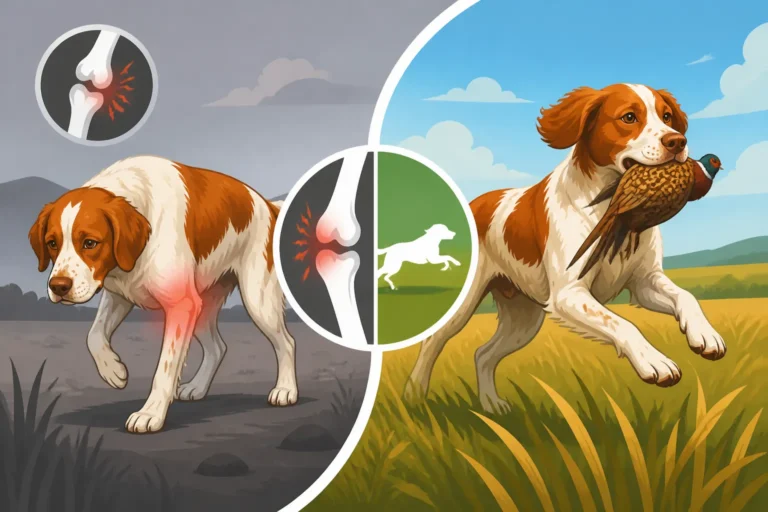
Our Brittanys are built for movement, for running through fields and chasing birds with unparalleled grace. So, when severe arthritis sets in, robbing them of their mobility, it's particularly devastating to witness. Arthritis is a progressive degeneration of the joints, and while it's a common ailment in aging dogs, for an active breed like the Brittany, it can be profoundly debilitating. It might start as a stiffness after rest, then progress to limping, difficulty getting up, reluctance to climb stairs, or even pain with simple movements. While arthritis itself doesn't directly kill a dog, the chronic pain, loss of independence, and inability to perform basic functions (like getting outside to relieve themselves or finding a comfortable position) can severely impact their quality of life.
When medication, physical therapy, and environmental modifications (like ramps or orthopedic beds) are no longer enough to manage the pain and discomfort, owners face the agonizing decision of euthanasia. It’s a decision made out of profound love, prioritizing their dog’s comfort over our own desire to keep them near. Managing arthritis effectively through diet, supplements, pain medication, and appropriate exercise can delay this outcome significantly. Knowing The Age a Brittany Gets Arthritis can help you prepare for these possibilities. Even an arthritic Brittany can still find joy in gentle activity, and sometimes Whether an Arthritic Brittany Can Still Hunt is a question many owners grapple with.
Neurological Degeneration and Cognitive Decline
Just like humans, dogs can experience neurological degeneration as they age, including canine cognitive dysfunction (CCD), often referred to as "doggy dementia." This can manifest as disorientation, altered interactions with family members, changes in sleep-wake cycles (pacing at night, sleeping all day), loss of housetraining, and increased anxiety. While not immediately life-threatening, the progressive nature of CCD can lead to a severe decline in quality of life for both the dog and the family. A dog that is constantly anxious, confused, or distressed, or one that can no longer recognize its home or family, faces significant challenges.
Beyond CCD, other severe neurological conditions, such as intractable epilepsy that becomes difficult to control with medication, or spinal cord issues leading to paralysis, can also necessitate difficult decisions. Imagine your lively, intelligent Brittany struggling with constant seizures or losing the ability to use its legs. These are scenarios where the decision to end suffering, rather than prolong it, becomes a deeply compassionate act. Early recognition of cognitive changes and discussion with your vet can lead to interventions, such as special diets, supplements, and medications, that can slow the progression of CCD and maintain a better quality of life. For dogs experiencing severe seizures, understanding Epilepsy in a Brittany Spaniel is crucial for managing their condition. As our Brittanys age, the care they need truly shifts, making our article on Caring for a Brittany Past Ten particularly relevant.
Accidents and Acute Events
While age-related diseases account for many losses in senior Brittanys, for a breed so active and adventurous, acute events and accidents can unfortunately cut lives short at any age. These instances often happen suddenly, leaving owners reeling.
Field-Related Injuries and Trauma
Brittanys are quintessential hunting dogs, bred to run hard, dive into cover, and brave varied terrains. This active lifestyle, while fulfilling, inherently carries risks. In the field, a Brittany might face a venomous snake bite, a severe laceration from barbed wire or sharp debris, or even a fall that results in significant trauma. Car accidents are another tragic possibility if a dog gets loose or is not properly secured during transport. These incidents often require immediate and intensive veterinary care, and despite best efforts, some injuries can be too severe to overcome. Heatstroke is also a critical concern, especially for high-drive dogs pushing themselves too hard on an early season hunt or warm day, which can be rapidly fatal.
Preventative measures are paramount here. This means always hunting with a well-trained dog, knowing the terrain, keeping them leashed in unsecured areas, and ensuring they are always safely crated or secured in a vehicle. For owners who are frequently in the field, a comprehensive first-aid kit is essential for immediate treatment of minor injuries. Having access to prompt veterinary care is also critical for severe trauma. It's in these moments of unexpected crisis that the financial burden of emergency treatment can be overwhelming. This is where pet insurance, like a plan from Healthy Paws, can truly be a lifesaver, allowing you to focus on your dog's recovery without the added stress of exorbitant vet bills. You might find our article on The Injuries a Brittany Picks Up in the Field to be a helpful read, along with tips on preventing Whether a Brittany Overheats on an Early Season Hunt.
Bloat Gastric Dilatation-Volvulus
Bloat, or Gastric Dilatation-Volvulus (GDV), is every deep-chested dog owner's nightmare, and while not as common as cancer, it's an acute, life-threatening emergency that can strike rapidly. Brittanys, with their characteristic deep chests, are considered to be at a moderate to high risk for this devastating condition. GDV occurs when the stomach fills with gas and twists upon itself, trapping air and obstructing blood flow. This causes immense pain and can lead to shock and death very quickly if not treated immediately. It's a terrifying scenario because it can happen seemingly out of nowhere.
Symptoms of bloat include unproductive retching (trying to vomit but nothing comes up), a distended or swollen abdomen, restlessness, drooling, pain when the abdomen is touched, and signs of shock like pale gums and rapid heart rate. If you ever suspect bloat, it's an absolute race against time – get your Brittany to an emergency veterinarian immediately. There is no waiting for an appointment or observing overnight; every minute counts. The only treatment is emergency surgery to untwist the stomach and often to perform a gastropexy, which tacks the stomach to the abdominal wall to prevent future occurrences. Understanding Whether a Brittany Bloats is crucial for all Brittany owners, so you can recognize the signs and act swiftly, potentially saving their life.
Preventative Measures and Proactive Care
Knowing the common causes of death in Brittanys isn't meant to cause worry, but rather to empower us to take proactive steps. While we can't prevent every illness or accident, there's a lot we can do to maximize their health, comfort, and longevity.
The Power of Regular Veterinary Check-ups
One of the single most impactful things we can do for our Brittanys is to ensure they receive regular veterinary check-ups. These aren't just routine visits for vaccinations; they are crucial opportunities for your vet to perform a thorough physical examination, catching subtle changes that you might miss at home. For younger Brittanys, annual check-ups are typically sufficient. However, as your Brittany moves into their senior years (around 7-8 years old), bi-annual (twice-yearly) check-ups are highly recommended. These more frequent visits allow for earlier detection of age-related diseases like heart conditions, kidney disease, or the early stages of cancer.
During these visits, your vet may recommend routine bloodwork, urinalysis, and sometimes other screenings like X-rays or ultrasounds, especially for older dogs. These diagnostic tools can reveal underlying issues before they become clinically apparent, allowing for earlier intervention and more effective management. For instance, a slight elevation in kidney values might prompt dietary changes before full-blown kidney disease takes hold. Discussing any behavioral changes, new lumps, or subtle shifts in appetite or energy with your vet is also vital. Remember, you know your Brittany best, and your observations are invaluable. Our article on What a Brittany's Yearly Bloodwork Should Cover provides a good overview of what these important tests entail.
Diet, Exercise, and Weight Management
Beyond the vet's office, our daily choices profoundly impact our Brittany's health. A high-quality, balanced diet specifically formulated for their age, activity level, and any existing health conditions is fundamental. For an active Brittany, this often means a diet rich in protein and healthy fats to fuel their boundless energy. Avoid cheap fillers and artificial ingredients. Just as important is feeding the right amount of food. Obesity is a major health risk, leading to increased strain on joints, contributing to heart disease, diabetes, and even some cancers. Maintaining a lean body condition is one of the easiest and most effective ways to prolong your Brittany's life and enhance their quality of living. You should be able to easily feel their ribs without seeing them prominently, and they should have a discernible waist when viewed from above.
Consistent and appropriate exercise is equally critical. Brittanys are not couch potatoes; they need regular, vigorous activity to be physically and mentally healthy. This could be daily runs, long walks, fetching sessions, or, ideally, time in the field doing what they were bred for. Exercise helps maintain muscle mass, supports joint health, keeps their cardiovascular system strong, and burns off excess energy, reducing the likelihood of destructive behaviors. However, it's also important to tailor exercise to their age and physical condition – an aging Brittany might need shorter, more frequent walks rather than intense runs to protect their joints.
Considering Pet Insurance for Peace of Mind
Let's be realistic: veterinary care, especially emergency care or ongoing treatment for chronic conditions like cancer or heart disease, can be incredibly expensive. This financial burden can add immense stress during already difficult times, sometimes forcing heartbreaking decisions. This is precisely where pet insurance steps in, offering a safety net that can allow you to pursue the best possible care for your Brittany without crippling your finances. Companies like Healthy Paws offer comprehensive plans that cover accidents, illnesses, surgeries, emergency care, and even genetic conditions, providing invaluable peace of mind.
Imagine your Brittany suddenly develops bloat and needs emergency surgery, or is diagnosed with cancer requiring chemotherapy. These situations can easily rack up bills in the thousands of dollars. With a good pet insurance policy, you typically pay a deductible and then a percentage of the remaining bill, significantly reducing your out-of-pocket costs. It's an investment in your Brittany's future health and your financial stability. Thinking about pet insurance proactively, rather than waiting until an emergency strikes, is a wise decision for any Brittany owner who wants to ensure they can always provide the best care for their beloved companion, regardless of the unexpected challenges life might throw their way. Choosing a reliable provider like Healthy Paws can make a real difference when those unexpected vet visits crop up.
| Cause of Death | Common Age Range | Key Signs to Watch For | Preventative/Proactive Measures |
|---|---|---|---|
| Cancer | Mid-to-Senior (8+ years) | Lumps, unexplained weight loss, lethargy, decreased appetite, persistent lameness | Regular vet checks, home lump checks, healthy diet, maintain lean weight |
| Heart Disease | Senior (10+ years) | Persistent cough, reduced stamina, fatigue, difficulty breathing, abdominal swelling | Regular vet checks (listen for murmurs), weight management, appropriate exercise |
| Kidney/Liver Disease | Senior (10+ years) | Increased thirst/urination, decreased appetite, weight loss, vomiting, jaundice | Regular vet checks (bloodwork), appropriate diet, avoid toxins |
| Severe Arthritis/Mobility Loss | Senior (10+ years) | Stiffness, limping, difficulty standing/walking, reluctance to jump/climb | Weight management, joint supplements, pain management, soft bedding |
| Neurological Issues | Senior (8+ years) | Disorientation, behavioral changes, seizures, paralysis, loss of housetraining | Early vet intervention, appropriate medication, mental stimulation |
| Accidents/Trauma | Any age | Lacerations, fractures, internal injury, heatstroke signs, snake bite marks | Leash control, secure yard/kennel, field safety, heat management, first aid |
| Bloat (GDV) | Any age (esp. deep-chested) | Unproductive retching, distended abdomen, restlessness, drooling, signs of shock | Avoid exercise after eating, multiple small meals, prophylactic gastropexy (discuss with vet) |
Disclaimer
This article is intended for informational purposes only and does not constitute professional veterinary advice. Always consult with a qualified veterinarian for any health concerns or before making any decisions about your Brittany Spaniel's care.