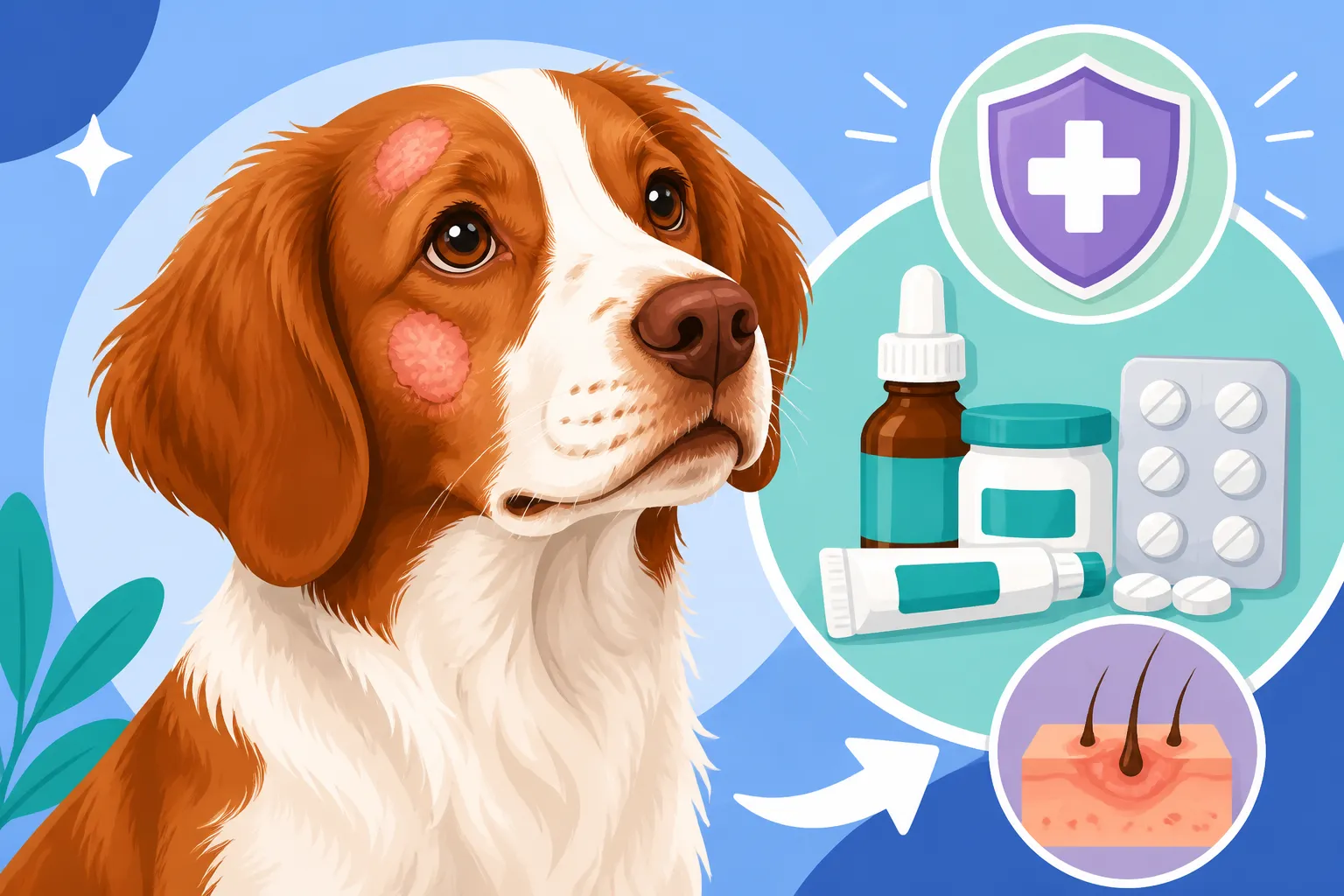
How a Brittany With Discoid Lupus Is Treated
Seeing your beloved Brittany’s once-dark, smooth nose turn depigmented, crusty, and even cracked can be incredibly distressing. It’s a baffling and often painful condition known as discoid lupus erythematosus (DLE), and watching your energetic companion suffer from something so visible can leave you feeling helpless. This comprehensive guide is here to walk you through the various treatment approaches for DLE in Brittanys, helping you understand how to manage this chronic autoimmune disease and bring relief to your furry friend.
Understanding Discoid Lupus in Brittanys
Discoid lupus erythematosus, or DLE, is a relatively common autoimmune skin condition in dogs, and Brittanys are one of the breeds often affected. It primarily targets the skin, especially sun-exposed areas like the nose, often leading to a loss of pigment and uncomfortable lesions. It’s not the same as systemic lupus erythematosus, which affects multiple organs, though it's considered part of the broader lupus spectrum.
Recognizing the Signs of Discoid Lupus
The first thing you’ll likely notice is a change in your Brittany’s nose. That signature black "button nose" might start to fade, turning pinkish or gray, a phenomenon often referred to as "nasal depigmentation" or "collie nose" due to its prevalence in other breeds like Collies and German Shepherds. This isn't just a cosmetic issue; it's a critical early warning sign.
As DLE progresses, the affected skin can become dry, scaly, and develop ulcers or erosions. You might see crusting and bleeding, especially if your Brittany rubs or scratches at the area. The surface of the nose, which usually has a cobblestone-like texture, can become smooth and flattened. Sometimes, the lesions can extend to the bridge of the nose, the lips, around the eyes, or even the paw pads. It’s a truly uncomfortable situation for them, and you might even notice a decrease in appetite if their lips are particularly sore. If you’ve seen these tell-tale symptoms, our article on Signs a Brittany Has Discoid Lupus goes into even greater detail about what to look for.
The Importance of a Definitive Diagnosis
When you observe these changes, your first step should always be a visit to your veterinarian. While the clinical signs of DLE are often quite characteristic, other conditions can mimic lupus, making a definitive diagnosis crucial for proper treatment. These can include fungal infections, other autoimmune skin diseases like pemphigus, or even certain types of skin cancer. You don't want to start treating for one thing when it's actually something entirely different.
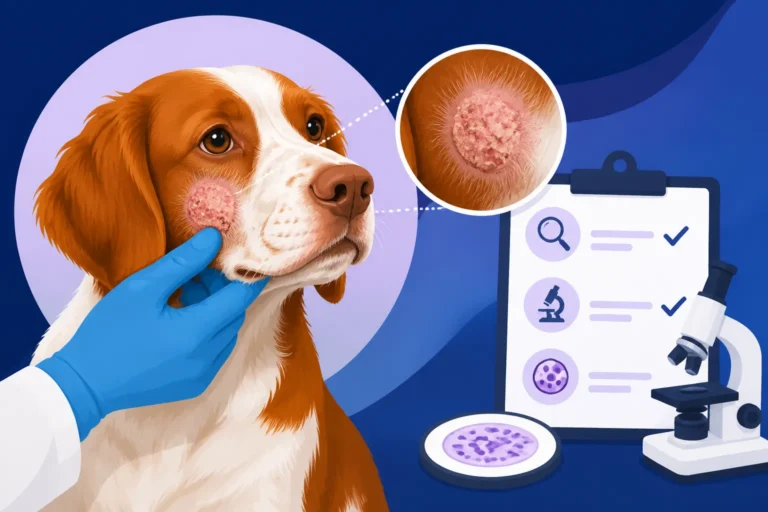
Your vet will likely recommend a skin biopsy. This involves taking a small tissue sample from the affected area, usually under local anesthetic or light sedation, and sending it to a specialized veterinary pathologist. They will examine the tissue under a microscope for specific cellular changes indicative of DLE. This step is vital because without it, you're essentially shooting in the dark. It’s a small procedure, but it provides the certainty needed to create an effective treatment plan and rule out other, potentially more serious, issues. If you're wondering How Discoid Lupus Is Diagnosed in a Brittany, we cover the process in depth.
Initial Treatment Strategies for DLE
Once DLE is confirmed, your vet will develop a treatment plan tailored to your Brittany’s specific symptoms and severity. The goal is to reduce inflammation, alleviate discomfort, and prevent further progression of the disease. Treatment often involves a combination of topical and oral medications.
Topical Medications for Mild Cases
For Brittanys with mild DLE, particularly when the lesions are localized to the nose and aren't excessively painful or ulcerated, topical treatments are often the first line of defense. These medications are applied directly to the affected skin, minimizing systemic side effects.
One common topical treatment is a corticosteroid ointment or cream, such as triamcinolone or betamethasone. These powerful anti-inflammatory agents work by suppressing the localized immune response in the skin. They can help reduce redness, swelling, and itching. You'll usually apply a thin layer a couple of times a day. Another highly effective topical medication is tacrolimus ointment. Tacrolimus is an immunomodulator that also suppresses the immune system but without the steroid-related side effects, making it a good long-term option, especially for sensitive areas. It can take a few weeks to see noticeable improvement with topical treatments, so patience is key. It's also incredibly important to protect the area from sun exposure, as sunlight can significantly worsen DLE. Our article on Whether a Brittany Needs Sunscreen on Its Nose offers practical advice on this.
Oral Medications for More Severe Discoid Lupus
When topical treatments aren't enough, or if the DLE is widespread, severe, or causing significant pain and ulceration, your vet will likely prescribe oral medications. These work systemically, meaning they affect the whole body, to bring the immune response under control.
Systemic corticosteroids, like prednisone, are frequently used to quickly reduce severe inflammation. They are usually started at a higher dose to get the disease under control, then gradually tapered down to the lowest effective dose to minimize side effects. While very effective, long-term steroid use can lead to increased thirst and urination, increased appetite, weight gain, panting, and muscle weakness. This is why careful monitoring and tapering are crucial.
Other oral medications might include immunosuppressants such as azathioprine or cyclosporine. These drugs modulate the immune system in different ways and can be used alone or in combination with lower doses of steroids to achieve control while reducing steroid side effects. Cyclosporine, for example, is often chosen for its effectiveness and generally favorable side effect profile compared to long-term high-dose steroids, though it can still cause gastrointestinal upset or gum overgrowth. When considering these long-term medications, it's wise to think about pet insurance. Companies like Healthy Paws can be a real lifeline, helping to cover the ongoing costs of these specialized medications and vet visits for chronic conditions like DLE, easing the financial burden on devoted owners. For a deeper dive into the specific medications used, check out our guide on Which Medication a Brittany With Lupus Takes.
| Medication Type | Examples | Primary Use | Application/Dosage | Common Side Effects |
|---|---|---|---|---|
| Topical Corticosteroids | Triamcinolone, Betamethasone | Mild, localized inflammation, redness, itching | Apply thin layer 1-2 times daily | Local skin irritation, thinning skin with prolonged use |
| Topical Immunomodulators | Tacrolimus ointment | Mild to moderate DLE, steroid-sparing | Apply thin layer 1-2 times daily | Local irritation, transient stinging |
| Oral Corticosteroids | Prednisone, Prednisolone | Moderate to severe DLE, rapid anti-inflammatory effect | Daily, then tapered to lowest effective dose | Increased thirst/urination, appetite, panting, weight gain |
| Oral Immunosuppressants | Cyclosporine, Azathioprine | Moderate to severe DLE, long-term management, steroid-sparing | Daily, often alongside or after tapering steroids | GI upset, gum overgrowth (cyclosporine); bone marrow suppression, liver issues (azathioprine) |
| Fatty Acid Supplements | Omega-3 (EPA/DHA) | Adjuvant therapy, anti-inflammatory support | Daily, dosage based on weight | Mild GI upset |
| Vitamin E | Alpha-tocopherol | Antioxidant, skin health support | Daily, dosage based on weight | Generally minimal |
Managing Environmental Triggers
Treating DLE isn’t just about medication; it’s also about proactively managing environmental factors that can exacerbate the condition. For Brittanys, like many breeds prone to DLE, sunlight is a major culprit.
Protecting Your Brittany from the Sun
If your Brittany has DLE, sun exposure is your enemy. Ultraviolet (UV) light is known to trigger and worsen DLE lesions, especially on the nose. Think of it like a sunburn that never heals properly because their immune system is overreacting. This is why you might notice your dog's nose looking much worse after a sunny day outdoors. Understanding How Sun Worsens a Brittany's Lupus is crucial for effective management.
Your best defense is avoidance, particularly during peak UV hours (typically 10 AM to 4 PM). Schedule walks and outdoor activities for early mornings or late evenings. When your Brittany is outside during the day, seek shaded areas. For direct protection, dog-specific sunscreens can be applied to the nose and other affected areas. Look for products that are zinc oxide-free (zinc can be toxic if ingested) and labeled as pet-safe. Human sunscreens are often not suitable due to ingredients that can be harmful if licked. Consider protective gear, such as specialized hats or visors designed for dogs, though getting a Brittany to wear one consistently might be a training challenge! Consistent sun protection is not just a recommendation; it's a vital part of preventing flare-ups and giving topical medications a chance to work.
Nutritional Support and Supplementation
While diet alone can't cure DLE, certain nutritional interventions and supplements can play a supportive role in managing the condition and bolstering skin health. It's about providing the body with the tools it needs to reduce inflammation and maintain skin integrity.
Omega-3 fatty acids, particularly eicosapentaenoic acid (EPA) and docosahexaenoic acid (DHA), found in fish oil, are well-known for their anti-inflammatory properties. They can help to reduce the severity of the immune response contributing to DLE. Your vet can recommend an appropriate dosage, as high-quality supplements are vital. You'll want to choose a reputable brand with third-party testing for purity. Vitamin E, an antioxidant, can also be beneficial for skin health and may help protect cells from damage. It’s often used in combination with omega-3s. Some vets might suggest exploring novel protein diets or hypoallergenic foods if there's any suspicion of concurrent food sensitivities that could complicate skin health, although DLE itself isn't typically triggered by food allergies. Always discuss any dietary changes or supplements with your veterinarian to ensure they are appropriate and won't interact negatively with other medications.
Long-Term Care and Monitoring
Discoid lupus erythematosus is generally a chronic condition, meaning it often requires ongoing management throughout your Brittany’s life. There’s no quick fix, but with consistent care, many dogs can live comfortable lives.
Ongoing Management and Relapse Prevention
The key to long-term success with DLE is consistent adherence to the treatment plan and vigilant monitoring for any signs of relapse. This means regular check-ups with your veterinarian to assess the progress of the disease, evaluate the effectiveness of medications, and adjust dosages as needed. It also means you, as the owner, becoming an expert observer of your Brittany’s nose and skin.
Once the initial flare-up is under control, your vet will aim to find the lowest effective dose of medication to keep the DLE in remission. This might involve reducing the frequency of topical applications or slowly tapering oral medications. However, it's rare for a Brittany with DLE to ever be completely off medication. Relapses can occur, especially if sun protection is neglected or if there's a stressful event. Catching these early allows for quick intervention, often by temporarily increasing medication, preventing the condition from spiraling out of control. Our piece titled Whether a Brittany's Lupus Is Lifelong underscores the reality of this chronic management. Remember that a pet insurance plan, like one from Healthy Paws, can be incredibly beneficial for these ongoing costs, including regular vet visits, follow-up biopsies if needed, and medication refills for chronic illnesses. It's a way to ensure you can always afford the best care for your Brittany.
Dealing with Complications
While DLE itself is a skin condition, its progression can lead to secondary complications that need prompt attention. The damaged and compromised skin barrier, especially when it’s cracked or ulcerated, becomes an open invitation for bacterial or fungal infections.
These secondary infections can worsen the discomfort, increase inflammation, and even mimic a DLE flare-up. If you notice increased redness, pus, foul odor, or your Brittany is excessively licking or scratching the area, it's time for another vet visit. Your vet will likely take samples for cytology or culture to identify the specific pathogen and prescribe appropriate antibiotics or antifungals. Pain management is another crucial aspect, particularly if the lesions are deep or severely ulcerated. Your vet may prescribe pain relievers to ensure your Brittany remains comfortable. Preventing complications relies heavily on the diligent management of the primary DLE and maintaining good hygiene around the affected areas. When you see Why a Brittany's Nose Cracks and Bleeds, it’s often a sign that secondary issues might not be far behind.
When to Consult a Specialist
While your primary care veterinarian is excellent for diagnosing and managing many conditions, sometimes a specialist's expertise is warranted, especially with chronic, complex autoimmune diseases like DLE.
Seeking a Veterinary Dermatologist
There are several situations where consulting a board-certified veterinary dermatologist can be highly beneficial. If your Brittany’s DLE isn't responding well to the initial treatments prescribed by your general vet, or if the disease is unusually severe, rapidly progressing, or involves multiple body parts, a specialist can offer a fresh perspective and more advanced treatment options.
Veterinary dermatologists have extensive training in skin diseases and often have access to a broader range of diagnostic tools and therapeutic agents. They can confirm the initial diagnosis, rule out other rare skin conditions, and formulate a more aggressive or nuanced treatment plan. They might suggest different combinations of immunosuppressants, or even consider treatments not typically used by general practitioners. They are also adept at managing the side effects of long-term medications and can guide you through the complexities of chronic care, offering peace of mind when facing such a persistent condition. Don't hesitate to ask your primary vet for a referral if you feel your Brittany's DLE isn't getting adequate control.
Understanding the Prognosis
The good news is that DLE, especially when localized to the nose, generally carries a good prognosis for long-term management and quality of life. Unlike systemic lupus, it's rarely life-threatening. The most significant challenge is that it's typically a lifelong condition requiring ongoing vigilance and treatment.
While the loss of pigment on the nose (depigmentation) is often permanent, the inflammation, crusting, and discomfort can almost always be brought under control. With consistent medication, sun protection, and supportive care, many Brittanys with DLE live full, active lives without significant discomfort. However, there's always the potential for flare-ups, and managing secondary infections is a common part of the journey. Scars can form in severely affected areas, which can alter the appearance of the nose permanently. The goal isn't necessarily a "cure" but effective control that prevents pain and allows your Brittany to enjoy their everyday activities, whether that's a romp in the yard or a calm snooze by your feet.
Disclaimer
The information provided in this article is for informational purposes only and does not constitute veterinary advice. Always consult with a qualified veterinarian for any health concerns or before making any decisions related to your pet's health or treatment.