Whether Docking Is Banned Where a Brittany Owner Lives
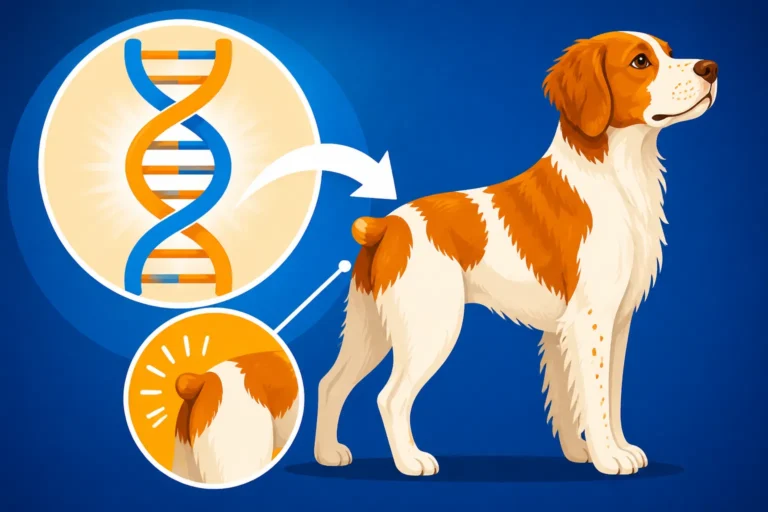
A Brittany puppy’s short tail may be natural, docked, or shortened later for a medical reason—and the rules can differ depending on where the dog lives. There is no single law that applies everywhere. This guide explains how to check local docking restrictions, what to ask a breeder or veterinarian, and why a breed standard does not settle the legal question.
How Brittany tail docking laws vary by location
Tail docking is the removal of part or all of a dog’s tail. Whether it is legal depends on the laws and veterinary rules in the place where the procedure would happen. A rule in one country, state, province, or municipality may not apply just across its border.
It also matters what kind of procedure is being discussed. Some laws distinguish between docking for appearance and an amputation performed to treat an injury or disease. The reason for the procedure, the dog’s age, and who performs it may all be relevant. Don’t rely on a general claim such as “docking is legal for working dogs” without checking the exact rule where you live.
There is no single rule for every Brittany owner
In the United States, tail-docking rules are not simply one national yes-or-no answer for every owner. State or local requirements and veterinary practice rules may affect who can perform the procedure and under what circumstances. Other countries may restrict or prohibit cosmetic docking, sometimes with specific exceptions. The details can differ even between nearby jurisdictions.
That means two Brittany puppies from the same litter could be treated differently under the rules if they are born or sold in different places. A breeder may also be subject to the rules where the puppies are located, even if a buyer plans to take one elsewhere. If you are arranging a purchase across state or national borders, check both the place where the procedure would occur and the rules that apply where the puppy will be kept.
A practical first step is to ask your local veterinarian: “What rules apply here to cosmetic tail docking, and who is legally allowed to perform it?” Then confirm the answer with the relevant government or veterinary regulator. A vet’s experience is valuable, but a casual verbal answer should not be your only check if you need certainty about a legal requirement.
Check the procedure, purpose, and person performing it
When you look up the rules, avoid searching only for “Are Brittanys allowed to have docked tails?” The law may not name Brittanys at all. Instead, check terms such as cosmetic docking, tail amputation, veterinary procedure, permitted exceptions, and age limits. A medical amputation may be treated differently from shortening a healthy puppy’s tail for appearance or tradition.
Ask whether the law sets conditions for the procedure. It may specify that a veterinarian must perform it, limit who can do it, require a particular medical or working justification, or prohibit it except in defined circumstances. Do not assume that a breeder’s past practice means the same procedure is lawful today or in your location.
If the answer is unclear, contact the relevant veterinary licensing authority or government department responsible for animal welfare. Keep a note of the office you contacted, the date, and the guidance you received. This is especially helpful when a breeder, transporter, or show organizer gives you a different answer. It can also help you frame a more specific question for a professional rather than relying on an online discussion that may refer to another jurisdiction.
How to confirm the rules where you live
A quick web search can turn up outdated summaries, forum posts, or advice written for another country. For a decision with legal and animal-welfare implications, use those results only as a starting point. Check the official rules for the location where the procedure would take place and ask a local veterinary professional about how they apply in practice.
Use official local guidance rather than general claims
Start with your state or national government’s animal-welfare information and the veterinary regulator responsible for licensing practitioners. If local ordinances may apply, check the relevant city or county rules too. A breeder club’s guidance can help explain common practice, but it is not a substitute for a legal rule.
When you contact an office or clinic, give the details that could affect the answer: where the puppy is now, where the procedure would happen, whether the tail is healthy, and whether the request is for appearance or medical treatment. If the dog is being transported or sold across a border, explain that as well. You are trying to establish which jurisdiction’s rules apply—not just whether docking is common among some breeders.
Here is a simple comparison of what to verify:
| Question to check | Why it matters | Who can help clarify |
|---|---|---|
| Is cosmetic docking permitted here? | A healthy puppy’s tail may be treated differently from a medical amputation. | Government animal-welfare office or local veterinary regulator |
| Who is allowed to perform the procedure? | The rules may restrict the procedure to licensed veterinary professionals or set other conditions. | Veterinary regulator and veterinarian |
| Are there exceptions or conditions? | A rule may distinguish medical need, working purpose, age, or documentation. | Relevant government office or veterinary regulator |
| Where is the puppy when the procedure would happen? | The law where the procedure occurs may matter, even if the puppy will live elsewhere. | Breeder, veterinarian, and local authorities |
| Are there separate show or registration requirements? | Competition rules and legal rules are different questions. | Event organizer and registry, alongside local authorities |
If two official sources appear to conflict, ask the relevant authority which rule controls and whether a more specific regulation applies. Keep the question narrow and factual. “Is docking legal?” may be too broad; “May a veterinarian perform cosmetic docking on a healthy Brittany puppy in this jurisdiction?” is more useful.
Ask the breeder for clear records and a direct explanation
If you are buying a puppy, ask whether the tail is naturally short, was docked, or has another history. A responsible breeder should be able to explain what happened and provide any available veterinary records. If the puppy has already been docked, ask where and by whom the procedure was performed, and what documentation is available. A buyer should not have to guess whether a short tail is inherited or the result of a procedure.
You can also ask which local rule the breeder relied on. A confident answer such as “everyone does it” does not tell you whether the practice is lawful. If the breeder says a working-dog exception applies, ask what the exception requires and whether there is supporting documentation. Confirm the details yourself with the relevant authority or veterinarian.
For a fuller list of questions to bring to a breeder conversation, see Which Questions to Ask a Brittany Breeder and What a Brittany Breeder Contract Requires. If the puppy’s tail looks naturally short, the related guide Some Brittanys Are Born Without a Tail explains why a Brittany may be tailless without having been docked. These are different situations, so a clear history matters.
Natural bobtail, docking, and medical amputation
A short tail does not by itself tell you what happened. Some Brittanys are born with a naturally short tail, while others may have had a portion of the tail docked. A veterinarian may also need to remove part or all of a tail later because of an injury or medical condition. These possibilities have different histories and may raise different legal or health questions.
Do not assume a short tail was docked
A puppy with a short tail may have a natural bobtail, meaning it was born with a naturally shortened tail. Another puppy may have had its tail shortened by a person. Appearance alone may not be enough to tell the difference, especially when the tail is very short or the puppy’s records are incomplete.
Ask the breeder directly and request records if a procedure took place. If you already own the dog and do not know its history, your veterinarian can examine the tail and discuss what may be possible to determine. A vet may not be able to establish the full history from appearance alone, so avoid treating a guess as proof.
The breed’s appearance or tradition does not settle whether a procedure is legal. The same applies to registration or show participation: a dog’s eligibility under a registry’s rules is separate from whether a procedure was permitted under local law. For more background, see Whether a Brittany's Tail Is Docked, Why Some Brittanys Are Born Tailless, and Whether an Undocked Brittany Can Be Shown.
Medical treatment is a separate question from cosmetic docking
A tail amputation may sometimes be recommended because of serious injury, repeated trauma, or disease. That is a veterinary decision made for an individual dog, not a cosmetic choice made simply to produce a preferred look. If your Brittany has a painful, bleeding, or badly injured tail, contact a veterinarian promptly rather than trying to manage the injury or make a decision about amputation yourself.
Ask the veterinarian to explain the diagnosis, possible treatment options, expected recovery needs, and any records you should keep. If the procedure is recommended, ask how the medical reason will be documented. Documentation can help distinguish treatment for a genuine health problem from elective docking if questions arise later.
After a procedure, follow the veterinarian’s instructions for wound care, activity, and follow-up. Ask the clinic which supplies are appropriate rather than buying products based on assumptions. If your vet recommends suitable bedding or a recovery collar, retailers such as Chewy may be one place to look for those items; confirm the product fits your dog and the clinic’s guidance. A dog that keeps rubbing, chewing, or worrying an incision needs veterinary advice, not just a different product.
Making a careful decision before bringing a Brittany home
The least stressful time to sort out tail questions is before a puppy is chosen or a procedure is arranged. That gives you room to confirm the law, understand the dog’s history, and make a decision without feeling pressed by a pickup date or a breeder’s customary practice.
A practical checklist for prospective owners
Use this sequence when you are considering a Brittany puppy:
- Ask what the tail history is. Find out whether the puppy was born with a naturally short tail, was docked, or has had a medical procedure.
- Ask where any procedure took place. The rules where the procedure happened may be important, particularly if the puppy is coming from another state or country.
- Request available records. Ask for veterinary documentation and a clear explanation from the breeder.
- Check the official local rule. Contact the relevant government office or veterinary regulator for the jurisdiction involved.
- Ask a local veterinarian about application. Explain the puppy’s age, location, and the stated reason for docking or amputation.
- Keep legal and show questions separate. Confirm competition requirements with the event organizer, but do not treat show eligibility as proof that a procedure was lawful.
- Pause if the answers do not line up. If the breeder’s explanation, records, and local guidance conflict, get clarification before moving forward.
This is also a good moment to look at broader health documentation. A tail procedure is only one part of understanding a puppy’s background. The guides Whether a Brittany Puppy Comes With Its Certificates and What a Brittany Breeder Should Have Tested can help you discuss records and screening more broadly.
What to do if you already own a Brittany
If your Brittany already has a docked tail, you do not need to assume that you have done something wrong. Start by gathering what you know: the breeder’s name, purchase documents, veterinary records, and any explanation of when and where the tail was shortened. If you are concerned about a possible legal violation, ask the relevant local authority what information it needs and what steps, if any, are appropriate.
If the tail was shortened before you acquired the dog, the breeder or rescue may be able to provide history. Keep the conversation calm and specific. Ask for records rather than relying on an argument over what is “normal” for the breed. If you suspect the dog’s tail was injured or is painful now, contact your veterinarian first; present-day health should not wait while you investigate its past.
For a dog recovering from a veterinary procedure, follow the clinic’s aftercare plan and check in if you notice worsening redness, swelling, discharge, persistent licking, or signs of pain. If your veterinarian suggests supplies such as washable bedding or a recovery collar, Chewy may be a convenient place to compare options, but use the clinic’s fit and care instructions. Chewy can also be a source for replacement bedding if an item becomes soiled during recovery; ask the clinic before applying any topical product or changing a dressing. The goal is comfortable, clean aftercare—not substituting shopping for veterinary follow-up.
Disclaimer
This article is for general informational purposes only and does not constitute professional advice. Laws, prices and regulations vary by location and change over time. Consult a qualified professional for guidance on your specific situation.