What C3 Deficiency Does to a Brittany
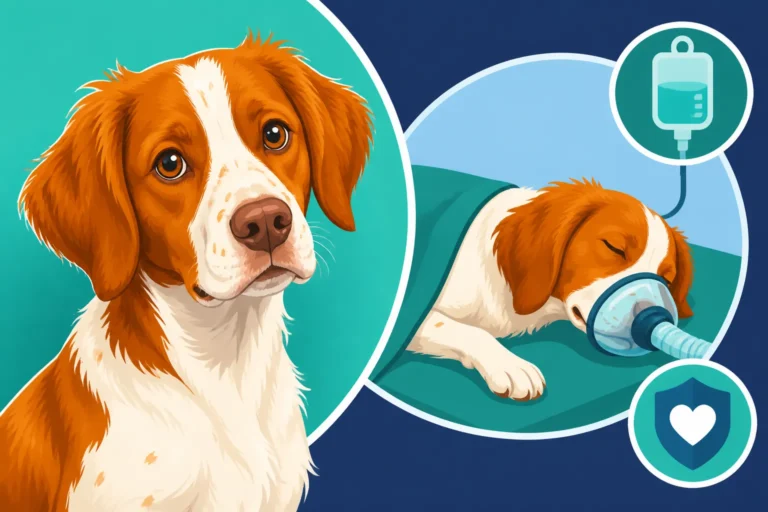
It's truly heartbreaking when you discover your beloved Brittany, the picture of exuberance and joy, might be battling a hidden health challenge. One such condition, particularly tricky because it often flies under the radar until problems arise, is C3 Deficiency. This guide aims to pull back the curtain on what C3 Deficiency does to a Brittany, offering a deep dive into this complex immune disorder so you can be fully informed and proactive in your dog's care.
Understanding C3 Deficiency: A Unique Brittany Challenge
Imagine having an army designed to defend your country, but a crucial division is missing, leaving your borders vulnerable. That's a bit like what happens with C3 Deficiency in Brittanys. It’s a specific, inherited immune system disorder that leaves them uniquely susceptible to infections. When we talk about C3 Deficiency Is the Brittany's Own Genetic Disease, it really hits home how important it is for every Brittany owner, and especially breeders, to understand this condition.
What Exactly is Complement Component 3?
Let's break down the science a little, without making it sound like a biology lecture. Your dog's immune system is incredibly complex, with many different parts working together to fight off bacteria, viruses, and other invaders. One vital part of this defense system is called the "complement system." Think of it as a finely tuned cascade of proteins floating in the blood, ready to spring into action. Complement component 3, or C3, is like the central switchboard for this entire system. It plays a pivotal role in several immune responses: it helps "tag" invading microbes for destruction (opsonization), directly kills certain bacteria, and attracts other immune cells to the site of infection. Without enough functional C3, this crucial line of defense simply doesn't work effectively.
When a Brittany is C3 deficient, their body either produces very little or no functional C3 protein. This isn't just a minor glitch; it’s a significant gap in their protective armor. It means that when bacteria or viruses enter their system, the complement system can't properly activate, making it incredibly difficult for the dog's body to mount an effective defense. This leaves them vulnerable to common pathogens that a healthy dog would easily shrug off, often leading to severe, recurring, and sometimes life-threatening infections.
Why C3 Deficiency is a Genetic Concern for Brittanys
The reason C3 Deficiency is so prevalent and specific to Brittanys is because it's an inherited genetic condition. This isn't something a dog "catches" from another dog or from its environment; it's passed down through generations. Specifically, it's an autosomal recessive trait. This means that for a Brittany to actually suffer from C3 Deficiency, they must inherit two copies of the faulty gene – one from their mother and one from their father. If a dog only inherits one copy of the faulty gene, they are considered a "carrier." Carriers don't typically show any symptoms of C3 Deficiency themselves because they still have one working copy of the gene, which is usually enough to produce sufficient C3 protein. However, carriers can still pass the faulty gene on to their offspring.
Understanding How C3 Deficiency Is Inherited in Brittanys is fundamental for responsible breeding. If two carriers are bred together, there's a 25% chance with each puppy that it will inherit two copies of the faulty gene and be affected, a 50% chance it will be a carrier, and a 25% chance it will be completely clear. This genetic pattern highlights why widespread testing and careful breeding practices are so vital to reduce the incidence of this devastating disease within the Brittany population. Without careful management, the faulty gene can silently spread, leading to more affected puppies down the line.
Recognizing the Early Warning Signs and Symptoms
One of the most frustrating aspects of C3 Deficiency is that the symptoms can often mimic those of more common infections, making early diagnosis a real challenge. You might find yourself at the vet's office repeatedly, trying to figure out why your puppy just can't shake that infection, or why a seemingly minor ailment blows up into something serious. Being acutely aware of Signs a Brittany Puppy Has an Immune Problem can make all the difference.
Common Infections in C3 Deficient Puppies
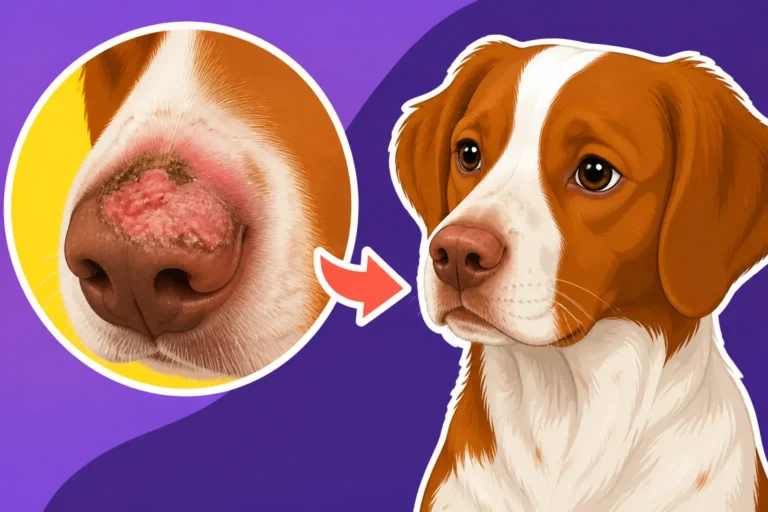
The hallmark of C3 Deficiency is a susceptibility to recurrent bacterial infections, particularly those caused by common bacteria like Staphylococcus and Streptococcus. For a C3 deficient puppy, these aren't just minor inconveniences; they can rapidly become severe. You might notice your puppy experiencing frequent skin infections, often presenting as pustules, abscesses, or deep pyoderma that just won't heal despite aggressive antibiotic treatment. Think about those persistent "hot spots" that seem to come and go, or skin lesions that just don't clear up.
Beyond skin issues, these puppies are also prone to respiratory tract infections, leading to chronic coughs, pneumonia, or persistent nasal discharge. Urinary tract infections can also be a recurring nightmare, causing frequent urination, straining, or bloody urine. Another serious concern is systemic infections, like sepsis, where bacteria overwhelm the bloodstream, leading to fever, lethargy, loss of appetite, and even organ failure. These puppies often just seem "off," with a general failure to thrive, a dull coat, and a lack of the usual Brittany vigor. They might struggle to gain weight, appear smaller than their littermates, and be generally less robust. It's truly alarming when you realize Why a C3 Deficient Brittany Cannot Fight Infection effectively, as even common pathogens become a serious threat.
The Progression of Symptoms and Kidney Involvement
While early life is often marked by recurrent bacterial infections, the long-term impact of C3 Deficiency can be even more devastating, particularly on the kidneys. For some C3 deficient Brittanys, especially those that survive past puppyhood, chronic inflammation and the deposition of immune complexes can lead to progressive kidney disease. This is a very serious complication, and owners need to be aware of Whether Kidney Disease Follows C3 Deficiency in a Brittany. The kidneys, vital for filtering waste products from the blood, can become damaged over time, leading to signs like increased thirst, increased urination, lethargy, poor appetite, and weight loss.
The severity and exact presentation of C3 Deficiency can vary, but generally, the prognosis isn't good for severely affected puppies. Many unfortunately don't make it to adulthood due to the constant battle against overwhelming infections or the eventual onset of kidney failure. This makes the question of Whether a C3 Deficient Brittany Reaches Adulthood a very real and heartbreaking concern for owners. If a dog does reach adulthood, they often require lifelong, intensive veterinary care, including frequent courses of antibiotics, careful monitoring of organ function, and supportive therapies to manage their chronic health issues. It’s a difficult journey for both the dog and their human family.
Diagnosis and Genetic Testing for C3 Deficiency
Identifying C3 Deficiency can be tricky, as its symptoms often overlap with other conditions. However, a definitive diagnosis is crucial, not just for the affected dog's treatment but also for informing breeding decisions. Modern veterinary medicine offers clear pathways for confirming this genetic disorder.
The Process of Diagnosing C3 Deficiency
When a vet suspects an immune deficiency in a Brittany, especially one presenting with recurrent or severe infections, they will likely start with a thorough physical examination and a detailed history of the dog's health. Standard blood tests, such as a complete blood count (CBC) and biochemistry panel, can reveal signs of infection or organ dysfunction, but they won't specifically diagnose C3 Deficiency. The key diagnostic step involves specialized immune system testing. This often includes a direct measurement of C3 protein levels in the blood. In C3 deficient dogs, these levels will be significantly reduced or undetectable.
Further confirmation can come from genetic testing, which specifically looks for the mutation responsible for C3 Deficiency in Brittanys. This is often the most definitive way to diagnose the condition, especially for puppies, and is absolutely vital for identifying carriers who show no symptoms themselves. When you're trying to figure out what's really going on, understanding What the Brittany C3 DNA Test Costs can help you prepare. Your vet may also run cultures on recurring infections to identify the specific bacteria and determine which antibiotics will be most effective, though this treats the symptom, not the underlying immune problem. These diagnostic steps, while sometimes lengthy, are essential for getting a clear picture of your Brittany's immune health.
The Importance of DNA Testing for Breeders and Owners
Genetic DNA testing has revolutionized the ability to manage and eventually eradicate C3 Deficiency from the Brittany breed. For breeders, this testing is an indispensable tool for making informed breeding decisions. A simple cheek swab or blood sample can determine if a dog is clear, a carrier, or affected by C3 Deficiency. Knowing this information prevents the accidental breeding of two carriers, which, as we discussed, carries a high risk of producing affected puppies. This highlights Whether a Brittany Breeder Screens for C3 as a critical question for potential puppy buyers. Responsible breeders understand the importance of this screening and will readily provide proof of their dogs' C3 status.
For individual owners, even if you’ve already brought your Brittany home, DNA testing can provide peace of mind or, if positive, inform your veterinarian about the specific challenges your dog faces. If you know your Brittany is a carrier, you can still enjoy a full, healthy life with them, as carriers typically don't express the disease. However, if they are affected, this early knowledge allows for more proactive and targeted veterinary care, potentially improving their quality of life. The availability of Whether a DNA Test for Brittany C3 Deficiency Exists is a true blessing for the breed, offering a path forward for healthier generations.
Managing Life with a C3 Deficient Brittany
Living with a C3 deficient Brittany requires a dedicated and proactive approach to their health. It's not about treating individual infections as they arise, but rather implementing a comprehensive strategy to bolster their compromised immune system and prevent future issues.
Tailored Veterinary Care and Proactive Prevention Strategies
For a Brittany diagnosed with C3 Deficiency, regular and consistent veterinary care becomes even more critical. Your veterinarian will work closely with you to develop a personalized health plan. This plan often includes strict infection control measures, which can feel a bit overwhelming at first but are essential. For instance, maintaining impeccable hygiene at home, regularly cleaning bedding, and ensuring their environment is free from common pathogens can help reduce their exposure. It might also mean limiting exposure to dog parks or boarding kennels where they might encounter a higher load of bacteria or viruses.
Diet plays a role too, as a high-quality, balanced diet supports overall health and immune function, even if it can't fix the C3 deficiency itself. Your vet might also recommend specific supplements that support immune health, such as omega-3 fatty acids, though these are supportive, not curative. Vigilance is key: consistently checking your dog for any new lumps, bumps, skin changes, or subtle shifts in behavior can help catch potential infections early before they become severe. Early intervention with antibiotics is usually necessary at the first sign of trouble, as their bodies cannot fight off infections on their own effectively. This proactive approach significantly improves the chances of managing their chronic susceptibility to Which Infections a C3 Deficient Brittany Gets.
Addressing the Challenges of Vaccination and Immunity
Vaccination protocols for C3 deficient Brittanys are a complex and often debated topic. On one hand, these dogs are highly susceptible to infectious diseases, making vaccination seem imperative for protection. On the other hand, the very mechanism of C3 Deficiency raises questions about the efficacy of vaccines. The complement system, including C3, plays a crucial role in the body's ability to mount an effective immune response to vaccines. Without proper C3 function, a C3 deficient Brittany may not be able to develop sufficient protective antibodies after vaccination, leaving them still vulnerable despite having received the shots. This is why it's so important to discuss Whether a C3 Deficient Brittany Responds to Vaccines thoroughly with your vet.
In many cases, vets may recommend a modified vaccination schedule, potentially focusing on core vaccines and avoiding non-core ones, or even performing antibody titers after vaccination to see if any protective immunity has developed. However, even if titers are low, the risk of disease in an unvaccinated C3 deficient dog is extremely high. This difficult balance means close consultation with your veterinarian is paramount. Some owners, in consultation with their vets, might opt for higher doses or more frequent boosters, carefully monitoring for any adverse reactions. The goal is always to provide the best possible protection while acknowledging the inherent limitations of their immune system.
Breeding Responsibly: Preventing C3 Deficiency
The power to prevent C3 Deficiency ultimately lies with responsible breeders and informed decisions. Given that this is a genetic disease, controlling its spread through ethical breeding practices is the most effective long-term solution for the Brittany breed.
Genetic Counseling and Carrier Status
For any Brittany breeder, or even someone considering breeding their Brittany, understanding genetic counseling and the concept of carrier status is non-negotiable. As previously mentioned, a carrier is a dog that carries one copy of the gene for C3 Deficiency but does not show symptoms itself. When two carriers are bred, there is a 25% chance that each puppy in the litter will be affected, meaning they will suffer from the disease. There's also a 50% chance each puppy will be a carrier, continuing the cycle, and only a 25% chance it will be genetically clear. This is precisely why the question of Whether Two Brittany C3 Carriers Should Be Bred is a resounding no in responsible breeding circles.
Genetic testing of all potential breeding stock is the cornerstone of preventing C3 Deficiency. Reputable breeders will test their dogs for C3 Deficiency before breeding and will only breed dogs that are either clear or, at most, a clear dog with a carrier. Even then, when a carrier is bred to a clear dog, while no affected puppies will be produced, 50% of the puppies will still be carriers. These carrier puppies would then need to be tested themselves before being bred. This meticulous approach, guided by genetic counseling, is the only way to systematically reduce the incidence of the disease within the breed, gradually phasing out the faulty gene over generations.
Ethical Breeding Practices for the Brittany Community
Ethical breeding practices extend beyond just genetic testing. It's about transparency, education, and a commitment to the long-term health of the breed. Reputable Brittany breeders not only perform C3 DNA tests but also share the results openly with prospective puppy buyers. They understand that their responsibility goes beyond simply selling a puppy; it involves educating new owners about potential health concerns relevant to the breed and providing a health guarantee that reflects their commitment. They are the frontline defense against the perpetuation of genetic diseases.
Furthermore, ethical breeders often engage with breed clubs and health registries, contributing to wider efforts to monitor genetic health. They should be willing to discuss their breeding philosophy, the health clearances of their breeding dogs, and the steps they take to ensure healthy puppies. As a prospective owner, asking Which Questions to Ask a Brittany Breeder should always include inquiries about C3 Deficiency testing and results for both parents. Supporting breeders who prioritize genetic health helps reinforce these essential practices across the entire Brittany community, fostering a healthier future for these wonderful dogs.
Living with the Prognosis and Quality of Life
Facing a diagnosis of C3 Deficiency in your Brittany is incredibly challenging, bringing with it a whirlwind of emotions and practical concerns. While the prognosis can be grim for severely affected dogs, understanding the long-term outlook and knowing where to find support can help navigate this difficult journey.
Long-Term Outlook for C3 Deficient Brittanys
The long-term outlook for a Brittany truly affected by C3 Deficiency is unfortunately guarded to poor. Many puppies succumb to overwhelming infections in their early months, and those that survive often face a lifetime of chronic health issues. The repeated infections take a toll on their small bodies, and the risk of complications like kidney disease is ever-present. This makes The Age C3 Deficiency Shows in a Brittany a critical factor, as early onset often correlates with a more severe, acute course.
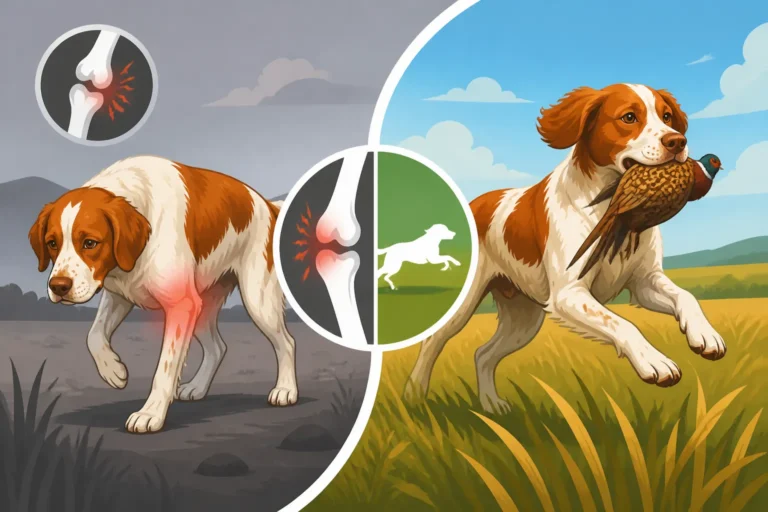
However, the degree of C3 deficiency can vary, and some dogs might have a milder form, producing some, albeit insufficient, C3. These individuals might live longer, but they will still require diligent care, constant monitoring, and swift veterinary intervention at the first sign of illness. It’s a reality that owners must prepare for, understanding that their C3 deficient Brittany will likely require more frequent vet visits, continuous medication, and a highly protective environment. This journey often involves managing expectations while still providing the best possible quality of life for their beloved companion. It’s a testament to the dedication of Brittany owners that they face these challenges head-on.
Support and Resources for Owners
Navigating the complexities of C3 Deficiency can feel incredibly isolating, but you don't have to go through it alone. There are resources available that can offer both emotional and practical support. Connecting with other Brittany owners who have experience with C3 Deficiency can be invaluable. Online forums, breed-specific Facebook groups, or local Brittany clubs often have members who can share their experiences, offer advice, and provide a much-needed sense of community. Organizations like the American Brittany Club or the Orthopedic Foundation for Animals (OFA) often have health committees or resources that can point you towards genetic testing information, reputable breeders, and veterinary specialists.
Pet insurance, like policies offered by Healthy Paws, can also be a crucial resource, helping to offset the significant veterinary costs associated with managing a chronic condition like C3 Deficiency. While it's important to understand policy limitations and pre-existing conditions, having support for ongoing treatments, medications, and emergency care can alleviate a tremendous financial burden. Remember to check what your specific policy covers. Don't hesitate to lean on your veterinary team, too; they are your primary partners in your dog's care and can provide guidance on treatment options, prognosis, and managing daily life. Above all, give your Brittany all the love and comfort you can, knowing you're doing everything possible to make their life as happy and healthy as it can be.
Disclaimer
The information provided in this article is for educational purposes only and should not be considered a substitute for professional veterinary advice. Always consult with a qualified veterinarian for any health concerns or before making any decisions about your pet's medical care.