When the French Brittany Club Was Founded
It's easy to look at a recognized dog breed today and assume its history has always been clearly defined, but for many breeds, including our beloved Brittany, that couldn't be further from the truth. For a long time, these magnificent pointing dogs were known regionally, without a unified vision for their future. This guide will take you on a journey back to the roots of the breed's official recognition, specifically addressing the pivotal moment when the French Brittany Club was founded, and why that event was so crucial for the breed we know and love today.
The Birth of a Breed Standard: When the French Brittany Club Took Root
If you're delving into the history of our energetic, dedicated Brittanys, you'll inevitably encounter the "Epagneul Breton" – the French name for the breed. This isn't just a fancy translation; it speaks to the very heart of the breed's origins and the dedicated people who fought to preserve and promote it in its native land. Understanding when and why the French Brittany Club was formed gives us a window into the passion and foresight that went into shaping this incredible companion and hunting dog.
The Official Founding Date and Early Days
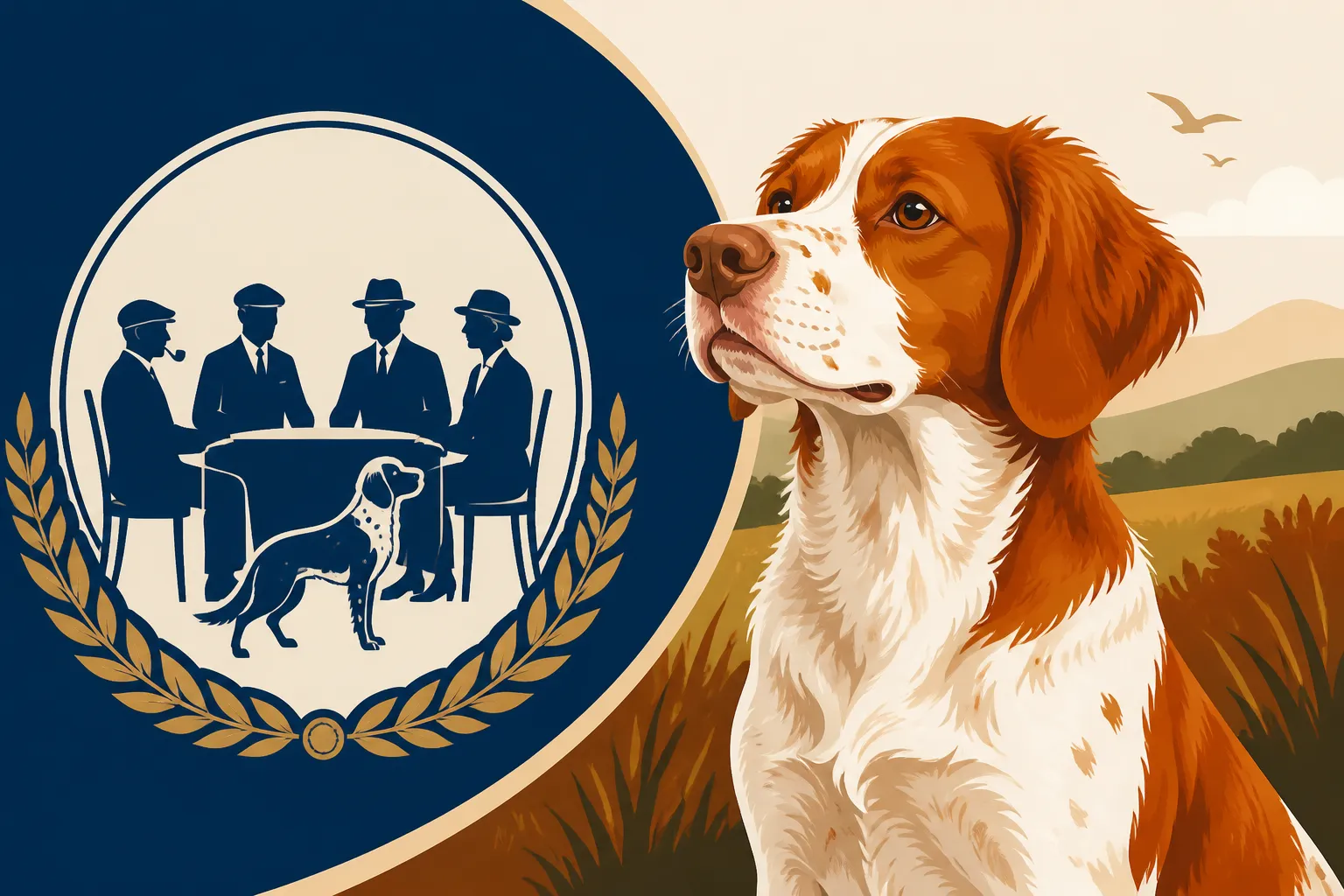
The official date that marks the birth of the French Brittany Club, known in France as the "Club de l'Epagneul Breton," is 1907. Imagine, over a century ago, a group of dedicated enthusiasts, hunters, and breeders came together in a time when formal breed clubs were still relatively new concepts. Their meeting wasn't just a casual gathering; it was a foundational moment for what would become one of the most successful and beloved pointing breeds worldwide. They weren't just forming a club; they were essentially laying the groundwork for the breed's future, ensuring its unique traits would be recognized, preserved, and consistently passed down. This act of formalizing their efforts allowed for the structured development of the breed, moving it beyond a collection of similar-looking regional dogs to a true, recognized breed with a set standard.
The creation of the Club was a direct response to a growing interest in the dogs of the Brittany region, coupled with a recognition that without a unified vision, the breed's characteristics could easily become diluted or lost. Early members shared a deep appreciation for the Brittany's innate hunting prowess and its amiable temperament. They envisioned a future where the breed would not only thrive in the fields but also gain recognition on a national and international stage. This early commitment to both form and function set a precedent that continues to guide the club's efforts to this day. It’s truly a testament to those pioneers that we still see the fruits of their labor in every well-bred Brittany today.
Why a Dedicated Club Became Essential for the Brittany
Prior to the formal establishment of the French Brittany Club, the "Brittany dog" was a somewhat fluid concept. There were many local variations of pointing spaniels (though the "spaniel" designation would later be debated, as explored in What Epagneul Breton Means), all working dogs, but without a coherent standard. They were simply the local dogs that excelled at finding and pointing game, primarily woodcock, partridge, and pheasant, in the challenging terrain of Brittany. However, as interest in these dogs grew beyond their immediate region, and as other formal breeds began to emerge with written standards, the need for a dedicated organization became apparent.
Without a club, there was no centralized registry, no agreed-upon physical or temperamental standard, and no organized way to track breeding lines or health. This meant that while excellent individual dogs existed, the consistency of the breed could not be guaranteed. A dedicated club provided the framework for breeders to collaborate, to establish criteria for what constituted a true Brittany, and to work towards improving the breed while maintaining its core characteristics. This was about more than just aesthetics; it was about safeguarding the genetic health, the working drive, and the very essence of the dog that hunters had come to rely on. It’s hard to imagine how the breed could have flourished globally without this pivotal decision to organize and define its identity.
From Regional Dog to Recognized Breed: The Pre-Club Era
To truly appreciate the significance of the French Brittany Club's founding in 1907, it helps to cast our minds back to the decades leading up to it. The Brittany wasn't just conjured into existence; it evolved organically over centuries, shaped by the needs of local hunters and the rugged landscape of its homeland. This period of natural selection and informal breeding created a dog perfectly suited to its environment, yet also one that desperately needed formal recognition to prevent its unique qualities from being diluted.
Early Delineation of the Brittany Type
The ancestors of what we now call the Brittany Spaniel have existed in the Brittany region of France for centuries, possibly as far back as the 17th century. These were humble, hardy working dogs, often depicted in local tapestries and artwork, as mentioned in Where the Brittany Comes From. They weren't bred for show rings or specific pedigrees as we understand them today, but purely for their effectiveness in the field. Their owners, often peasants and poachers, valued dogs that were agile, intelligent, biddable, and possessed an extraordinary nose for game. These early dogs naturally developed certain traits: a compact size, a keen hunting instinct, and an intense point.
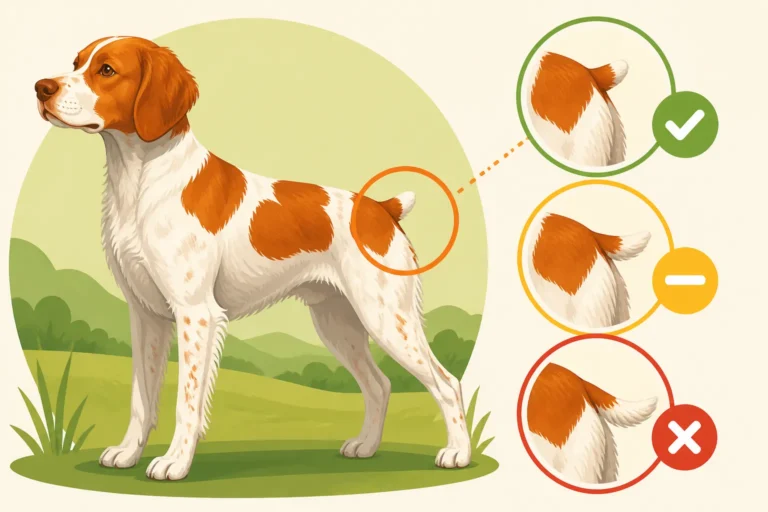
By the mid-19th century, with the advent of firearms and more formalized hunting, there was a greater appreciation for pointing dogs. English sportsmen, often hunting in France, brought their own setters and pointers, which sometimes crossbred with the local French dogs. This exchange of genetics, while sometimes controversial, inadvertently helped refine some of the Brittany's traits, potentially contributing to its strong pointing instinct. Despite these influences, a distinct "Brittany type" began to solidify: a medium-sized dog with a shorter tail (often naturally bobbed), a liver or orange and white coat (see Which Colors a Brittany Comes In), and an unparalleled desire to hunt. These characteristics were born of function, not fashion, making them deeply ingrained in the breed's psyche.
The Need for Preservation Amidst Popularity
As the 19th century drew to a close, the appealing qualities of these Brittany dogs became increasingly evident beyond their local region. Hunters and dog fanciers in other parts of France and even abroad started to take notice of their exceptional abilities. However, this rising popularity also presented a challenge. Without a governing body or a clear breed standard, there was a risk of indiscriminate breeding. People might start breeding for less desirable traits, or crossbreeding with other breeds in a way that would fundamentally alter the Brittany's unique characteristics. This was a critical juncture for many emerging breeds of the era.
The threat wasn't just dilution of physical traits; it was also the potential loss of the breed's inherent hunting intelligence and biddability – traits that made it so valuable. Imagine a world where every breeder had their own idea of what a Brittany should be, leading to a fragmented and inconsistent population. This exact scenario spurred passionate individuals to action. They understood that to truly honor and safeguard this wonderful working dog, they needed to formalize its existence. This urgent need for preservation, combined with a desire to promote the breed's strengths, directly led to the formation of the Club de l'Epagneul Breton. Their proactive approach ensured that the breed's integrity was maintained, setting the stage for its future success both in the field and as a cherished family member.
Shaping the Future: The Club's Founding Mission and Initial Impact
The establishment of the French Brittany Club in 1907 was a declaration of intent: to protect, promote, and perfect the Epagneul Breton. The early members understood that this meant more than just tracking pedigrees; it required a clear definition of the breed and a commitment to its primary purpose as a hunting dog. Their mission was ambitious, but their dedication laid the groundwork for the breed's enduring success.
Defining the "Epagneul Breton" Standard
One of the most immediate and crucial tasks for the newly formed French Brittany Club was to create a definitive breed standard. This standard, first written in France, as discussed in When the Brittany Standard Was Written in France, meticulously described the ideal physical characteristics and temperament of the Epagneul Breton. It covered everything from height and weight to coat color, ear set, and tail length (or lack thereof). This wasn't just an exercise in taxonomy; it was a blueprint for breeders. By providing clear guidelines, the club aimed to unify the breed's appearance and ensure that future generations would consistently embody the desired traits.
The standard also emphasized the Brittany's balanced conformation, stressing that every physical attribute should contribute to its function as a versatile hunting dog. For instance, the moderate feathering was considered just enough to protect against briars without becoming a hindrance in thick cover. The compact, powerful build was ideal for traversing varied terrain with endurance. This careful attention to detail in the initial standard proved invaluable, providing a stable foundation from which the breed could grow and flourish. Even today, responsible breeders refer back to these foundational principles, understanding that the breed's strength lies in adhering to its core characteristics, whether they are selling a puppy with all its initial supplies from a retailer like Chewy or simply evaluating their breeding stock.
Promoting the Working Abilities of the Brittany
Beyond physical appearance, the French Brittany Club was profoundly committed to preserving and promoting the breed's inherent working abilities. The Epagneul Breton was, first and foremost, a gun dog, prized for its keen nose, intense point, and tireless energy in the field. The club understood that a beautiful dog that couldn't hunt was not a true Brittany. Therefore, they established field trials and hunting tests designed to evaluate and reward dogs that demonstrated superior hunting instincts and training. These events weren't just competitions; they were crucial tools for identifying top breeding stock and encouraging breeders to prioritize working ability.
By holding these events, the club created a clear incentive for breeders to focus on dogs that excelled in natural hunting aptitude, biddability, and courage. This emphasis on performance ensured that the Brittany remained a highly functional breed, deeply connected to its origins as a hunter's companion. It’s this steadfast commitment to the breed's working heart that allowed the Brittany to become renowned globally, even influencing the development of the American Brittany, as detailed in American Brittany and Epagneul Breton Went Separate Ways. The club's foresight ensured that even as the breed gained popularity, its soul as a dedicated gundog was never compromised.
The Enduring Legacy: How the French Brittany Club Influences Today's Breed
Over a century has passed since a group of dedicated individuals came together to form the Club de l'Epagneul Breton. Their initial vision and tireless efforts have had a profound and lasting impact, not only on the breed in France but on Brittanys across the globe. The club's legacy is evident in the breed's continued vitality, its consistent characteristics, and its strong international presence.
Maintaining Breed Integrity and Health
One of the French Brittany Club's most vital ongoing roles is to maintain the breed's integrity. This means carefully overseeing the breed standard, ensuring that registered Brittanys continue to conform to the ideal type, both in appearance and temperament. They work to prevent trends that might compromise the breed's health or working ability, and they guide breeders in making sound decisions that will benefit future generations. This steadfast commitment to a defined standard helps prevent the breed from fracturing into multiple, inconsistent types, a challenge many popular breeds face.
Furthermore, the club has been instrumental in promoting health testing and responsible breeding practices. While specific genetic tests and health screenings have evolved over the decades, the underlying principle remains the same: to produce healthy, robust dogs. By educating breeders and owners about potential health concerns and encouraging health certifications, the club contributes significantly to the overall well-being and longevity of the Epagneul Breton. This dedication to health is a cornerstone of responsible breeding, ensuring that owning a Brittany remains a joyous experience, supported by access to quality supplies whether you find them at local pet stores or through online retailers like Chewy.
Fostering International Recognition and Cooperation
The French Brittany Club's influence extends far beyond the borders of France. They play a crucial role in the international recognition of the Epagneul Breton, working with global canine organizations like the Fédération Cynologique Internationale (FCI). Their efforts have helped establish the breed's presence in numerous countries, ensuring that French Brittanys are recognized and can compete in various events worldwide. This international cooperation has been key to the breed's global success and popularity.
Even in countries where a distinct "American Brittany" has evolved, such as in the United States, the French Brittany Club's standards and philosophies continue to resonate. Many breeders and owners of French Brittanys in America look to the original club's guidance and participate in events sanctioned by affiliated organizations, such as CEB-US (Club de l'Epagneul Breton des États-Unis), as explored in What CEB US Is to Brittany Owners. This enduring connection underscores the foundational importance of the 1907 club. Whether a hunter prefers the closer working style often associated with the French Brittany or the wider range of the American variety, the roots of both can be traced back to the dedicated individuals who came together over a century ago to ensure the future of this magnificent sporting dog. It's a testament to their vision that the Brittany remains such a beloved and capable companion to this day.
| Year | Event | Significance for Brittany |
|---|---|---|
| ~17th Century | Early Brittany type dogs | Local hunting dogs, adapted to region, valued for hunting prowess. |
| Mid-19th Century | Crossbreeding with English dogs | Refinement of pointing instincts, increased awareness beyond region. |
| 1907 | French Brittany Club Founded | Formal establishment, crucial for breed standardization and preservation. |
| 1908 | First Official Breed Standard | Written definition of the ideal Epagneul Breton, guiding breeders. |
| 1930s | Breed arrives in America | Increased international interest and eventual distinct American development. |
Disclaimer
This article is for general informational purposes only and does not constitute professional advice. Laws, prices and regulations vary by location and change over time. Consult a qualified professional for guidance on your specific situation.