What the OFA Records Show About Brittany Hips
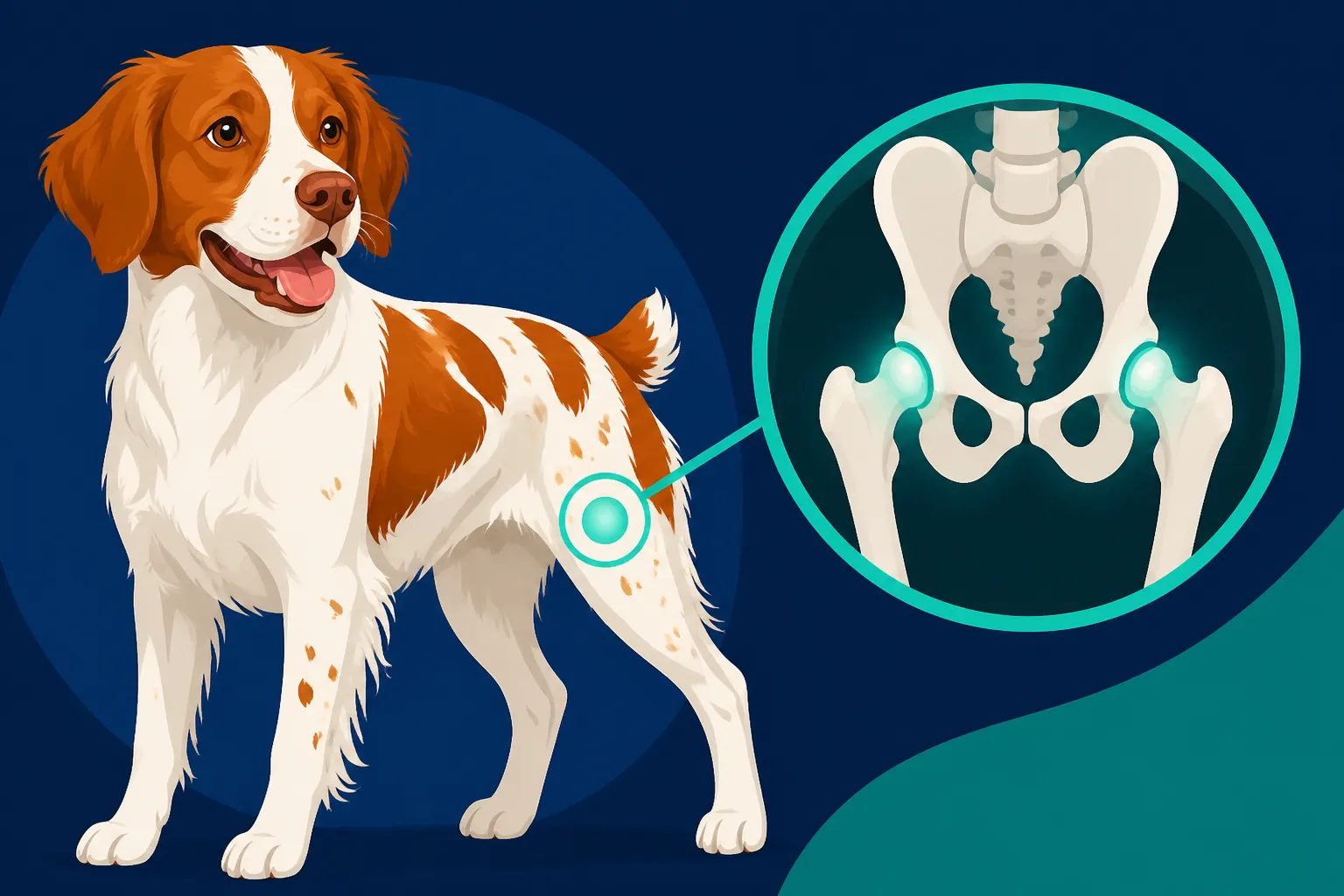
The moment you decide to bring a Brittany into your life, especially if you have visions of them bounding through fields or simply enjoying a long, active life by your side, a fundamental concern inevitably bubbles to the surface: their health. Among the many things we worry about, hip dysplasia often sits at the top, a silent threat that can derail those active dreams. This guide dives deep into what the Orthopedic Foundation for Animals (OFA) records reveal about the hip health of Brittany Spaniels, offering clarity and context to help you understand the breed's genetic landscape.
Understanding the OFA and its Role for Brittany Hip Health
When you’re looking at a breed known for its boundless energy and athleticism, like our beloved Brittanys, the integrity of their skeletal structure, particularly their hips, is paramount. The Orthopedic Foundation for Animals (OFA) steps in here as a crucial resource, working tirelessly since 1966 to reduce the incidence of hip and elbow dysplasia and other genetic diseases in dogs. For a Brittany owner, prospective or current, understanding what the OFA does and how to interpret their data is like having a secret decoder ring for your dog's future health.
The Mission of the OFA in Canine Health
The OFA is a not-for-profit organization that maintains a massive database of health screening results for various genetic diseases in purebred dogs. Their primary mission is to promote the health and welfare of companion animals through objective evaluation of canine health. They collect and disseminate information concerning orthopedic and genetic diseases, striving to create a centralized, open database that aids breeders in making informed decisions. For a breed like the Brittany, which is highly active and prone to certain orthopedic issues if not properly bred, the OFA's work is invaluable. Breeders submit radiographs of their dogs' hips (and often elbows, patellas, and more) to the OFA, where a panel of three independent, board-certified veterinary radiologists evaluates them. This impartial assessment is designed to provide an objective score, helping to identify dogs suitable for breeding and those that should be removed from the gene pool to prevent passing on debilitating conditions. Without organizations like the OFA, tracking and improving breed health would be a far more opaque and challenging endeavor, leaving owners and breeders largely in the dark.
How OFA Hip Evaluations Work for Brittanys
The process for an OFA hip evaluation is quite standardized, ensuring consistency across all breeds, including our Brittanys. At a minimum, a dog must be 24 months old to receive a final OFA hip certification, as this is when the hip joints are considered fully developed. Many wonder, "When a Brittany's Hips Should Be X Rayed?" and the two-year mark is the golden standard for official certification. Before that, preliminary evaluations can be done, but they are not considered final. Your veterinarian will take specific radiographic views of your Brittany's hips, usually under sedation to ensure proper positioning, which is absolutely critical for accurate assessment. These X-rays are then submitted to the OFA, along with the dog's registration information. The images are reviewed by three different radiologists who each assign a grade based on seven specific criteria related to hip joint laxity, bony changes, and conformation. The composite of these three expert opinions determines the final OFA hip grade, which is then entered into the public database. This rigorous, multi-expert review process is what gives the OFA data its weight and credibility within the canine health community.
Deciphering Brittany OFA Hip Scores: What the Grades Mean
So, you've heard about OFA scores, maybe even seen them listed on a potential puppy's pedigree, but what do those terms like "Excellent" or "Fair" actually mean for your Brittany? Understanding these classifications is key to appreciating the health status of an individual dog and, by extension, the overall breed. It's not just jargon; these grades represent a detailed assessment of hip joint integrity.
The Seven OFA Hip Classifications
The OFA uses a spectrum of seven classifications for hip joints, ranging from optimal health to severe dysplasia. These are: Excellent, Good, Fair, Borderline, Mild Dysplasia, Moderate Dysplasia, and Severe Dysplasia.
- Excellent: This is the best possible score, indicating nearly perfect hips. The femoral head fits very snugly into a well-formed acetabulum (hip socket), with no signs of laxity.
- Good: These hips are also well-formed and healthy, with good congruence between the femoral head and socket, and only slight imperfections compared to "Excellent."
- Fair: While still considered within the "normal" range, Fair hips show minor irregularities. There might be a slightly wider gap between the femoral head and acetabulum, or some minor bony changes. A dog with Fair hips is still considered acceptable for breeding, especially if paired with a mate with "Excellent" or "Good" hips.
- Borderline: This is the fence-sitter category. The hips are not clearly normal but also not definitively dysplastic. There are usually subtle changes that prevent a clear "Fair" rating, and the OFA often recommends re-screening at a later date. This category can be a source of frustration for breeders, as it creates ambiguity.
- Mild Dysplasia: This is the first category indicating definite hip dysplasia. There are signs of noticeable hip laxity and minor bony changes.
- Moderate Dysplasia: Here, there's significant hip laxity, with the femoral head often partially out of the socket, and clear signs of degenerative joint disease.
- Severe Dysplasia: The worst classification, indicating significant malformation of the hip joints, often with severe arthritic changes and very poor congruence.
Dogs graded "Borderline" or worse are generally recommended not to be bred. This system provides a clear framework for evaluating hip health, crucial for managing conditions like hip dysplasia in Brittanys.
Interpreting Brittany Specific OFA Statistics
Now, let's talk numbers, specifically for Brittanys. What do the OFA records actually show about the breed as a whole? Looking at aggregate data can give us a powerful overview of the breed's progress in combating hip dysplasia. For many years, Brittany breeders have diligently screened their dogs, and these efforts are reflected in the OFA database. As of recent data, Brittanys typically show a significant percentage of "Good" and "Fair" hip ratings, with "Excellent" ratings also present, demonstrating a generally healthy trend.
For example, when you explore "What Share of Brittanys Fail an OFA Hip Screen?", you might be pleasantly surprised to find that the failure rate (dogs categorized as Mild, Moderate, or Severe Dysplasia) is relatively low compared to some other large or active breeds. This is a testament to dedicated breeders who prioritize health. While exact percentages fluctuate over time as more dogs are screened, the general trend for Brittanys has been positive, showing improvement in hip health over decades. This historical improvement is often highlighted when discussing "How Brittany Hip Scores Improved Over Fifty Years." This kind of data allows prospective owners to feel more confident in the breed's overall health and empowers breeders to continue making informed choices to better the breed. It also gives insight into why a comprehensive pet insurance plan, such as one from Healthy Paws, is still beneficial even for generally healthy breeds, as no dog is entirely immune to health issues.
| OFA Hip Classification | Description | Breeding Recommendation | General Brittany Prevalence (Approx.) |
|---|---|---|---|
| Excellent | Near-perfect hip conformation, tight joint congruity. | Recommended | Moderate (e.g., 15-25%) |
| Good | Well-formed hips, good congruity, slightly less perfect than Excellent. | Recommended | High (e.g., 40-50%) |
| Fair | Minor irregularities, acceptable for breeding (often paired with higher scores). | Recommended | Moderate (e.g., 20-30%) |
| Borderline | Not clearly normal or dysplastic; re-evaluation often recommended. | Use caution/Re-screen | Low (e.g., 3-5%) |
| Mild Dysplasia | Definitive signs of hip dysplasia, minor laxity, some bony changes. | Not Recommended | Low (e.g., 2-4%) |
| Moderate Dysplasia | Significant hip laxity, partial subluxation, clear degenerative joint disease. | Not Recommended | Very Low (e.g., 1-2%) |
| Severe Dysplasia | Severe malformation, very poor congruity, extensive arthritic changes. | Not Recommended | Extremely Low (e.g., <1%) |
Note: The prevalence percentages are approximate and can vary based on specific data sets and time periods. Always consult the latest OFA statistics for the most up-to-date figures.
Historical Trends in Brittany Hip Health: A Look at the Data
The journey of improving hip health in Brittanys hasn't been a short sprint; it's been a long, dedicated marathon by generations of breeders and enthusiasts. The OFA database serves as a living record of this progress, allowing us to track how the breed's hip health has evolved over the decades. It's a fascinating look at how proactive health screening truly makes a difference.
Documented Improvements in Brittany Hip Quality Over Time
When you delve into the historical OFA records, a clear and encouraging trend emerges for the Brittany breed. Decades ago, as with many active breeds, hip dysplasia was a more prevalent concern. However, with the establishment of the OFA and the increasing commitment of Brittany breeders to health testing, the incidence of severely dysplastic hips has steadily decreased. Breeders began to consistently screen their breeding stock and make conscientious choices to only breed dogs with "Fair" or better hip scores. This long-term dedication has paid off, leading to a noticeable shift in the percentages of dogs receiving "Excellent," "Good," and "Fair" ratings. The data shows fewer dogs falling into the "Mild," "Moderate," or "Severe" categories. This improvement isn't just anecdotal; it's statistically visible in the OFA's publicly available reports, underscoring the power of responsible breeding practices and transparency. This progress is a testament to the collective effort of the Brittany community.
The Impact of Breeder Participation and Transparency
The success of the OFA program, and the subsequent improvement in Brittany hip health, is inextricably linked to breeder participation and transparency. When a breeder screens their dogs and submits the results to the OFA, regardless of the outcome, they are contributing to a larger pool of data that benefits the entire breed. Responsible breeders don't just screen; they proudly share their dogs' OFA certificates and hip numbers with prospective puppy owners. This level of transparency allows buyers to make educated decisions and fosters trust within the community.
Conversely, a lack of screening or selective reporting (only submitting "good" results and withholding "bad" ones) can skew the data and hinder progress. The OFA encourages public disclosure of all submitted results, good or bad, to provide the most accurate picture of a breed's health. The high rate of participation among Brittany breeders, particularly those serious about producing working and companion dogs, has been a driving force behind the positive trends seen in the OFA database. It's this commitment to opening up the books, even when the news isn't perfect, that has enabled the breed to make such significant strides in hip health. This commitment aligns with the recommendations in "What a Brittany Spaniel Breeder Should Have Tested" to ensure comprehensive health evaluations.
Factors Influencing Brittany Hip Scores Beyond Genetics
While genetics play a dominant role in hip health, it's a common misconception that a dog's OFA score is solely determined by its DNA. In reality, a complex interplay of environmental factors, nutrition, and early life care can significantly influence how those genes express themselves, ultimately affecting the development of the hip joints and the final OFA grade.
Nutritional Considerations for Healthy Hip Development
A Brittany puppy's diet is far more than just fuel; it's the building blocks for their rapidly developing skeletal system. Incorrect nutrition, particularly during the critical growth phases, can exacerbate a genetic predisposition to hip issues or even contribute to their development in otherwise genetically sound puppies. Overfeeding, leading to rapid growth and excess weight, places undue stress on immature joints. It's a common pitfall, especially with enthusiastic puppy owners who want their little Brittany to grow big and strong as quickly as possible. However, too much too soon can be detrimental.
The type of food also matters. Feeding a diet that is too high in calories or contains an imbalance of calcium and phosphorus can interfere with proper bone mineralization and joint development. Many veterinarians and breeders recommend feeding large or active breed puppy formulas, which are specifically designed to promote slow, steady growth rather than rapid weight gain. These foods typically have controlled calcium levels and a balanced nutrient profile. Neglecting these nutritional guidelines can be a frustrating experience, potentially leading to orthopedic problems down the line, even with excellent genetic predispositions. This is why paying attention to "When a Brittany's Growth Plates Close" and ensuring proper nutrition during this period is so important.
The Role of Exercise and Environment in Early Life
Just like nutrition, the type and intensity of exercise a Brittany puppy receives during its formative months can have a profound impact on its hip development. While Brittanys are energetic, over-exercising a young puppy, particularly engaging in high-impact activities like excessive jumping, long runs on hard surfaces, or repetitive stair climbing, can stress the soft, developing joint structures. Imagine a young child being asked to run a marathon – their bones and joints simply aren't ready for that kind of strain. Similarly, a Brittany puppy's growth plates are still open, and their joints are vulnerable.
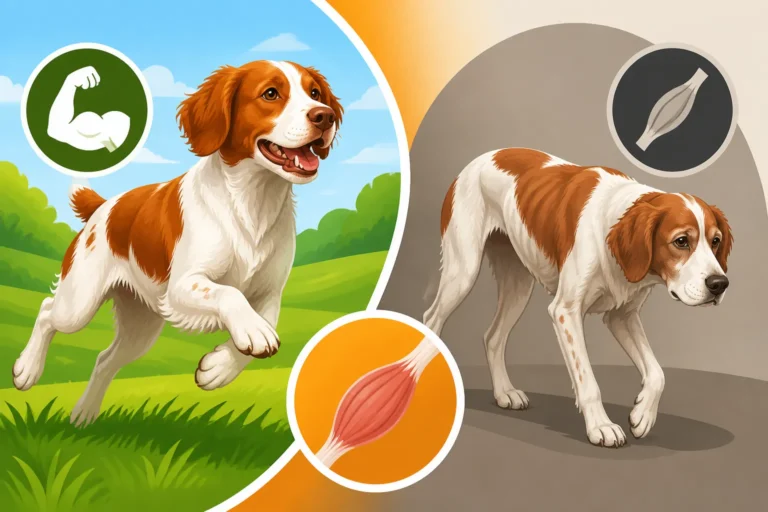
Conversely, adequate, appropriate exercise is also vital. Moderate, controlled exercise helps to strengthen the muscles surrounding the hip joints, providing support and stability. Think of controlled walks, gentle play in a soft yard, or short sessions of retrieving on varied terrain. The key is balance and moderation. Avoiding slippery floors, which can cause splaying and hip stress, and providing a stable environment are also important. This ties directly into questions like "Whether a Brittany Puppy Should Run on Hard Ground?" and the general consensus is to avoid it. Even if a puppy has excellent genetics, poor environmental management can contribute to issues later on, underscoring that hip health is a multi-faceted equation.
The Importance of OFA Data for Breeders and Owners
The OFA database is more than just a collection of numbers; it's a powerful tool that impacts both the direction of the Brittany breed and the choices individual owners make. It empowers responsible breeding and helps prospective owners select a healthy companion, mitigating future heartaches and financial burdens.
Guiding Responsible Breeding Decisions
For dedicated Brittany breeders, OFA hip data is indispensable. It forms a cornerstone of their breeding program, allowing them to assess the genetic health of potential parents and make informed decisions to improve the breed's overall health. Breeders aim to select dogs with "Excellent," "Good," or "Fair" hip ratings, preferentially pairing them to dogs with equally good or better scores. By understanding the hip health of multiple generations (parents, grandparents, siblings, and offspring), breeders can identify lines that consistently produce healthy hips and those that may carry a higher risk for dysplasia. This is part of the rigorous process outlined in "What a Brittany Spaniel Breeder Should Have Tested."
The OFA database also provides a level of transparency that helps maintain integrity within the breeding community. It allows potential buyers to verify the health claims of a breeder and ensures that breeders are held accountable for their practices. Without this objective, public data, breeding decisions would be based on guesswork or anecdotal evidence, leading to a much higher incidence of genetic health problems in the breed. This collective effort prevents the propagation of undesirable traits, directly benefiting the long-term health and vitality of the Brittany.
Empowering Prospective Puppy Owners
For someone looking to bring a Brittany puppy into their home, OFA hip data is perhaps one of the most critical pieces of information they can seek out. It’s an objective indicator of the genetic health foundation of their future companion. When you're talking to a breeder, asking for the OFA hip certifications of both the sire and dam is not just recommended; it's essential. Reputable breeders will not only have these certifications but will be eager to share them, often providing the OFA hip number so you can verify the results directly on the OFA website. This allows you to confirm that the parents have received passing scores ("Excellent," "Good," or "Fair"), significantly reducing the likelihood of your puppy inheriting hip dysplasia.
While an OFA certification doesn't offer a 100% guarantee that a puppy will never develop hip issues (as environmental factors also play a role), it drastically improves the odds in your favor. It provides peace of mind, knowing that the breeder has taken concrete steps to minimize genetic risk. Failing to inquire about these certifications, or accepting vague assurances, can lead to heartbreak and substantial veterinary costs down the line if your dog develops severe hip dysplasia. Investing in a healthy puppy from health-tested parents is a much wiser long-term decision than gambling on an un-screened litter. For comprehensive coverage against unexpected health issues, consider a robust pet insurance plan like those offered by Healthy Paws.
Addressing Common Concerns and Misconceptions about Brittany Hips
Despite the wealth of information available, navigating the topic of hip health in Brittanys can still feel overwhelming, leading to common questions and even some misunderstandings. Let's tackle a few of these head-on to help clear the air and provide a more complete picture.
The "Normal" Range: Understanding Fair and Borderline Scores
One frequent point of confusion revolves around the "Fair" and "Borderline" OFA hip scores. Many prospective owners assume that only "Excellent" or "Good" are truly desirable, viewing "Fair" as somehow problematic. However, "Fair" hips are still considered within the normal range by the OFA and are acceptable for breeding, especially when bred to a mate with "Good" or "Excellent" hips. A "Fair" score simply means there are minor imperfections, often not clinically significant, and the dog is highly unlikely to suffer from hip dysplasia. It's not a red flag; it's just not quite as perfect as "Good" or "Excellent."
"Borderline," however, is a different story. While not outright dysplastic, it signifies that the hips have some characteristics that prevent them from being classified as normal. It’s an equivocal finding. The OFA often recommends re-evaluating these dogs at a later date, as sometimes the subtle changes either resolve or progress. For breeding purposes, most responsible breeders would hesitate to use a "Borderline" dog, especially if they have other options with clearer "normal" scores. It's about minimizing risk and striving for improvement. The nuanced differences between these classifications are important for owners to grasp when making choices about their Brittany.
Why OFA Certification Waits Until Two Years Old
A question that often arises is, "Why a Brittany OFA Hip Certification Waits Until Two?" The answer lies in canine skeletal development. A dog's skeletal system, particularly their hip joints, is not fully mature until approximately two years of age. Before this time, the growth plates are still open, and the bones and joints are still undergoing significant changes. Taking X-rays too early might give an inaccurate picture, either masking potential issues that haven't fully developed or indicating problems that might resolve with further growth.
The two-year mark ensures that the radiologists are evaluating fully mature joints, providing the most accurate and definitive assessment. While preliminary OFA evaluations can be done on younger dogs, these are clearly marked as "preliminary" and are often used by breeders to get an early indication, but they are not considered final certifications for breeding purposes. This waiting period can feel long, especially for breeders eager to evaluate their young prospects, but it's a necessary step to ensure the integrity and reliability of the OFA certification process. It helps ensure that when a certification is issued, it truly reflects the dog's mature hip health.
In conclusion, understanding the OFA records for Brittany hips is about much more than just numbers; it's about appreciating the collective dedication of a breed community to health, empowering individual choices, and securing a vibrant future for these active companions. It's a journey of continuous improvement, guided by science and commitment. If you are ever worried about your Brittany’s hips, remember to consult your vet. Pet insurance providers like Healthy Paws can also offer valuable financial protection for unexpected orthopedic issues, ensuring you can always provide the best care for your beloved companion.
Disclaimer
This guide provides general information and insights into what OFA records show about Brittany hips. It is not a substitute for professional veterinary advice. Always consult with a qualified veterinarian for any health concerns or before making decisions about your dog's care or breeding.