Why Some Brittanys Are Born Tailless
As a Brittany owner or enthusiast, you might have noticed something a little unique about some of these beautiful dogs: some Brittanys are born without much of a tail at all! This isn't always the result of docking, which is a common practice in many sporting breeds; sometimes, it's just how they come into the world. This guide will dive deep into this fascinating genetic quirk, exploring why some Brittanys have natural bobtails, what it means for them, and how it impacts their lives and even the breeding world.
The Natural Bobtail Phenomenon in Brittanys
It can be a surprising discovery for new Brittany owners or those unfamiliar with the breed: finding out that a puppy's short tail isn't always man-made. The natural bobtail, a genetic trait, means these dogs are simply born with a shorter-than-average tail, or even no tail at all. It's a really interesting aspect of the breed that sparks a lot of conversation and sometimes a little confusion!
Understanding the Genetic Basis of Taillessness
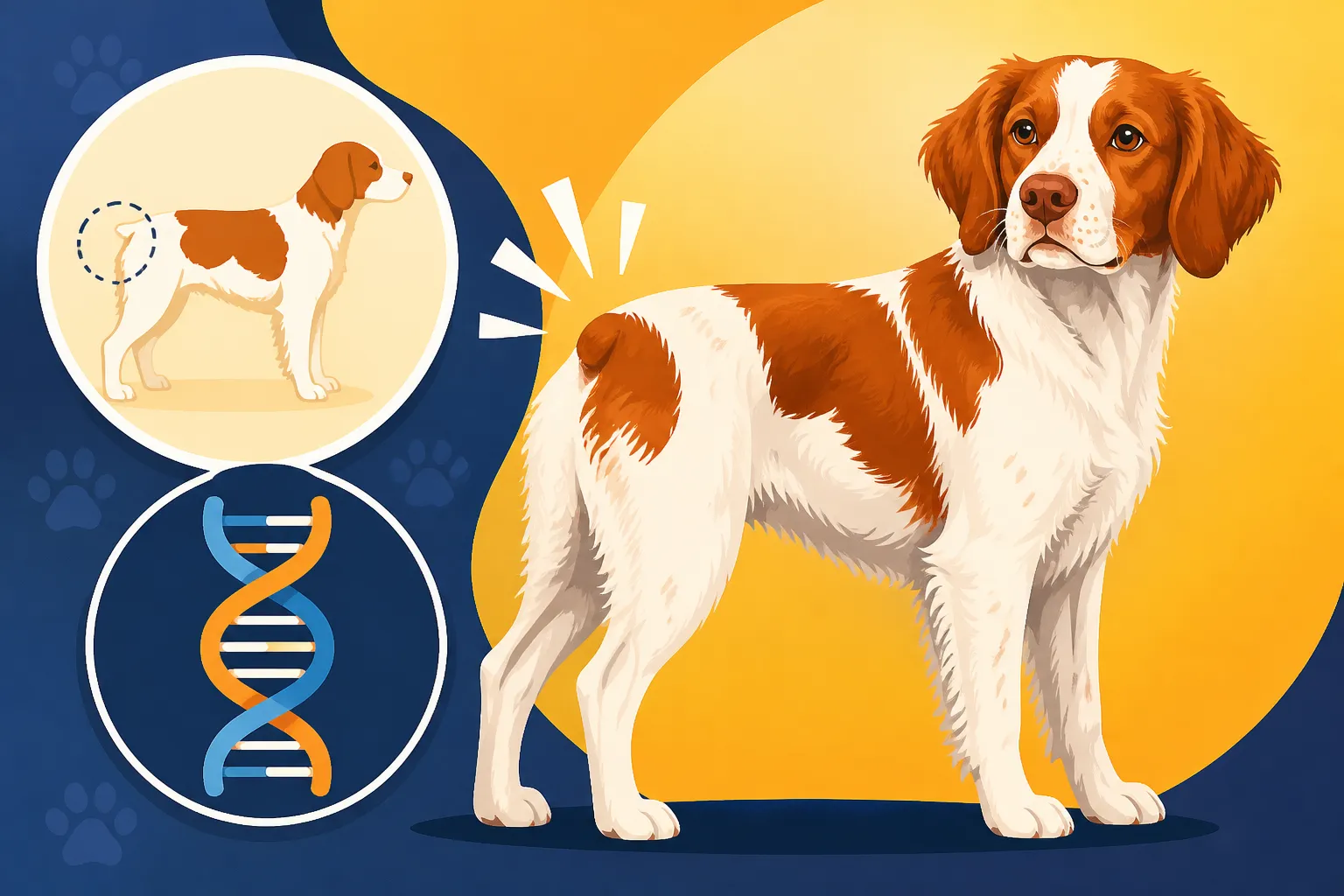
So, what's behind this natural bobtail? It all comes down to genetics, of course! There's a specific gene responsible for the naturally bobbed tail in Brittanys, and it's quite a powerful one. This gene, often referred to as the T-box gene or C189G mutation in the T gene, basically instructs the body on how long to grow the tail. When there's a particular variant of this gene, the tail development is cut short, leading to anything from a slightly shortened tail to a complete absence of a tail. It’s not a defect or an illness; it's just a variation in their genetic makeup.
What's truly fascinating is how this gene is inherited. It's an autosomal dominant gene, which means a puppy only needs to inherit one copy of the gene from either parent to express the bobtail trait. If a Brittany inherits two copies of this gene (one from each parent), it can actually be lethal to the embryo, meaning those puppies don't survive. This is a crucial piece of information for breeders, as it means you should never breed two natural bobtail Brittanys together. We'll get more into that later, but for now, just know that it's a careful balance of genetics that determines whether a Brittany will sport a bobtail or a full-length tail. Understanding Which Gene Makes a Brittany Tailless helps shed more light on this intricate process.
How Common is the Natural Bobtail?
You might be wondering, if it's a naturally occurring trait, how often do you actually see a Brittany with a natural bobtail? While it's not the majority, it's certainly not rare. The gene for natural bobtails is present in the Brittany population, and consequently, a certain percentage of puppies in a litter can be born with varying degrees of tail length, from what we'd consider a "normal" length all the way down to a true bobtail. It's a bit like flipping a coin in some litters, where you might see some with full tails, some with partial tails, and others with very short stubs.
It's difficult to put an exact percentage on it because it varies so much from one breeding line to another. If a breeder consistently uses a parent that carries the natural bobtail gene, they're likely to see more bobtailed puppies in their litters. However, many breeders opt to dock tails universally, regardless of natural length, for consistency and tradition, so it can be hard to tell just by looking at a mature dog whether its short tail was natural or docked. This can sometimes obscure the true prevalence of the natural bobtail gene in the broader population. However, discussions around How Many Brittanys Are Born Tailless suggest it's a noticeable, albeit not overwhelming, portion.
Beyond the Brittany: Other Bobtail Breeds
While we're talking about Brittanys, it's worth noting that they aren't the only breed to exhibit this natural bobtail trait. There are actually several other dog breeds known for having naturally short or absent tails due to a similar genetic mutation. Breeds like the Australian Shepherd, Pembroke Welsh Corgi, Boston Terrier, and some types of Spaniels can also be born with varying tail lengths, or no tail at all.
This shared genetic quirk across different breeds highlights that it's an ancient mutation that has appeared and been selected for in various dog populations over time. For some breeds, a short tail was historically preferred for practical reasons—less chance of injury in working dogs, for example. For others, it became a breed characteristic simply due to aesthetic preference and selective breeding. Understanding that it's a natural phenomenon found across the canine world can help new owners feel more comfortable if their Brittany puppy arrives with a little nub instead of a long plume. It's part of the rich tapestry of canine genetics and evolution, making each breed, and each dog within it, truly unique.
The Practicalities of a Natural Bobtail
For many Brittany owners, the length of their dog's tail isn't just about aesthetics; it's about tradition, function, and sometimes, avoiding controversy. The practice of tail docking has a long history in sporting breeds, often rooted in beliefs about preventing injury in the field. But when a dog is born with a natural bobtail, it introduces new dimensions to these discussions.
The Controversy of Tail Docking vs. Natural Bobtails
Historically, tail docking in hunting breeds like the Brittany was common practice, believed to prevent injury from thorns, brush, and other hazards in dense cover. A long, whipping tail could easily get snagged, cut, or even broken during a vigorous hunt, leading to pain and infection. So, breeders and owners would typically dock a puppy's tail just a few days after birth to a desired length, usually around 2 to 4 inches. This practice continues today in many places, often as part of the breed standard for conformation and field events.
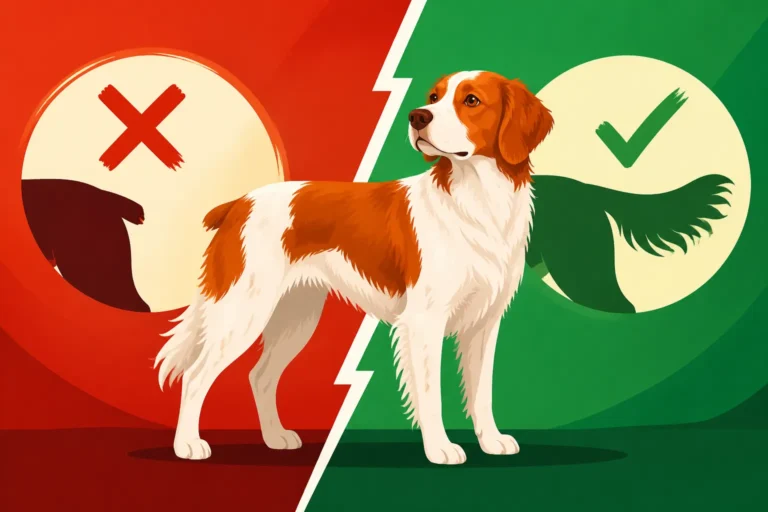
However, the ethics of tail docking have become a hot topic, with many veterinary associations and animal welfare organizations opposing the practice, deeming it an unnecessary cosmetic procedure. In some countries, tail docking is now completely banned or heavily restricted, leading to more undocked Brittanys being seen. This is where the natural bobtail becomes particularly relevant. If a Brittany is born with a short tail, there's no need for the procedure. For owners who wish to avoid docking, finding a naturally bobtailed puppy can be a welcome solution. It sidesteps the ethical debate entirely and allows the dog to develop naturally while still having a short tail that might offer some of the functional benefits traditionally sought through docking. Thinking about Whether Docking Is Banned Where a Brittany Owner Lives can make this discussion very immediate.
Impact on Movement and Communication
A dog's tail is more than just a wagging appendage; it plays a significant role in balance, especially when moving at high speeds or making quick turns, and it's a vital tool for canine communication. You might wonder if a natural bobtail impacts these functions in a Brittany. When it comes to balance, a natural bobtail, while shorter, is generally sturdy. Brittanys are incredibly agile dogs, bred for fast movement and sudden stops in the field. While a full tail might provide a bit more counterbalance, most bobtailed Brittanys adapt seamlessly. Their strong hindquarters and overall athletic build compensate effectively, and you'll rarely see a bobtailed Brittany struggling with their movement in a way that suggests a disadvantage.
From a communication standpoint, a shorter tail does mean less visible expression. Dogs use their tails to signal everything from excitement to fear to submission. A high, rapid wag means joy, while a tucked tail indicates apprehension. With less tail to work with, a bobtailed Brittany's signals might be subtler. Owners often find themselves paying more attention to other body language cues, such as ear position, facial expressions, and overall posture, to understand their dog's mood. Other dogs also adapt to reading these cues from a bobtailed companion. So, while the tail's role is diminished, it certainly doesn't prevent a bobtailed Brittany from interacting effectively with its human and canine family. It just means you, as the owner, might become even more attuned to the nuances of your Brittany’s body language, deepening your bond. The question of Whether a Brittany's Tail Affects Its Balance is a common one, and the answer is usually no, not significantly.
Identifying a Natural Bobtail Puppy
So, you're looking at a litter of adorable Brittany puppies, and some have short tails while others have longer ones. How can you tell if that cute little nub is natural or if it's been docked? This is where a knowledgeable breeder comes in. A reputable breeder will be transparent about the genetic background of their puppies and will be able to tell you which puppies, if any, are natural bobtails.
When a puppy is born with a natural bobtail, the bone structure of the spine simply ends earlier. The tail might be a short stump, a half-length tail, or somewhere in between. A docked tail, on the other hand, is usually cut to a consistent length, and you might see a small scar or a difference in the hair growth at the tip. Sometimes, a naturally short tail can still be docked further if it's considered too long for the breed standard, which further complicates identification. If you're specifically seeking a naturally bobtailed Brittany to avoid the docking procedure, it's vital to communicate this with your breeder early on. They should be able to show you the parents' pedigrees, explain the genetic likelihood in the litter, and clearly identify any puppies that are naturally bobbed. It's always best to ask questions and get clear answers before bringing your new family member home.
Breeding Considerations for Bobtail Brittanys
Breeding is a complex dance between preserving desirable traits and ensuring the health and welfare of future generations. When it comes to natural bobtails in Brittanys, breeders face unique responsibilities due to the genetics involved. It’s not as simple as just liking a short tail; there are serious health implications that must be carefully managed.
The Risks of Breeding Two Bobtail Parents
This is perhaps the most critical aspect of the natural bobtail gene for breeders: the danger of breeding two natural bobtail Brittanys together. As mentioned earlier, the gene responsible for the natural bobtail is dominant, but it's also lethal in a homozygous state. This means if a puppy inherits two copies of the bobtail gene—one from each parent—the embryo typically fails to develop or dies very early in gestation. This results in smaller litter sizes, as some of the fertilized eggs simply won't survive.
For a responsible breeder, understanding this genetic risk is paramount. They should never intentionally breed two natural bobtail Brittanys. Instead, if they want to produce bobtailed puppies, they will breed a natural bobtail parent to a full-tailed parent. This way, about 50% of the litter will likely be natural bobtails, and the other 50% will have full tails, all while avoiding the lethal gene combination. Any breeder who is unaware of this risk or disregards it is not practicing ethical breeding. It’s a serious issue, and owners looking for a puppy should always inquire about the parents’ tail status if they are interested in natural bobtails. This knowledge directly impacts the health and viability of the litter and is a key indicator of a breeder's commitment to the welfare of their dogs. You might also find good information on this topic in Whether Two Bobtail Brittanys Should Be Bred.
Ethical Breeding Practices and Genetic Testing
Ethical breeding, especially concerning traits like the natural bobtail, relies heavily on genetic testing and transparency. A responsible Brittany breeder will actively screen their breeding stock for the specific gene that causes the natural bobtail. This DNA test is readily available and helps breeders identify which dogs carry the gene (and are therefore natural bobtails) and which do not (and have full tails). This information allows them to make informed decisions about breeding pairs, ensuring they never put a litter at risk by pairing two bobtail carriers.
Beyond just the bobtail gene, ethical breeders adhere to a broader set of health clearances. They'll typically perform tests for common Brittany ailments like hip dysplasia, elbow dysplasia, and eye conditions, often submitting results to organizations like the Orthopedic Foundation for Animals (OFA) or the Canine Eye Registration Foundation (CERF). When you are looking for a puppy, always ask to see these health clearances for both parents. A breeder who proudly shares their genetic test results and health certifications, explaining their breeding choices, is a sign of a truly dedicated and ethical program. These practices ensure not only that natural bobtails are managed responsibly but that the overall health of the Brittany breed is maintained. For more on what to ask for, check out What a Brittany Spaniel Breeder Should Have Tested. You might also find supplements and other health-related products available from trusted retailers like Chewy.
The Role of Responsible Breeders
Responsible breeders are the backbone of any healthy dog breed, and their role is particularly important when managing genetic traits like the natural bobtail. Their commitment goes beyond just producing puppies; it extends to the lifelong health and temperament of every dog they bring into the world. A truly responsible Brittany breeder will:
- Understand genetics: They will be well-versed in the inheritance patterns of the natural bobtail gene and other genetic conditions relevant to Brittanys.
- Health test extensively: They will perform all recommended health screenings on their breeding dogs and be transparent about the results.
- Prioritize welfare: They will make breeding decisions that prioritize the health, longevity, and welfare of their dogs and puppies above all else, never breeding two bobtails together.
- Educate potential owners: They will openly discuss the pros and cons of natural bobtails, docked tails, and full tails, ensuring prospective owners understand what they are getting.
- Provide support: They will offer ongoing support and advice to puppy buyers throughout their dog’s life.
By choosing a responsible breeder, you're not just getting a puppy; you're supporting ethical practices that safeguard the future of the Brittany breed, whether your new companion comes with a full tail or a charming natural bob. For those committed to the breed's health, this due diligence is invaluable.
Living with a Naturally Bobtailed Brittany
Bringing a naturally bobtailed Brittany into your home is, in most respects, just like bringing home any other Brittany. They'll have the same boundless energy, intelligence, and affectionate nature that makes the breed so beloved. However, there are a few unique considerations that come with having a dog born with a naturally shorter tail.
Health and Welfare of Bobtail Brittanys
From a health perspective, a naturally bobtailed Brittany is generally just as healthy as its full-tailed counterparts. The presence of the natural bobtail gene itself doesn't predispose them to other health issues, assuming responsible breeding practices were followed to avoid the lethal homozygous condition. There's no inherent weakness or susceptibility to injury associated with the shorter tail. In fact, some might argue that a naturally short tail could be less prone to certain types of field injuries that long tails can sometimes encounter, though this is anecdotal rather than a scientific certainty. A long tail, when vigorously wagged through thick brush, can sometimes suffer "happy tail" syndrome (lacerations from repeatedly hitting hard surfaces) or get caught and cut. A bobtail often avoids these specific traumas.
The main welfare consideration is simply ensuring that your dog is recognized and treated fairly. In areas where docking is common, some might mistakenly assume a bobtailed dog has been docked, or conversely, might not understand it's a natural trait. As an owner, you become an ambassador for the natural bobtail, helping to educate others. Otherwise, their veterinary care, nutrition, and exercise needs are identical to any other Brittany. You’ll find all the standard high-quality dog foods and supplies for them at a retailer like Chewy, ensuring they stay healthy and happy.
Tail Length Variations and What They Mean
One of the interesting things about the natural bobtail gene is that it doesn't always result in a completely absent tail. The expression of the gene can vary, leading to a spectrum of tail lengths. Some Brittanys might be born with a very short stub, barely noticeable. Others might have a tail that's about half the length of a typical full tail, often with a slight kink or curve. Still others might have what appears to be a nearly full-length tail, but closer inspection or genetic testing reveals they still carry the bobtail gene.
These variations are just different expressions of the same genetic trait. They don't typically mean anything different in terms of the dog's health or ability to function. A Brittany with a medium-length natural bobtail will communicate just as effectively with its body as one with a very short stub. The key takeaway here is that "natural bobtail" isn't a single, uniform look; it's a range. This variation also means that some naturally bobbed tails might still be docked if a breeder or owner desires a very specific length to meet breed standards or personal preference, though this practice is becoming less common as awareness of the natural bobtail grows.
How a Natural Bobtail Affects Everyday Life
In day-to-day life, a natural bobtail makes very little practical difference for your Brittany or for you. They will still wag their entire hindquarters with enthusiasm when you come home, and their excitement will be palpable even without a long plume swinging back and forth. You might notice that they have slightly less "sweep" for clearing items off low tables with their tail, which some full-tailed dog owners might consider a small blessing!
Perhaps the biggest difference you might observe is in how people react. Many people are accustomed to seeing Brittanys with short tails due to docking, so they might not even realize it's natural. Others might be curious and ask about it. It’s an opportunity to share a bit about canine genetics and the natural variation within the breed. For the Brittany itself, it’s simply part of who they are. They don't miss what they never had. Their focus remains on chasing imaginary birds in the yard, snuggling on the couch, and being the wonderful, energetic companions we know and love. Their boundless energy and intelligence will be far more defining characteristics than the length of their tail. The only potential functional difference might be how they communicate with other dogs, as discussed, but even that is easily adapted to by their canine peers.
Showing and Registering a Natural Bobtail Brittany
For Brittany owners interested in activities like conformation shows, field trials, or even just registering their dog, the topic of tail length can sometimes be a point of discussion. Different organizations and breed standards have specific guidelines, and understanding them is crucial for owners of natural bobtail Brittanys.
AKC and Other Registry Perspectives
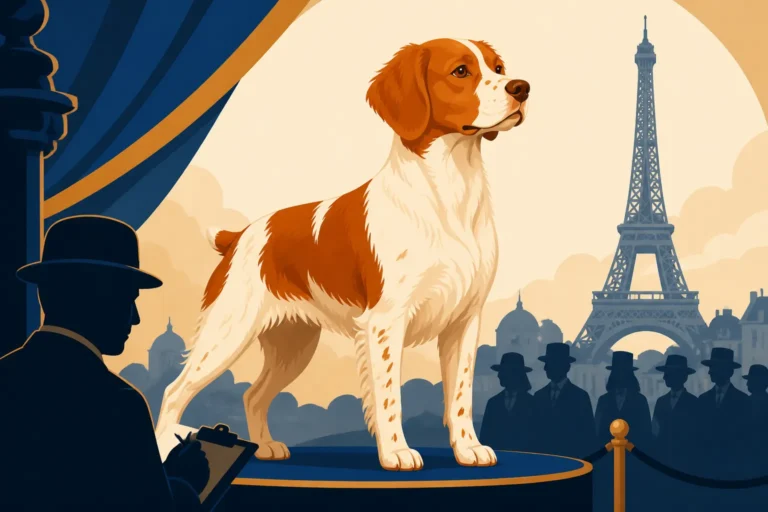
The American Kennel Club (AKC) is the primary registry for Brittanys in the United States, and its breed standard has historically called for a docked tail. However, the AKC, like many other kennel clubs, has evolved its stance to accommodate natural variations. While the standard may describe a "naturally short or docked" tail, the key is usually that the tail appears to be the correct length as per the standard, regardless of whether it was docked or naturally short. For example, the AKC standard for the Brittany (which notably dropped "Spaniel" from its name in 1982) specifies a tail that is "naturally short or docked, not to exceed four inches." This means a naturally bobtailed Brittany that falls within this length requirement is perfectly acceptable in the conformation ring and for registration.
Other international registries, such as those governed by the FCI (Fédération Cynologique Internationale), often have different rules. In many European countries where tail docking is banned, undocked, full-tailed Brittanys are the norm and shown successfully. For natural bobtails in these regions, they would also be accepted, as they simply reflect a natural genetic variation. The most important thing is to check the specific rules of the registry and the country where you plan to show or register your Brittany. For American owners, rest assured, a naturally bobtailed Brittany meeting the length requirement is generally welcomed by the AKC.
Conformation Standards for Tail Length
When it comes to conformation showing, the breed standard is the rulebook. For the Brittany, the standard details everything from ear set to coat texture, and yes, tail length. As mentioned, the AKC Brittany standard generally allows for a tail that is naturally short or docked, not exceeding four inches. This means a Brittany born with a tail that naturally measures, say, three inches, would be perfectly acceptable in the show ring, just like a Brittany whose tail was docked to that length.
Judges are trained to evaluate dogs against the standard, and while they might note whether a tail is natural or docked, it shouldn't be a deciding factor as long as it meets the prescribed length. What they're looking for is overall balance, gait, and adherence to the breed's ideal form. Owners of naturally bobtailed Brittanys can confidently enter their dogs in conformation events, knowing that their dog's unique tail is a legitimate expression of the breed. This openness to natural variation helps preserve genetic diversity and acknowledges the inherent beauty of the breed in all its forms, within the bounds of the standard. If you want to dive deeper into how the breed standard changed, consider When the AKC Dropped Spaniel From the Brittany's Name.
The Advantage in the Field
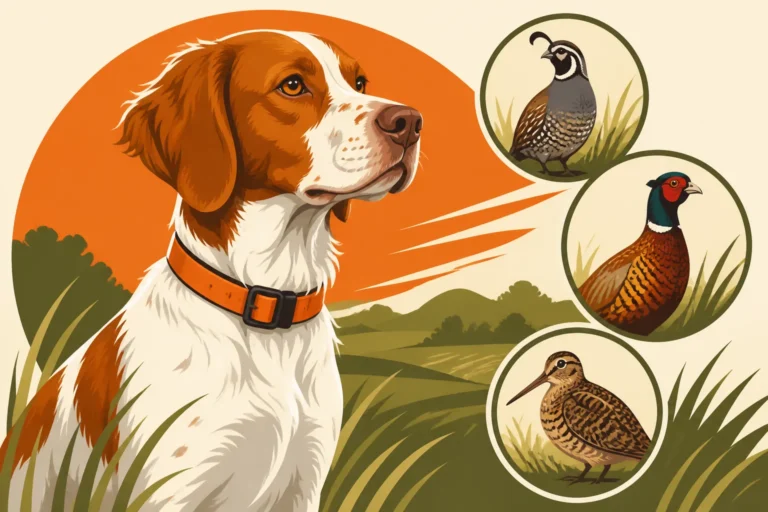
While conformation shows might have strict aesthetic guidelines, the field is where the Brittany truly shines. And in the field, a naturally bobbed tail often presents a distinct advantage, aligning perfectly with the historical reasons for docking. A shorter tail, whether natural or docked, is less likely to become entangled in thick cover, less prone to injury from sharp branches or dense undergrowth, and generally more practical for a dog that spends hours maneuvering through tough terrain.
Hunters appreciate the reduced risk of injury, as a tail injury can sideline a working dog for weeks or even months. With a natural bobtail, there's no need for surgical intervention, and the dog is inherently equipped for the challenges of the hunt. This functional benefit is why the trait has persisted and is often favored by those who use their Brittanys primarily for hunting. Whether retrieving downed birds or holding a steadfast point, a natural bobtail allows the Brittany to move freely and fearlessly, focusing entirely on its job. In this regard, a natural bobtail Brittany is not just acceptable, but often celebrated for its practical suitability for the work it was bred to do.
Disclaimer
This article is for general informational purposes only and does not constitute professional advice. Laws, prices and regulations vary by location and change over time. Consult a qualified professional for guidance on your specific situation.