How Long a Brittany Spaniel Lives on Average
It's a question every Brittany owner eventually asks, often with a mix of hope and trepidation: "How long will I have with my beloved companion?" The thought of saying goodbye to these spirited, affectionate dogs is never easy, but understanding the average lifespan of a Brittany Spaniel and the many factors that contribute to their longevity can empower us to provide the best possible care, hopefully extending our cherished years together. This guide will delve deep into the typical life expectancy of a Brittany, exploring the genetic predispositions, environmental influences, and lifestyle choices that can add years to their vibrant lives.
Understanding the Brittany's Average Lifespan
When you welcome a Brittany into your home, you're not just getting a dog; you're gaining a family member, a hunting partner, and a loyal friend who will be with you through many seasons of life. It’s natural to wonder how long that journey will be.
General Expectations for the Breed
Brittany Spaniels are widely considered one of the healthier sporting breeds, a reputation they've earned over decades of careful breeding and their robust, energetic nature. On average, you can expect a Brittany to live anywhere from 12 to 14 years. This range places them firmly in the healthy bracket for medium-sized dogs. Many will happily pass their 12th birthday, and it’s not uncommon to hear of Brittanys thriving well into their 15th year, especially with dedicated care and a bit of luck on the genetic lottery.
This impressive lifespan is often attributed to their moderate size, lack of extreme physical characteristics, and a strong genetic foundation for athleticism. Unlike some larger breeds that might burn out faster or breeds with exaggerated features leading to specific health problems, Brittanys are built for endurance and agility, which often translates to overall better physical condition throughout their lives. While there can be slight variations between the American Brittany and the French Brittany (Epagneul Breton), with some anecdotal evidence suggesting the French lines might live a touch longer due to their typically more compact build and closer working style potentially leading to fewer high-impact injuries, these differences are usually minor compared to individual care and genetic health. However, generally, the breed as a whole shares this excellent longevity benchmark.
Factors Influencing Longevity Beyond Genetics
While genetics certainly play a huge role in setting the stage for a long life, what we do as owners day-in and day-out has an enormous impact. It's not just about getting a healthy puppy; it's about nurturing that health throughout their entire life. Think of it like a human with good genes – they still need to eat well and exercise!
First and foremost is nutrition. Feeding your Brittany a high-quality, balanced diet specifically formulated for active dogs is paramount. This isn't just about avoiding cheap fillers; it's about providing the right fuel for their boundless energy, supporting healthy growth, maintaining a strong immune system, and keeping their coat and skin in top condition. Poor nutrition can lead to a host of problems, from dull coats and low energy to more serious issues like obesity and organ stress, all of which can shave years off their life. Similarly, maintaining a healthy weight throughout their life is critical; excess weight puts undue strain on joints and organs, which can shorten their lifespan significantly.
Next is consistent, appropriate exercise. Brittanys are high-energy dogs, and they need to run, hunt, and explore. Regular physical activity not only keeps their muscles strong and their heart healthy but also satisfies their instinctual drive, contributing to their mental well-being. A bored or under-exercised Brittany can develop destructive behaviors, and chronic stress can impact physical health. The type and intensity of exercise should, of course, be appropriate for their age and physical condition, avoiding over-exertion in young dogs and adapting for senior ones.
Finally, preventative veterinary care and a safe environment are non-negotiable. Regular vet check-ups catch problems early. Staying up-to-date on vaccinations and parasite control protects them from preventable diseases. A safe home environment minimizes accidents and exposure to toxins. The emotional environment matters too; a loving, stable home with plenty of attention and mental stimulation keeps them happy and reduces stress. While the initial cost of a Brittany puppy might feel like a big investment, understanding what a Brittany Costs Over Its Lifetime quickly reveals that ongoing care, from quality food to vet visits, is where the real commitment lies in securing a long, healthy life for your dog.
Common Health Concerns and Their Impact on Lifespan
Even with the best care, Brittanys, like all breeds, can be susceptible to certain health issues. Being aware of these common concerns can help you be proactive in screening, early detection, and management, which are all crucial for mitigating their impact on your dog's lifespan and quality of life.
Orthopedic Issues
Brittanys are agile and athletic, but their active lifestyle means their joints take a lot of impact. Orthopedic issues are a common concern, especially as they age, and can significantly affect their comfort and mobility if not managed.
Hip Dysplasia is probably the most well-known orthopedic issue in many breeds, including Brittanys. This condition occurs when the hip joint doesn't form correctly, leading to a loose fit between the ball and socket. Over time, this causes wear and tear, pain, and eventually arthritis. While it can be debilitating, dedicated breeders have made significant strides in reducing its prevalence through selective breeding and health testing. Programs like the Orthopedic Foundation for Animals (OFA) screening are vital. Understanding what Hip Screening Did for the Brittany Spaniel reveals just how impactful these efforts have been. Early detection through X-rays and appropriate management – which can range from pain medication and joint supplements to physical therapy and, in severe cases, surgery – can significantly improve a dog's quality of life and mobility, allowing them to remain active and comfortable for many years. It’s not necessarily a life-shortening condition, but it can certainly affect the quality of those years if ignored.
Elbow Dysplasia is less common than hip dysplasia in Brittanys but can also occur. This condition involves abnormal development of the elbow joint, leading to lameness and pain. Like hip dysplasia, early diagnosis and treatment are key to managing the condition effectively.
As Brittanys age, arthritis becomes an almost inevitable reality for many. Years of running, jumping, and pointing take their toll on the joints. Arthritis, or degenerative joint disease, causes pain and stiffness. While it’s a natural part of aging, how we manage it can vastly improve our dog’s comfort and mobility, thus maintaining their quality of life. Treatments can include joint supplements, anti-inflammatory medications, physical therapy, weight management, and even alternative therapies. The Age a Brittany Gets Arthritis varies, but proactive management from middle age can delay its severity and impact. Keeping your Brittany comfortable and mobile is vital for their overall well-being and allows them to enjoy their senior years to the fullest.
Immune and Genetic Conditions
Beyond structural issues, Brittanys can also be prone to certain immune-mediated or genetic conditions that require careful monitoring and, in some cases, lifelong management.
One of the more unique and serious genetic conditions found in the breed is C3 Deficiency. This is an inherited immune system disorder where the dog lacks a vital component (the C3 protein) of the complement system, which is crucial for fighting off bacterial infections. Dogs with C3 deficiency are highly susceptible to recurrent, severe bacterial infections, often starting in puppyhood. This condition can be life-threatening without aggressive and consistent treatment. It’s a stark reminder of why careful breeding and health testing are so important. The good news is that C3 Deficiency Is the Brittany's Own Genetic Disease, and responsible breeders are actively working to test for and breed away from this genetic marker. If you're getting a puppy, inquire whether a Brittany breeder Screens for C3, as this can profoundly impact a puppy's chances of reaching adulthood.
Epilepsy is another genetic concern that can appear in Brittanys. This neurological disorder causes recurrent seizures, which can range from mild, subtle episodes to severe, generalized convulsions. While seeing your dog have a seizure is incredibly frightening, many epileptic Brittanys can lead full, happy lives with proper medication and management. The Age Epilepsy Appears in a Brittany typically ranges from 6 months to 5 years. Treatment focuses on reducing the frequency and severity of seizures, and it's a long-term commitment. How an Epileptic Brittany Is Treated usually involves daily anticonvulsant medication, chosen and monitored by a veterinarian. While epilepsy doesn't typically shorten a dog's life directly, severe, uncontrolled seizures can lead to complications or impact quality of life, making consistent veterinary care essential.
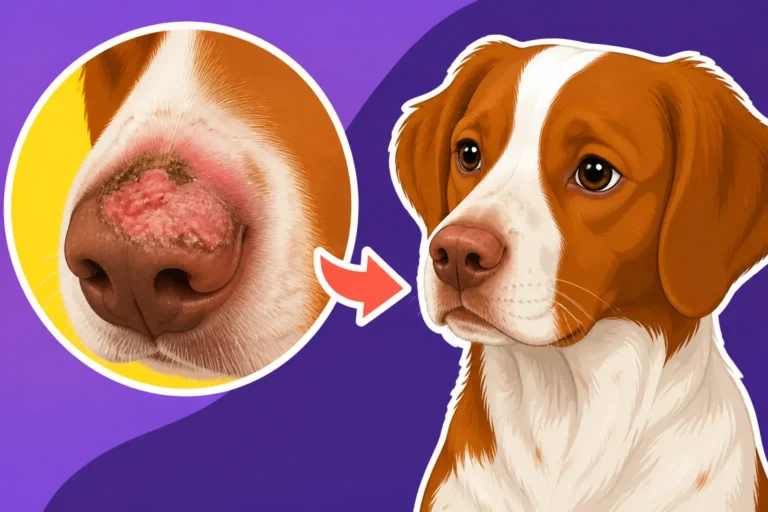
Discoid Lupus Erythematosus (DLE) is an autoimmune skin condition that primarily affects a Brittany's nose. It causes the normally black nose to lose its pigment, become crusty, ulcerated, and often painful. While rarely life-threatening, it can be uncomfortable and prone to secondary infections. Discoid Lupus and a Brittany Spaniel's Nose is a visible indicator of an immune system that's a bit out of whack. Management often involves topical steroids, immune-suppressing medications, and strict sun avoidance. With diligent care, Brittanys with DLE can live long, comfortable lives, though it requires ongoing attention from their owners and veterinarian.
Cancers and Other Age-Related Illnesses
As with most dog breeds, and indeed humans, the risk of cancer increases significantly with age. Brittanys are not immune to this, and various types of cancer can affect them. Early detection is often the biggest factor in successful treatment and extending life. Regular examinations by your vet, along with your own diligent at-home checks for lumps and bumps, are critical. While it's a daunting topic, understanding Which Cancers a Brittany Spaniel Gets can help you be more vigilant. Common cancers in dogs include lymphoma, mast cell tumors, osteosarcoma, and mammary tumors.
Beyond cancer, Brittanys in their golden years can also face other age-related systemic illnesses such as kidney disease, heart disease, or thyroid issues. Hypothyroidism, a condition where the thyroid gland doesn't produce enough hormones, can lead to weight gain, lethargy, and skin problems. While often manageable with daily medication, it underscores the importance of regular senior vet checks.
Ultimately, the goal is to provide comprehensive care throughout a Brittany's life to mitigate the risks and effects of these conditions. What Most Brittany Spaniels Die Of will inevitably shift towards age-related diseases like cancer or organ failure, but the duration of their life and quality of those final years are heavily influenced by the preventative and ongoing care we provide.
Nurturing a Long and Healthy Life for Your Brittany
Bringing home a Brittany means signing up for a commitment to their health and happiness for many years. It's not just about addressing problems as they arise, but actively working to prevent them and promote overall well-being.
The Power of Preventative Veterinary Care
This cannot be stressed enough: regular preventative veterinary care is the cornerstone of a long and healthy life for your Brittany. Think of your vet as your partner in your dog's health journey.
Starting from puppyhood, a consistent vaccination schedule protects your Brittany from a host of infectious diseases that could severely impact their development and longevity. Beyond initial vaccinations, annual boosters and regular deworming are crucial, especially for active dogs who spend a lot of time outdoors and are exposed to various parasites.
Perhaps the most underrated aspect of preventative care is the yearly wellness exam. Even if your Brittany seems perfectly healthy, these annual visits are invaluable. Your vet will perform a thorough physical examination, checking everything from their teeth and ears to their heart, lungs, and joints. They'll also typically recommend routine bloodwork, which can act as an early warning system for underlying issues like kidney disease, liver problems, or thyroid imbalances before clinical signs even appear. For senior Brittanys, these checks become even more important, often shifting to twice a year. Knowing How Often a Brittany Needs a Wellness Exam can make all the difference in catching subtle changes early.
Beyond the general check-up, ask your vet about breed-specific screenings. For example, knowing about conditions like C3 deficiency or hip dysplasia means you can discuss genetic testing or early radiographic screenings with your veterinarian, especially if you're getting a puppy from a breeder who might not have done extensive testing. These proactive steps can identify predispositions or early stages of disease, allowing for timely intervention.
And let's be realistic: vet care can be expensive. Having a good pet insurance plan, like those offered by Healthy Paws, can be a lifesaver when unexpected illnesses or injuries crop up. It allows you to make medical decisions based on what's best for your dog, rather than being constrained by cost, which directly impacts their potential for recovery and longevity.
Nutrition and Exercise for Optimal Health
Just like for us, a balanced diet and regular exercise are fundamental to a Brittany's health and vitality. This isn't just about weight management; it's about supporting every single system in their active body.
High-quality nutrition provides the necessary building blocks for strong muscles, healthy organs, a robust immune system, and sustained energy. A working Brittany, especially during hunting season, needs a diet higher in protein and fat to support their intense activity levels. For example, if you're Feeding a Brittany That Runs Two Hours a Day, their caloric and nutrient needs will be vastly different from a house dog. Look for dog foods with named meat as the first ingredient and avoid excessive fillers. The right diet helps maintain their ideal body weight, which is paramount for joint health and preventing issues like arthritis and diabetes. You should be able to easily feel your Brittany's ribs without seeing them distinctly. Paying attention to their food intake can help you avoid signs a Brittany Is Overweight, which can seriously compromise their health.
Consistent and appropriate exercise is non-negotiable for this breed. Brittanys are bred to hunt and run; they thrive on activity. Daily runs, long walks, games of fetch, or, ideally, regular time in the field, are essential. This keeps their cardiovascular system strong, muscles toned, and helps prevent obesity. It also provides vital mental stimulation, as a bored Brittany is often a destructive Brittany. However, it's a balance. Too much high-impact exercise in a growing puppy can damage developing joints, while an older Brittany might need shorter, more frequent walks or swimming instead of intense sprints. Conditioning a Brittany Before the Season Opens is crucial to prevent injuries. Remember, a fit dog handles stress and illness better, bounces back faster from injuries, and simply enjoys life more fully. To help manage the costs of keeping your energetic Brittany in peak condition, consider pet insurance providers like Healthy Paws, especially if your dog is prone to the occasional field injury. While their monthly food bill can add up, understanding what a Brittany Eats in a Month helps budget for their high-quality fuel.
Mental Well-being and Environment
A long life isn't just about physical health; a happy, mentally stimulated Brittany is a healthier Brittany. Their sharp minds need just as much attention as their athletic bodies.
Mental enrichment prevents boredom and stress, which can manifest as destructive behaviors or even anxiety. Brittanys are intelligent and eager to please, making them excellent candidates for training beyond basic obedience. Consider canine sports like agility, scent work, or even advanced trick training. Puzzle toys, interactive feeders, and regular training sessions (even short ones) keep their brains engaged. A well-exercised body and a well-exercised mind contribute significantly to their overall well-being.
Providing a safe and stimulating environment is also crucial. A secure yard prevents escapes and exposure to dangers. Regularly checking your yard for hazards and ensuring your home is pet-proofed are simple but vital steps. For hunting dogs, this means being extra vigilant about potential injuries in the field, from cuts and scrapes to encounters with wildlife. Being prepared for The Injuries a Brittany Picks Up in the Field can prevent a small issue from becoming a larger, more impactful health crisis. Always have a well-stocked doggie first-aid kit, and know how to use it.
Reducing stress is another often-overlooked aspect of longevity. Chronic stress can weaken the immune system and exacerbate existing health issues. A consistent routine, a loving home, and minimizing exposure to loud, startling noises (especially for a gun-dog breed) contribute to a calm and secure dog. While pet insurance typically focuses on physical health, a mentally sound dog is generally a physically healthier one, reducing the likelihood of stress-related ailments. Healthy Paws can alleviate the financial strain if psychological issues require veterinary intervention, supporting comprehensive care.
The Golden Years: Caring for an Aging Brittany
Just like us, Brittanys don't stay spry puppies forever. As they gracefully transition into their senior years, their needs change, and our care must adapt to ensure their comfort, dignity, and continued enjoyment of life. Understanding The Age a Brittany Is Considered Senior, typically around 8-10 years, marks the time to adjust our approach.
Recognizing the Signs of Aging
Observing your Brittany closely will help you recognize the subtle, and not-so-subtle, signs that they're entering their golden years. This isn't about dreading the inevitable; it's about being prepared to provide the best possible support.
One of the most apparent changes is a decrease in activity levels. Your once tireless hunting partner might be slower to get up, less enthusiastic about long runs, and prefer shorter, more leisurely walks. They might sleep more during the day and have less stamina in the field. This doesn't mean they don't want to play or hunt; it just means their capacity has diminished.
Sensory decline is also very common. Their eyesight might dim, making them hesitant in unfamiliar environments or in low light. You might notice them bumping into things or relying more on their other senses. Hearing loss is also frequent; they might not respond to commands as readily, or you may need to use visual cues more often. Deafness in an Aging Brittany can develop gradually.
Physically, you might notice their coat changing, perhaps becoming coarser or thinner, and the classic graying muzzle, especially around their eyes and chin. Muscle mass might decrease, even if they're still active, leading to a leaner look or some weakness in their hindquarters. There might be some stiffness when they rise after a nap or a slight limp after a vigorous walk. These are all natural aspects of what Changes in a Brittany After Ten, and acknowledging them is the first step in adapting your care.
Adapting Care for Senior Brittanys
Once your Brittany reaches its senior years, a proactive approach to their care becomes even more critical. Our goal shifts from pure athleticism to maximizing comfort and quality of life.
Your veterinarian will likely recommend more frequent check-ups, often twice a year instead of annually. These visits are crucial for early detection of age-related diseases. They’ll likely include comprehensive bloodwork to monitor organ function, especially kidneys and liver, and to screen for conditions like hypothyroidism, which can become more common in older dogs. Joint supplements or anti-inflammatory medications may be introduced to manage arthritis pain.
Dietary adjustments are often necessary. Older Brittanys typically have slower metabolisms and reduced activity levels, meaning they need fewer calories to maintain a healthy weight. Senior-specific dog foods are formulated with lower calories and often higher fiber to aid digestion, along with ingredients that support joint health. If your dog is struggling with dental issues, softer food might also be beneficial. Understanding Whether an Aging Brittany Needs Fewer Calories is key to preventing obesity, which can exacerbate joint pain and other health problems.
Exercise should be maintained but modified. Short, frequent walks rather than long, strenuous runs are usually better. Swimming can be an excellent low-impact exercise for senior dogs with arthritis. Providing comfortable, orthopedic bedding helps support aging joints, and ramps or steps can assist them in getting onto furniture or into the car if they struggle with jumping. Caring for a Brittany Past Ten requires patience, observation, and a willingness to adapt your routines to their changing needs.
End-of-Life Considerations
This is the hardest part of owning any dog, but it's an important aspect of their lifespan journey. As your Brittany ages, there will come a time when you need to focus on quality of life assessments. This involves honestly evaluating their comfort levels, appetite, mobility, and engagement with their family and environment.
Working closely with your veterinarian is paramount during this sensitive time. They can help you recognize signs of chronic pain, discuss palliative care options, and guide you through difficult decisions. There are many options for managing pain and discomfort to ensure your Brittany's final months or weeks are as peaceful and comfortable as possible. This might include a combination of medications, physical therapy, acupuncture, or other supportive care.
While it’s emotionally devastating, euthanasia is a final act of love and kindness when your Brittany’s quality of life has significantly diminished and there’s no longer a reasonable expectation of comfort or recovery. Making this decision is incredibly personal and painful, but it's important to know you don't have to face it alone. Your vet can provide compassionate guidance, helping you understand when it's time to let go. Preparing for this stage of life, both emotionally and financially, is part of responsible pet ownership. Pet insurance like Healthy Paws can sometimes cover a portion of end-of-life care, including diagnostics and palliative treatments, ensuring your focus remains on your beloved companion rather than financial burdens during such a tender time.
A Brittany's life is a journey of unwavering loyalty, boundless energy, and profound affection. By understanding their average lifespan, being proactive about their health, and adapting our care as they age, we can help them live those 12 to 14 (or more!) years to the absolute fullest, creating a lifetime of cherished memories.
| Age Stage | Typical Age Range | Key Care Focus | Common Concerns |
|---|---|---|---|
| Puppy | 0-1 year | Vaccinations, parasite control, early socialization, balanced puppy food, gentle training, appropriate exercise to avoid injury | Growth plate issues, initial health screenings (hip/elbow), C3 deficiency screening, accidental injury (ingestion, falls), housetraining challenges |
| Adult | 1-8 years | Annual wellness exams, high-quality adult performance food, consistent exercise, dental care, continued training/enrichment | Orthopedic issues (hip/elbow dysplasia, arthritis onset), allergies, ear infections, epilepsy onset, field injuries, maintaining ideal weight, tick-borne diseases |
| Senior | 8+ years | Bi-annual vet checks, senior-specific diet, joint supplements, modified exercise, comfort care, monitoring for chronic diseases | Arthritis management, organ decline (kidney, liver), cancer, sensory loss (sight, hearing), cognitive dysfunction, dental disease, weight management, increased grooming needs |
Disclaimer
This article is intended for informational purposes only and is not a substitute for professional veterinary advice. Always consult with a qualified veterinarian regarding your Brittany's specific health concerns, treatment options, and care plan. The information provided here should not be used for diagnosing or treating any health condition in your pet.